Lesson 1: The human digestive system
Identifying and describing the function of key organs in the digestive system.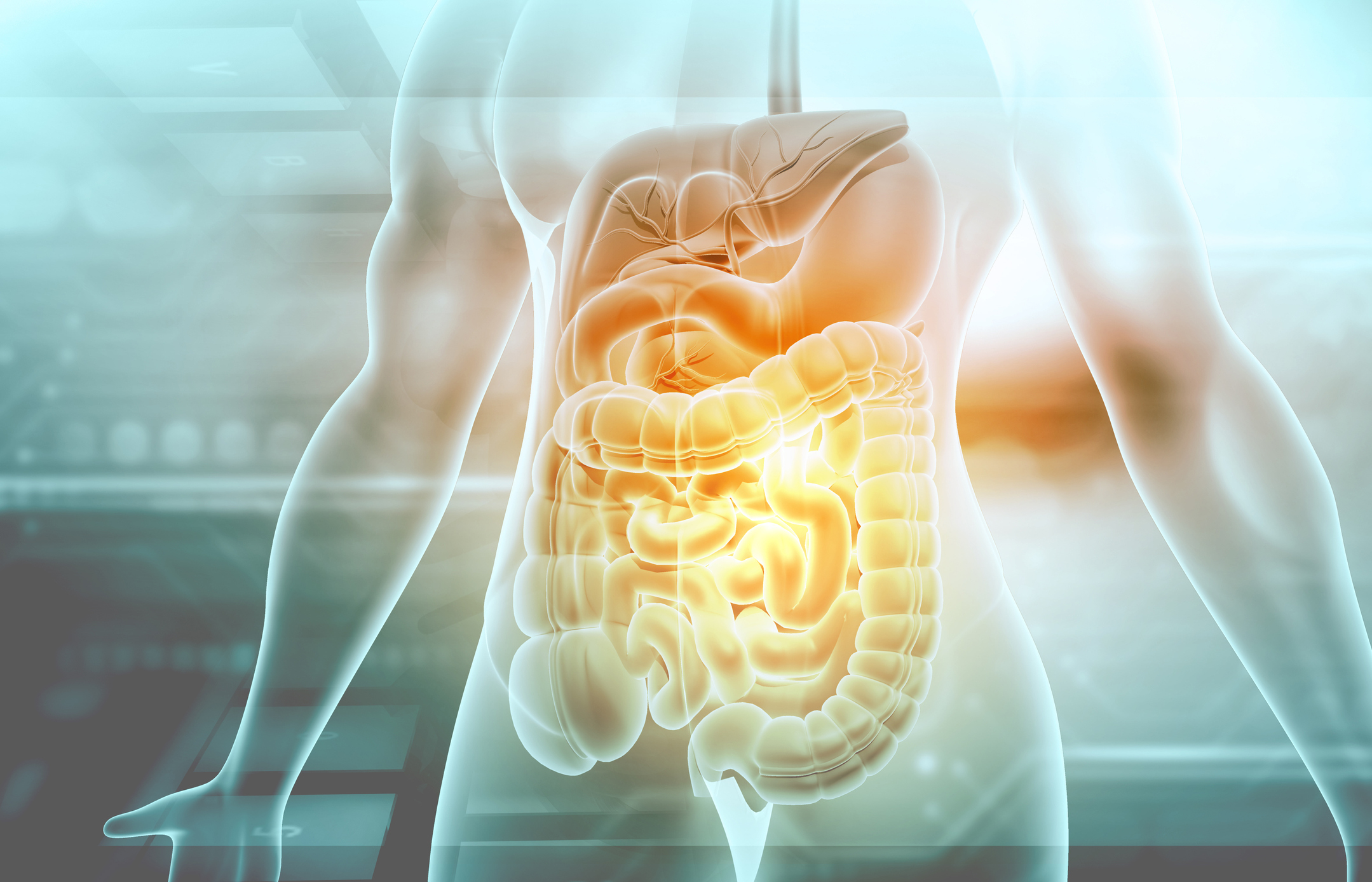
Learning objectives
Knowledge
-
To describe the function of the human digestive system.
Working scientifically
-
To evaluate a model.
Success criteria
Knowledge
-
I can list the main organs of the human digestive system.
-
I can describe the function of the main organs of the digestive system.
Working scientifically
-
I can explain how a model has been used to show a part of the digestive system.
-
I can identify a weakness in the model used to represent the digestive system.
Before the lesson
Check all images, videos, links and presentation slides are suitable for your class.
- Presentation: Observing the digestive system in the past.
- Presentation: Labelling and modelling the digestive system.
Bread (one bite-sized piece each).
- Equipment for modelling the digestive system (optional - one set for the teacher, see Main event):
cereal;
1 potato masher;
2 large bowls (one labelled blood);
1 small jug of water (labelled saliva);
1 small jug of fruit juice (labelled acid);
1 funnel and tubing if available;
1 resealable freezer bag;
1 pair of tights;
1 sponge;
1 tray;
scissors.
This unit is a biology topic. Biology is the study of living things and their processes.
Informing the pupils about the specific branch of science that this unit belongs to is at the teacher's discretion.
Subject knowledge
Digestion includes both mechanical (physical breaking up) and chemical (use of acid and enzymes) digestion to break the food into smaller pieces; this prevents blockages and ensures molecules are small enough to be absorbed through the digestive system into the blood.
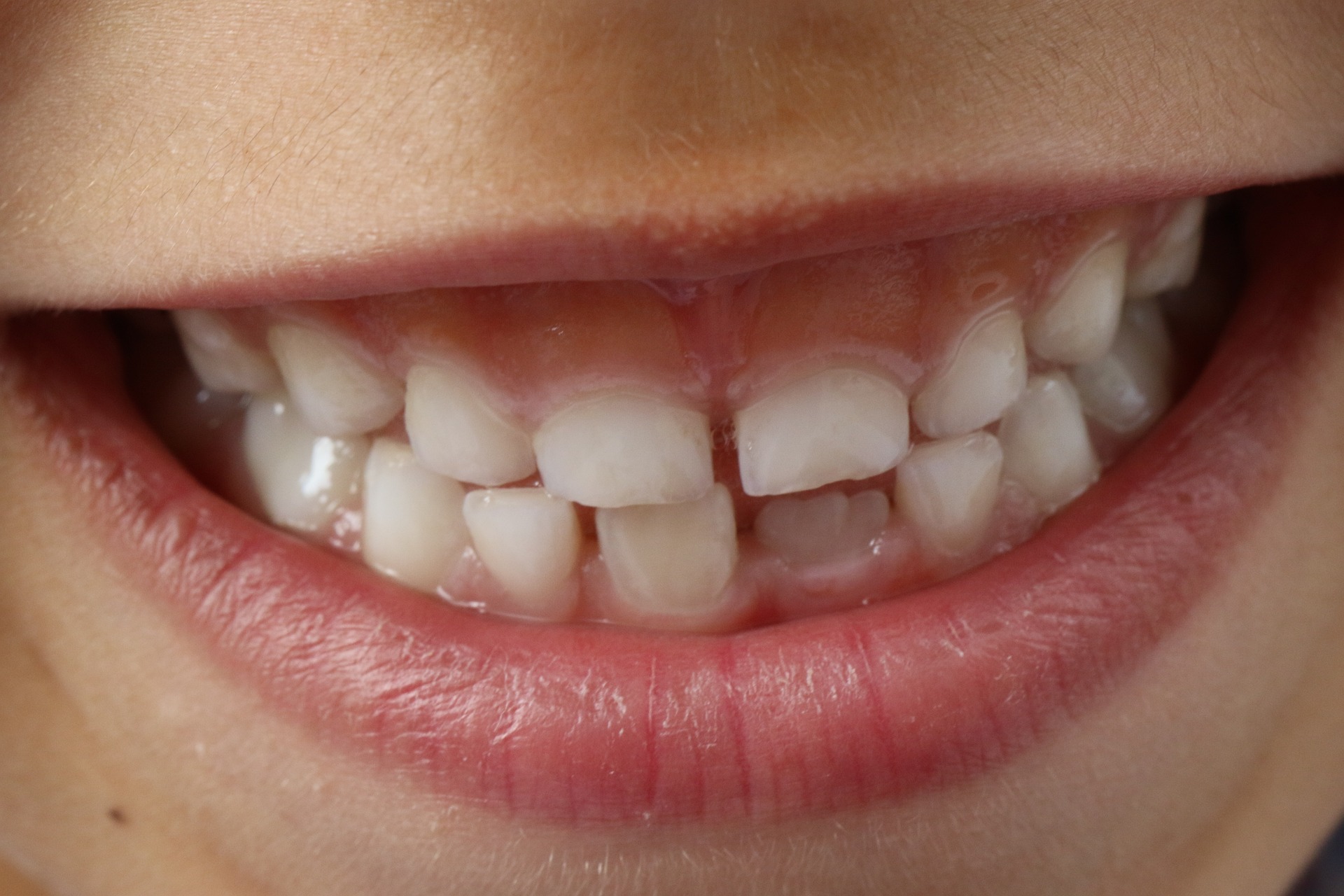
Digestion begins in the mouth, where the teeth physically break up food and saliva softens and begins to digest the food chemically.
When swallowing food, the epiglottis (a flap at the back of the throat) directs food down the oesophagus and away from the trachea (windpipe).
The oesophagus is muscular and actively squeezes food along to the stomach. It means people can swallow even upside down (although this is not advised as it is a choking hazard).
Strong stomach acid breaks down food further in the stomach. If the acid moves up into the oesophagus, it can damage any structures it contacts. People experience this as heartburn or acid reflux.
The average adult small intestine is approximately six and a half metres long.
The large intestine is wider in diameter than the small intestine, approximately one and a half metres long and responsible for absorbing water back into the bloodstream.
Note: the digestive system of animals can differ.
Misconceptions
The children may think that:
‘Digestion starts in the stomach’ - digestion starts in the mouth.
‘Digestion continues into the large intestine’ - no digestion occurs in the large intestine, just water absorption.
‘The digestive system has two outlets; one for faeces and one for urine’ - there is only one outlet from the digestion system which removes faeces. The kidneys (part of the urinary system) filter water from the blood and produce urine.
‘The stomach is located by the navel’ - the stomach is located just below the ribs.
‘A food group is the same as a nutrient group’ - a nutrient group refers to the molecules essential for life (carbohydrates, proteins, fats/lipids, vitamins, minerals, fibre and water) rather than foods with similar nutritional values.
'The appendix is part of the digestive system' - although it is attached to the large intestine, it does not play a role in digestion.
Lesson organisation
Use the Resource Stretch and Challenge: Digestion and food as an extension and revision opportunity. Throughout the unit, the children can select activities and complete them independently in their books.
Health and safety
Do not give bread containing gluten to children with a gluten allergy/intolerance.
Depending on the bread selection, there is a potential risk for seed/nut allergic reactions.
Sensitivities
Some pupils may ask questions or know about a stoma (an opening that connects part of the intestine to the outside surface of the abdomen).
In this case, faeces does not leave via the anus but is collected in a bag outside the body.
A stoma can be a temporary or permanent solution to various digestive complications.
Lesson plan
Before starting this unit, check the children can recall the following key facts from units Science, Year 2, Animals: Life cycles and health and Science, Year 3, Animals: Movement and nutrition:
Humans need air/oxygen, food/nutrients and water to survive.
The life processes include movement, reproduction, sensitivity, growth, excretion and nutrition.
The seven nutrient groups are carbohydrates, protein, fats and oil, fibre, vitamins, minerals and water.
Muscles cause movement in our bodies.
Use the Activity: Recap and recall digestion mind map (one each) if needed to elicit the children's prior knowledge.
Give each pupil a small piece of bread and ask them to hold it in their mouth without chewing or swallowing for about 30 seconds.
Ask them:
- What nutrient group does the bread contain the most? (Carbohydrates.)
- How has the bread changed? (Answers may include that it became wet, soft, slippery or sweet.)
- Why has the bread changed? (Saliva in our mouths has started breaking down the bread's carbohydrates into sugars. This is an example of digestion.)
Use the equipment for modelling the digestive system in the Have ready and follow the Teacher video: Modelling the digestive system to demonstrate it to the children. Alternatively, play the Pupil video: Modelling the digestive system.
Pause the video or teacher demonstration and ask the children to identify which organ each item represents and how each organ aids the digestive process (see Teacher video: Modelling the digestive system).
Encourage the children to consider why the materials used in the model have been selected and evaluate how effective they are in modelling the process:
- What parts of the model worked well? (Answers may include the teeth chewing or the squeezing of food through the digestive system.)
- What parts of the model do not represent the real body well? (Answers may include the absence of actual chemicals; the model being broken up rather than continuous; liquid coming out of the small intestine when it should not; food not passing through a tube for the large intestine; the time frame not being realistic. Encourage the children to suggest alternative models or equipment.)
Observing the digestive system in the past
Display slides 1 and 2 of the Presentation: Observing the digestive system in the past and read through the story explaining how stomach acid was first observed.
Discuss as a class:
- Why did doctors in the past usually use dead bodies to learn from? (They did not have the equipment to see inside a living body safely.)
- How do scientists and doctors observe inside the body now? (Probes and swallowable cameras; surgery is still used but with anaesthesia and antibiotics.)
- Do you think the doctor should have tried harder to close the wound, even if it meant he could not observe inside the stomach? (This is an ethical issue with many points of view to consider.)
The human digestive system diagram
As a class, watch the Pupil video: The human digestive system to recap the order of the organs in the digestive system and their functions.
Hand out the Activity: Digestive system diagram (one each) and ask the children to name, describe the function and identify the equipment used to represent each organ.
Display the Presentation: Labelling and modelling the digestive system and select volunteers to drag the labels into the correct places. Click to reveal the answers.
- What are the main organs in the digestive system? (Mouth, teeth, tongue, oesophagus, stomach, small and large intestine.)
- What parts of the digestion model did not work well?
- How could you improve the model?
Full-screen slides, ready for your classroom, chosen by you.
Knowledge
-
To describe the function of the human digestive system.
Working scientifically
-
To evaluate a model.
We value your feedback
We welcome your feedback to help make our resources even better