Lesson 5: Human impacts on habitats
Researching the impact humans can have on habitats and the organisms that live in them.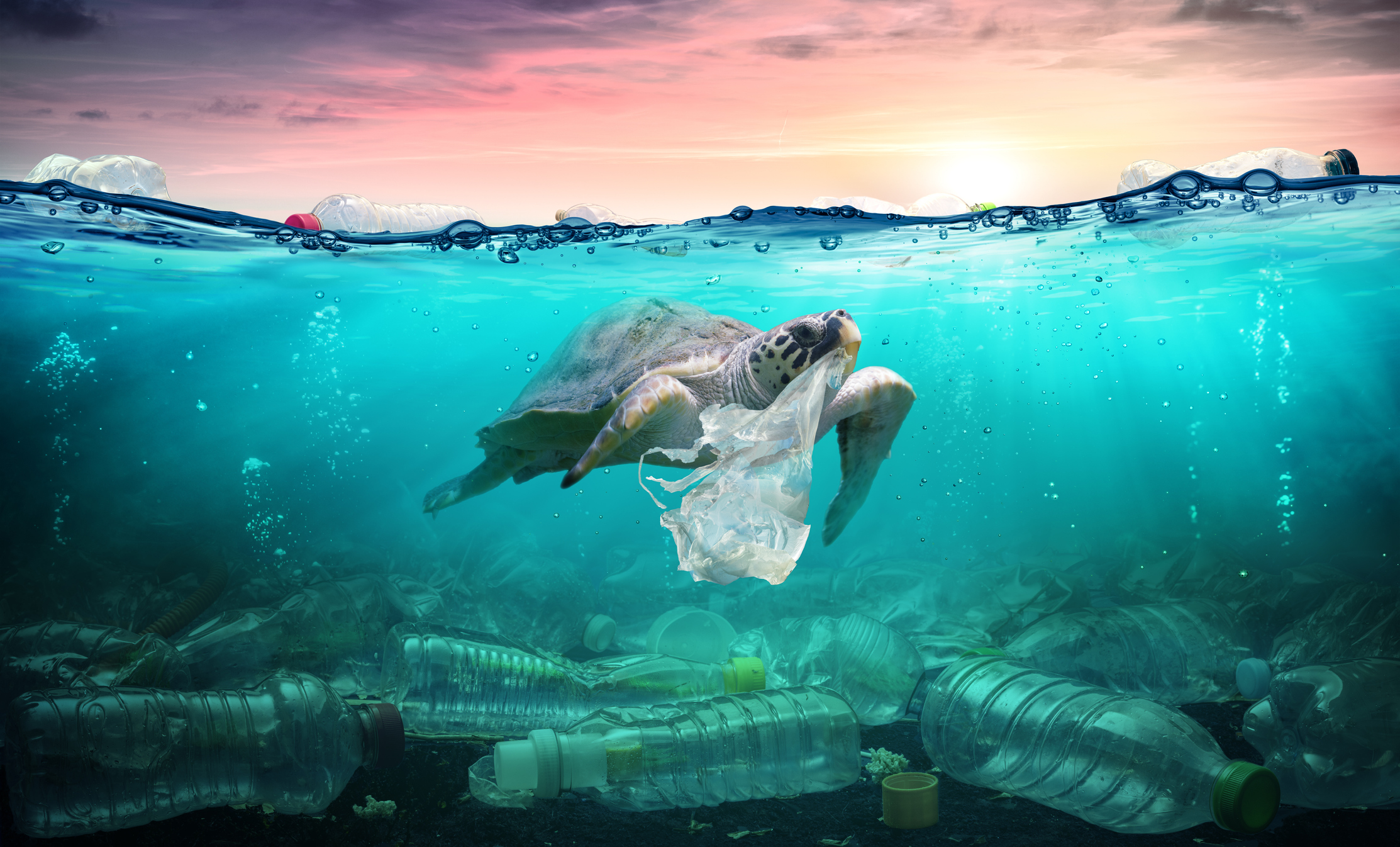
Learning objectives
This content is for subscribers only. Join for access today.
Success criteria
This content is for subscribers only. Join for access today.
National curriculum
Cross-curricular links
Before the lesson
This content is for subscribers only. Join for access today.
Lesson plan
Provide each pupil with a whiteboard and pen and ask them to draw a three-by-three grid.
Ask them to fill the grid with unique features of the four seasons (spring, summer, autumn and winter). Arrange the pupils in pairs to discuss ideas if they struggle to think of features.
- Take suggestions:
Animals hibernating, migrating and mating.
Animals storing food or animals feasting.
Eggs hatching.
Trees losing leaves, leaves budding and leaves changing colour.
Plants flowering.
Fruits ripening or seeds and nuts forming.
Temperature and daylight changes.
After the grids are completed, call out a season.
Select a volunteer to suggest a corresponding characteristic from the named season.
If the suggested characteristic is correct, any pupils with it should cross it out. (If it was incorrect, take another suggestion).
The game continues until a pupil crosses out three in a row (either vertically, horizontally or diagonally) and shouts, 'Bingo!'.
Keep playing for more winners.
This content is for subscribers only. Join for access today.
Adaptive teaching
Assessing progress and understanding
Vocabulary definitions