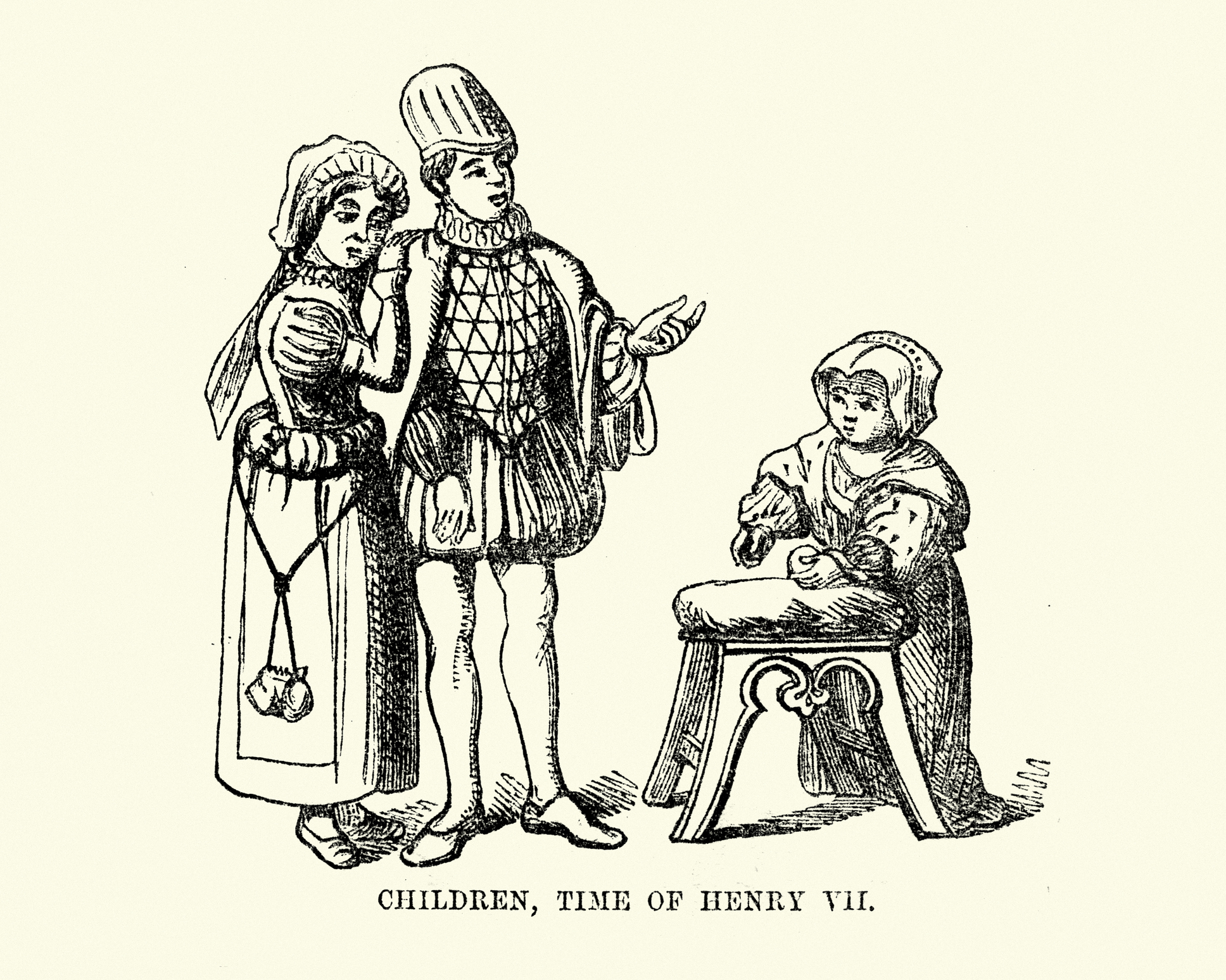
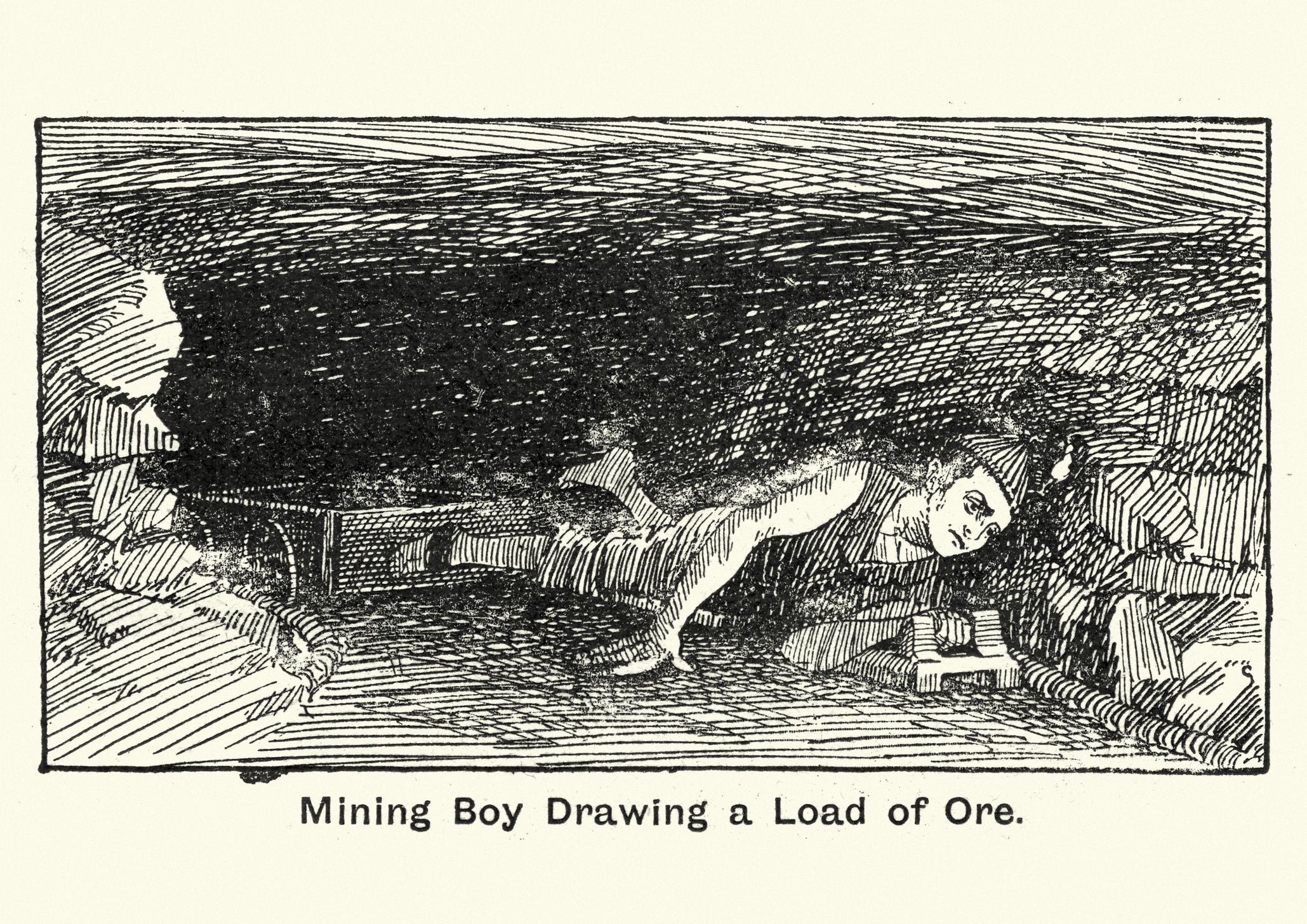
Lesson 1: What do sources tell us about how children's lives have changed?
Examining different sources to explore the changes in the lives of children over time.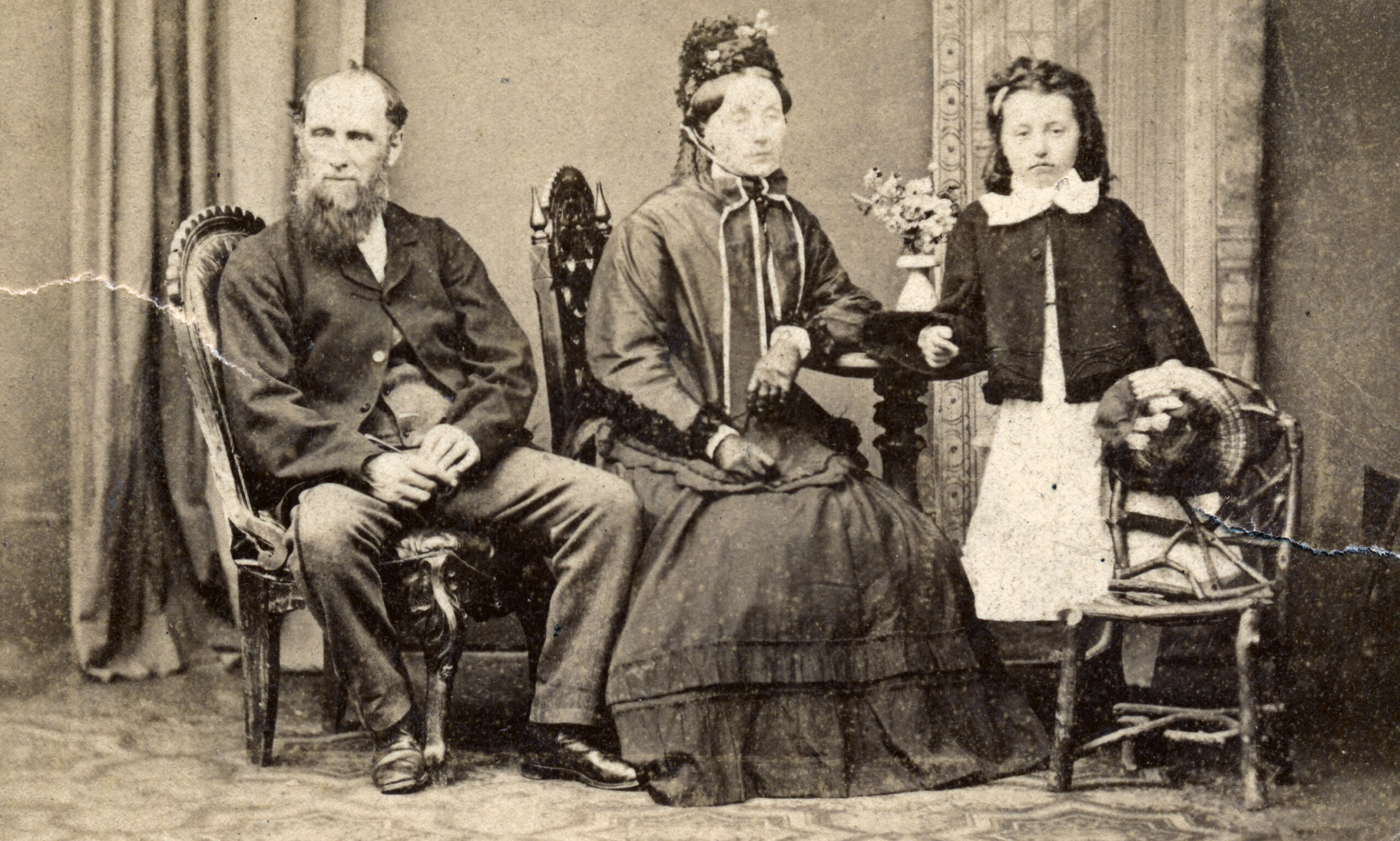
Learning objective
This content is for subscribers only. Join for access today.
Success criteria
This content is for subscribers only. Join for access today.
National curriculum
Cross-curricular links
Before the lesson
This content is for subscribers only. Join for access today.
Lesson plan
1. Lesson recap
Before starting this unit, you might want to check what the children can recall:
How historians learn about the past.
Examples of historical evidence they have come across.
The limitations of some historical evidence.
A simple chronology of mankind from the Stone Age to the Iron Age.
- The meaning of the terms change and continuity.
This content is for subscribers only. Join for access today.
Adaptive teaching
Assessing progress and understanding
Vocabulary definitions
In this unit
Assessment – History Y4: How have children’s lives changed?Lesson 2: Why did Tudor children work and what was it like?Lesson 3: What were children’s jobs like in Victorian England?Lesson 4: How did Lord Shaftesbury help to change the lives of children?Lesson 5: How and why has children’s leisure time changed?Lesson 6: What were the diseases children caught and how were they treated?Optional Remembrance lesson: How can we remember the children who were affected by war?
Created by:
Maintained by: Kapow Primary teamLast update: 1 July 2026