Lesson 1: Hermanos
Asking and responding to the question, 'Do you have any brothers or sisters?' and exploring language patterns.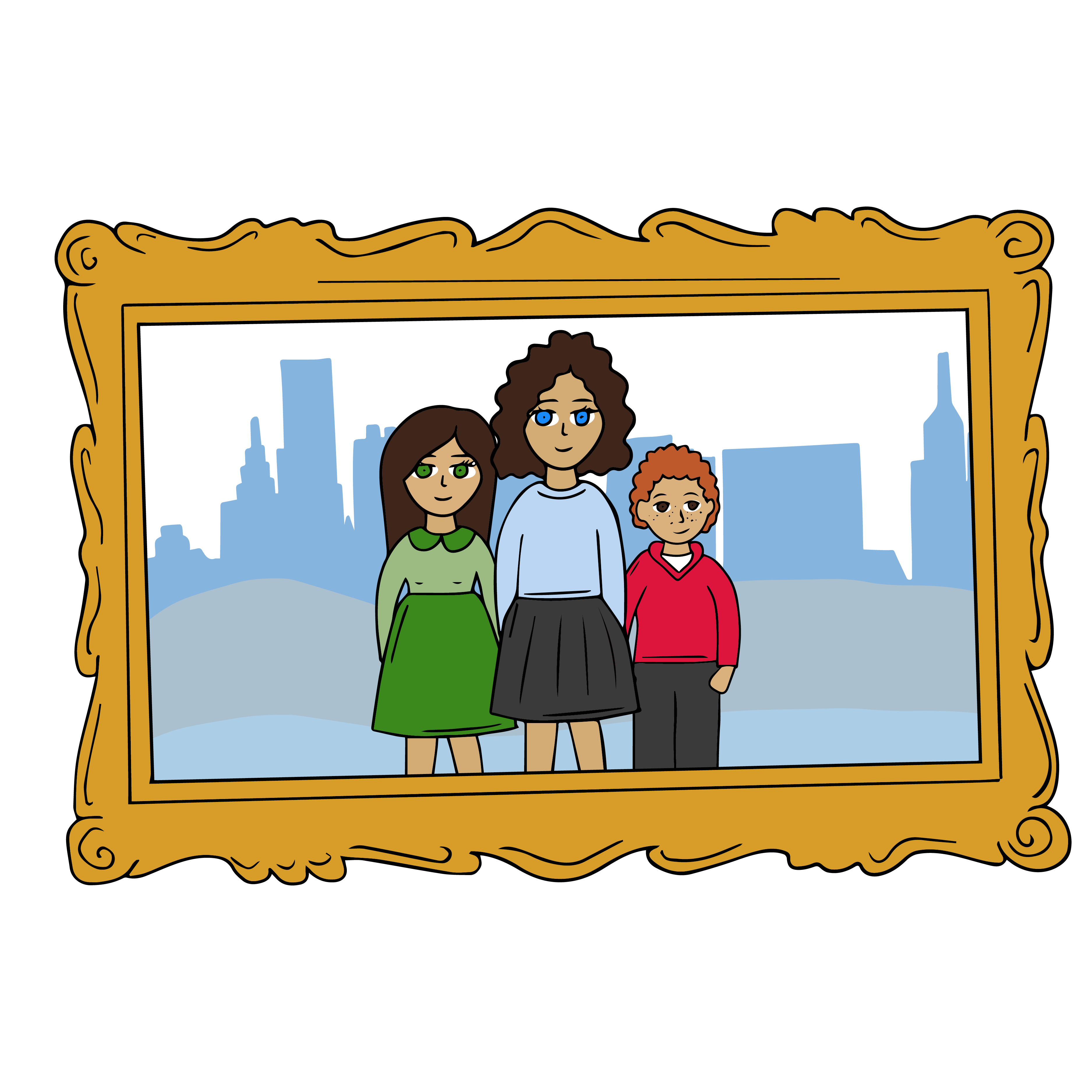
Learning objective
This content is for subscribers only. Join for access today.
Success criteria
This content is for subscribers only. Join for access today.
National curriculum
Cross-curricular links
Before the lesson
This content is for subscribers only. Join for access today.
Lesson plan
Before starting this unit, you might want to check the children can recall:
How to ask and answer the following questions giving basic information about themselves:
¿Cómo te llamas? – What is your name? Me llamo – My name is (see Spanish, Year 3, Greetings with puppets). ¿Cuántos años tienes? – How old are you? Tengo … años – I am … years old (see Spanish, Year 3, Numbers and ages). ¿Dónde vives? – Where do you live?Vivo en – I live in (see Spanish, Year 3, Where do you live in Spain?). ¿Tienes una mascota? - Do you have a pet? Tengo un - I have a (see Spanish, Year 4, Pets in Spanish).
- How to say dates. For example: Es el 5 de octubre - It is the 5th of October (see Spanish, Year 4, Dates in Spanish).
- Vocabulary about birthdays and birthday celebrations: mi/tu cumpleaños - my/your birthday, una fiesta - a party, una piñata - a piñata (see Spanish, Year 4, Dates in Spanish).
- The following verbs: bailar - to dance, cantar - to sing, comer - to eat, escuchar música - to listen to music, hacer - to do or make, dibujar - to draw (see Spanish, Year 4, Spanish celebrations).
- How to ask and answer questions about what you like to do: ¿Qué te gusta hacer? - What do you like to do? Me gusta - I like (see Spanish, Year 4, Spanish celebrations).
This content is for subscribers only. Join for access today.
Adaptive teaching
Assessing progress and understanding
Vocabulary