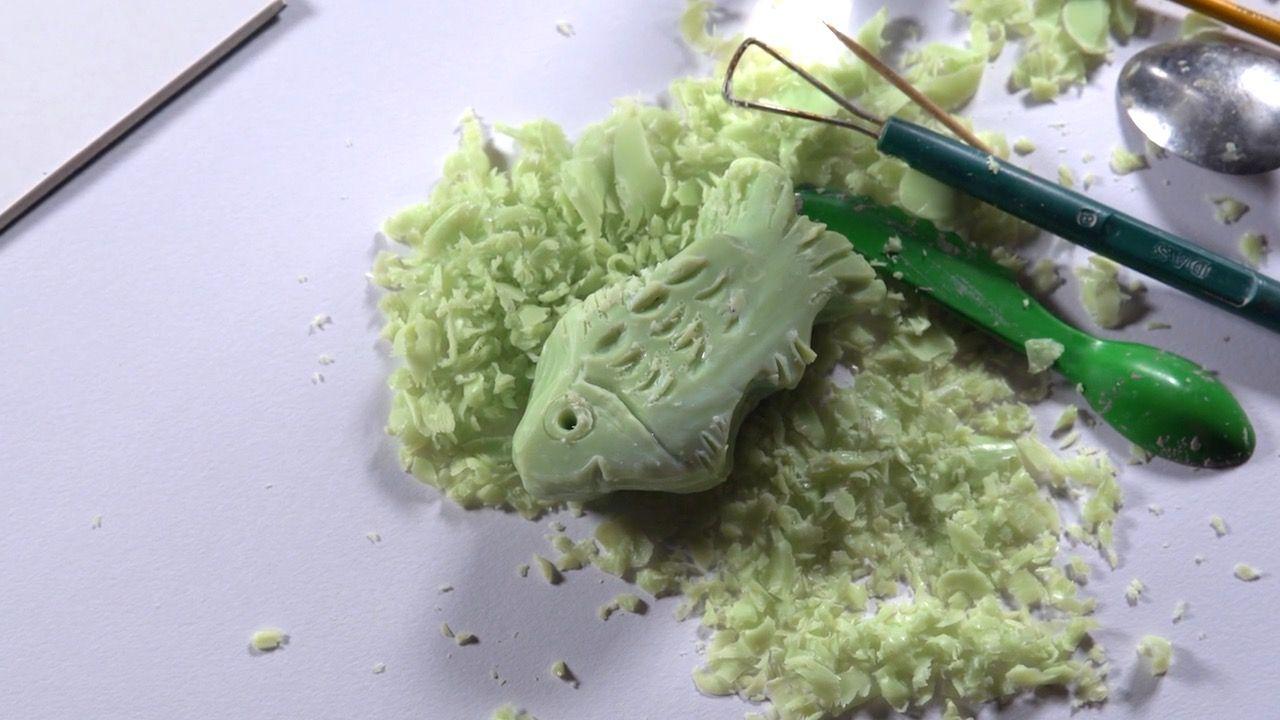
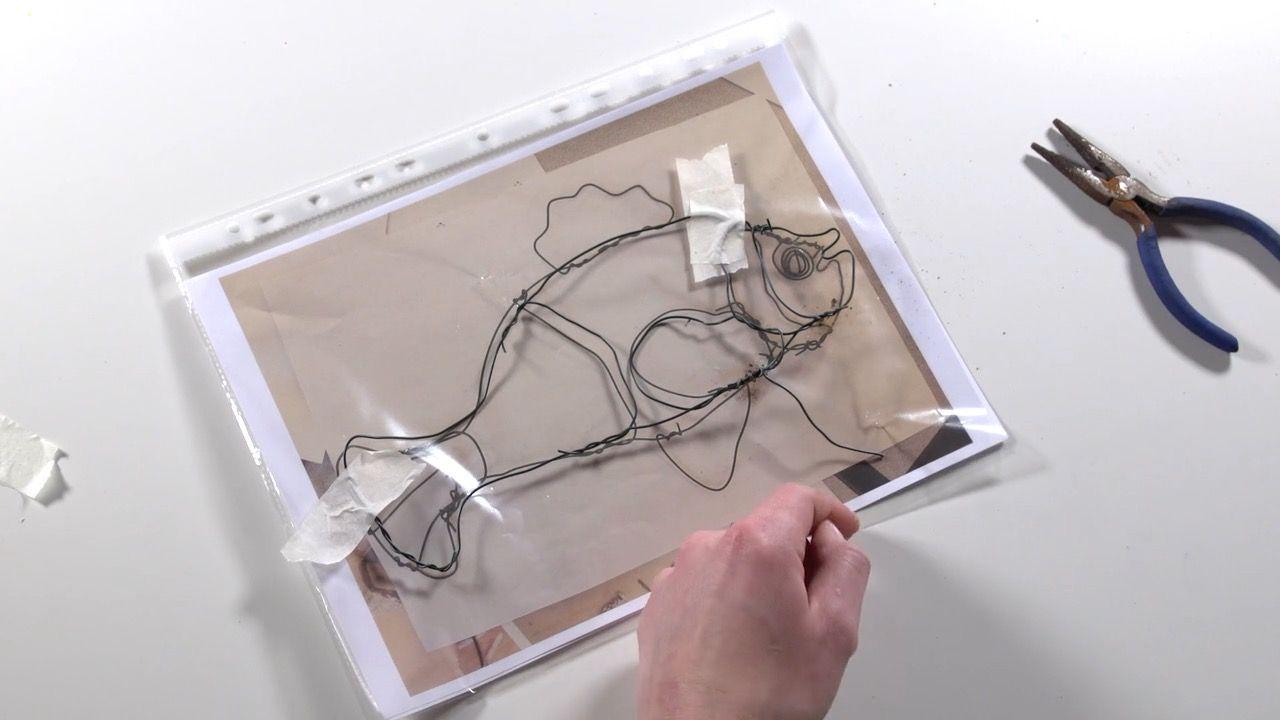
Lesson 1: From 2D to 3D
By playing around with shapes, artist Magdalene Odundo creates ideas for her ceramic pots, and children work in the same way, with space around them, using chalk and their whole bodies to make long sweeping arm movements.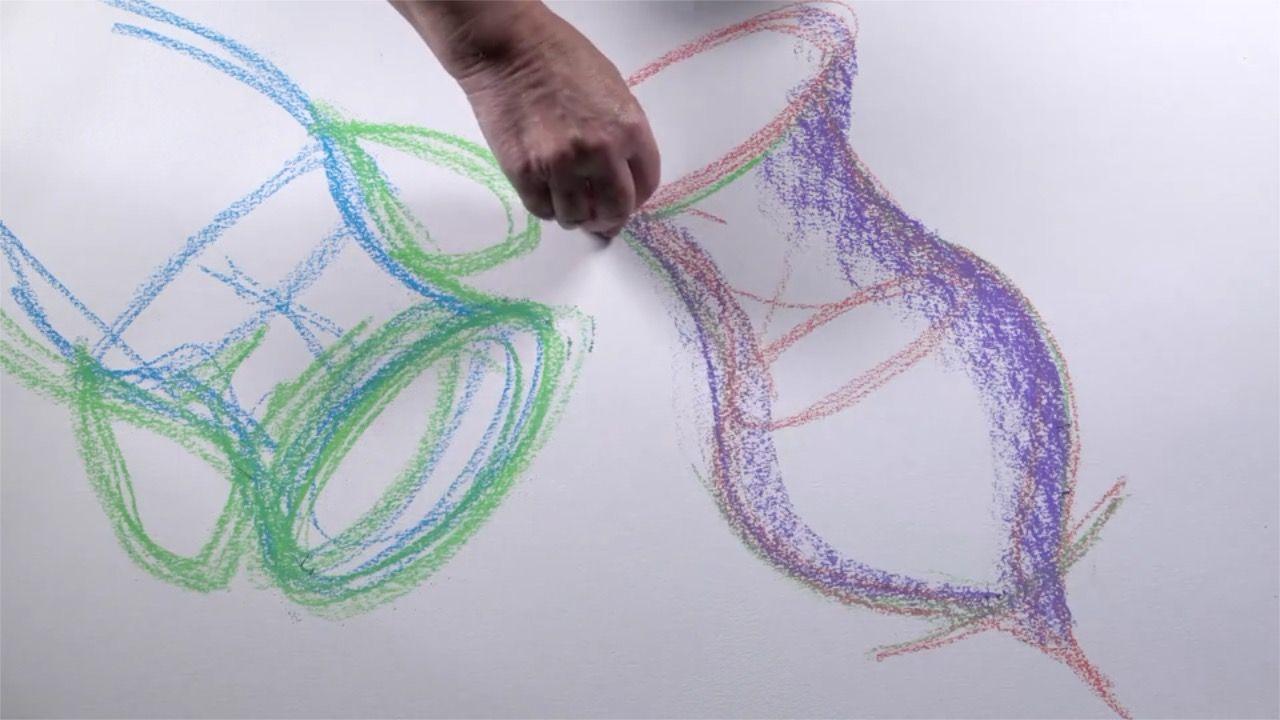
Learning objective
This content is for subscribers only. Join for access today.
Success criteria
This content is for subscribers only. Join for access today.
National curriculum
Cross-curricular links
Before the lesson
This content is for subscribers only. Join for access today.
Lesson plan
Before starting this unit, ensure pupils can recall the vocabulary and meaning of techniques to create 3D forms, such as:
Rolling.
Simple folding and concertina folding.
Bending.
Give each child a piece of paper and ask them to demonstrate their knowledge practically by transforming their paper from 2D to 3D form using a technique they remember.
This content is for subscribers only. Join for access today.
Adaptive teaching
Assessing progress and understanding
Vocabulary
Example work
This content is for subscribers only. Join for access today.
Susan is an educator, artist and an active advocate and well-known champion of art craft and design education. Her roles include: Secretary to the All-Party Parliamentary Group on Art, Craft, Design Education, Past President, and now Honorary Fellow of the National Society for Education in Art & Design (NSEAD), World Councillor (representing Europe) for the International Society of Education through Art (InSEA), and an Associate of the Big Draw. When Susan isn’t sharing her passion for the arts, she loves photography, making her own art, absorbing culture and travel.
Susan designed our free lesson on Clacton Pigeon Mural by Banksy as well as many others in our Art & Design subject.
Find out more