


RSE & PSHE curriculum
This page is designed for RSE & PSHE subject leaders to:
- View Kapow Primary’s 2026 RSE & PSHE curriculum in one convenient place.
- Discover the rationale behind the RSE & PSHE curriculum.
- Find relevant information to support leading RSE & PSHE.
RSE and PSHE scheme
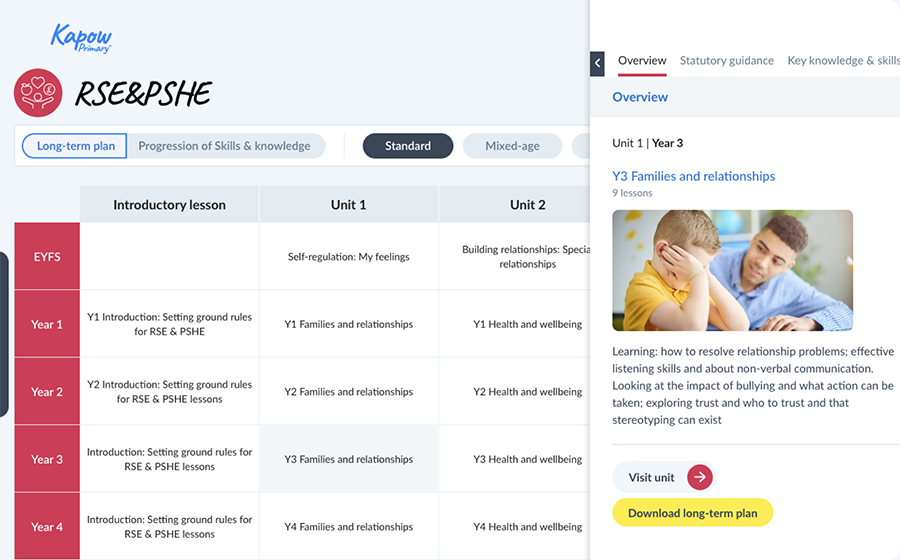
Click the image above to visit the RSE & PSHE portal for long-term plans, curriculum information and more.
1. Intent
This section sets out the overarching curriculum plan, structure and sequence, and the knowledge and skills pupils will develop.

Curriculum aims
What is PSHE & RSE?
PSHE stands for Personal, Social, Health and Economic Education. RSE stands for Relationships and Sex Education. Schools may use different names for these subjects: RSE may be referred to as RSHE when health education is included; similarly, PSHE may be referred to as PSHCE when citizenship is included.
The Kapow Primary RSE & PSHE scheme covers the full breadth of learning pupils need to stay healthy, safe and prepared for life. This includes:
- Personal.
- Social.
- Health.
- Economic.
- Relationships.
- Citizenship.
- Sex education (optional).

Why is RSE & PSHE important?
RSE & PSHE education helps pupils maintain their mental and physical health and understand the various factors that influence their wellbeing. They learn how to build strong and supportive relationships, how to keep themselves safe in various situations and how to make thoughtful decisions about money, health and the online world.
Pupils may receive mixed messages about these topics from friends, siblings, social media and the wider world. High-quality RSE & PSHE ensures every child receives clear, accurate and age-appropriate teaching so they can make safe and informed choices as they grow.
Statutory and non-statutory guidance
Relationships and health education statutory guidance
The new RSE & PSHE scheme for Years 1-6 has been rewritten to meet the 2025 Relationships and sex education (RSE) and health education statutory guidance, which schools must follow from September 2026.
This is not just an update to the previous scheme but a thorough redevelopment to ensure every element meets the expectations set out in the new guidance. The Reception units will be refreshed but will remain broadly the same, continuing to fulfil the statutory requirements of the Early Years Foundation Stage Framework.
To see where the statutory guidance is met across the scheme, refer to our Statutory guidance coverage document. For individual units, use the curriculum portal and click on the relevant unit to see which statutory statements it targets.
Additional guidance
RSE & PSHE is the subject that most directly supports pupils’ personal development. As a result, a wide range of statutory and non-statutory guidance informs best practices. Subject and school leaders may want to consider how their RSE & PSHE curriculum supports them in meeting the following:
Statutory guidance
- Relationships and sex education (RSE) and health education statutory guidance.
- The Equality Act 2010, including duties relating to protected characteristics.
- Keeping children safe in education.
Non-statutory guidance and frameworks
- Teaching online safety in schools.
- Promoting fundamental British values through SMSC.
- Citizenship programmes of study: Key stages 1 and 2 (non-statutory).
Together, these documents outline the expectations for helping pupils stay safe, understand themselves and others, develop healthy relationships and become responsible members of their school and wider community.
In addition to this guidance, Ofsted considers how well schools support pupils’ personal development. Inspectors assess how the curriculum promotes wellbeing, healthy relationships, online safety, citizenship and pupils’ wider personal development.
While Ofsted does not issue subject-specific guidance for RSE & PSHE in the same way it does for many other subjects, such as through published research reviews, the personal development and wellbeing sections of the school inspection toolkits set out the standards schools are expected to meet.
Kapow Primary’s scheme ensures that statutory RSE & PSHE content is taught in full, supporting the wider work schools do across the curriculum to develop pupils’ personal development. It also takes into account the statutory and non-statutory guidance outlined above, with mapping documents provided to show how this guidance is covered across the scheme.
To see where the RSHE and EYFS statutory guidance is met across the scheme, refer to our Statutory guidance coverage document.
To see how the Kapow Primary RSE and PSHE scheme supports pupils’ personal development, including their spiritual, moral, social and cultural development and understanding of British values, refer to British values, SMSC, PD and Protected characteristics mapping.

Citizenship
Citizenship education is currently non-statutory in primary schools, although there is a recommended Programme of study that schools can choose to implement.
However, the recent Curriculum and assessment review final report recommends that citizenship should be added to the National curriculum in the next iteration due in 2028. The Government have accepted the recommendation.
Kapow Primary’s RSE & PSHE curriculum already includes citizenship lessons (including financial literacy) and will be updated to meet the new guidance released in 2027.

A broad and balanced curriculum
Strands and key areas
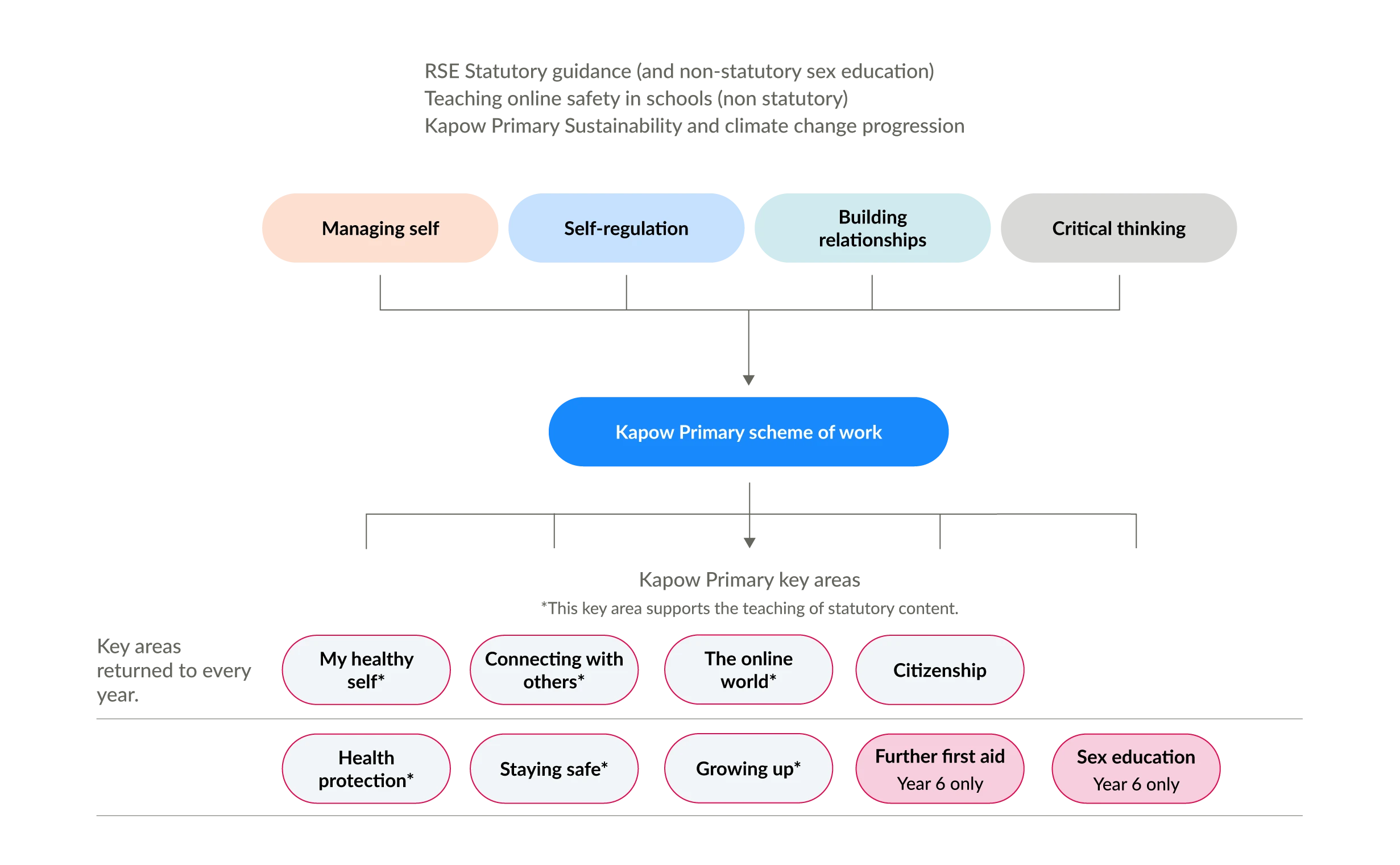
The scheme is organised into strands and key areas to ensure a broad and balanced curriculum.
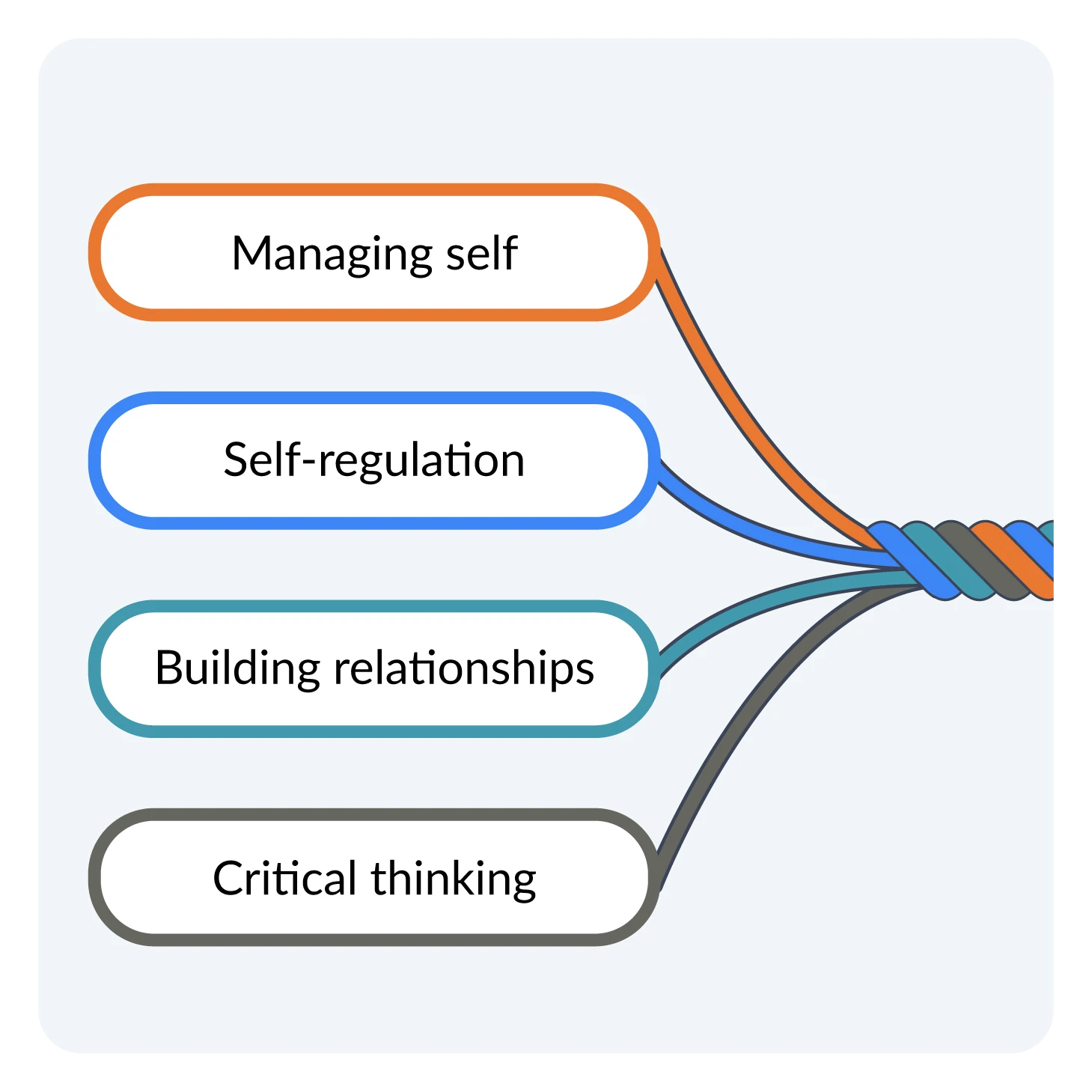
Key areas group learning into meaningful themes and ensure that all statutory content is covered. The strands weave throughout all units, demonstrating how pupils develop lifelong skills in managing themselves, regulating their emotions, building positive relationships and thinking critically.
Together, the strands and key areas help pupils revisit important ideas over time, building their confidence and understanding in a structured way.
Key areas
Some key areas are revisited each year, while others are revisited less frequently to reflect the volume of content in the statutory guidance and ensure learning is age-appropriate.
In Year 6, teachers can choose between the First aid unit or the Sex education unit, both of which are non-statutory and build on previous learning.
My healthy self
Learning how to look after their mental and physical health and make choices that support their wellbeing.
Connecting with others
Learning how to build positive relationships, communicate with respect and understand the importance of kindness and boundaries.
The online world
Learning how to use the internet safely, recognise risks and behave responsibly when communicating or accessing information online.
Citizenship (non-statutory)
Learning how to take part in their communities, understand rules, rights and responsibilities, appreciate diversity and fairness and develop early financial literacy.
Staying safe
Learning how to recognise risks, respond safely in different situations and seek help when something feels wrong or unsafe.
Growing up
Learning about the changes that happen as they grow, including puberty and developing bodies and how to manage these changes with confidence.
Health protection
Learning how to prevent illness, manage basic first aid and understand how hygiene, vaccines and healthy habits help keep people well.
Y6 Sex education (non-statutory)
Building on the growing up units, pupils learn accurate, age-appropriate information about human reproduction to support their understanding as they approach adolescence.
Y6 First aid (non-statutory)
Building on the health protection units, pupils learn how to recognise emergencies and use basic first aid skills to keep someone safe until help arrives.
Strands
The strands show how pupils’ personal and social skills develop over time. They are drawn from the EYFS statutory framework, with the addition of critical thinking. They run through every key area, helping pupils learn to regulate their emotions, manage themselves, build positive relationships and think critically. This allows them to make thoughtful, informed choices as they grow.
Self-regulation
Learning to recognise and manage pupils' emotions, thoughts and behaviour so they can respond calmly and make considered choices.
Managing self
Learning to take increasing responsibility for pupils' own behaviour, routines and decisions to support their wellbeing and independence.
Building relationships
Learning how to form positive, respectful relationships by communicating kindly, understanding others and setting healthy boundaries.
Critical thinking
Learning to ask questions, consider different viewpoints and make informed, thoughtful decisions in a world where information is not always reliable.
Progression
Progression
The RSE & PSHE: Progression of skills and knowledge shows how learning develops across each phase, both within the key areas and across the strands. It demonstrates how pupils build the knowledge, understanding and skills required to meet the statutory outcomes by the end of EYFS and the end of primary school.
Learning builds progressively across the key areas of My healthy self, Connecting with others, The online world, Staying safe, Health protection, Citizenship and Growing up, with optional units on Sex education and First aid in Year 6. Within these key areas, pupils revisit important knowledge and concepts with increasing depth and maturity.
Alongside this, the strands of self-regulation, managing self, building relationships and critical thinking show how pupils’ personal and social skills develop from Reception to Year 6, supporting them to make thoughtful, informed choices and to thrive in school and beyond.

Spiral curriculum
Kapow Primary’s RSE & PSHE curriculum has been designed as a spiral curriculum with the following key principles in mind:
- Cyclical – pupils revisit RSE & PSHE knowledge and skills across the key areas throughout their time in primary school.
- Increasing depth – each time a theme within a key area is revisited, it is explored with greater maturity and complexity.
- Prior knowledge – pupils build on what they have already learned, making connections rather than starting again.

Types of knowledge
Types of knowledge
There is no Ofsted subject research review or subject report for RSE or PSHE; instead, schools follow the Statutory guidance for Relationships and Health Education, which outlines the knowledge, understanding and skills pupils should develop, including factual content, strategies and opportunities for reflection and personal development.
Schools are often asked to explain the different types of knowledge pupils develop within a subject. The terms substantive, personal and disciplinary knowledge are used to support this, drawing on wider curriculum language to describe the forms of learning that pupils acquire.
Substantive knowledge
Substantive knowledge refers to the core facts, concepts and statutory content that pupils are expected to know and understand.
In RSE & PSHE, this is organised through key areas and includes:
- How families and friendships function and what respectful relationships entail.
- The physical and emotional changes that occur during puberty.
- Strategies for maintaining good mental and physical health, including sleep, diet, exercise and managing emotions.
- Safety knowledge, including first aid, online safety and the risks associated with substances.
- The rights of children and the responsibilities of citizens.

Personal knowledge
Personal knowledge refers to pupils’ growing awareness of themselves, their feelings, values and identities.
It develops as pupils learn to recognise and name emotions, understand and respect personal boundaries and reflect on how experiences and relationships shape who they are.

Disciplinary knowledge
In RSE & PSHE, disciplinary knowledge does not refer to a single subject discipline in the way it does in other subjects. Instead, it reflects how pupils learn to understand where guidance about health, wellbeing, relationships and safety comes from and how to judge its reliability.
At Kapow Primary, disciplinary knowledge in RSE & PSHE is understood as learning to question information, recognise evidence-based advice and distinguish fact from opinion. This is developed primarily through the critical thinking strand, which supports pupils to make informed and responsible decisions.

Wider knowledge and skills
Digital literacy
Digital literacy is embedded throughout the scheme. Pupils learn how to use technology safely and responsibly, make informed choices online and understand how their digital behaviour affects themselves and others.
When used alongside Kapow Primary’s Computing curriculum, the scheme supports coverage of the expectations in Education for a connected world and aligns with the Teaching online safety in schools guidance.
While technical skills are taught elsewhere, RSE & PSHE supports pupils to develop the judgement, awareness and respectful behaviour they need to navigate online spaces with confidence.

Oracy
Kapow Primary’s RSE & PSHE curriculum gives pupils regular opportunities to develop their oracy skills.
Pupils discuss scenarios, share ideas and explain their thinking using key vocabulary. They role-play situations such as asking for help or being assertive and are encouraged to consider how tone of voice, volume and body language support their message.
Pupils ask and answer questions, express their opinions in a respectful and thoughtful way and collaborate in pairs or groups. They also practise summarising key information, helping them communicate clearly and confidently in a range of personal and social contexts.
Sustainability
Through the Citizenship key area, pupils explore environmental awareness as part of their rights and responsibilities within the wider community. Lessons highlight how caring for the planet is connected to caring for others, encouraging empathy, activism and a shared sense of global citizenship.
Across Kapow Primary, sustainability is also supported through the Sustainability: Progression of knowledge and skills document. This framework ensures that learning on sustainability and climate change is progressive, purposeful and integrated across subjects. As a result, pupils develop a clear understanding of their role in protecting the world around them.

Critical thinking and media literacy
Critical thinking is a key strand of the RSE & PSHE curriculum. Through discussion, questioning and exploring scenarios, pupils consider different viewpoints, recognise fairness, spot pressure and judge whether something feels right or safe. This enhances their understanding that health, safety and wellbeing guidance is based on evidence, expertise and law.
Pupils develop media and information literacy by questioning packaging claims in My healthy self units, thinking carefully about people’s intentions when they offer gifts or attention and learning to understand medical information.

Personal development in RSE & PSHE
SMSC
RSE & PSHE gives pupils regular opportunities to explore different perspectives, reflect on ethical and emotional issues and think about what is right and fair. Pupils collaborate with others, build positive relationships and learn to value and respect people from different backgrounds, families and cultures.
It is important to note that SMSC development does not occur solely through RSE & PSHE but is woven throughout the entire curriculum and the wider life of the school. Kapow Primary supports this whole-school approach by mapping where SMSC opportunities appear across all covered subjects. See our British values, SMSC, Personal development and Protected characteristics mapping document.

British values
The scheme promotes and explicitly teaches the British values of: Individual liberty, Mutual respect, Democracy, The rule of law and Tolerance of those with different faiths or beliefs.
Pupils learn to listen to and respect differing opinions, understand why rules and laws keep people safe, recognise their rights and responsibilities and value the beliefs and lifestyles of others. Lessons encourage debate, fairness and an understanding of how communities function, helping pupils develop into thoughtful, respectful and active citizens.
It is important to note that British values should not be taught solely through RSE & PSHE. They should be embedded throughout the entire curriculum and reflected in the school’s ethos and culture. Kapow Primary supports this wider approach by showing where British values are promoted in the cross-curricular section of each lesson plan and across all covered subjects.
See our British values, SMSC, Personal development and Protected characteristics mapping document to see how these areas are covered across the scheme.
Cultural capital
Schools build cultural capital by giving pupils experiences and knowledge they may not otherwise encounter, helping to prepare them for life beyond school. RSE & PSHE contributes to pupils’ cultural capital by giving them the essential knowledge and skills they need to participate confidently in society.
Pupils learn about different families and communities, how democratic and social structures function and how to communicate and interact respectfully with others. They develop the vocabulary and social understanding needed to navigate relationships, make informed choices and engage with the wider world.
EYFS (Reception)
Continuity of learning
The scheme supports a smooth transition from EYFS into KS1 by building on how young children learn in Reception. EYFS lessons use open prompts, stories and guided conversation to help pupils name feelings, talk about their experiences and begin to understand how others might feel.
Teachers observe pupils’ responses to assess understanding, noticing whether pupils can recognise emotions, explain their thinking or relate situations to their own lives. This approach reflects the EYFS characteristics of effective learning, which emphasise active engagement, exploration and early critical thinking.
As pupils move into KS1, the scheme introduces more structured discussion, reflection and simple decision-making, helping pupils draw on these early habits of learning while gradually adapting to more formal approaches.

Building on early experiences
The scheme ensures that early social and emotional learning forms the foundation for later RSE & PSHE.
During EYFS (Reception), pupils begin to develop the core dispositions within the three strands of personal, social and emotional development: self-regulation, managing self and building relationships. These strands continue through KS1 and KS2, helping pupils revisit ideas with increasing maturity and independence.
This structured progression supports pupils as they move towards more complex decision-making, stronger relationship skills and greater personal responsibility.

Inclusion and diversity
Inclusion and diversity
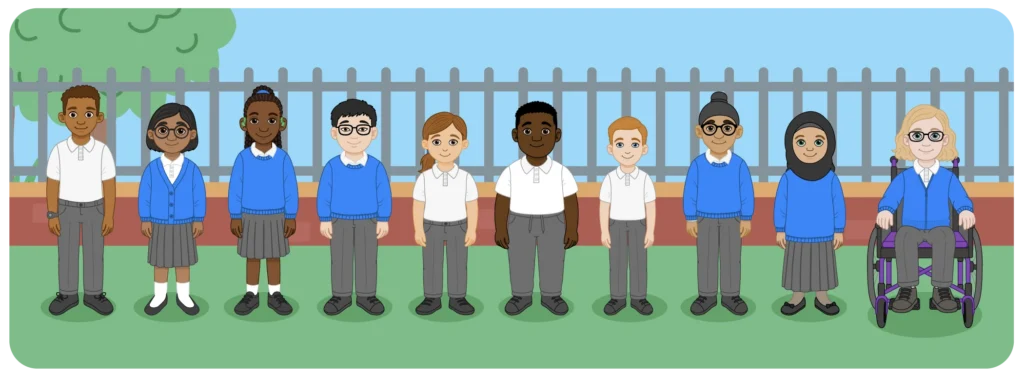
Kapow Primary’s RSE & PSHE scheme has been designed to reflect the diversity of modern society, ensuring all pupils feel respected and represented. Lessons include scenarios featuring a wide range of characters and perspectives, allowing pupils to encounter different cultures, family structures, household situations, neurotypes and economic backgrounds.
This approach helps pupils recognise that everyone’s circumstances are different and encourages them to treat others with understanding and respect.
Across the scheme, care has been taken to avoid stereotypes and ensure that resources portray people and communities in a respectful and accurate manner. When distancing techniques are used, pupils follow a consistent set of diverse characters who grow older alongside them, helping pupils develop familiarity and empathy as they explore situations together.
Expert consultation
In developing the RSE & PSHE scheme, Kapow Primary’s RSE specialists worked with a range of consultants to ensure authentic and respectful representation. This included input from inclusion and diversity consultants, historians and school leaders, who advised on how different identities, backgrounds and experiences are portrayed. Their guidance especially helped shape the Kapow characters to reflect our society in thoughtful, age-appropriate ways, while avoiding stereotypes and supporting pupils to build understanding, empathy and respect for all.
2. Implementation
This section outlines how the RSE & PSHE curriculum is taught, including teaching strategies, activities and the use of resources. It also includes details on how the curriculum can be adapted to suit your school and cohort.
Timetabling
Kapow Primary recommends teaching RSE & PSHE for 45 minutes per week. This allows sufficient time to meet the DfE’s Relationships Education, Relationships and Sex Education (RSE) and Health Education guidance. This recommendation is also informed by market research, which shows that many schools structure their RSE & PSHE provision in this way.
In addition to discrete lessons, RSE & PSHE learning is often reinforced through day-to-day school life. Teachers will naturally revisit and apply their learning in response to real-life situations that arise, such as issues on the playground, in the classroom or during discussions, helping pupils to make meaningful links between taught content and real experiences.
Consulting parents
Requirements
The RSHE statutory guidance requires schools to:
- Consult parents when developing and reviewing their RSE curriculum.
- Be open and transparent about what is taught, when it is taught and how it is taught.
- Clearly explain the distinction between relationships education and sex education.
- Inform parents of their right to request withdrawal from elements of sex education, where applicable.
- Make curriculum information and materials available to parents on request.
- Support clear communication that helps parents understand how RSE contributes to pupils’ wellbeing and safeguarding.
How Kapow Primary can help
Kapow Primary supports schools by:
- Providing a clear, detailed and carefully sequenced RSE & PSHE curriculum that is less open to interpretation and easier for schools to explain to parents.
- Providing curriculum mapping that shows how knowledge and skills build over time and how learning across units meets the statutory guidance, supporting schools to explain curriculum choices with confidence.
- Including a dedicated, non-statutory sex education unit, making it clear which content parents can choose to withdraw from.
- Offering a dedicated parent information page (Parent zone) that schools can share with families.
- Supporting schools to align the scheme with their RSHE policy.
- Helping schools share curriculum materials with parents when requested.
- Providing guidance that supports consultation and confident, consistent communication with parents and carers.

CPD
Continuing professional development
High-quality CPD is particularly important in RSE & PSHE, where teacher confidence, shared language and awareness of sensitive issues directly affect the implementation of the planned curriculum.

Teachers
Kapow Primary supports teachers in delivering RSE & PSHE through clear, practical CPD that builds confidence and subject understanding.
Bitesize CPD videos are designed to be watched before teaching, supporting teachers to feel prepared and informed when delivering sensitive or complex content, while still using their professional judgement to adapt lessons to their class and context.
Kapow Primary also provides webinars for more in-depth support in areas that schools often find challenging, such as sex education. These sessions aim to upskill teachers, strengthen subject knowledge and support consistent, policy-aligned practice across the school, rather than prescribing exactly how lessons must be taught.

Subject leaders
Leading RSE & PSHE can be challenging. The subject is shaped by a wide range of statutory and non-statutory guidance. Kapow Primary supports subject leaders by providing clear documentation and mapping to show where these requirements are covered across the scheme.
In addition, subject leaders are supported through dedicated subject leader videos, podcasts and webinars, designed to build expertise and provide deeper guidance on specific areas of RSE & PSHE.
A key benefit of using Kapow Primary is the confidence it provides in implementation. Subject leaders can be assured that all staff are teaching lessons that align with the planned curriculum and school policy, supported by CPD videos and Teacher knowledge sections within each lesson.
Additionally, Kapow Primary helps schools develop whole-school PRSE & PSHE policies, as well as in communicating effectively with parents. A dedicated parent section on the website can be shared with families, along with guidance to support consultations and conversations about RSE & PSHE.

Preparing for lessons - Before the lesson
Watch
View teacher CPD videos and pupil videos in one place. The videos relate directly to the teaching and learning in the lesson or unit.
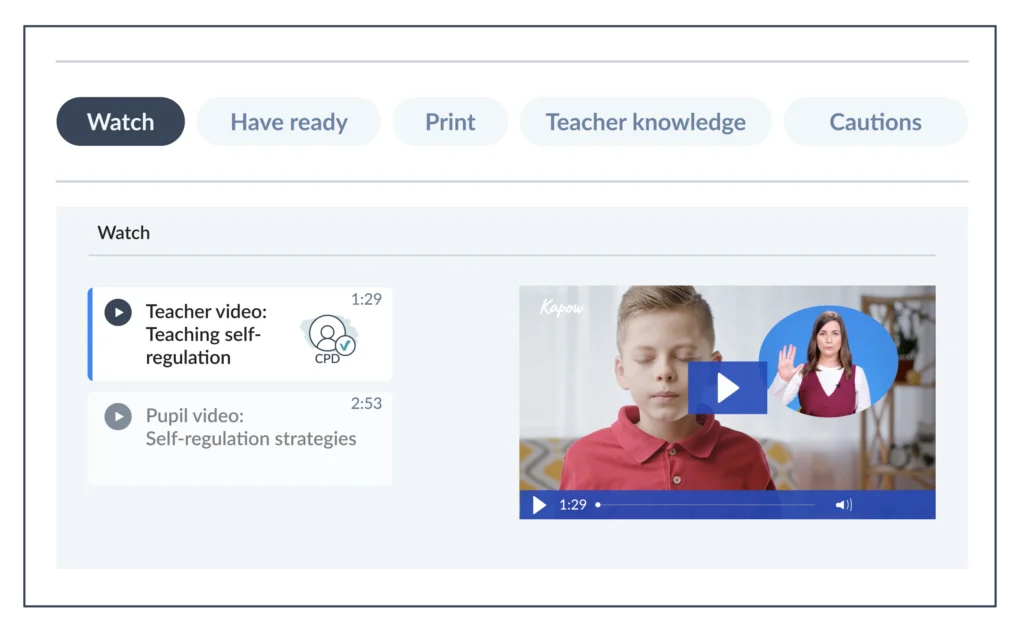 For illustrative purposes only – the exact ‘Before the lesson’ sections vary between lessons.
Have ready
Prepare for each lesson using a list of the suggested presentations, materials, items or links.
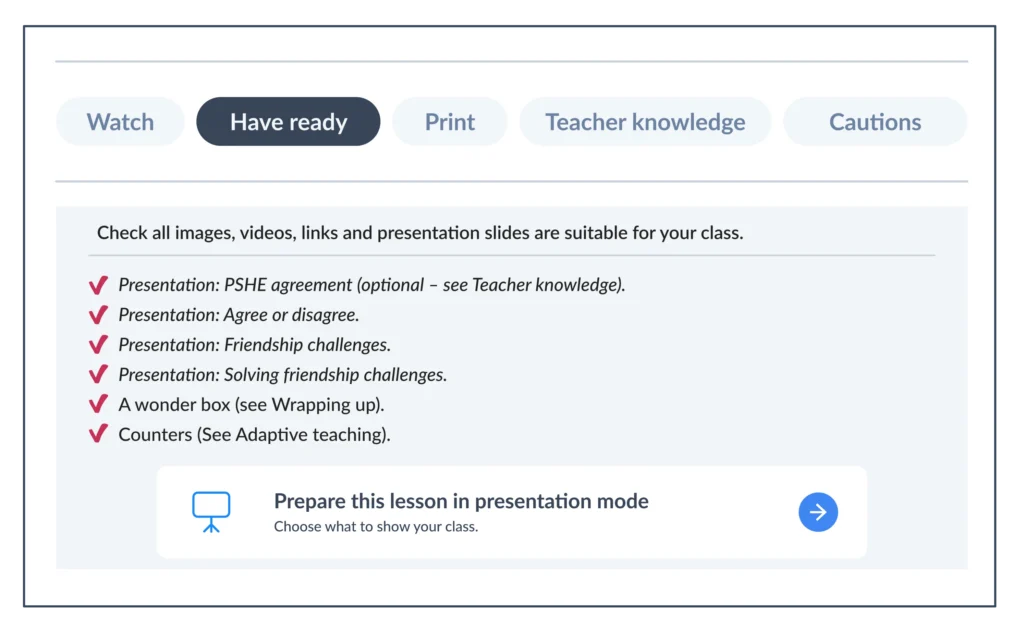 For illustrative purposes only – the exact ‘Before the lesson’ sections vary between lessons.
Printable resources for each lesson are grouped in this section so they can be located easily. Resources are also clearly stated at the point of use in each lesson plan.
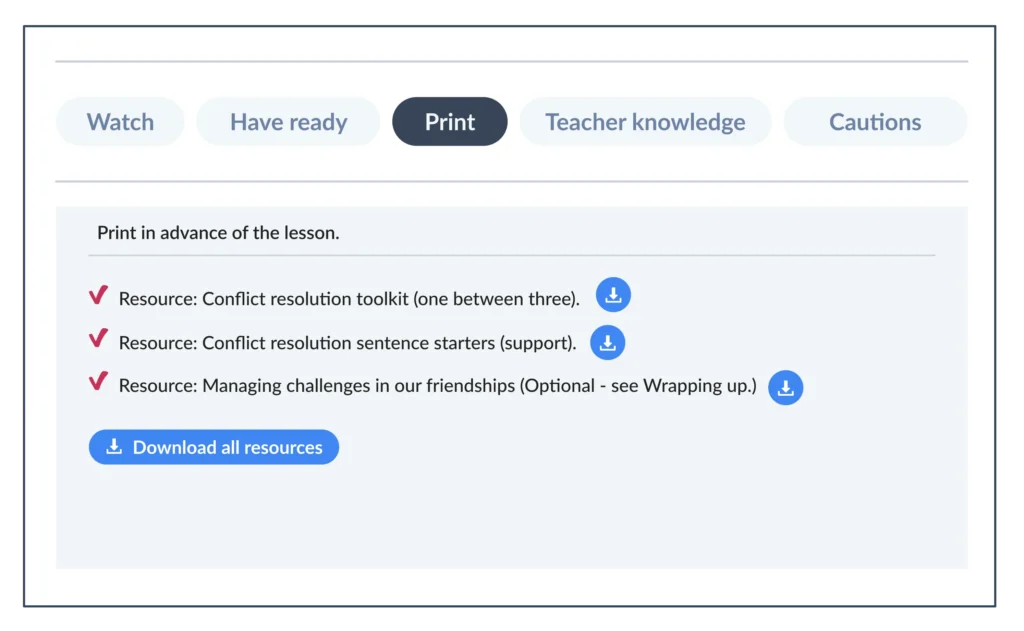 For illustrative purposes only – the exact ‘Before the lesson’ sections vary between lessons.
Teacher knowledge
View teacher knowledge at a glance relevant to the particular lesson. This includes tips on lesson organisation, common misconceptions and additional subject knowledge to help teach tricky concepts with confidence.
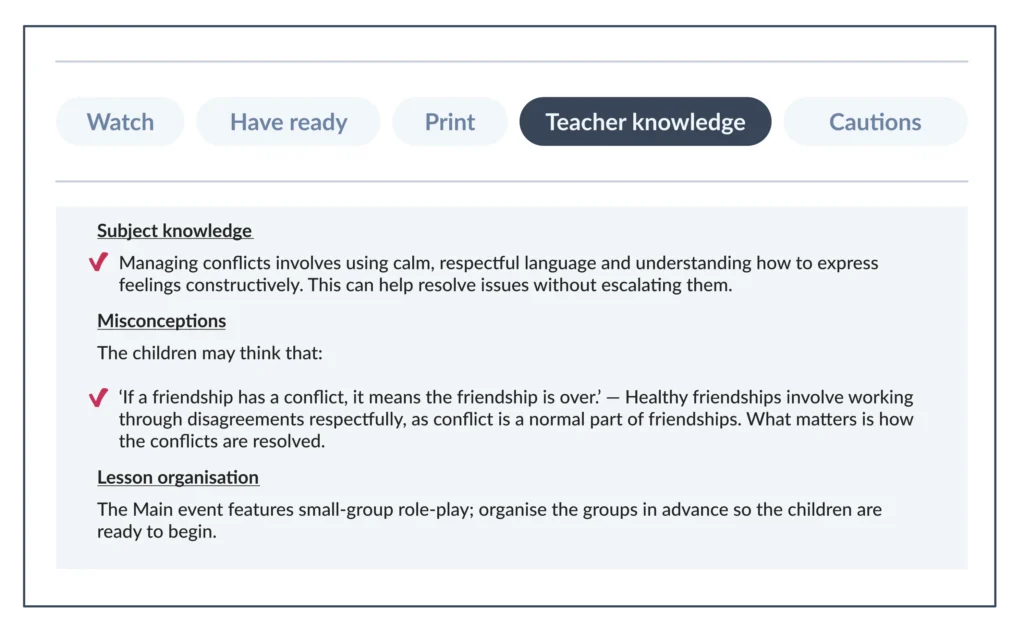 For illustrative purposes only – the exact ‘Before the lesson’ sections vary between lessons.
Cautions
This section highlights parts of the lesson that may require careful handling or are particularly relevant for a specific cohort. Background information and suggested guidance are provided to help navigate lessons that may include potentially sensitive topics.
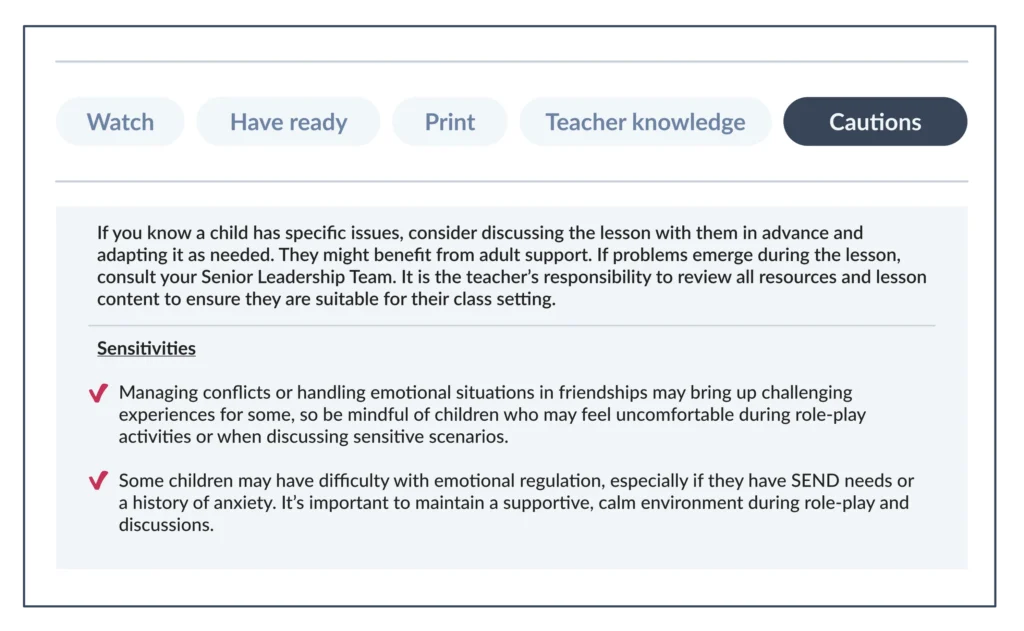 For illustrative purposes only – the exact ‘Before the lesson’ sections vary between lessons.
Unit structure
Units of lessons
In Kapow Primary’s RSE & PSHE curriculum, a unit is a half-term block of learning. There is one unit per half-term throughout the school year, with each unit comprising six lessons, reflecting the typical length of a half-term in the UK. Lessons within a unit are carefully sequenced to build knowledge and understanding over time.
Each unit focuses primarily on one of the key areas of learning (or strands in EYFS), helping to ensure clear structure and full coverage of the statutory guidance. While there are natural overlaps between areas, organising learning in this way supports coherence and progression.
Each unit from Year 1-6 revolves around a central question that pupils should be able to answer by the end, drawing together what they have learned. Each individual lesson is also framed as a question, helping pupils understand the lesson’s focus. This structure allows them to reflect on how they have met the lesson’s objectives by the end.
Coherent sequencing
The units are designed for coherence, linking lessons through a shared concept captured in the unit question. This allows for a variety of lesson content to meet statutory guidelines and support a spiral curriculum while maintaining clear focus.
For example, a unit from the My healthy self key area may include lessons on diet and mindsets. Although these lessons cover different content, they all contribute towards answering the same overarching question ‘How can I make healthy choices?’ This helps pupils understand how individual lessons connect, rather than seeing them as separate or unrelated topics.
Unit hubs
Information within each unit hub aligns with key RSE & PSHE documents, allowing teachers and subject leaders to see how learning fits within the wider curriculum across year groups. Unit hubs include:
- Unit outcomes – a summary of the expected learning across the unit.
- Relevant prior learning – links to the most relevant earlier unit to help activate and build on pupils’ existing knowledge.
- Lesson overview – lesson titles, objectives and direct links to each lesson.
- Key knowledge and skills – an overview of the subject’s key knowledge and skills covered within the unit.
- Build on the learning links – references to an upcoming unit that builds on the learning introduced in this unit.
- Cross-curricular links – a list of subjects and British values that connect with the unit content.
- Unit resources – links to resources such as vocabulary displays, knowledge organisers and assessment materials.
- Subject-level resources – links to wider RSE & PSHE documentation, including long-term plans, progression of knowledge and skills and assessment spreadsheets.
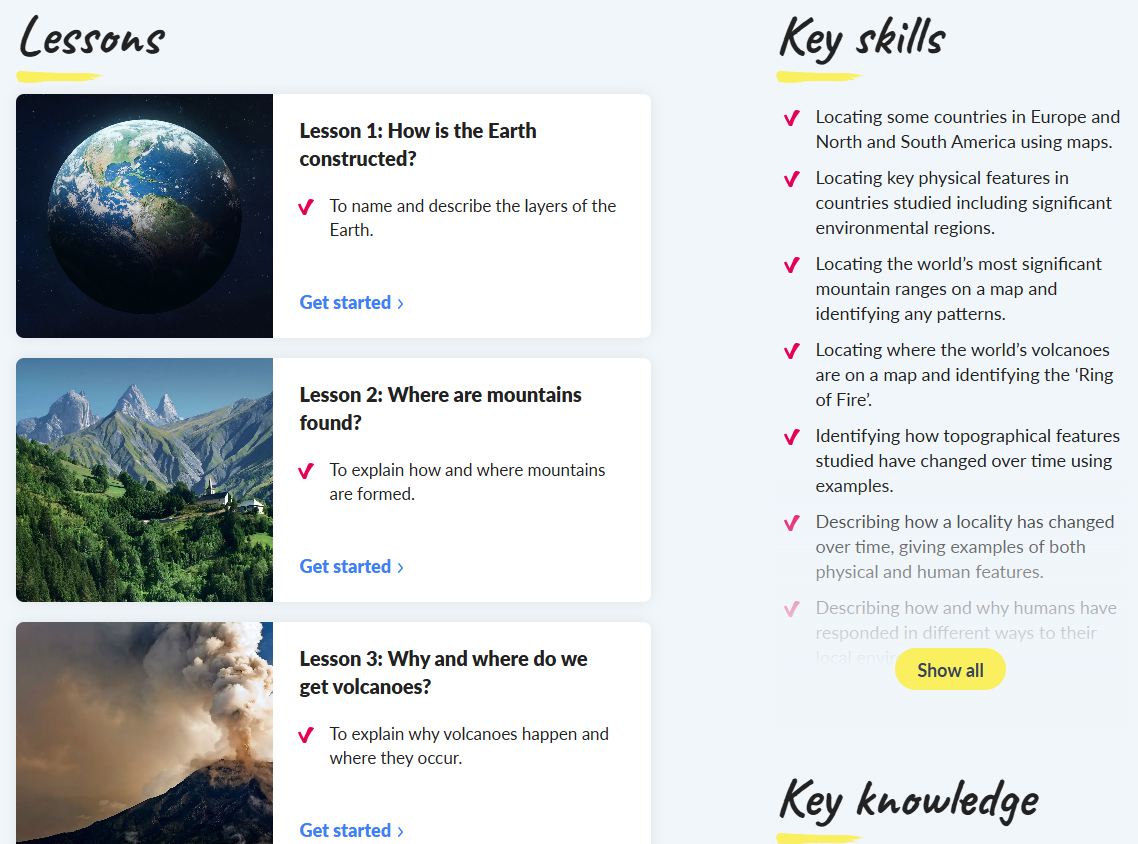
Unit hubs offer a wealth of useful information including useful updates, major planning considerations, key skills and knowledge and much more.
Lesson structure
A consistent structure
Lessons across the RSE & PSHE scheme follow a consistent structure, which is also used across all Kapow Primary subjects. This is a deliberate design choice to reduce cognitive overload for both pupils and teachers.
For pupils, a familiar lesson structure helps them focus on the learning itself, rather than on understanding new routines or expectations. For teachers, consistency supports confidence and efficiency, making planning and delivery more manageable, particularly when teaching sensitive or complex content.
In Reception, the lesson structure is adapted to reflect the different ways pupils learn at this stage, with approaches that are appropriate to the EYFS and support early development.
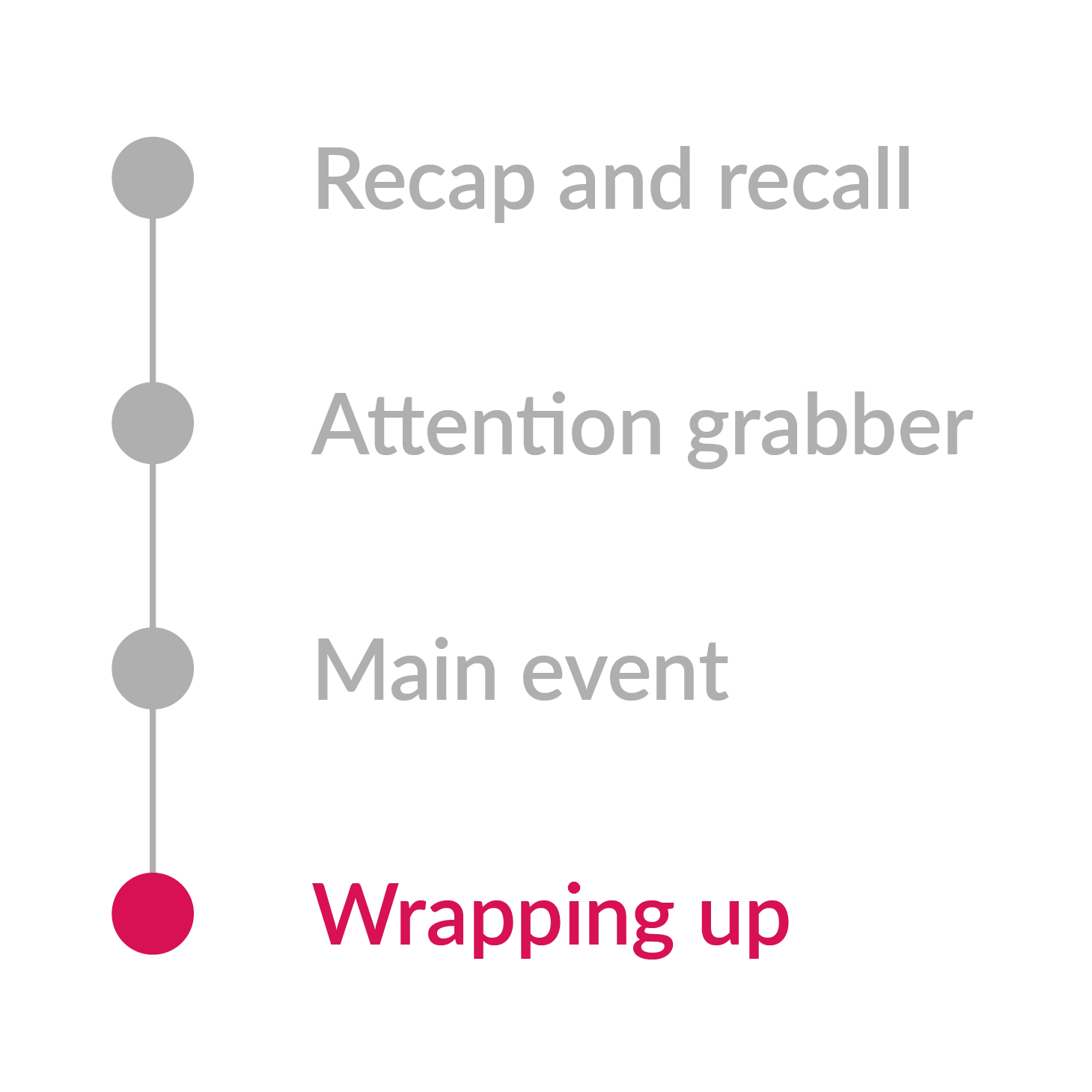
Recap and recall
Each RSE & PSHE lesson begins with a short activity revisiting prior learning. This helps reinforce key knowledge, activates long-term memory and creates connections between past and new learning.
Recap and recall activities are varied to keep the start of the lesson engaging and fun while still supporting active recall.
Attention grabber
A short, engaging activity designed to hook pupils into the new learning in the lesson.
This could be a thought-provoking question, a quick investigation or an interactive discussion to spark curiosity and enthusiasm for the topic.
Main event
The core part of the lesson, where pupils engage in activities that develop their understanding of the learning objective.
This includes a mixture of teacher modelling, guided practice and independent or collaborative tasks tailored to support all learners.
Wrapping up
A final reflective activity that consolidates learning.
This could involve reviewing the success criteria, discussing key learning or applying knowledge in a different context to assess understanding and encourage deeper thinking.
SEND
The Kapow Primary RSE & PSHE scheme of work is designed to be fully adaptable for pupils with SEND. Every lesson includes an adaptive teaching section, providing clear guidance on how activities can be modified to meet the needs of all learners.
Children learn in a variety of ways. As such, Kapow Primary RSE & PSHE lessons include a range of strategies to support and challenge every pupil, including:
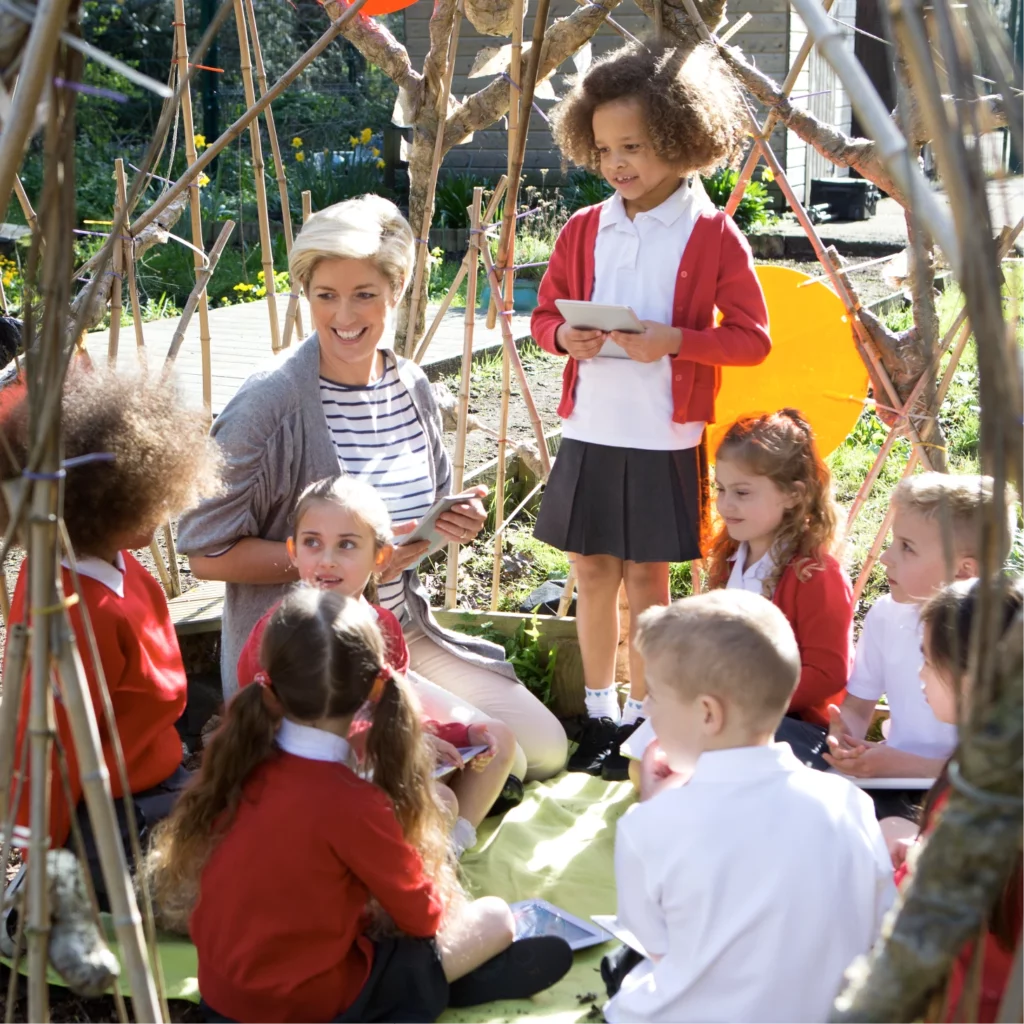
Scaffolding – activities are designed with flexibility in mind, allowing for additional support or challenge where needed.
Multi-sensory approaches – lessons incorporate different elements to engage all learners.
Clear instructions and structured tasks – ensuring clarity and reducing cognitive load for pupils who benefit from additional support.
Opportunities for collaborative and independent learning – allowing pupils to work at their own pace while building confidence and independence.
Use of concrete examples and real-life scenarios –Abstract ideas such as consent, relationships or emotions can be difficult for many pupils to grasp. Using clear, concrete scenarios and examples helps pupils understand what concepts look like in real situations.
Visual supports and symbol-based resources – Dual-coding on our resources helps to support understanding, especially for pupils with communication or processing differences.
Repetition – Revisiting key messages, vocabulary and expectations in different lessons and contexts supports retention and helps pupils feel secure with sensitive content.
Explicit teaching of social and emotional skills – Skills such as recognising emotions, setting boundaries, asking for help or resolving conflict often need to be taught directly rather than assumed.
By embedding adaptive teaching throughout, the scheme ensures that all pupils, regardless of their starting points, can access and succeed in their learning. The step-by-step curriculum design also supports all pupils, particularly those with SEND, by avoiding sudden jumps in complexity at transition points and allowing for steady, manageable progression.
Additionally, the Kapow characters used throughout the scheme represent a diverse range of experiences and needs. Some characters are depicted with different ways of thinking, feeling, coping or responding, without these differences being explicitly labelled. This helps pupils recognise that people experience the world in different ways, supporting inclusion and understanding.
Knowledge retention
Spiral curriculum
Kapow Primary’s RSE & PSHE scheme is built around a spiral curriculum model. The key areas of the curriculum are revisited regularly, ensuring that pupils return to important themes such as relationships, health, safety, online life and growing up throughout their primary education.
By revisiting these key areas over time, pupils build on prior learning in a way that reflects their increasing maturity, understanding and lived experience. This supports secure knowledge development and helps pupils apply learning to real-life situations as they arise.
- Revisiting key concepts – core ideas such as boundaries, friendships, wellbeing and seeking help are explored across multiple key areas and year groups, with learning framed in age-appropriate contexts.
- Increasing depth and sensitivity – concepts are introduced simply and then developed in more detail, allowing pupils to explore more complex or sensitive aspects as they grow older.
- Supporting retention – regular revisiting of key areas and concepts reinforces key messages and vocabulary, helping learning to stick over time.
- Developing skills over time – pupils practise and refine skills linked to the strands of self-regulation, managing self, building relationships and critical thinking. These are revisited across different key areas and contexts, supporting pupils to apply their learning consistently and confidently.
Knowledge organisers
Kapow Primary’s Knowledge organisers are structured documents designed to support pupils’ learning by clearly outlining the key knowledge, vocabulary and concepts covered in a unit of work.
It serves as a reference tool for both teachers and pupils, helping to consolidate learning and support knowledge retention.
- Essential knowledge at a glance – summarises the most important facts, concepts and skills that pupils need to learn for a particular unit.
- Key vocabulary – provides a list of subject-specific terms with definitions to develop pupils’ language and understanding.
- Clear and visual layout – organised in a way that makes information easy to digest and revisit, often using diagrams, timelines or key images.
- Support for retrieval practice – helps pupils engage in self-assessment, recall activities and revision, reinforcing long-term memory.
- Teacher and pupil-friendly – acts as a quick reference for teachers when planning lessons and an accessible learning aid for pupils to develop independence in their studies.
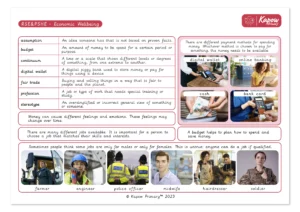
*Reception units do not include knowledge organisers, as learning in the EYFS is exploratory, play-based and supported through adult guidance rather than independent use of written materials.
Recap and recall
- Activates prior knowledge – helps pupils make connections between new and existing learning, reducing cognitive overload.
- Strengthens memory pathways – retrieval practice has been shown to improve retention more effectively than passive review.
- Identifies gaps in understanding – teachers can quickly assess what pupils remember and address misconceptions before introducing new content.
- Builds confidence – regular recall activities reassure pupils that they can remember key concepts, improving engagement and motivation.
- Promotes spaced learning – revisiting prior learning at regular intervals supports long-term retention, rather than cramming information in a single lesson.

Additional adults
Support for additional adults
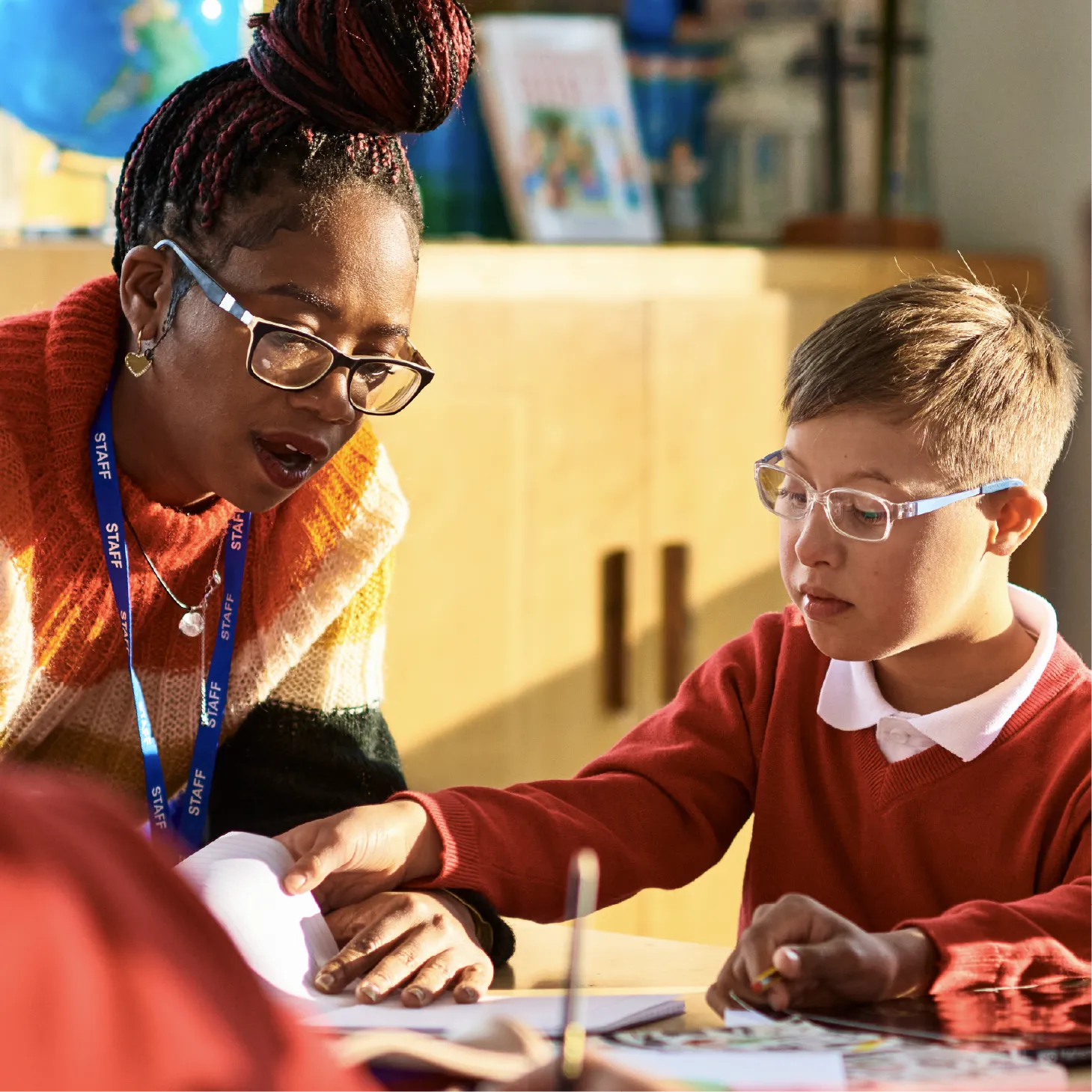
Kapow Primary recognises that teaching assistants play a vital role in many classrooms and that in some schools, they may be responsible for delivering lessons.
Accordingly, anyone teaching Kapow Primary’s RSE & PSHE lessons can be issued a login. While the scheme is primarily designed for teachers, the clear lesson structure, step-by-step guidance and adaptive teaching strategies ensure that lessons can also be taught by teaching assistants.
Schools without additional adults
Due to budget constraints and varied staffing structures, it is not always possible to have classroom support from additional staff.
Kapow Primary’s RSE & PSHE lessons are designed with this in mind, providing resources and explanations that allow teachers to deliver high-quality lessons independently without necessarily relying on additional adults.
If additional support is suggested in a lesson, it is clearly marked in the ‘Have ready’ part of the lesson plan.

Adapting the RSE & PSHE scheme
Mixed-age
For schools with mixed-age classes, Kapow Primary provides structured long-term plans that ensure a coherent and progressive RSE & PSHE curriculum. These plans are designed to minimise unnecessary repetition while ensuring that all pupils have access to the full curriculum over time.
In RSE & PSHE, content is sequenced to reflect pupils’ emotional development and age. When teaching mixed-age classes, schools should be mindful of the year group for which a lesson was originally designed and adapt the delivery as needed. This may include simplifying language, focusing on core messages, or adjusting activities to ensure they are appropriate for all pupils.
This flexible approach allows schools to maintain curriculum coverage while responding sensitively to pupils’ differing levels of maturity, understanding and experience.
Reduced teaching time
Kapow Primary’s RSE & PSHE curriculum is designed to be taught weekly to ensure full and secure coverage of the statutory Relationships Education and Health Education guidance.
The structure and sequencing of the scheme are carefully planned to allow pupils to revisit key themes, practise essential skills and deepen understanding over time. For this reason, Kapow Primary does not provide a formal condensed version of the RSE & PSHE scheme.
Schools with limited curriculum time may choose to adapt their provision. The statutory guidance coverage document supports informed decision-making about revisiting content across the curriculum. However, reducing teaching time may limit opportunities for revisiting and reinforcing learning.
Where greater flexibility is needed, schools may opt to prioritise statutory units and omit some non-statutory content, such as Citizenship or the optional Year 6 Sex Education or First Aid units. This approach allows schools to adapt the curriculum while ensuring a strong and coherent statutory RSE & PSHE provision.
Responding to needs
Kapow Primary’s RSE & PSHE scheme is designed as a planned, sequenced curriculum that should be taught to all pupils over time.
Issues discussed through RSE & PSHE often arise naturally during school activities, such as playtimes or lessons. When this happens, teachers can draw on previous learning to support pupils using familiar language and strategies. This reinforces the curriculum and helps pupils relate to real situations using prior or future learning.
Where possible, it can be beneficial to introduce some flexibility into the school timetable to respond to issues as they emerge, rather than replacing a planned RSE or PSHE lesson. Having time allocated for discussion, reflection or revisiting key ideas allows teachers to address real situations promptly, while maintaining the planned curriculum sequence.

Church of England schools
Church of England schools are still required to meet the statutory requirements for Relationships Education and Health Education. Many choose to use a progressive scheme of work, such as Kapow Primary RSE & PSHE, to support the planning and sequencing of this content. Schools should ensure that lesson delivery reflects their ethos, policy and any local church or diocesan guidance.
Cross-curricular learning
Kapow Primary’s RSE & PSHE scheme supports cross-curricular learning by making clear connections between subjects, helping pupils develop a broader understanding of key concepts and skills.
Cross-curricular links are explicitly highlighted; each unit includes identified cross-curricular connections, detailed in the unit hub and the Statutory guidance document. These allow teachers to integrate learning across different subjects.
In addition, each lesson has a ‘Cross-curricular links’ section that shows the links to the National curriculum in subjects other than RSE & PSHE.

Transitioning to Kapow Primary
Transitioning schemes
Schools may have questions about introducing Kapow Primary’s RSE & PSHE curriculum if pupils have not followed the scheme from the beginning.
Where a different scheme or a school-designed curriculum has been used previously, there may be concerns about pupils’ prior knowledge and how this might affect their access to lessons in later year groups.
Curriculum considerations
If introducing the RSE & PSHE scheme partway through, schools may wish to consider the following:
- Statutory coverage – Updated statutory guidance sets out a wide range of content that pupils are expected to have encountered by the end of primary school. Where a previous scheme or school-designed curriculum has been used, some elements of this guidance may not yet have been covered or may have been introduced at different points.
- Policy and parental communication – Schools will need to review and update their Relationships and Sex Education and Health Education policy to reflect any changes to provision. Parents should be informed of updates and consulted on changes to RSE provision, in line with statutory requirements.
Pupils generally engage with RSE & PSHE learning regardless of prior curriculum experience. However, pupils’ knowledge, understanding and experiences will naturally vary as the subject focuses on real-life situations and personal development.
Guidance
Each Kapow Primary RSE & PSHE lesson is supported by a teacher CPD video that explains the key concepts, intended learning and pedagogical approach. These videos are designed to upskill teachers and support confident implementation of the curriculum, without requiring prior familiarity with the wider scheme.
Progression documents outline the skills and knowledge and vocabulary covered across year groups. For teachers, these can be used selectively as a reference where helpful, for example, to check what pupils may already have encountered. For subject leaders, the documents provide an overview of how the curriculum is structured and how learning builds over time.
The RSE & PSHE: Statutory guidance coverage document supports schools in checking statutory coverage when transitioning from a different curriculum. It can be used to identify where statutory content is introduced and revisited and to highlight any areas pupils may not yet have encountered.
Kapow Primary also provides parent information pages for the new PSHE scheme, which can help schools share information with parents and address common questions. In addition, guidance documents are available to support schools in reviewing and updating their RSHE policy in line with statutory requirements.
Support
Transitioning to a new curriculum does not need to be challenging. Kapow Primary supports and upskills teachers, ensuring they can implement the curriculum as intended. To help teachers feel confident and prepared, every lesson includes a teacher CPD video that clearly explains the subject knowledge, key concepts, and intended learning.
In RSE & PSHE, the curriculum is organised into key areas, making it easier to see how units within each area build on one another and to check prior learning where helpful. If pupils join the scheme partway through the curriculum sequence, teachers may choose to allow more time to work through units, pausing to revisit or explain concepts and vocabulary that pupils have not yet secured.
Lessons include built-in opportunities for formative assessment, allowing teachers to assess understanding and respond through discussion, questioning and observation, so they can support pupils in making progress from their current starting points.

3. Impact
This section explains how the RSE & PSHE curriculum supports pupils to develop knowledge, skills and attitudes and how teachers can recognise progress in pupils’ understanding, confidence and responses to real-life situations.
Assessment
Formative
Kapow Primary’s RSE & PSHE lessons include ongoing assessment opportunities, such as questioning, retrieval practice and interactive activities.
These tools allow teachers to assess understanding in real-time and adjust their teaching accordingly.

Summative
Each unit includes a Knowledge catcher that can be used at the start of the unit and revisited at the end to check pupils’ progress over time. This allows pupils to show what they already know before learning begins and to demonstrate how their knowledge and understanding have developed by the end of the unit.
RSE & PSHE is distinct from many other subjects in that pupils start with different levels of prior knowledge and life experience. Accordingly, assessment is primarily ipsative: focusing on where each pupil is starting from and the progress they make over a period of learning, rather than comparison with others.
As the scheme continues to be rolled out, further assessment support will be added over the coming months to support teachers in checking pupils’ understanding and progression across the curriculum.
Pupil outcomes
Summary
In RSE & PSHE, pupil outcomes go beyond pupils being able to recall key knowledge or demonstrate specific skills in the classroom. The curriculum is designed to support pupils’ confidence, wellbeing and the way they interact with others in everyday situations.
These aspects of learning develop gradually over time and can be harder to measure. When taught consistently as part of a well-sequenced curriculum, schools may notice changes in pupils’ attitudes, choices and behaviour across school life.
Confidence and self-awareness
Over time, pupils may show increased confidence in expressing feelings, asking for help and making decisions. They begin to develop self-awareness and emotional literacy, which supports resilience when facing challenges or change.
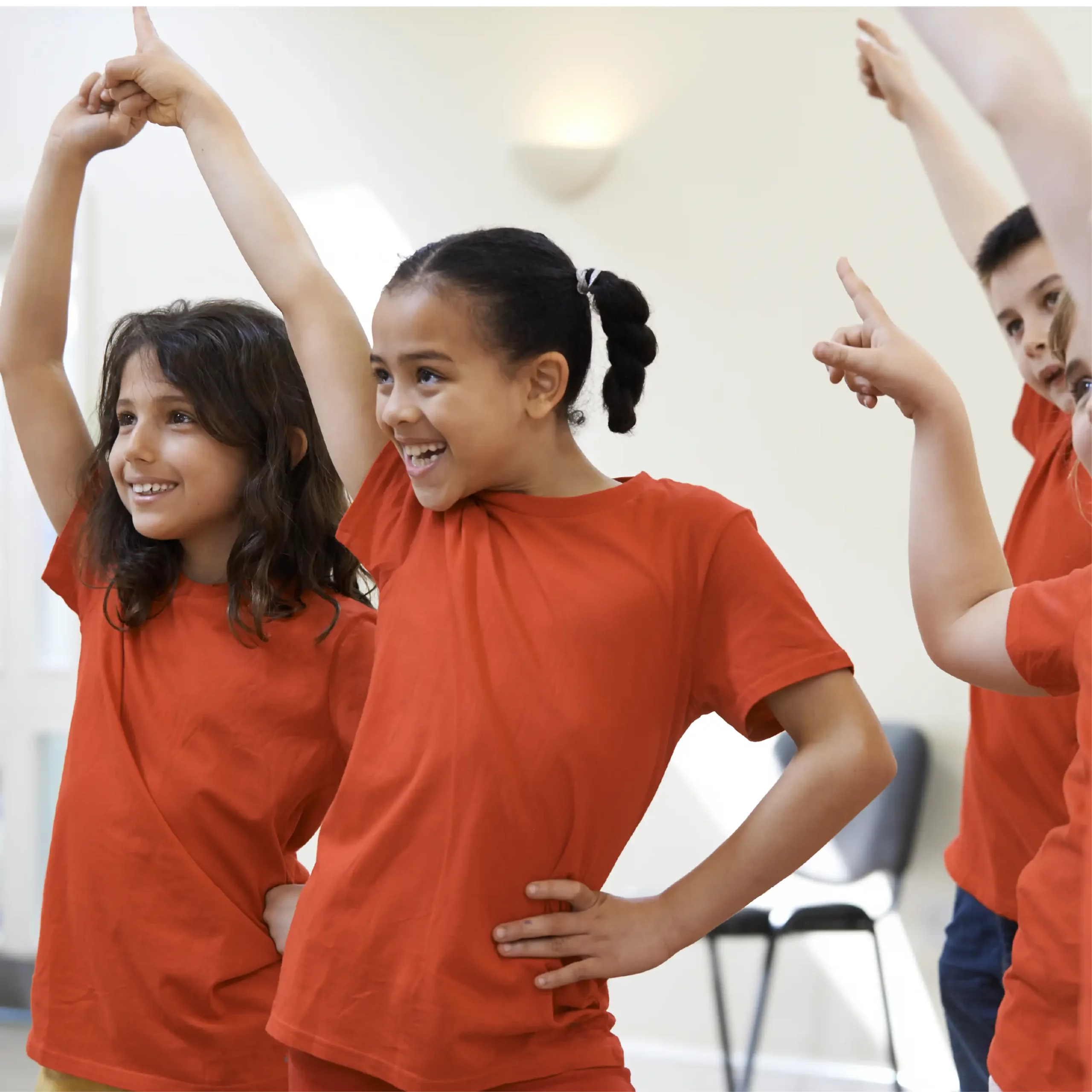
Pupils may develop more positive and respectful relationships with others. They can demonstrate greater empathy, better understanding of boundaries and enhanced communication skills, which support healthy friendships and inclusion.
Over time, this may lead to fewer incidents of unkind behaviour, as pupils become more capable of recognising unkind behaviour and seeking support.
Behaviour
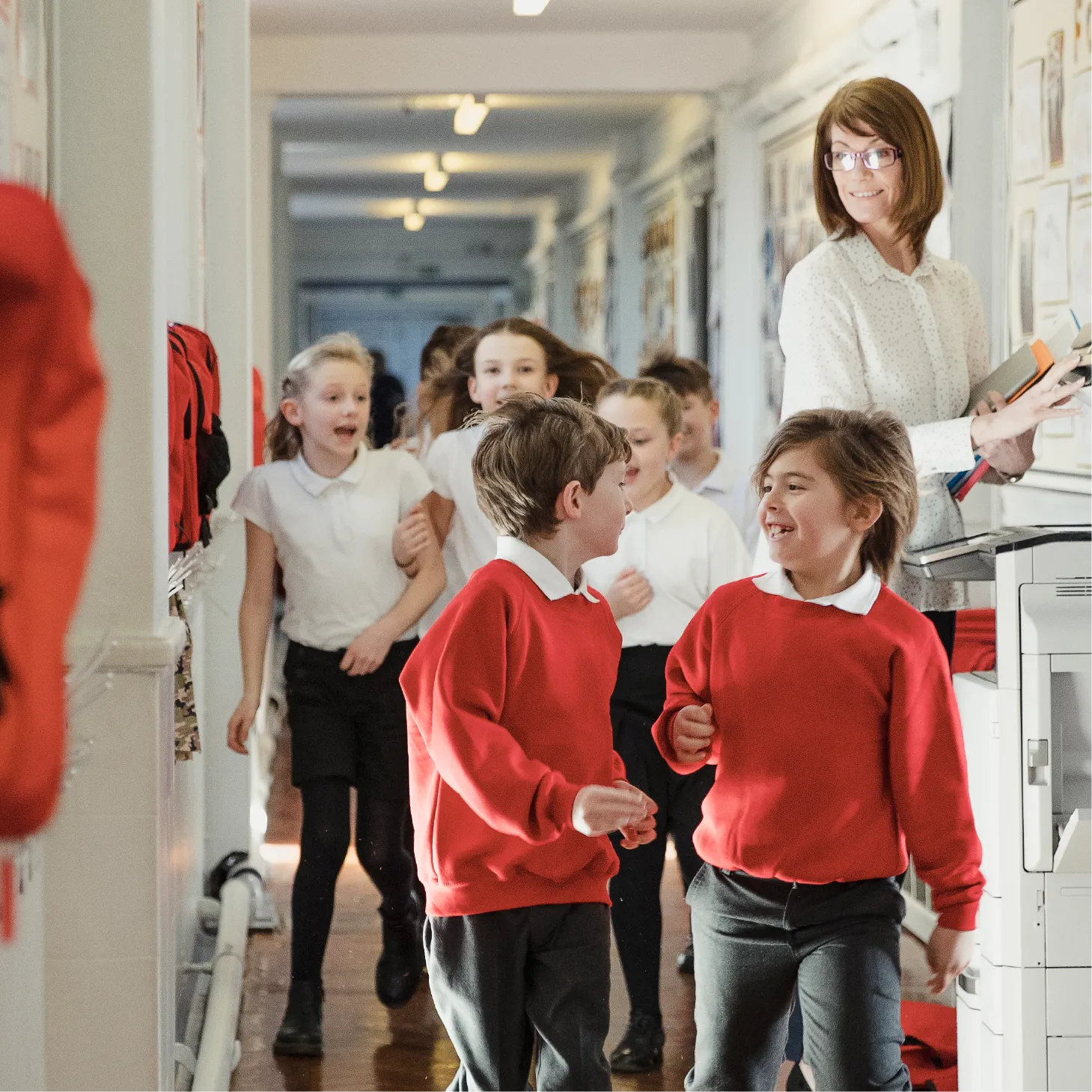
Pupils may become better able to manage behaviour and responses, especially in challenging situations. They gain an understanding of why rules are vital for ensuring their own safety and that of others, and learn how to follow them.
Over time, pupils can develop resilience by learning to cope with setbacks, manage their emotions, make amends and move forward positively, thereby supporting a calm and safe school environment.

Evidencing progress
Much of pupils’ learning in RSE & PSHE is not captured through written outcomes. Instead, progress is often evident through pupil talk, class discussions, role play and the way pupils apply learning in everyday situations across school life. This may include how pupils communicate with others, manage emotions, resolve conflict or make safer choices.
If schools wish to capture examples of this learning being applied, this may involve briefly noting significant observations from lessons or from wider school contexts, such as playground interactions or group work. Any recording should be proportionate and purposeful, supporting professional reflection rather than creating additional workload.
Written outcomes
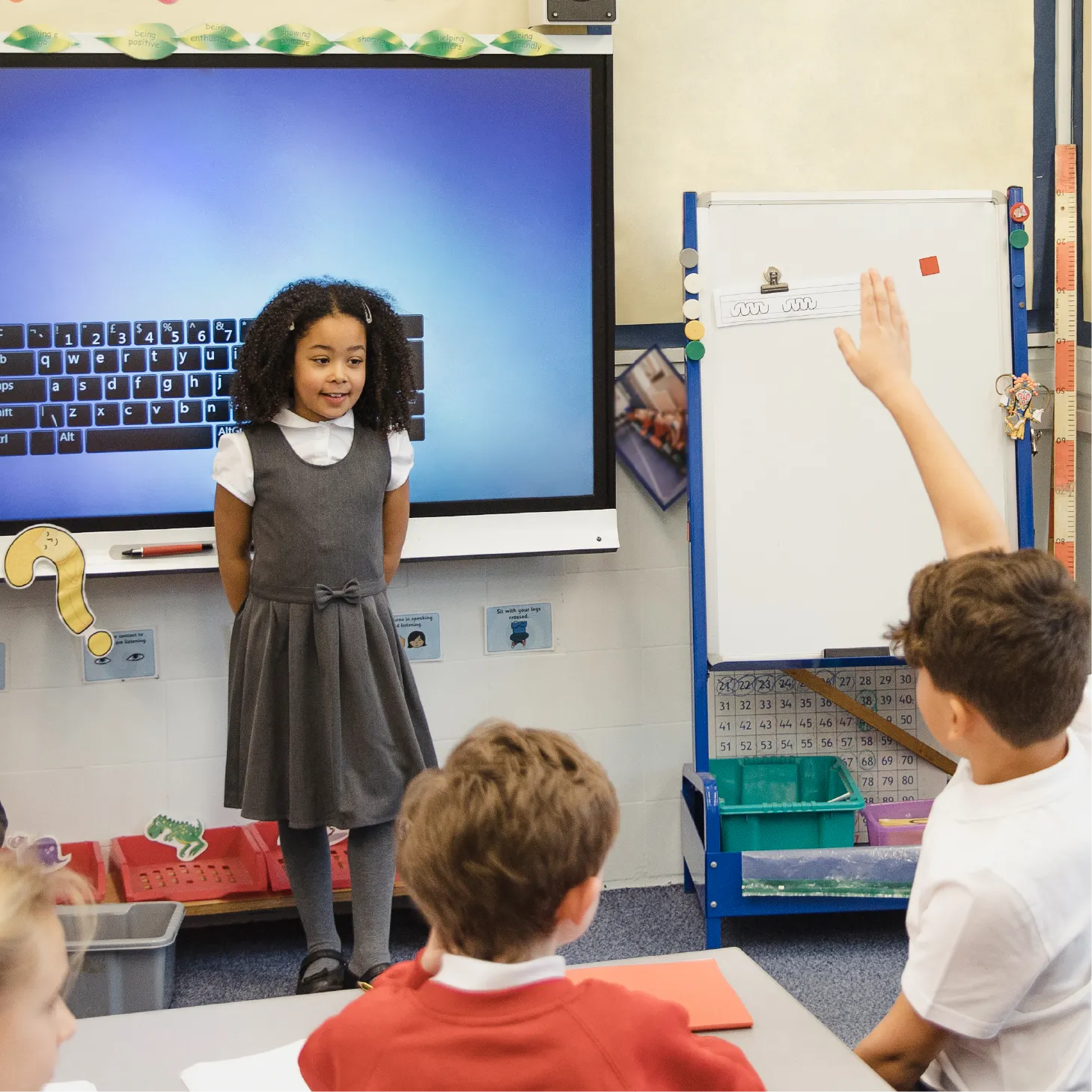
Pupils demonstrate their learning and provide evidence of progress through a variety of activities, including structured written work, diagrams and creative responses.

Assessment spreadsheet
The RSE & PSHE: Assessment spreadsheet helps to track pupils’ RSE & PSHE attainment over time.
This tool allows teachers to track progress against learning objectives and assessment statements, making it easier to monitor development and identify areas for support.

RSE & PSHE scheme FAQs
Unable to find the answer you are looking for?
Try these useful links:
Pupils learn how bodies change as they grow in the Growing up units in Years 2, 4 and 5. This understanding is revisited and built on through a spiral curriculum. In Year 4, teaching explicitly covers the changes during adolescence, including menstruation, and introduces the term ‘puberty’.
The statutory guidance does not differentiate learning by gender and there is no requirement to teach boys and girls separately. Teaching pupils together helps ensure that everyone understands the changes that both boys and girls experience during puberty. This can help reduce stigma, embarrassment and teasing by normalising these changes and promoting empathy and respect.
Some schools choose to offer separate question-and-answer sessions if they feel pupils may be more comfortable asking questions among peers and teachers of the same sex. This is a matter of school choice and context, rather than a statutory requirement. Any decisions about how puberty education is delivered should be based on pupils’ needs and reflected in the school’s RSHE policy.
The content, language and sequencing of Kapow Primary’s RSE & PSHE curriculum were carefully chosen to be age-appropriate and inclusive. A key principle is the deliberate use of neutral, factual language to prevent stigma and avoid outdated or potentially judgmental terms. Examples of this approach include:
- Menstrual products or period products instead of ‘sanitary products’.
- Correct scientific names are used for body parts, avoiding slang or euphemisms.
- Neutral language is used when discussing birth, such as avoiding the term ‘natural birth’, to respectfully acknowledge the diversity of birthing methods.
These choices promote respectful, inclusive teaching and help to eliminate value judgments.
Yes. Schools can adapt Kapow Primary’s sequenced lessons using professional judgment to suit their pupils, context, or community. However, all statutory RHE content must be covered by the end of primary school. Importantly, puberty education, including menstruation and physical changes, should occur before most pupils experience them.
If the lesson order changes, teachers may need to explicitly introduce vocabulary, concepts or context to ensure pupils can access learning that would have relied on untaught prior material.
Kapow Primary RSE & PSHE introduces the correct names for external private body parts in Years 1 and 2.
This helps pupils understand that these are ordinary body parts, recognise that they are private and feel confident using accurate language if they need to talk to a trusted adult. Teaching correct anatomical terms is also an important safeguarding measure, as it enables and empowers children to clearly report concerns.
No. While primary schools are not mandated to teach sex education, the statutory guidance suggests its inclusion in Year 5 and/or Year 6. This aligns with the Science National curriculum content on conception and birth.
To support schools that choose to teach sex education, Kapow Primary offers an optional Year 6 unit. Schools should consult parents before deciding to implement this unit.
Parents may request to withdraw their child from the optional, non-statutory Year 6 Sex education unit How do people become parents and carers?, within Kapow Primary’s RSE & PSHE scheme. Where a pupil is withdrawn from the optional unit, schools must provide suitable alternative education. Kapow Primary offers an optional Year 6 First Aid unit to support this.
Parents do not have the right to withdraw their child from the following statutory components:
- Relationships education.
- Health education.
- Science lessons, including learning about puberty or human reproduction taught through Science.
- Any other PSHE content the school has chosen to include, such as citizenship or financial literacy.
Parents do not have the right to withdraw their child from the Growing up units. These lessons form part of statutory Relationships Education and Health Education, which all pupils are required to receive.
If parents have concerns about the content or timing of lessons, schools should discuss these with them and explain what is being taught and why. The revised 2025 RSE curriculum requires schools to make resources available for parents to view on request and support parents in continuing conversations at home.
Sexual orientation is not taught as a discrete concept. However, same-sex relationships are represented naturally within lessons about family life and relationships. When pupils learn about different types of families, the statutory guidance recommends that schools include same-sex parents alongside other family arrangements and this is reflected in the scheme.
The curriculum addresses marriage and civil partnership in line with statutory guidelines, teaching pupils that they are formal, legally recognised commitments between two people.
You can see an overview of where the scheme supports pupils’ understanding of the protected characteristics here.
No, gender identity or gender reassignment is not explicitly taught in the Kapow Primary RSE & PSHE scheme. This approach reflects current statutory guidance for primary schools.
Pupils are taught to respect differences and treat others with kindness and dignity across the curriculum. This includes learning to challenge gender stereotypes, recognise unfair assumptions and understand that people may express themselves in different ways.
You can see an overview of where the scheme supports pupils’ understanding of the protected characteristics here.
Yes, the scheme supports pupils’ understanding of fairness, respect and inclusion in ways appropriate to primary-aged children. This approach aligns with statutory RSE guidance, which requires schools to promote respect and prevent discrimination without introducing complex or contested concepts in ways that are not developmentally appropriate.
In Upper key stage 2, protected characteristics are referred to in context to support pupils’ understanding of discrimination. They are not explored in detail, taught as a list or assessed. The emphasis remains on respectful behaviour, challenging prejudice and understanding that people should be treated fairly, regardless of difference.
You can see an overview of where the scheme supports pupils’ understanding of the protected characteristics here.
Kapow Primary supports schools’ preventative work around child-on-child abuse through curriculum teaching that focuses on respect, boundaries, inclusion and help-seeking. This approach aligns with the statutory Relationships and Health Education guidance and Keeping Children Safe in Education.
Across the curriculum, pupils develop the knowledge, skills and attitudes that help prevent a wide range of child-on-child abuse, including bullying, discrimination, coercive behaviour, boundary-crossing and other early harmful behaviours.
Yes. Kapow Primary RSE & PSHE was developed to meet the requirements of both the DfE Teaching online safety in schools guidance and the Education for a Connected World framework. The DfE guidance advises teaching online safety within existing subjects, specifically citing Relationships, Health, Citizenship and Computing. Accordingly, Kapow Primary addresses online safety across both RSE & PSHE and Computing.
The DfE guidance also recommends using the Education for a Connected World framework as a reference point for pupils’ knowledge and skills. Kapow Primary has used professional judgment to determine the most appropriate age for certain content. While the framework’s themes and expectations are covered, their placement may vary from the original document.
Both. The Kapow Primary RSE & PSHE curriculum includes dedicated ‘Online world’ units that teach pupils how to stay safe online, including learning about online risks, responsible behaviour and how to seek help if something goes wrong.
Online safety is also reinforced across the wider curriculum. Pupils are encouraged to link how they behave in person with how they behave online. For example, learning about kindness, respect and resolving conflict in friendships also applies to digital interactions.
Similarly, strategies for staying safe in the real world (e.g. protecting personal information, being cautious around strangers and asking trusted adults for help) are revisited in online contexts. This helps pupils understand that the same principles of safety, respect and responsibility apply both online and offline.
Kapow Primary covers online safety in both subjects because each focuses on different aspects of pupils’ learning and has its own curriculum guidance.
In Computing, pupils learn about the technical and practical side of using technology safely, such as protecting personal information, using digital systems responsibly and recognising potential risks online.
In RSE & PSHE, the focus is on the social, emotional and relational aspects of the online world. Statutory RHE guidance expects pupils to understand respectful online relationships, the impact of their behaviour on others and how to recognise and respond to online risks. As such, Kapow Primary RSE & PSHE lessons may explore kindness and respect in online communication, managing peer pressure, recognising harmful behaviour and knowing when to seek help.
Teaching online safety across both subjects helps pupils develop a fuller understanding: Computing supports safe use of technology, while RSE & PSHE explores the relationships, choices and responsibilities involved in interacting with others online.
Kapow Primary RSE & PSHE sometimes refers to social media and online communication so that pupils can learn about potential risks before they begin using these platforms themselves. Many social media platforms and some online games have minimum age requirements, often 13 and over. These age limits are explained clearly when the topic is discussed.
However, research shows that younger children still encounter social media and online communication through shared devices, messaging features within games, video platforms or by viewing social media content. For example, Ofcom’s Children’s Media Literacy Report found that over half of children aged 3–12 use at least one social media app or site, despite these restrictions.
Kapow Primary RSE & PSHE lessons include realistic scenarios to help pupils recognise risks, protect personal information and behave respectfully online. This does not encourage children to use age-restricted platforms. Instead, it helps ensure pupils are prepared to navigate online environments they may encounter as they grow older.
Developing critical thinking is a key strand of the Kapow Primary RSE & PSHE curriculum. Pupils learn to question, evaluate and reflect on the information and messages they encounter online.
In Year 4, pupils begin learning how to evaluate online information. They explore the idea that not everything online can be trusted and that anyone can publish content. Pupils learn to assess reliability, compare sources and recognise misleading headlines and inaccurate information.
In Year 5, this learning develops further as pupils explore how online content can influence people’s behaviour, choices and viewpoints. They learn to distinguish between fact and opinion, how online adverts work, how apps and websites use personal data to target adverts and how online trends and messages can shape opinions.
Kapow Primary RSE & PSHE supports pupils to recognise when something online feels wrong and to understand how to report it. This aligns with schools’ wider safeguarding approach both in the real world and online.
In Key stage 1, pupils learn that they can talk to trusted adults if something worries them and identify who those adults might be.
In Lower key stage 2, pupils develop the language and confidence to describe what has happened and explain why something feels uncomfortable or unsafe.
In Upper key stage 2, pupils explore a wider range of ways to seek help, including speaking to trusted adults in school and accessing external support such as Childline or reporting tools on online platforms.
Reporting concerns is explicitly taught and practised through discussions, role-play and scenario-based activities, helping pupils feel confident and prepared to seek support when needed.
Kapow Primary’s healthy eating progression and lessons were developed in collaboration with a qualified nutritionist. This ensures that the content is accurate, age-appropriate and closely aligned with the statutory RHE guidance. Consequently, statutory terms such as ‘calories’ and ‘obesity’ are included and taught carefully in a factual, non-judgemental and age-appropriate way.
In primary schools, Relationships and Health Education are statutory. This means all pupils must be taught this content. Statutory RHE includes learning about:
- Families and friendships.
- Respectful relationships.
- Online safety.
- Mental wellbeing.
- Physical health.
- Puberty.
- Basic first aid.
To deliver this statutory content clearly, Kapow Primary RSE & PSHE organises the curriculum into the following key areas:
- My healthy self.
- Connecting with others.
- The online world.
- Staying safe.
- Health protection.
- Growing up.
The following areas are non-statutory, meaning schools can choose whether and how to teach them:
- Citizenship.
- Optional Year 6 Sex education.
- Optional Year 6 First aid.
These units reflect non-statutory guidance and support pupils’ wider personal development. Schools can decide whether to include them based on their context and policies.
No, the statutory Relationships and Health Education guidance sets out the required content that primary schools must teach from Year 1. This includes key aspects of emotional wellbeing, mental health, physical health, relationships and online safety.
PSHE is broader than this statutory content and is often used by schools as an organising framework that brings together Relationships Education, Health Education and other areas such as citizenship and financial education.
Yes, schools must consult parents when developing and reviewing their RSHE policy. Schools must also consult parents if they choose to teach non-statutory sex education in primary school. Schools do not need to consult parents on statutory Relationships or Health Education content.
Consultation with parents is required when developing and reviewing the RSHE policy. The statutory guidance does not require consultation to take place every year. In practice, consultation usually happens when guidance changes or when a school updates its approach.
For more information on consultation requirements, see RSE & PSHE: Guidance for schools.
Yes, schools should proactively inform parents about RSE & PSHE and make curriculum materials available on request. Parents should be able to see what their children are being taught, particularly in relation to sensitive topics. While parents do not have the right to veto curriculum content, transparency and open communication are an important part of effective RSE & PSHE provision.
For more information on sharing curriculum materials with parents, see RSE & PSHE: Guidance for schools.
Kapow Primary RSE & PSHE does not explicitly teach about sexual harassment at primary level. However, the scheme does build the knowledge, skills and attitudes pupils need to recognise and respond to inappropriate or harmful behaviour in an age-appropriate way.
Pupils develop this understanding through learning about: personal boundaries and consent; respectful relationships; recognising unsafe or inappropriate behaviour; speaking up and seeking help. In Key stage 2, this develops further as pupils learn to recognise harmful behaviours in relationships, understand when behaviour is unacceptable and know how to report concerns.
This approach reflects statutory guidance, which focuses on helping pupils understand healthy, respectful relationships so they can recognise when something is wrong and seek support.
These specific terms are not used in primary school. Instead, Kapow Primary RSE & PSHE develops pupils’ knowledge and skills to recognise and respond to potential risks in an age-appropriate way.
Pupils are taught to:
- Recognise when behaviour seems unsafe, suspicious or unusual, including online.
- Understand that not everyone is who they say they are.
- Identify warning signs such as secrecy, gifts or pressure.
- Think critically about information and influence.
- Know how and when to seek help.
This learning is supported by the ‘Critical thinking’ strand and reinforced through areas such as ‘Staying safe’ and ‘The online world’, helping pupils identify risks and take appropriate action.
Yes, Kapow Primary RSE & PSHE includes lessons on money management, spending decisions and financial choices within the ‘Citizenship’ key area.
The Government has committed to adding Citizenship to the National curriculum from 2028 and has indicated that this will include financial education.
