• Pricing
  • Join
Free trialLogin
  • Art and design
  • Computing
  • Design and technology
  • French
  • Geography
  • History
  • Music
  • Religion and worldviews
  • RSE & PSHE
  • Science
  • Spanish

Start using Kapow for free

No credit card required

Free trial
Children celebrating in a school hall
  • BESA Awards 2025 Winner badge in gold.
  • ERA 2024 Winner badge with bold letters and a black-and-white illustrated face.
  • UK Digital Growth Awards 2024 Winner badge in white text on a black background.
  • ERA 2025 Finalist badge with bold letters and a black-and-white illustrated face.
  • Geographical Association Publishers’ Award 2024 Silver badge.
  • BESA Awards 2024 Finalist badge in silver.
  • Teacher Tapp Gold Recommendation Award 2024 badge with a gold trophy.
  • EdTech Impact badge for Top Teacher Knowledge Tool 2025, as rated by users.
  • Teach Primary Awards 2023 badge stating “Highly Commended.”
  • EdTech Impact Recommended badge with three blue stars, dated November 2024.
  • Circular badge stating “250 reviews on EdTech Impact.”

Sign up to our newsletter

Receive news and resources directly to your inbox.

Subjects

  • Art and design
  • Computing
  • Design and technology
  • French
  • Geography
  • History
  • Music
  • RSE & PSHE
  • Religion & worldviews
  • Science
  • Spanish
  • Archive

Company

  • Our Story
  • Blog
  • Webinars
  • Careers
  • Artsmark support
  • Contact
  • Specialists
  • FAQs
  • Accessibility
  • Sustainability
[email protected]0204 634 9025

©2026 Kapow. Website Design & Development by SoBold

  • Terms of use
  • Privacy
  • Cookies

Registered office: Staverton Court Staverton Cheltenham Gloucestershire GL51 0UX VAT: GB 337 0474 07 Company number 09640574 Postal address: PO Box 79904 London SE1 3JW

  1. Subjects
  2. Design and technology
  3. Key stage 2
  4. Year 3
  5. Mechanical systems: Pneumatic toys
  6. Lesson 1: Exploring pneumatics

Lesson 1: Exploring pneumatics

Investigating and exploring different pneumatic systems.
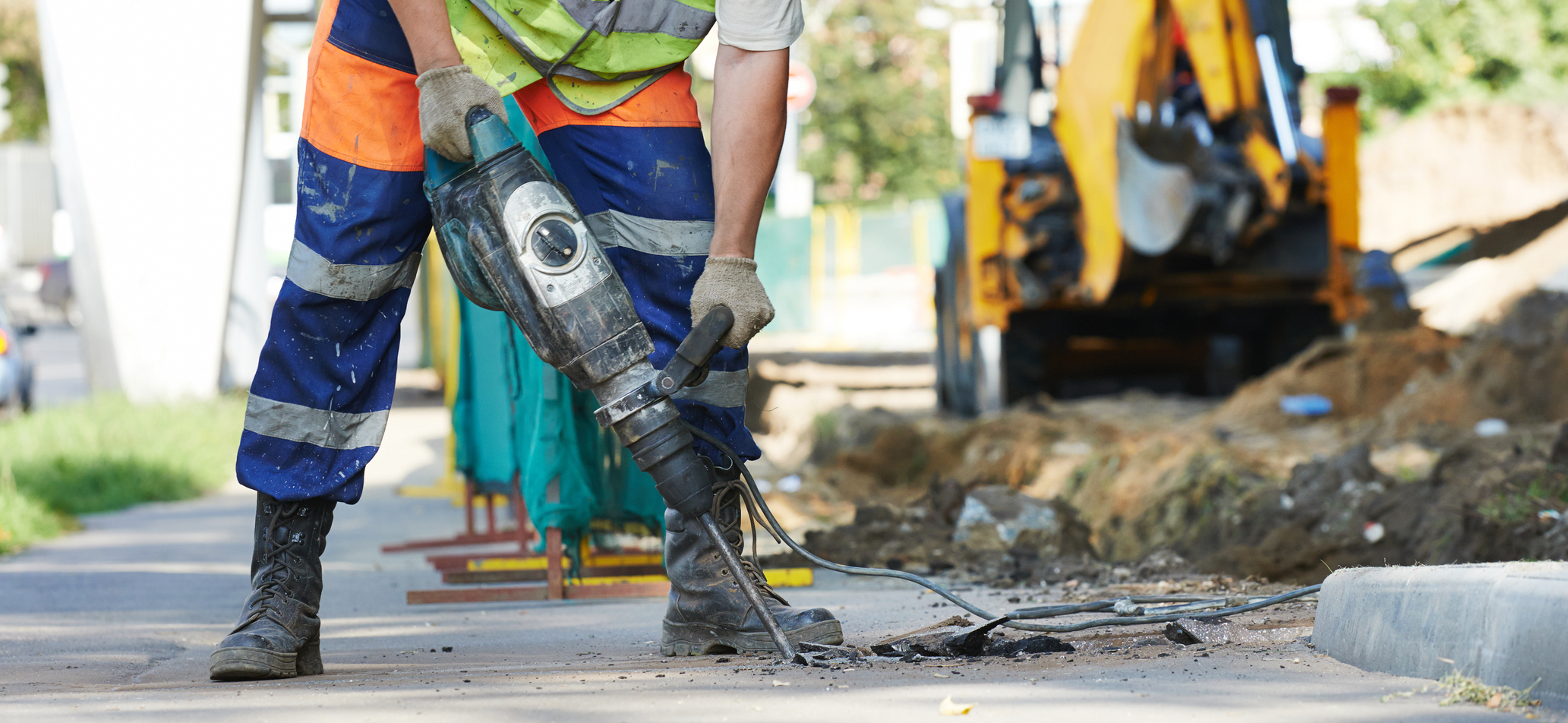
construction worker using a pneumatic drill
Jump to:CPD video in this lesson
  • Key information
  • Before the lesson
  • Lesson plan
  • Adaptive teaching & vocabulary definitions
CPD video in this lesson

Learning objective

  • To explore how pneumatic systems create movement within mechanisms.

Success criteria

  • I can define a mechanism as a system of parts working together to create movement.

  • I can recall that a pneumatic system can be used as part of a mechanism.

  • I can identify pneumatic systems in a range of everyday objects.

  • I can describe how a pneumatic system forces air over a distance to create movement.

Before the lesson

Watch

  • 3479 views

Watch

  • 3479 views

Lesson plan

Jump to:
  • Recap and recall
  • Attention grabber
  • Main event
  • Wrapping up

Before starting this unit, ensure that the children can recall:

  • Mechanisms are a collection of moving parts that work together to cause movement.

Before starting this unit, ensure that the children can recall:

  • Mechanisms are a collection of moving parts that work together to cause movement.

Optional: provide each child with a copy of the Knowledge catcher (see link: Assessment—D&T Y3: Mechanical systems: Pneumatic toys) and ask them to complete it to the best of their ability. Explain that at the end of the unit, they will revisit it, adding more information in a different colour.

Organise the children into groups of four and hand out a tray of equipment for the Attention grabber challenges (see Have ready). Ask them to complete the following challenges without using their mouths.

Book challenge

Ask the children if lifting the book using the equipment but without touching it is possible. Offer the children the chance to choose a piece of equipment to put under the book to help with the challenge and guide them to choose either the balloon or the sandwich bag.

Allow them time to attempt to lift the book and take feedback. Demonstrate to the class what happens when the bag or balloon is inflated and deflated (see Teacher video: Exploring pneumatics).

Teabox challenge

Ask the children to think of a way of using the equipment to lift the lid of the box. Allow them time to use the equipment and take inspiration from the inflated balloon in the previous challenge. Referring to the Teacher video: Exploring Pneumatics,demonstrate a simple pneumatic system. Add further challenge by asking the children to raise and lower the lid of the box in a controlled way, allowing air to pass in and out of the balloon. Ensure that children are not doing this with air from their mouths.

Explain to the class that these are examples of pneumaticsystems - they push air over a distance to create movement as a type of mechanism.

Ask the children:

  • How was air used to cause movement in the mechanisms just used? (The first used air to fill a balloon to push the book upwards; the second used air to fill a balloon to push on the lid; by removing the air, the balloon deflated and was no longer pushing on the lid so it came back down again.)

Hand out the Activity: Exploring pneumatics (one set pre-cut per group of four), which shows various ways pneumatics have been used throughout history. Ask the children to discuss how air has been used to create movement.

Ask the children to summarise on paper or in books one example of pneumatics they have observed or tried in the lesson and explain how air has caused movement. Purposely be vague about summarising this information so the children can choose whether to use writing, diagrams or both.

Take feedback and ask the children to share their examples and explanations. Note: save this summary and explanation for the next lesson.

Slide with a yawning cat under the heading Introduction.
Full-screen slides, ready for your classroom, chosen by you.
Teach in presentation mode

Success criteria

  • I can define a mechanism as a system of parts working together to create movement.

  • I can recall that a pneumatic system can be used as part of a mechanism.

  • I can identify pneumatic systems in a range of everyday objects.

  • I can describe how a pneumatic system forces air over a distance to create movement.

Was this lesson effective?

We value your feedback

We welcome your feedback to help make our resources even better
Please rate this content
1=poor  5=excellent

As a subscriber you have read and agree to our Privacy Policy

For general enquiries not relating specifically to this subject, please contact us

In this unit

  • Assessment – D&T Y3 : Mechanical systems: Pneumatic toys

    View assessment
  • Current lesson

    Lesson 1: Exploring pneumatics

  • Lesson 2: Drawing diagrams

    View lesson
  • Lesson 3: Designing a pneumatic toy

    View lesson
  • Lesson 4: Making a pneumatic toy

    View lesson
  • Lesson 5: Finishing the toy

    View lesson
Created by: Kapow Team | Maintained by: Kapow team
Last update: 27 March 2026
Meet the specialists

Related content

Drawings on blackboard of people holding yellow stars
Design and technologyYear 3

Assessment – D&T Y3 : Mechanical systems: Pneumatic toys

Assessment quiz and Knowledge catcher for use at the start and/or end of the unit to assess pupil progress.

View lesson
Black-and-white line drawing of a sandwich with layered fillings including lettuce, tomato, cheese and onion.
Design and technologyYear 3

Lesson 2: Drawing diagrams

Exploring different types of diagrams used to communicate through the design process.

View lesson
Child drawing a design for a pneumatic toy on a worksheet using a pencil.
Design and technologyYear 3

Lesson 3: Designing a pneumatic toy

Designing pneumatics toys through thumbnail sketches and technical diagrams.

View lesson
Use presentation mode

Share lessons with your friends and colleagues for free.

  • Join
  • Free trialLogin

    Start using Kapow for free

    No credit card required

    Free trial
    Children celebrating in a school hall

    Used in 8,390 schools!