Lesson 1: Life cycles and reproduction in plants
Exploring the life cycle of a plant and comparing the reproductive parts in different flowers through dissection.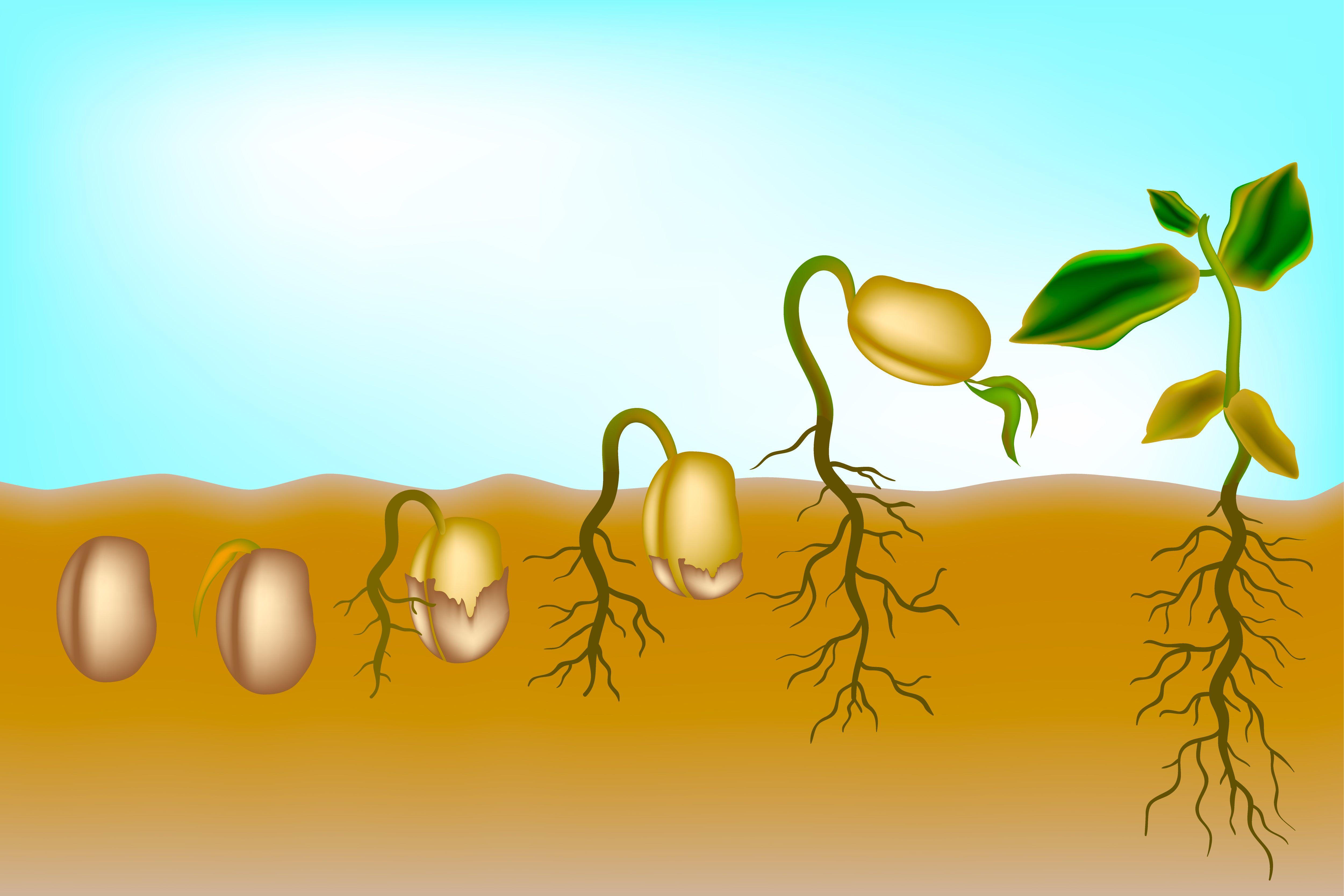
Learning objective
This content is for subscribers only. Join for access today.
Success criteria
This content is for subscribers only. Join for access today.
National curriculum
Cross-curricular links
Before the lesson
This content is for subscribers only. Join for access today.
Lesson plan
1. Recap and recall
Before starting this unit, check the children can recall some of the key learning from the units Science, Year 4, Living things and their habitats: Classification and changing habitats and Science, Year 3, Plants: Plant reproduction:
Flowering plant reproduction involves seed dispersal and pollination.
Plants have different structures (root, stem, leaf, flower and fruit) that have different functions.
Mammals are vertebrates; an example of a characteristic is having fur.
Amphibians are vertebrates; an example of a characteristic is having moist skin.
Birds are vertebrates; an example of a characteristic is having feathers.
Insects are invertebrates; some have soft bodies, some have shells and some have an exoskeleton.
The Activity: Life cycles and reproduction mind map (one each) is available to elicit the children’s prior knowledge.
This content is for subscribers only. Join for access today.
Adaptive teaching
Assessing progress and understanding
Vocabulary definitions
Created by:
Maintained by: Kapow Primary teamLast update: 3 July 2026