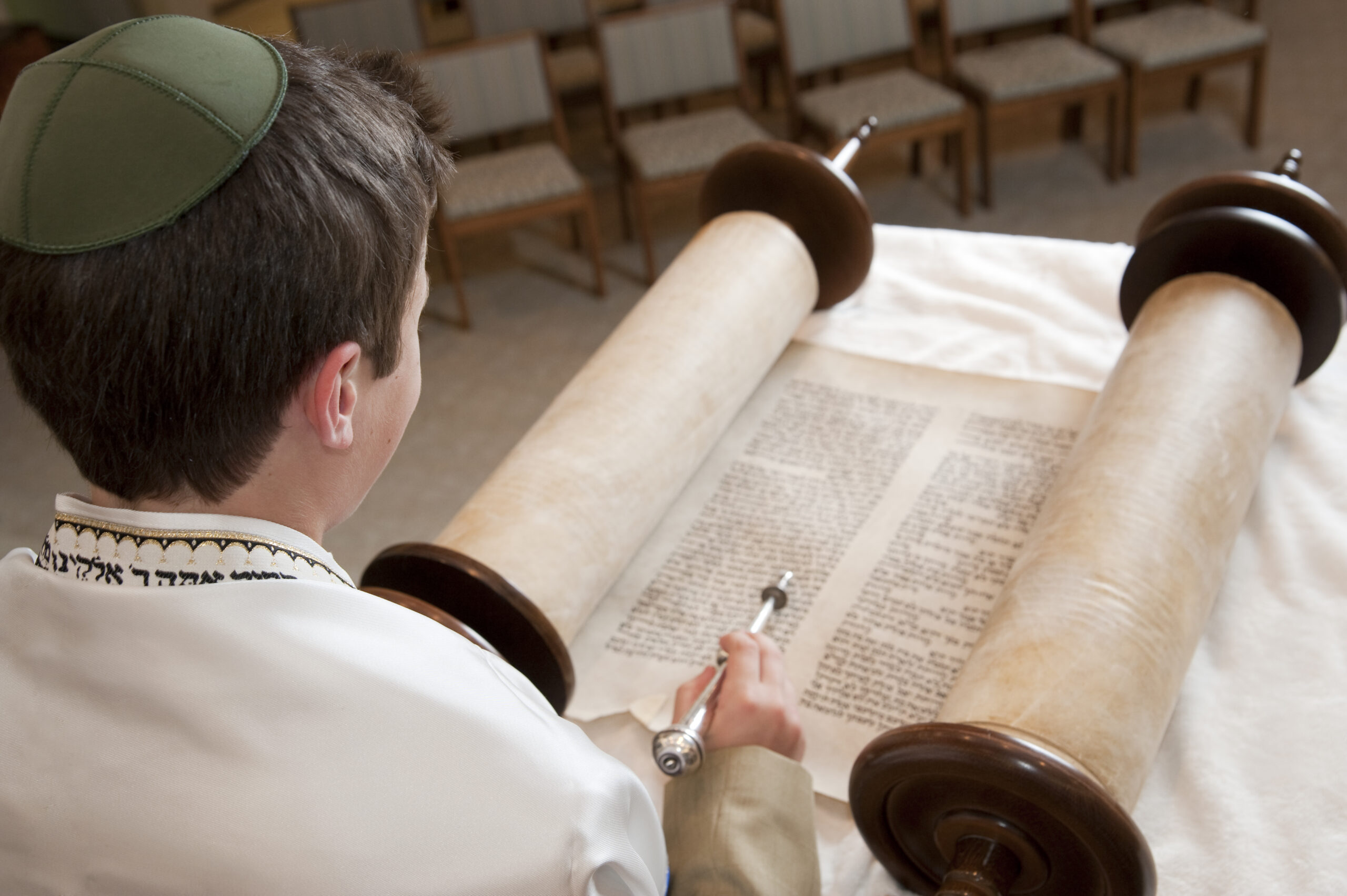
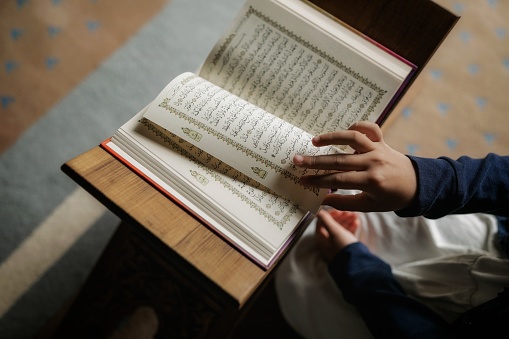
Lesson 2: What's the difference between a scroll and a book?
Describing the similarities and differences between the ways in which scriptures are used by Jewish people and suggesting reasons why some people may value the Torah scroll and Chumash.
Learning objective
This content is for subscribers only. Join for access today.
Success criteria
This content is for subscribers only. Join for access today.
Religious Education Council Curriculum Framework for RE in England (non-statutory guidance):
Cross-curricular links
Before the lesson
This content is for subscribers only. Join for access today.
Lesson plan
1. Recap and recall
Recap the meanings of holy, revelation and sacred:
- holy: related to God or religion, considered special and to be respected by followers.
- revelation: the act of revealing or making something known that was previously hidden or secret.
- sacred: something that is greatly respected and treated with care, especially in religious contexts.
Display the Presentation: What am I? and ask the children to explain to their partner what vocabulary is being represented from the previous lesson. They should choose one from the following: 'revelation,' 'holy,' or 'sacred' and give reasons for their choice.
This content is for subscribers only. Join for access today.
Adaptive teaching
Assessing progress and understanding
Vocabulary definitions
In this unit
Assessment – R&W Y3: Is scripture central to religion?Lesson 1: What do some people mean by revelation?Lesson 3: How is scripture used by some Muslims?Lesson 4: How are some scriptures both similar and different?Lesson 5: What does the Bible mean to some Christians?Lesson 6: How and why are scriptures central to religion?
Created by:
Maintained by: Kapow Primary teamLast update: 6 August 2026