Lesson 5: Travelling teddy
Writing a travel diary for 'Oscar el Oso' in the style of a storyboard, describing his travels through Latin America.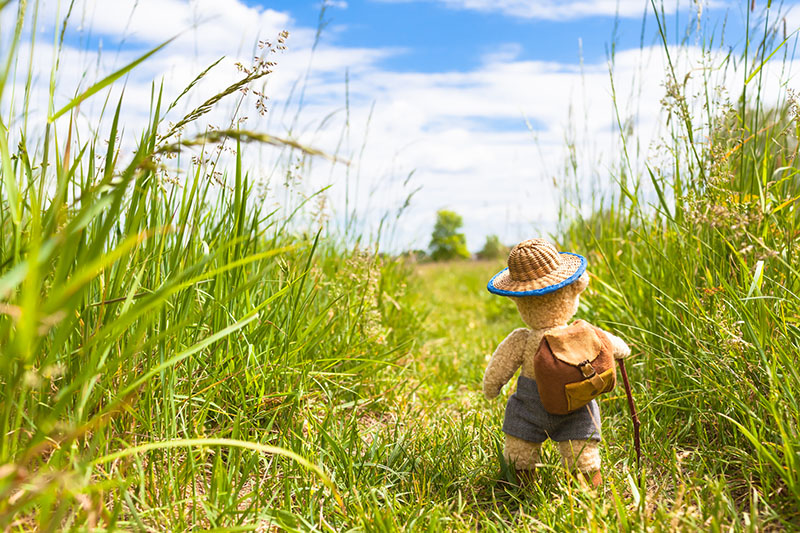
Learning objective
-
To compose
Success criteria
-
I can recall and use the Spanish days of the week in my travel diary.
I can include some Latin American countries in my travel diary.
I can include a variety of transport types in my travel diary.
Before the lesson
Check all images, videos, links and presentation slides are suitable for your class.
- Presentation: Oscar's diary.
- Presentation: Oscar el Oso's adventures.
Devices with internet access (optional - see During the Week).
- Resource: Knowledge Organiser: Spanish - Journey around Latin America.
- Teacher note: Translations.
- Link: Heyday UK - We're Going on a Bear Hunt (Spanish) on Videolink (optional - see During the Week) - this is an external website and we do not have control over its content - please check before showing it to the children.
Lesson organisation
Teddy bears and preparation for Lesson 6
Ideally, the children will need one teddy or soft toy per pair for the next lesson (Lesson 6: Puppetshow). At the end of the current lesson, ask the children to bring in a teddy for next lesson's puppet show performance. Note - there are alternative Oscar el Oso props to use in Lesson 6 if needed.
If it is not practical or desired for the children to bring in a teddy, alternative props can be created in advance of Lesson 6. Using some lolly sticks or spare pencils, the Resource: Transport props and the Resource: Oscar el Oso from Lesson 6: Puppetshow, the children could create stick puppets to represent Oscar and the transport.
Design and Technology project
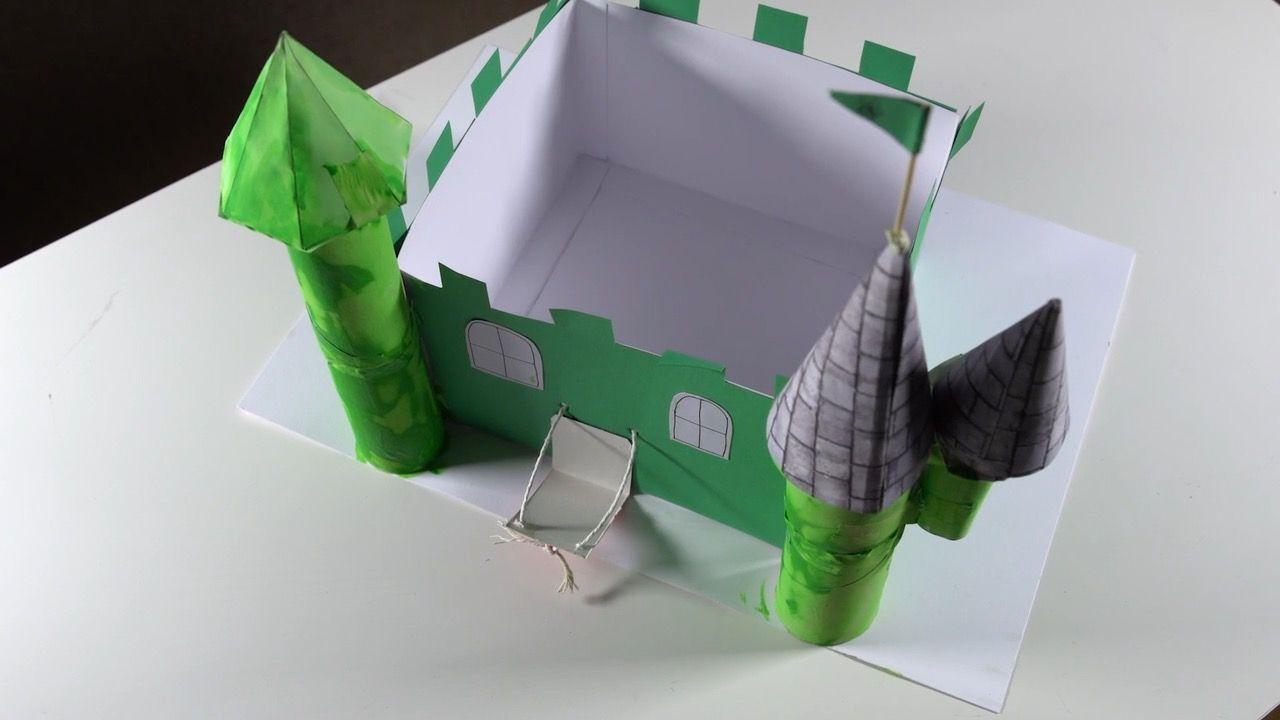
As part of Design and Technology, the children could design and make a puppet show 'stage' for Lesson 6: Puppetshow, in advance of the lesson. (See During the week for more details).
Lesson plan
Display the Presentation: Oscar's diary (used in the previous lesson):
Point out to the children that on the slide, there are numbers under each English day of the week: number one for Monday as it is the first day of the week, and so on.
Play the audio for the first day of the week displayed, jueves. Ask the children to hold up a number of fingers between one and seven to indicate which day of the week this corresponds to (the children should hold up four fingers to show that jueves - Thursday, is the fourth day of the week).
Repeat for each day of the week, asking the children to display between one and seven fingers each time. When different answers are given by the children, choose the majority vote and drag the day into the space that the children have indicated.
Click on the eye symbol at the end to reveal the answers.
Show the children the Pupil video: Oscar el Oso's adventures.
Ask the children to recall any information that they learnt in this video, e.g. Oscar is travelling across Latin America, which countries he visited, which modes of transport he used, etc. Note that due to the faster pace, the children are not expected to grasp all of the language from the video yet.
Display the Presentation: Oscar el Oso's adventures.
Click through each of the pins on the map, in order from the top to the bottom, to hear again about Oscar's journey. Each pin reveals a pop-up with audio, text and an image. Click to listen to the audio, asking the children to follow along by reading the text in Spanish as the audio plays. Click to reveal the English translation.
For convenience, the text for Oscar's journey is in the Teacher note: Translations.
Explain to the children they will work in pairs to help Oscar to plan his next adventure. They will write travel diaries for Oscar so that he knows where he will be going and how he will be travelling.
Hand out the Knowledge organisers and the Activity: Oscar el Oso's travel diary (one each - see Adaptive teaching for alternative versions).
Arrange the children into suitable working pairs. The children complete one sheet each while working together, creating two copies of the same diary.
The activity sheet sets out a travel diary for Oscar in the style of a storyboard. Some words, phrases and pictures are already filled in to guide the children. The first box, detailing lunes - Monday, is completely filled in. The children should use this box as a scaffold on which to base the rest of their writing. The children should also use their Knowledge organisers to support them with spelling and vocabulary choices.
Allow the children suitable time to work on their diaries.
Explain to the children that in the next lesson, they will perform their travel diaries in the style of a puppet show. In preparation for this, ask the children to practise reading their travel diary out loud with their partner, taking turns to read a day each.
If desired, ask the children to bring their own teddies or soft toys to represent Oscar before the next lesson so that each pair has an Oscar el Oso teddy to perform with (see Teacher knowledge). Note - there are alternative Oscar el Oso props to use in Lesson 6: Puppetshow if needed.
Activities
Using devices with internet access, ask the children to research some sites or cities in each country they have written about in their travel diaries.
As part of Design & Technology, the children could create a puppet show 'stage' for the next lesson using cardboard boxes and other materials.
- Using some lolly sticks or spare pencils, the Resource: Transport props and the Resource: Oscar el Oso from Lesson 6: Puppetshow, the children could create the required props for their puppet show in advance of the lesson.
Links
Link: Heyday UK - We're Going on a Bear Hunt (Spanish) on Videolink - watch the familiar story by Michael Rosen in Spanish.
Full-screen slides, ready for your classroom, chosen by you.
-
To compose a travel diary in Spanish.
We value your feedback
We welcome your feedback to help make our resources even better