Lesson 3: How do people remember the rules?
Investigating how rituals and artefacts can help some people to think about deciding what is right and wrong.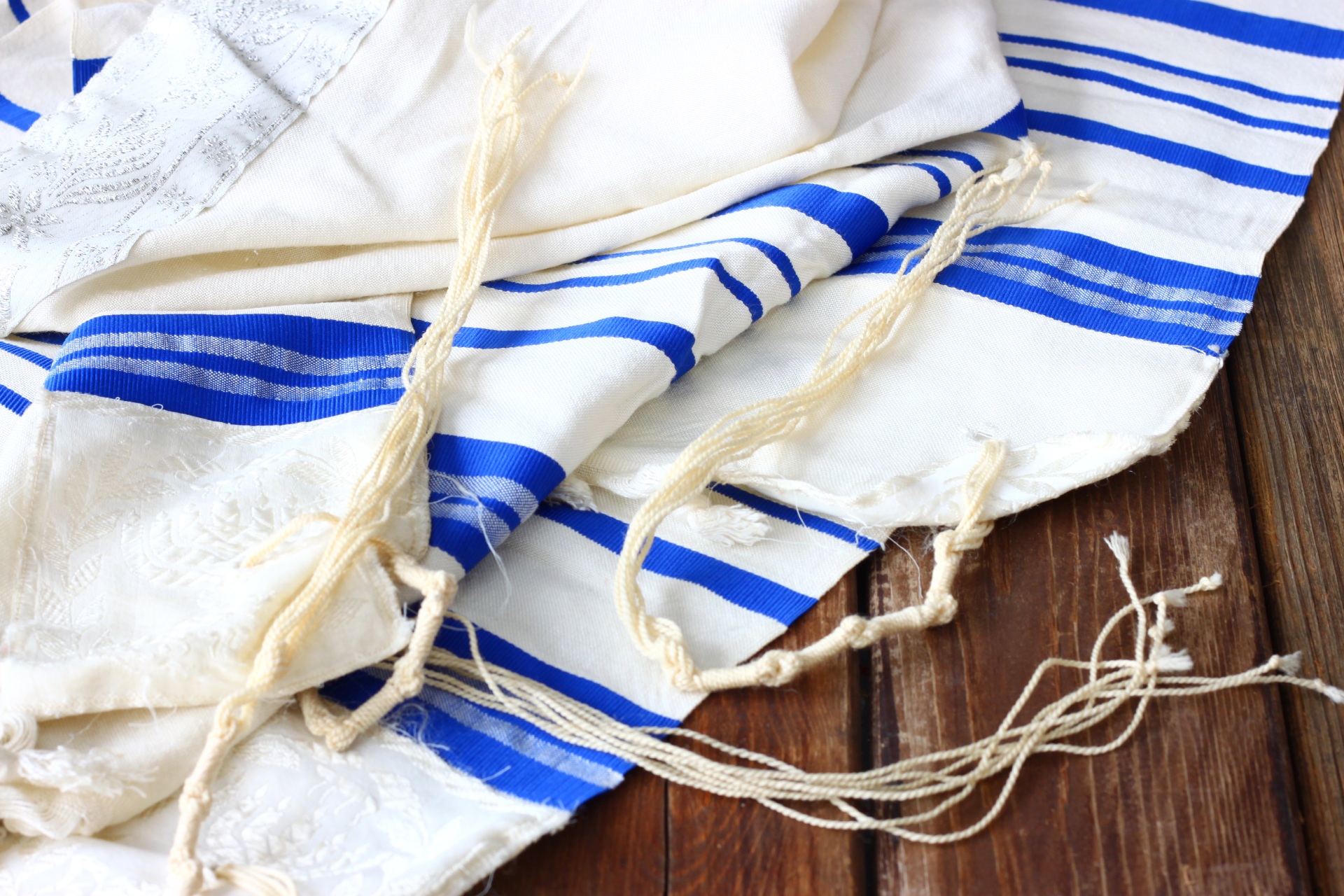
Learning objective
This content is for subscribers only. Join for access today.
Success criteria
This content is for subscribers only. Join for access today.
Religious Education Council Curriculum Framework for RE in England (non-statutory guidance):
Cross-curricular links
Before the lesson
This content is for subscribers only. Join for access today.
Lesson plan
1. Recap and recall
Display slide 1 of the Presentation: The Ten Commandments, and ask the children to recall as many of the commandments as they can. Reassure them that they do not need to recall them word for word. Use slide 2 to go through the correct answers.
This content is for subscribers only. Join for access today.
Adaptive teaching
Assessing progress and understanding
Vocabulary definitions
In this unit
Assessment – R&W Y3: Where do our morals come from?Lesson 1: How do we know what is right and wrong?Lesson 2: What do some Christian and Jewish people believe about right and wrong?Lesson 4: Is all religious guidance the same?Lesson 5: How do some Buddhists make moral decisions?Lesson 6: What helps you make moral decisions?Optional: Why do many Christians think that Christmas is good news?
Created by:

Maintained by: Kapow Primary teamLast update: 3 July 2026