Learning objective
- To identify similarities and differences between places of worship.
Success criteria
- I can identify the features of a mosque,
This content is for subscribers only. Join for access today.
Religious Education Council Curriculum: Framework for RE in England (non-statutory guidance):
- A1: Recall and name different
This content is for subscribers only. Join for access today.
Cross-curricular links
English
Spoken language
Pupils should
This content is for subscribers only. Join for access today.
Before the lesson
This content is for subscribers only. Join for access today.
Lesson plan
Recap and recall
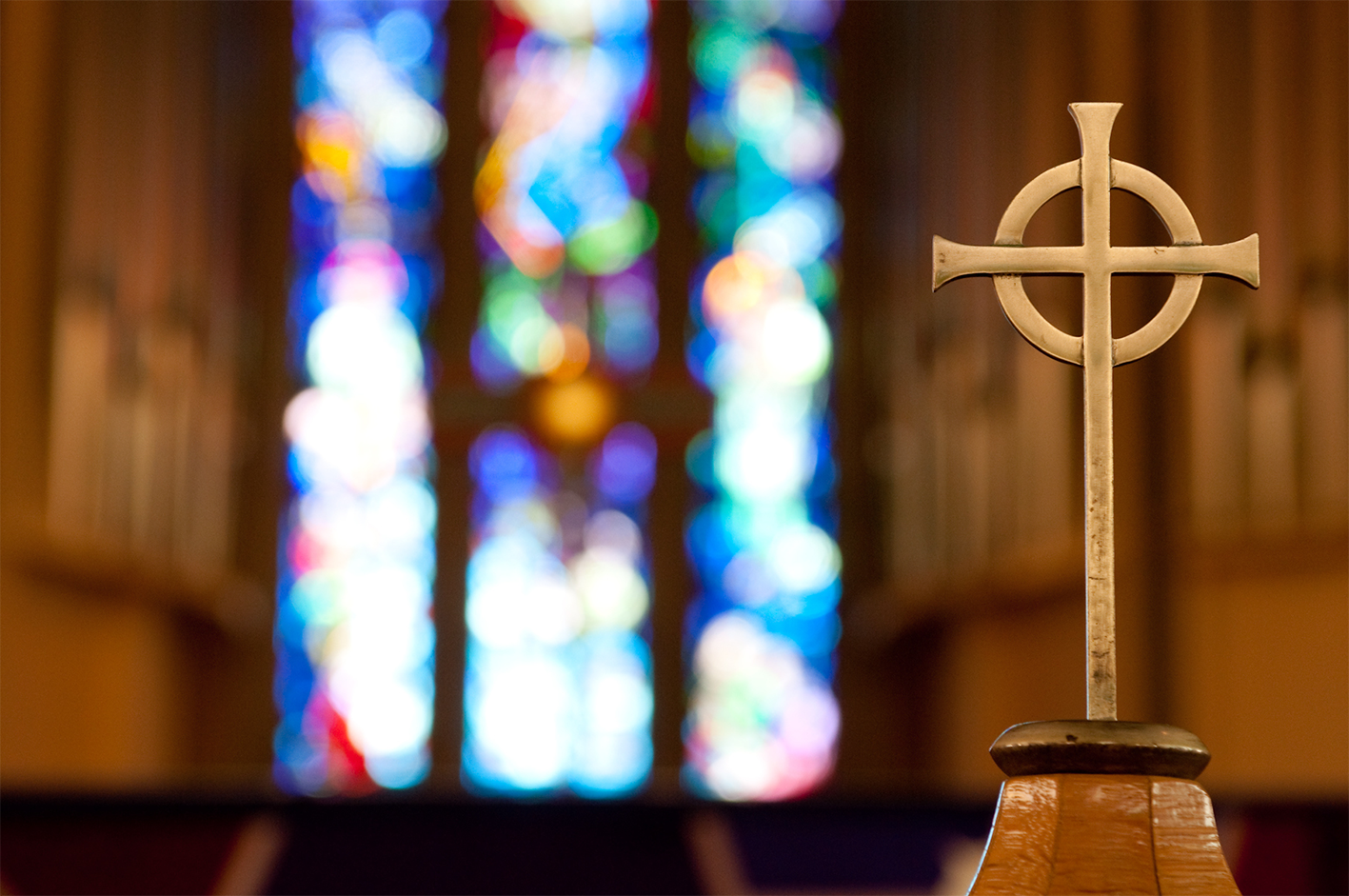
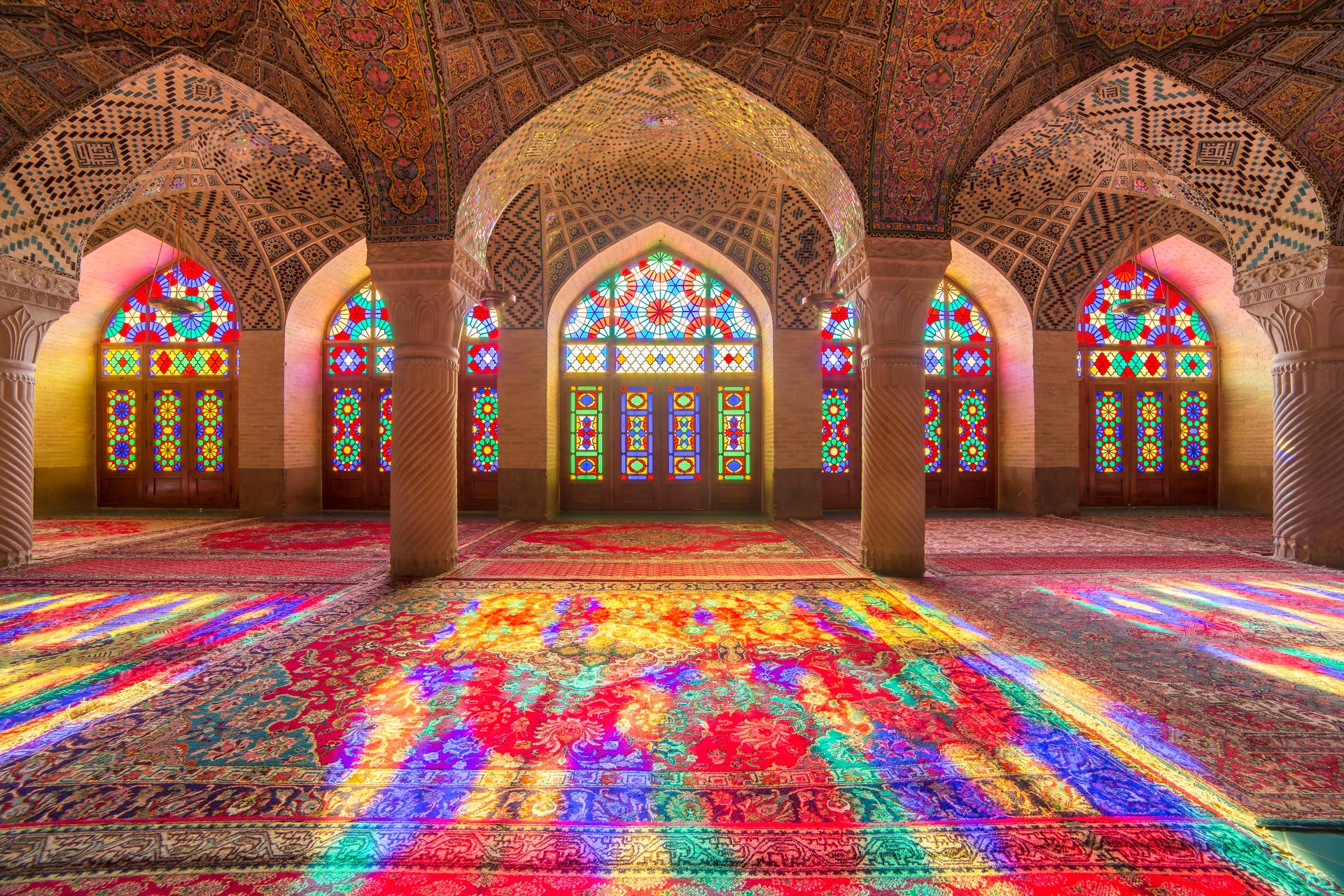
Choose one virtual tour of either the gurdwara (where Sikhs gather), mosque (where Muslims gather) or church (where Christians gather), depending on the school setting and the children’s experience: Link: 50 Buildings Project – Guru Nanak Gurdwara Hadley.* Link: Bradford Grand Mosque.* Link: Discover Matterport – All Saints Church.* Use the questions below to guide…
This content is for subscribers only. Join for access today.
Extended-mode explainer videos
How to extend your display to view the lesson page and presentation mode simultaneously. Choose your operating system below to watch the video
If you need further support with extending your display,
please contact [email protected].
Extended-mode explainer video: For Mac
Extended-mode explainer video: For Windows
Adaptive teaching
Pupils needing support:
- Could use the Pupil video: Places of worship to identify features of each place of worship by pausing to discuss what people are doing before the lesson.
- Could explain their ideas orally before writing to rehearse similarities and differences.
Pupils working at greater depth:
- Should identify features that are common to many places of worship by explaining how they help people pray, learn or gather together.
- Should explain why some features are different between places of worship by linking them to different beliefs or ways of worshipping.
- Could compare another place of worship from previous learning (for example, a synagogue or mandir).
This content is for subscribers only. Join for access today.
Assessing progress and understanding
Pupils with secure understanding can:
- Recognise different places of worship and their features.
- Identify
This content is for subscribers only. Join for access today.
Vocabulary definitions
-
Alevi
A person who believes in a universal power and truth, Hakk (God).
-
cemevi
A special place where people who follow the Alevi worldview gather, pray and perform their religious activities.
This content is for subscribers only. Join for access today.
In this unit
Assessment - R&W Y2: Where do some people talk to God?
Lesson 1: Why are places of worship special?
Lesson 2: Why do some Muslims go to the mosque?
Lesson 3: Why do some Christians go to church?
Lesson 4: Why do some Sikhs go to the gurdwara?
Lesson 5: How are places of worship similar and different?
Lesson 6: What makes a place of worship special?