Optional: What can Easter teach about forgiveness?
A Year 3 optional lesson investigating a range of sources including the Easter story, bible quotes and personal responses to find out what Easter can teach about forgiveness.
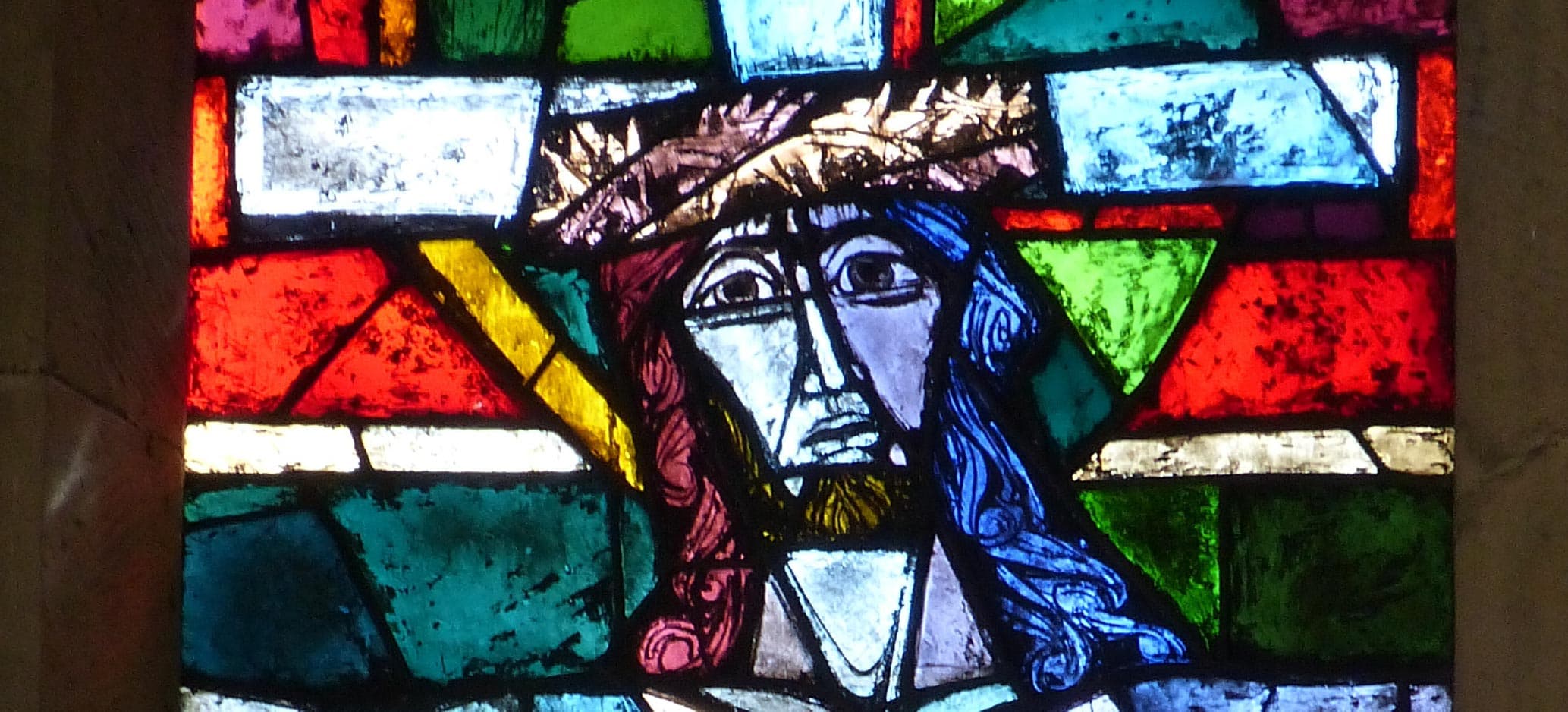
Learning objective
To explore the themes of forgiveness in the Easter story through texts and personal responses.
Success criteria
I can explain what forgiveness means.
I can connect forgiveness to Jesus’ death and coming back to life.
I can reflect on how forgiveness can affect relationships.
Before the lesson
Watch
- 691 views
Watch
- 691 views
Lesson plan
Display the Presentation: Easter story recall and ask the children to discuss with their partner what event each image shows and the correct order of the events. Take feedback and drag and drop the images into the correct order.
Ask the children which image they think best links to the word 'hope', asking some children to explain their ideas to the class.
Presentation: Easter story recall
Make presentation full-screen
Display slide 1 of the Presentation: Forgiveness and ask the children what they think forgiveness means. Reveal the definition on slide 2 and ensure the children understand the meaning.
Display slide 1 of the Presentation: Forgiveness and ask the children what they think forgiveness means. Reveal the definition on slide 2 and ensure the children understand the meaning.
Presentation: Forgiveness
Display slide 1 of the Presentation: Forgiveness scenarios, showing a familiar scenario. Ask the children to discuss the following questions in pairs:
- Who might choose to forgive who? (Emily might forgive Jamie for pushing her.)
- How easy or difficult might it be to forgive? (Answers may include: it could be easy because she knows he did it out of frustration and is normally kind; it might be hard as it was an unkind response to her accidentally doing something.)
- What might be a benefit of forgiveness in this situation? (Possible answer: a benefit would be that they would be friends and could enjoy playing together next time.)
- What might be a challenge? (Possible answer: Emily might feel worried about getting something wrong in a game another day because of how Jamie treated her.)
Presentation: Forgiveness scenarios
Make presentation full-screen
Repeat with the scenarios on slides 2-4, taking feedback after each slide.
Explain that many Christians believe the Easter story can teach them about forgiveness and that this will be explored in the rest of the lesson.
Remind the children that the Easter story is written in the New Testament of the Christian Bible, which includes recounts about Jesus’ life. Point out that many Christians believe these events to be real events that happened around 2,000 years ago, whereas other people view them as stories that may not have actually happened as written.
Watch the Pupil video: Holy week and ask the children to note down on their whiteboards all the times someone did something unkind or upsetting to Jesus.
Remind the children of the unit question 'Why and how is Easter celebrated?'
Ask the children which part of the question they have learnt about in this lesson (Why is Easter celebrated?).
Ask the children to try to say one sentence to their partner answering the question using a word from the Presentation: Wrapping up words. Then ask them to find a new partner and tell their new partner the sentence their first partner said.
Repeat the activity with new partners, asking them to try and use a different word in their sentences.
We value your feedback
We welcome your feedback to help make our resources even better
In this unit
Assessment – R&W Y3: What happens if we do wrong?
Lesson 1: When people do wrong, who decides the consequences?
Lesson 2: Why is forgiveness important to many Christians?
Lesson 3: How do Christians believe they can make things right?
Lesson 4: How do some Jewish people seek forgiveness?
Lesson 5: How do some Muslim people seek forgiveness?
Lesson 6: What do some Hindu people believe about karma?
- Current lesson
Optional: What can Easter teach about forgiveness?