Lesson 2: What is free will?
Investigating what is meant by free will through the story of Adam and Eve.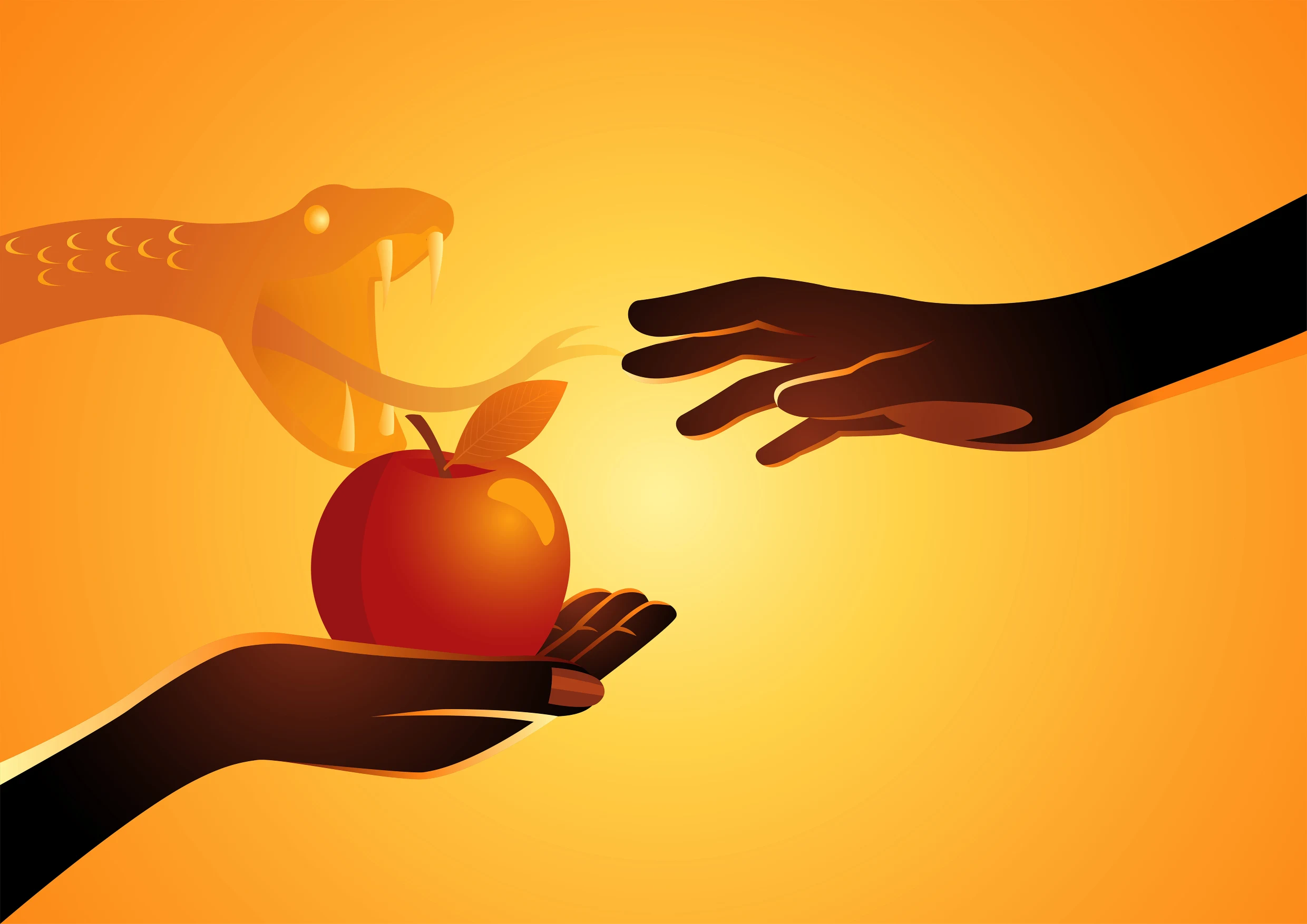
Learning objective
This content is for subscribers only. Join for access today.
Success criteria
This content is for subscribers only. Join for access today.
Religious Education Council Curriculum Framework for RE in England (non-statutory guidance):
Cross-curricular links
Before the lesson
This content is for subscribers only. Join for access today.
Lesson plan
1. Recap and recall
Explain that the children will work with a partner to recall and expand on key facts from the last lesson. Display the Presentation: Tell me more, and read the two statements aloud. Allow time for a paired discussion. Encourage the children to turn each statement into a longer sentence by adding a reason, example or more detail.
This content is for subscribers only. Join for access today.
Adaptive teaching
Assessing progress and understanding
Vocabulary definitions
In this unit
Assessment – R&W Y6: Why is there suffering? (part 1)Lesson 1: How do people suffer?Lesson 3: Why do we cause suffering?Lesson 4: Does being good always mean less suffering?Lesson 5: If God is all-powerful, can suffering not be stopped?Lesson 6: How might beliefs about Jesus affect responses to suffering?Optional Easter lesson: Why might some people take part in Easter traditions?
Created by:
Maintained by: Kapow Primary teamLast update: 29 September 2026