Lesson 2: Air resistance
Investigating the relationship between surface area and air resistance using parachutes.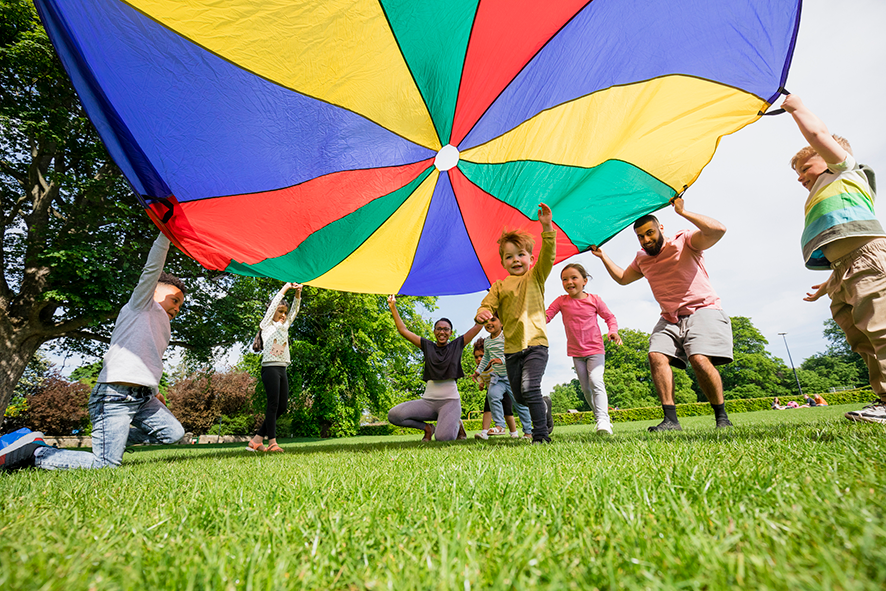
Learning objective
This content is for subscribers only. Join for access today.
Success criteria
This content is for subscribers only. Join for access today.
National curriculum
Cross-curricular links
Before the lesson
This content is for subscribers only. Join for access today.
Lesson plan
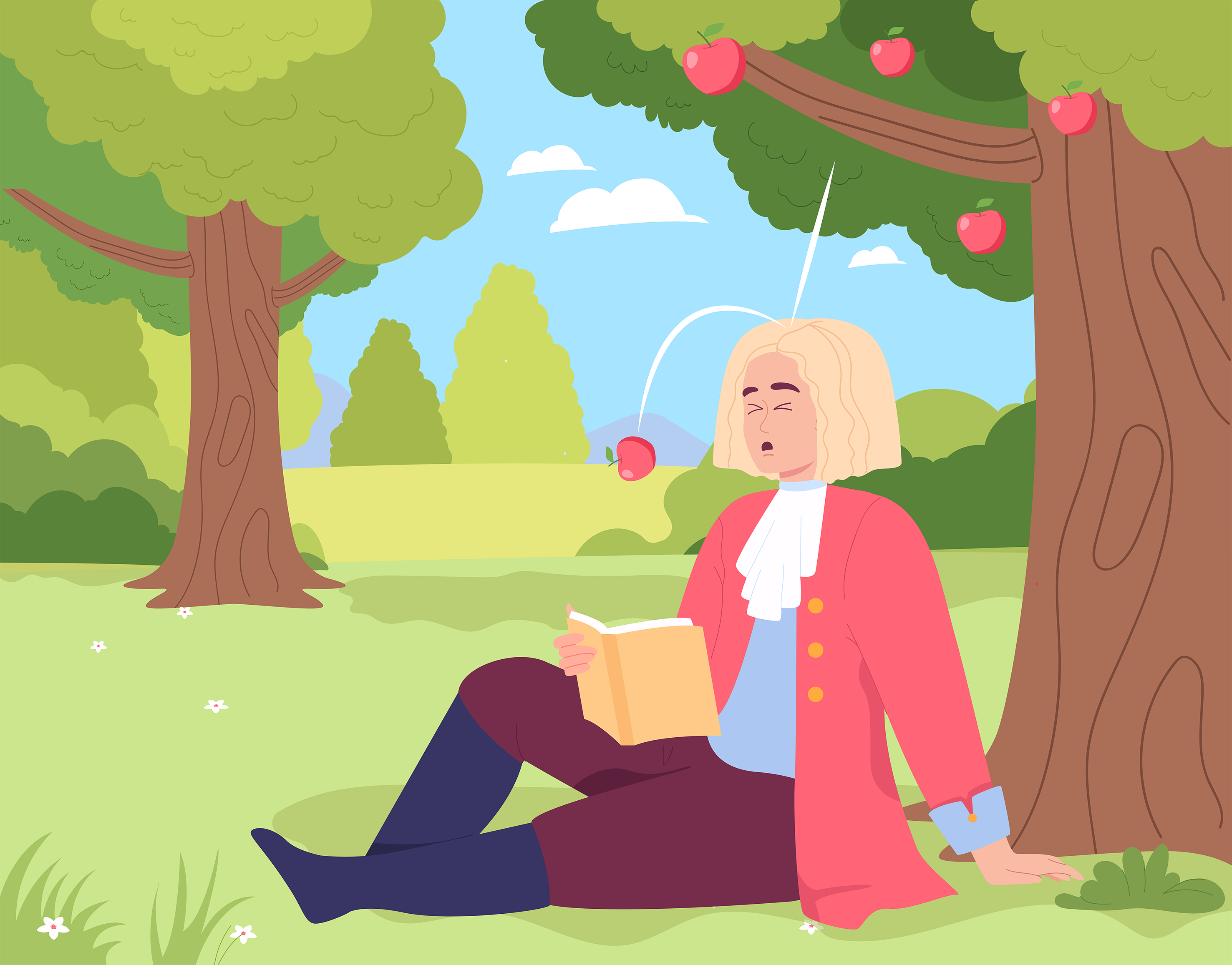
Hand out whiteboards and pens (one each) and arrange the class into pairs. Assign one of each pair the role of Sir Isaac Newton or Galileo Galilei. Instruct them to write down their contributions to the theory of gravity as discussed in the Pupil video: Gravity (see Lesson 1: Gravity). Ask them to debate who contributed more to the theory, referencing the points they noted down.
Divide the class into two groups: an Isaac Newton group and a Galileo Galilei group. Ask them to choose their strongest three points to prove that they contributed more to the theory of gravity. Take feedback from each group.
Points regarding Newton may include that he discovered:
Gravity is greater if the mass is greater.
Gravity is greater if objects are closer together.
All objects have gravity.
Points regarding Galileo may include:
He tested his theories.
He did experiments that proved how objects fall.
This content is for subscribers only. Join for access today.
Adaptive teaching
Assessing progress and understanding
Vocabulary definitions