Lesson 1: Growing old
Describing physical and developmental changes from birth to old age and depicting this as an agamograph.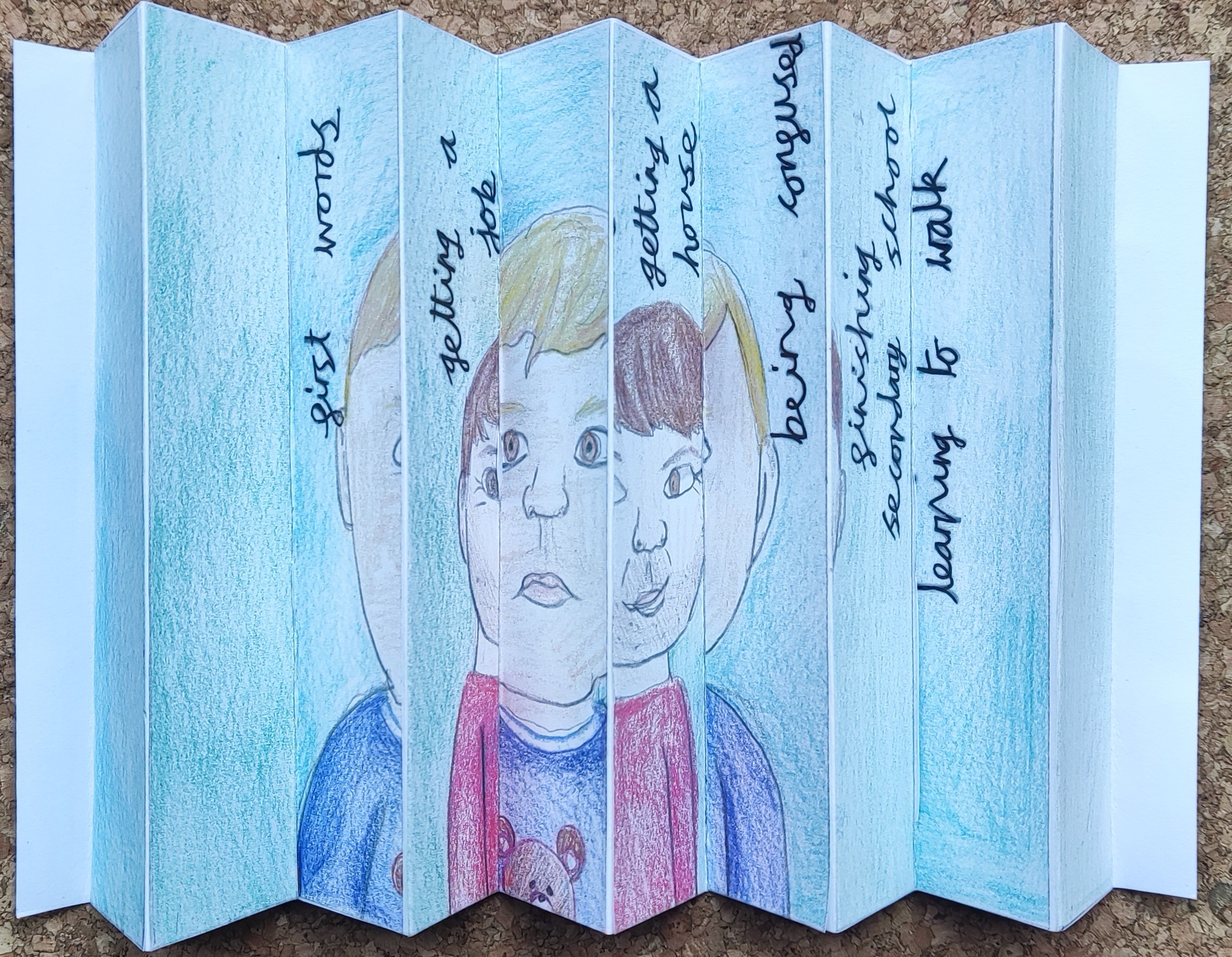
Learning objectives
This content is for subscribers only. Join for access today.
Success criteria
This content is for subscribers only. Join for access today.
National curriculum
Cross-curricular links
Before the lesson
This content is for subscribers only. Join for access today.
Lesson plan
Before starting this unit, check that the children can recall the following key facts from the unit Science, Year 5, Life cycles and reproduction:
The life cycle of a mammal includes mating, gestation, birth, newborn, infancy, juvenile, adolescent and adult stages.
Infancy is the stage following newborn, often characterised by rapid growth and dependence on parents for survival.
Adolescence is when a young organism is in the process of developing into an adult and experiences physical and sometimes behavioural changes.
Adults are fully developed and mature organisms capable of reproduction.
Reproduction is the life process where new organisms are produced.
Sexual reproduction in mammals produces offspring with the characteristics of both parents.
Use the Activity: Human timeline mind map (one each) if required.
This content is for subscribers only. Join for access today.
Adaptive teaching
Assessing progress and understanding
Vocabulary definitions