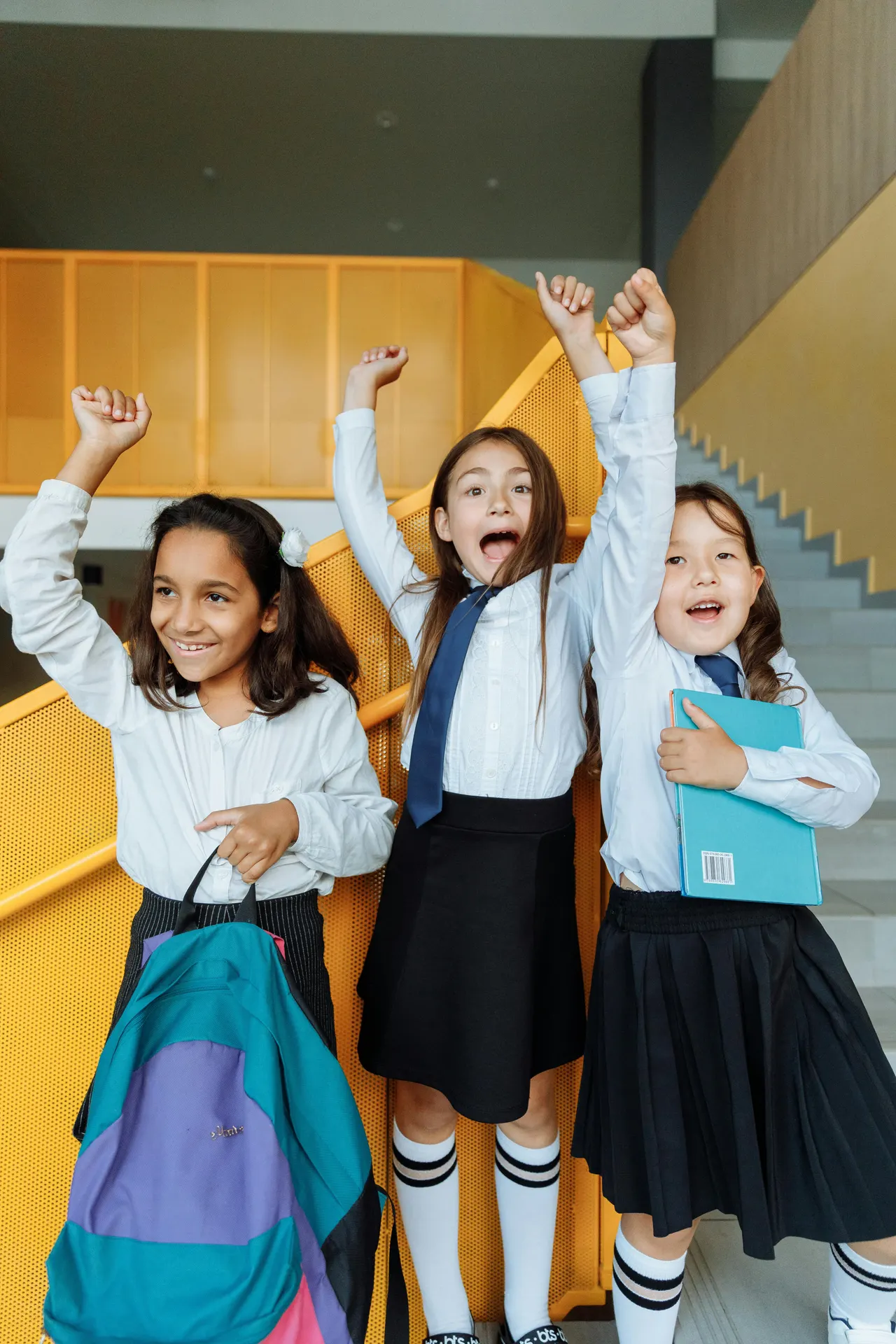
Give: Giving to my community
Giving a pledge of kindness to a contributor of my school community.
Learning objective
To give through an act of kindness.
Success criteria
I can explain how a person contributes to the community.
I can create three pledges of kindness.
I can act on my pledge of kindness.
Before the lesson
Watch
- 906 views
Watch
- 906 views
Lesson plan
This lesson builds on knowledge and concepts introduced in this lesson:
- Wellbeing, Year 3, Give, Lesson 4: Appreciation.
Bingo - key vocabulary
Provide each child with a whiteboard and a pen and ask the children to create a bingo board on their whiteboard drawing one line horizontally and two lines vertically, creating six squares. Display slide 1 of the Presentation: Bingo! Ask the children to look at the key words from the list and choose six words, placing one in each of the boxes on their whiteboards.
Explain that the clues for the definitions of each key word will be read out (not in order). Provide the children with 20 seconds of thinking time and then allow them to decide whether they have a key word word written down that matches the clue. If they think it is a match, they need to cross the key word out on their bingo board. Remind the children not to rub out answers.
Once all of their key words have been struck through, the child must call ‘Bingo!’ Check the words and the definitions by displaying them on slide 2 of the presentation. Ask the other children to check the definitions that they have too, referring to any misconceptions.
Words and definitions:
appreciate – to recognise the full worth of someone or something.
kindness – the quality of being friendly, generous and considerate.
give – to offer or provide something.
volunteer – offering time or help to others without payment.
support – providing help or encouragement to someone or something.
manners – being polite and respectful.
gift - a thing given willingly to someone without payment.
gratitude – the quality of being thankful and a readiness to show appreciation.
donation – something that is given to those in need.
generous – being willing to give, share or help without expecting anything in return.
Presentation- Bingo - key vocabulary
Ask the children to discuss in partners what communities they belong to that help look after them.
Display the Presentation: Who contributes to our school community? Discuss the different images in pairs and then ask for feedback. Create a class mind map on a whiteboard or flip chart paper of anyone who contributes to the school community. Include any information about their roles and their positive impact on children, parents or staff at the school. (Examples could include: teachers, teaching assistants, school crossing patrols, cleaners, site managers, chefs, after school clubs, lunchtime assistants, outdoor helpers, volunteers etc).
Emphasise that at school there are many people who help us and contribute to making our school a great place for everyone to feel safe, have fun, and learn.
Presentation: Who contributes to our school community?
Question
How do people make our school community a better place? (Answers may include: help us to learn; support us with mental health or wellbeing; make amendments to the school; cook dinners; ensure we can learn in a safe, clean environment; plan learning; listen to us read; plan events.)
Ensure the class are sitting in table groups. Hand out the Activity: Our community star contributions (one per group) and ask the children to write down who they feel contribute to the school community. Invite the children to feedback their ideas to the class.
Explain to the children that they will now choose one of their community stars and write a pledge letter to them.
Display the Activity: Pledge lettertemplate to the class and explain the task to the children:
The letter's purpose being to inform a person you are thankful for their impact on the school community.
Reasons they appreciate this person.
Three ways they would like to show their appreciation. (Examples may include: volunteering; saying thank you or writing a thank you note; helping.)
Ask the children to discuss in groups how they can give their time and effort to contribute to this person and note ideas down.
Hand out the Activity: Pledge letter template (one each).
Allow the children to share some of their pledge letters with the class.
Ensure that the letters are passed on to community stars.
Agree a response time from community stars in order to allow the children to act on their pledges.
After the children have completed their pledge and act of appreciation, ask the children how it felt to give their time and support to another community member.
Children could create a pledge letter for someone at home they are thankful for.
Further resources:
Books
"Kindness is my superpower," by Alicia Ortego.
"Earth heroes," by Lily Dyu and Amy Blackwell.
Links
- Mental Health Foundation - Mental health kindness matters guide.
This is an external website and we do not have control over its content - it has been selected for the teacher only and is not intended to be shown to pupils.
We value your feedback
We welcome your feedback to help make our resources even better
In this unit
Assessment – Wellbeing Y4
Discover: Resilience
Take notice: My thoughts
Connect: Pen pals
- Current lesson
Give: Giving to my community
Move: Making a beat