Lesson 1: What can make a space significant? People, place or practice?
Investigating the significance of religious and non-religious spaces.
Learning objective
This content is for subscribers only. Join for access today.
Success criteria
This content is for subscribers only. Join for access today.
Religious Education Council Curriculum Framework for RE in England (non-statutory guidance):
Cross-curricular links
Before the lesson
This content is for subscribers only. Join for access today.
Lesson plan
Before starting this unit you might want to check children can recall:
Makkah is an important place for Muslims.
- The Qur’an, Sunnah and Hadith are important scriptures for Muslims:
the Sunnah has the practices of the Prophet Muhammad enclosed; he is a perfect example to Muslims;
the Hadith contain the sayings of the Prophet Muhammad.
Generally, Humanists do not believe in a god or gods.
There are certain rituals a Muslim will try to complete when carrying out Hajj.
Abraham is an important prophet for many Christian, Jewish and Muslim people.
- Two temples were built and destroyed in Jerusalem:
they were built by Jewish people as a sanctuary for God;
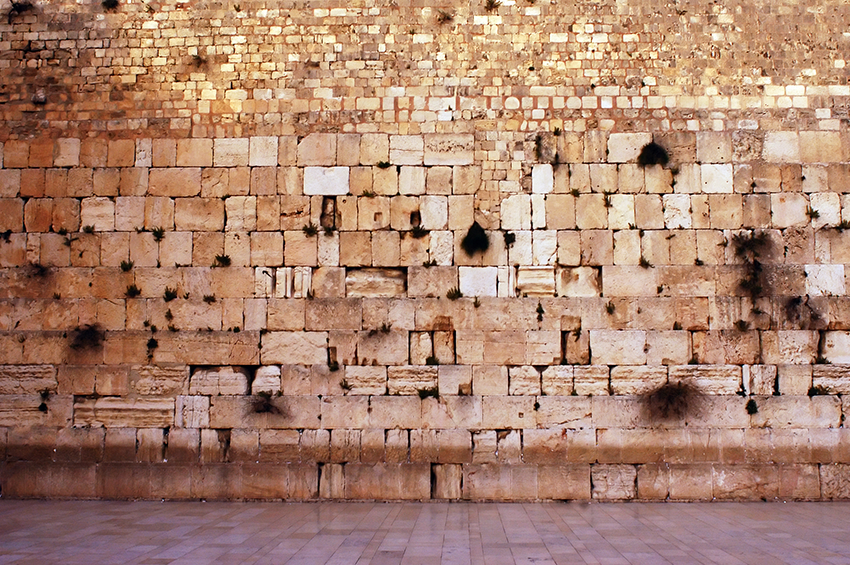
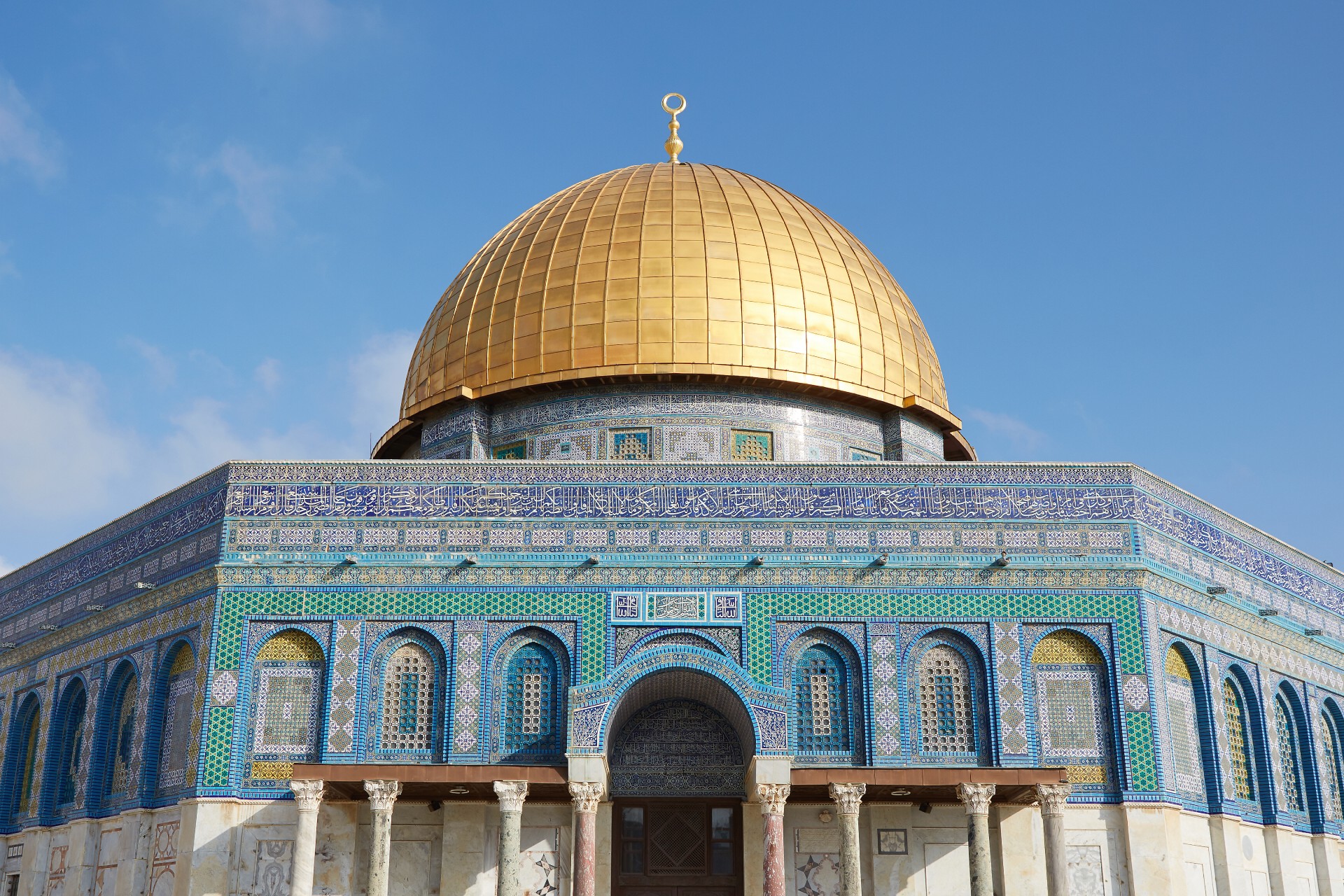
the Temple Mount and Western Wall are two parts that still remain and hold significance for religious followers.
This content is for subscribers only. Join for access today.
Adaptive teaching
Assessing progress and understanding
Vocabulary definitions
In this unit