Lesson 5: A French week
Listening to an authentic French text telling a traditional fairy tale, practising using regular -er verbs and producing a short piece of creative writing about a week in the life of a character, using action verbs.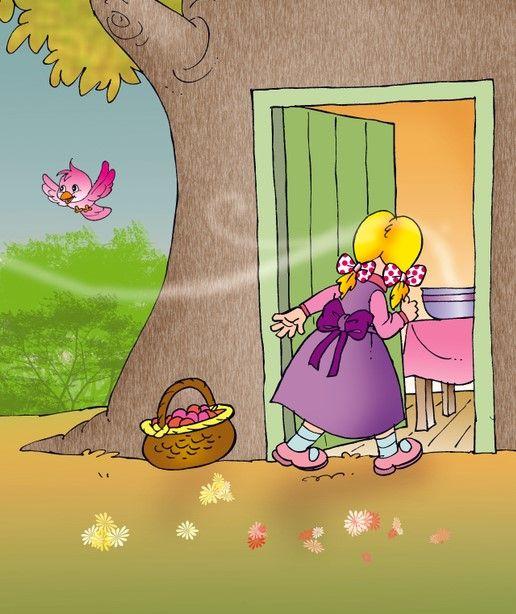
Learning objective
This content is for subscribers only. Join for access today.
Success criteria
This content is for subscribers only. Join for access today.
National curriculum
Cross-curricular links
Before the lesson
This content is for subscribers only. Join for access today.
Lesson plan
Quiz
The children work in pairs to carry out the following tasks:
- Recite the verb avoir - to have.
Explain what is an infinitive verb.
- Recite the verb être - to be.
Explain what the endings are for regular -er verbs.
Give three examples of -er verbs.
List the days of the week.
When you have given the children time to work through each of these tasks as a pair, take feedback on the answers from the whole class:
Answers
1. Avoir
j'ai
nous avons
tu as
vous avez
il a
ils ont
elle a
elles ont
2. An infinitive is the most basic form of a verb, for example, to run, to jump, to sit, to stand.
3. Être
je suis
nous sommes
tu es
vous êtes
il est
ils sont
elle est
elles sont
4. Regular -er verb endings are:
e
ons
es
ez
e
ent
e
ent
5. Example -er verbs include:
manger - to eat
aimer - to like
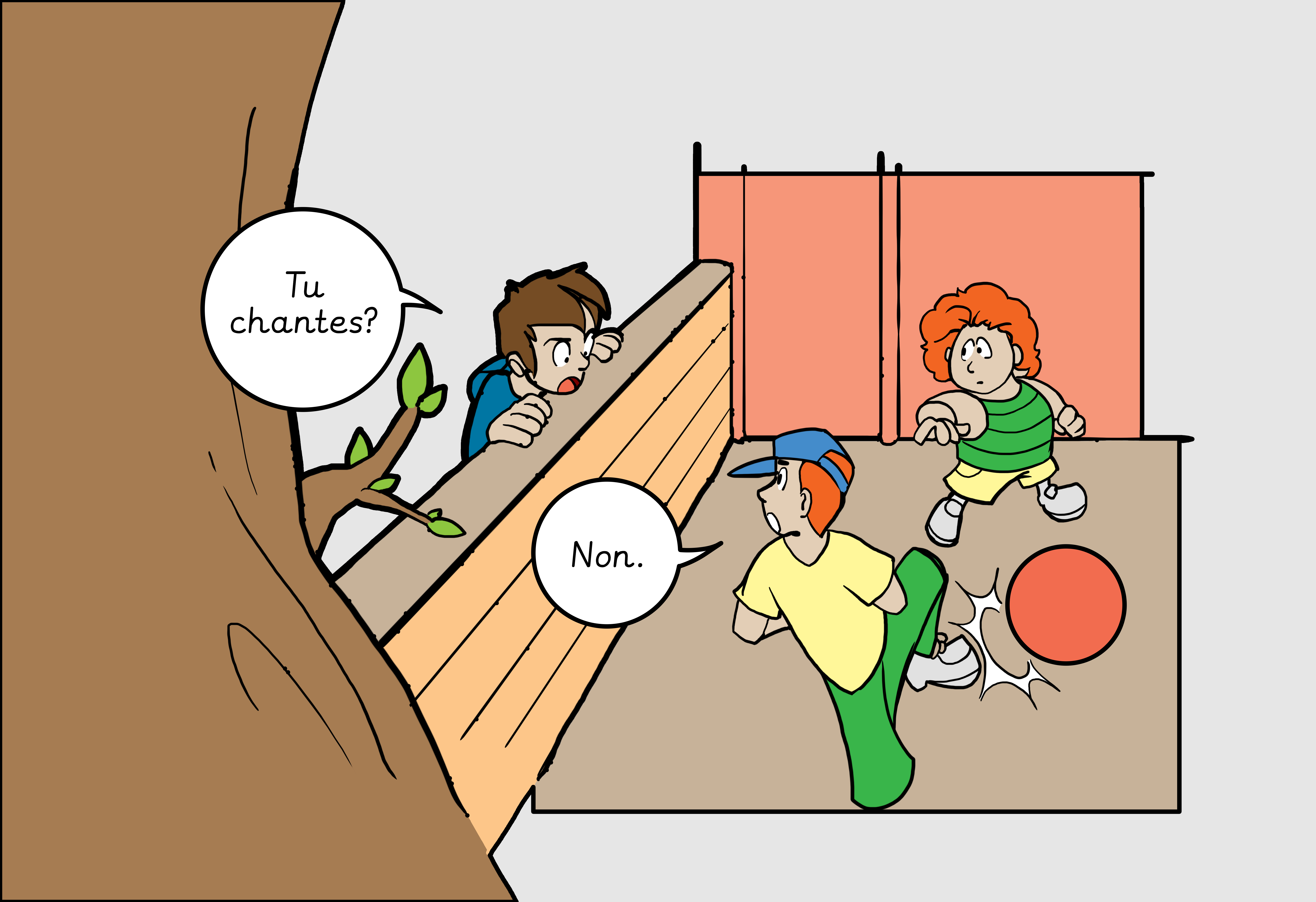
chanter - to sing
danser - to dance
nager - to swim
jouer - to play
6. Days of the week (the children revised these in Year 5 Shopping in France, Lesson 3: Monsieur Mangetout's French food week (kapowprimary.com)
lundi - Monday
mardi - Tuesday
mercredi - Wednesday
jeudi - Thursday
vendredi - Friday
samedi - Saturday
dimanche - Sunday
This content is for subscribers only. Join for access today.
Adaptive teaching
Assessing progress and understanding
Vocabulary and translations
Belinda has been a French and Spanish teacher based in Bath for more than 15 years. She has delivered a range of courses for teachers and PGCE students and is particularly passionate about weaving language, culture and global learning across the curriculum. Having previously worked in travel publishing, she is a keen explorer and nature lover with a fondness for all things South America.
Belinda has created topics on introductions through puppets, playground games, and has created a French science lesson on the circle of life.
Find out more