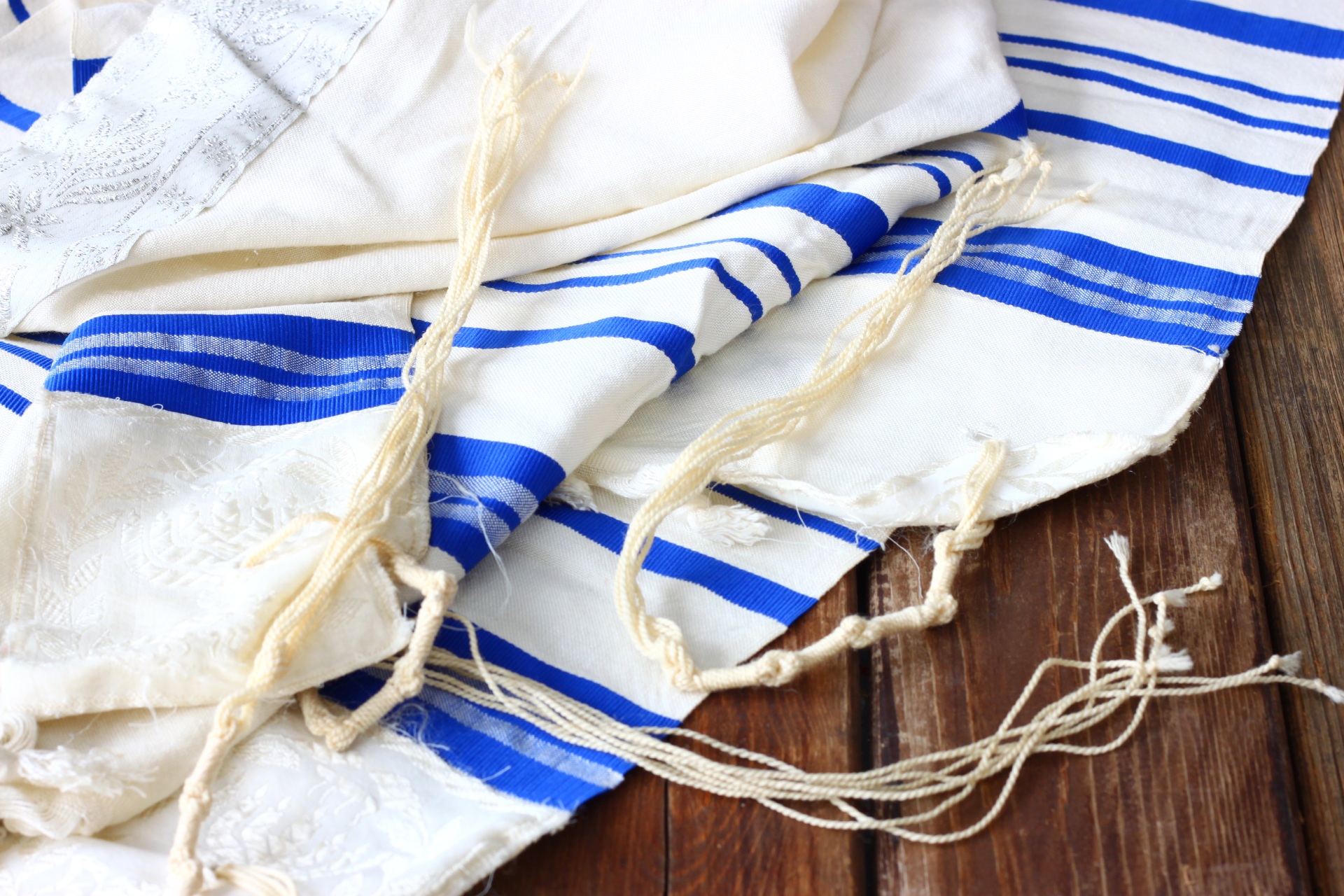
Lesson 4: What can a head covering tell us about identity?
Analysing representations by exploring traditions, culture and fashion.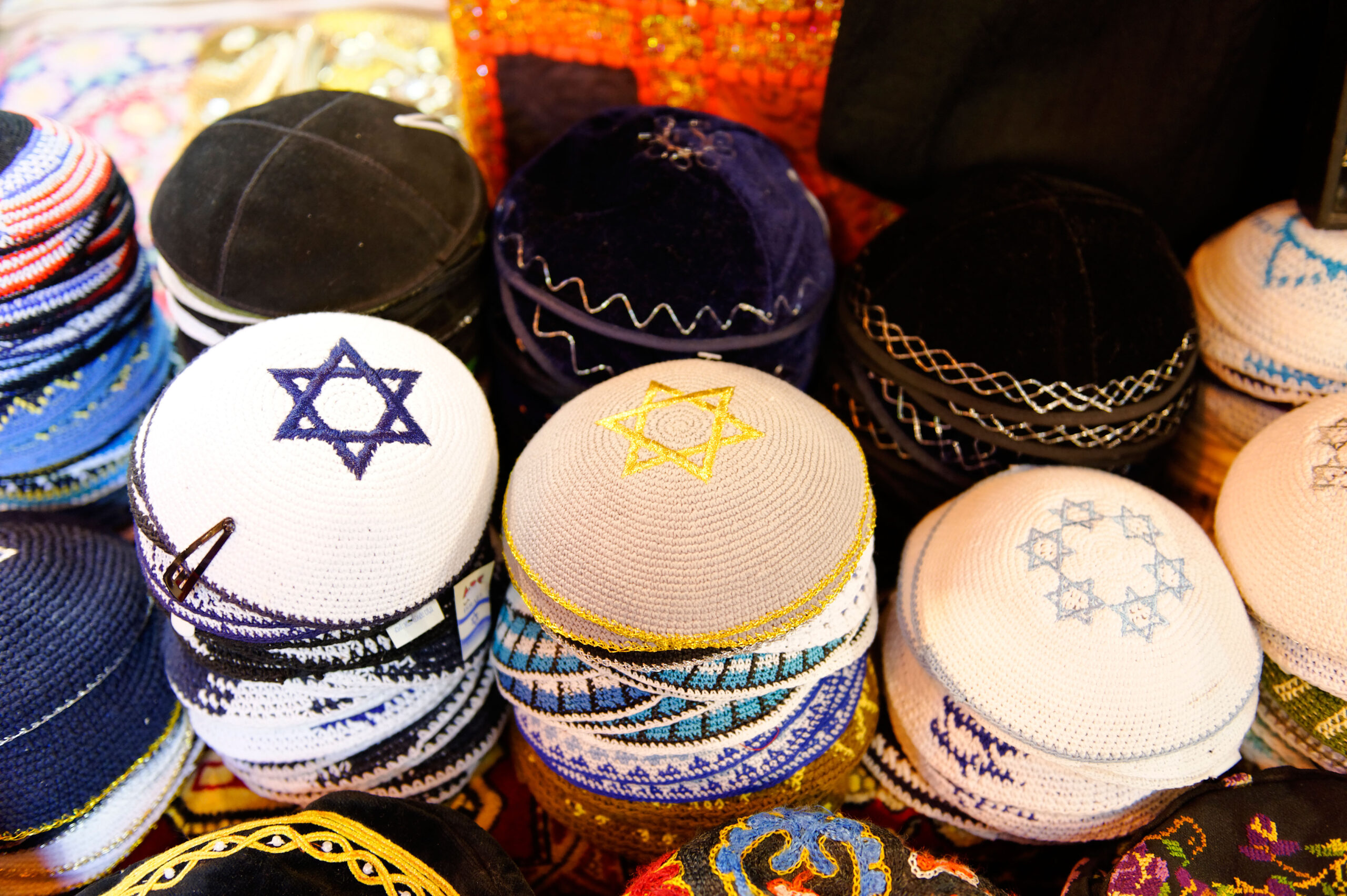
Learning objective
This content is for subscribers only. Join for access today.
Success criteria
This content is for subscribers only. Join for access today.
Religious Education Council Curriculum Framework for RE in England (non-statutory guidance):
Cross-curricular links
Before the lesson
This content is for subscribers only. Join for access today.
Lesson plan
1. Recap and recall
Explain that the children will be talking with a partner to recall what they learnt about why there are different traditional meals for religious observances, like Shabbat. Display the Presentation: Speak like an expert and arrange the children in pairs. Allow time for them to share their ideas using key vocabulary.
This content is for subscribers only. Join for access today.
Adaptive teaching
Assessing progress and understanding
Vocabulary definitions
In this unit
Assessment – R&W: Why does religion look different around the world? (Part 1)Lesson 1: Why do some religions believe in the same God?Lesson 2: How might a Jewish person observe Shabbat?Lesson 3: Why is Friday night dinner different?Lesson 5: Why might someone want to cover their hair?Lesson 6: How can scripture be expressed?
Created by:

Maintained by: Kapow Primary teamLast update: 11 August 2026