year: Year 1
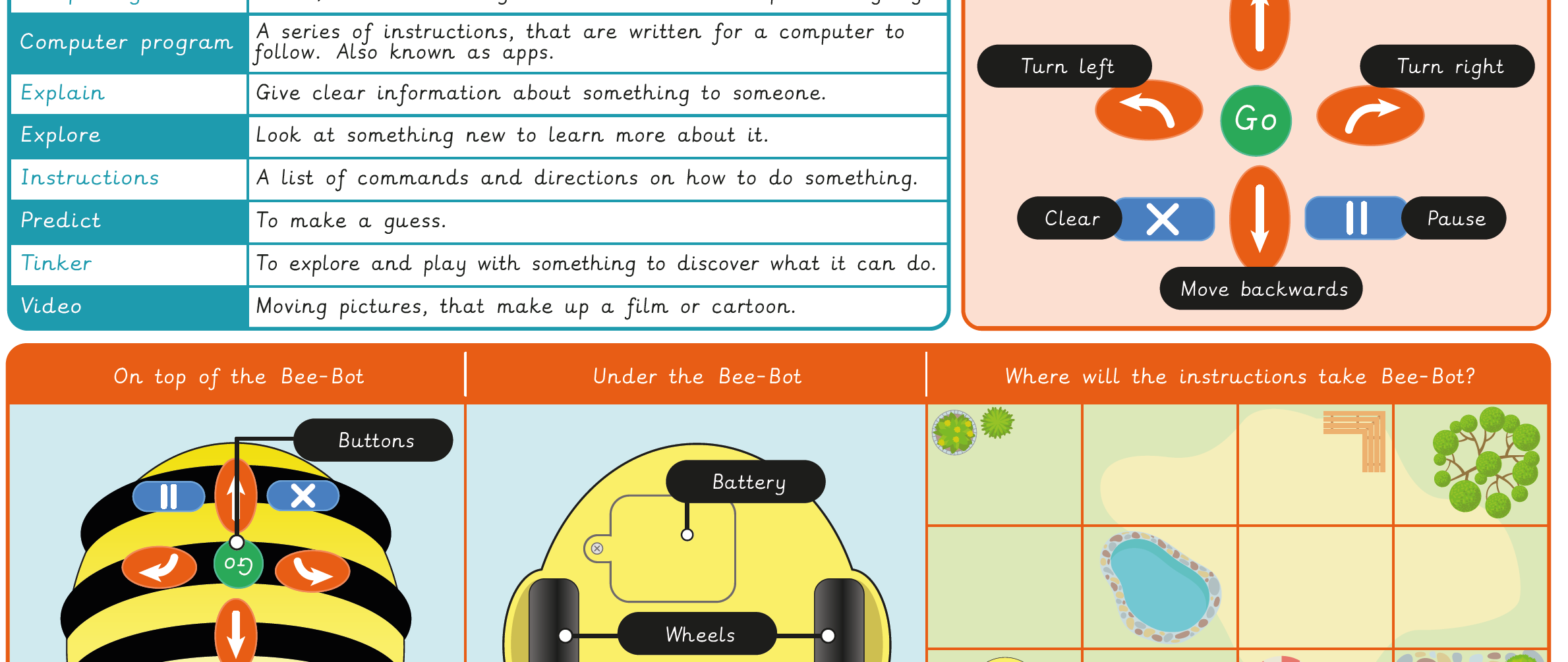
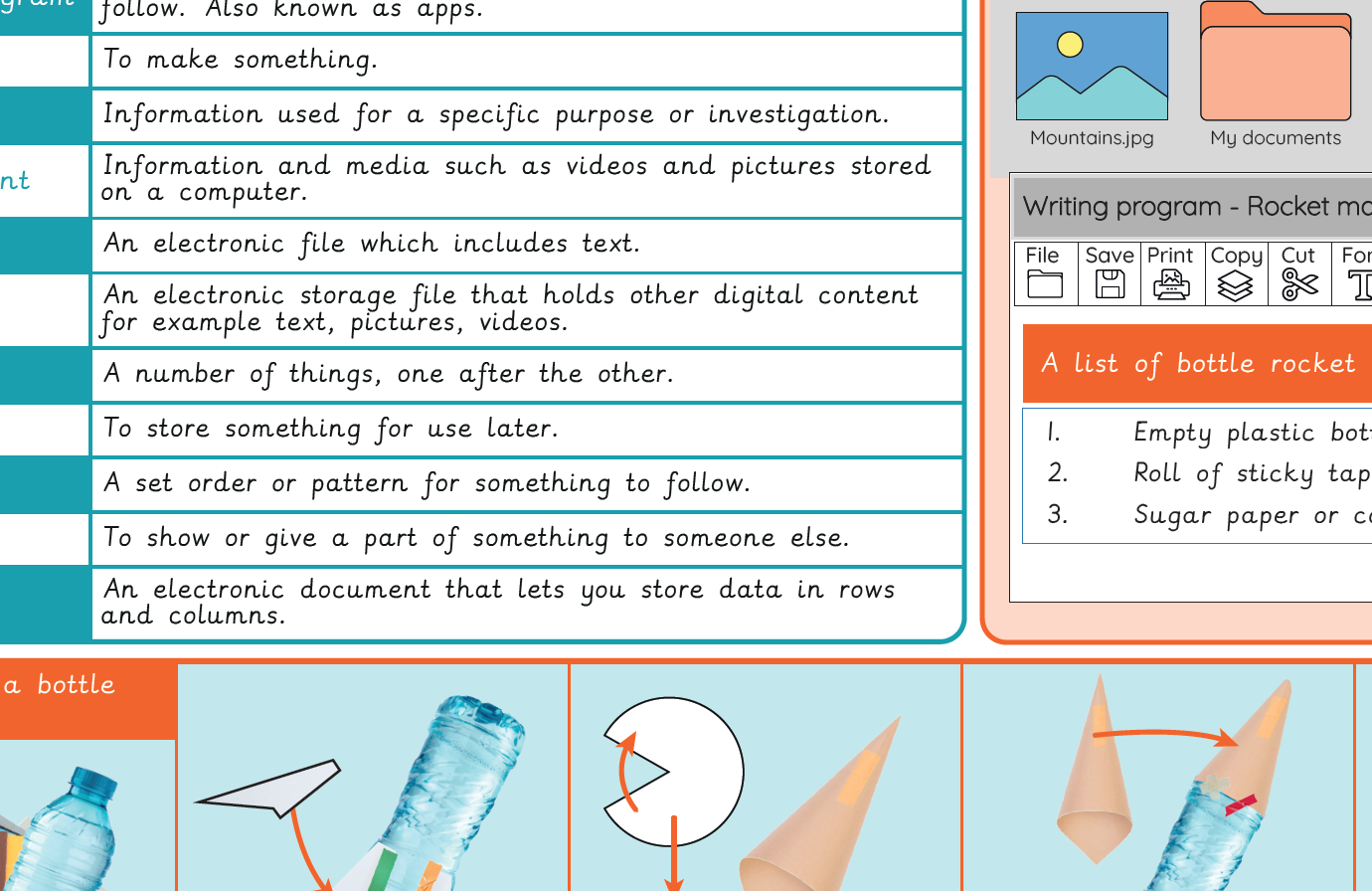
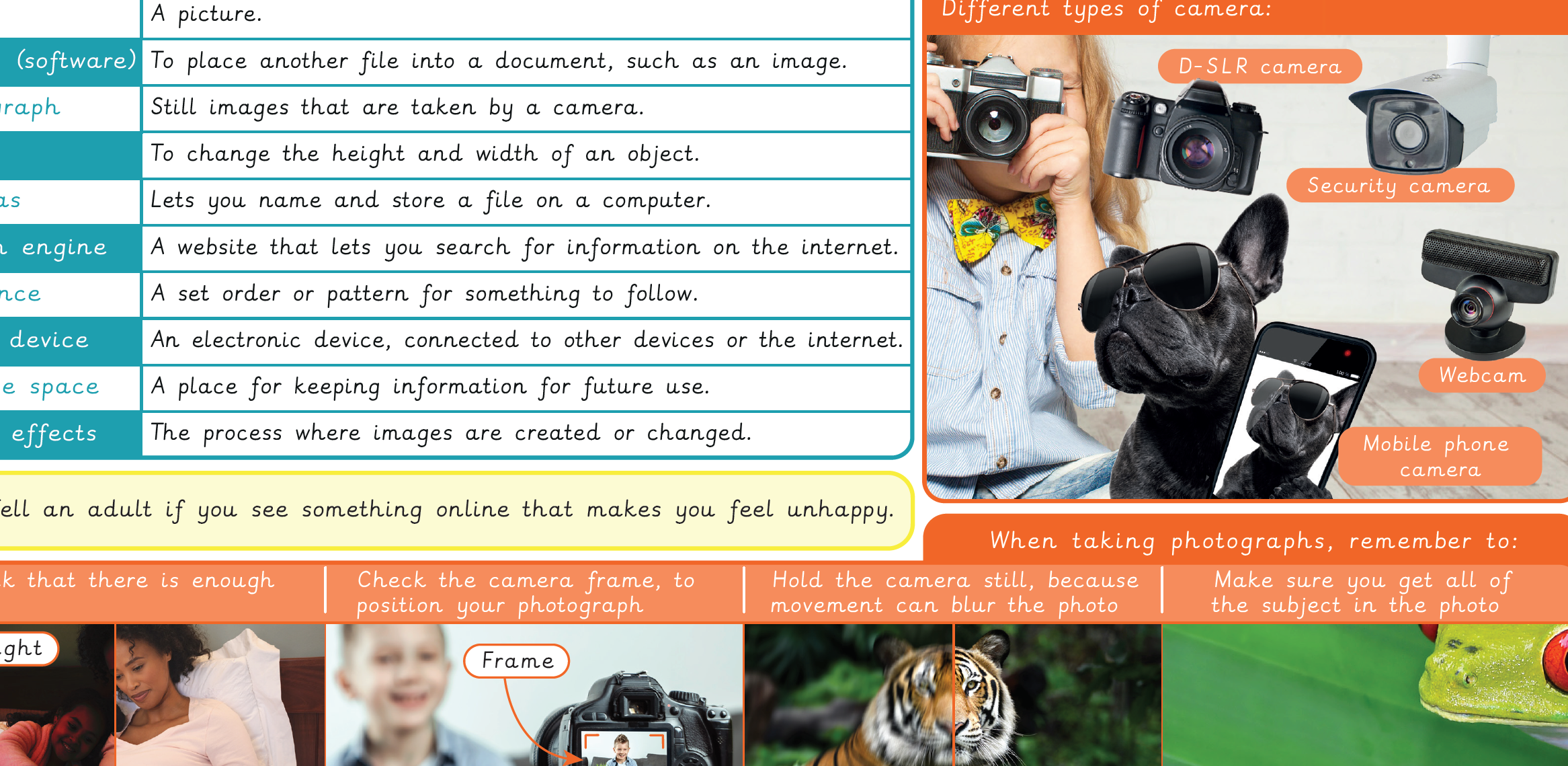
Knowledge organiser: Computing – Y1 Digital imagery
Pre-2026 D&T: Vocabulary progression
Note: The information in this resource can also be accessed online via the D&T Curriculum portal and Curriculum information pages.
For the current version of this document, see: 2026 D&T: Vocabulary progression.
Art and design (ARCHIVED SCHEME): Vocabulary progression
A reference document providing a clear progression of key vocabulary across the original Kapow Primary Art and Design scheme (now archived).
This resource outlines the essential subject-specific terms introduced from Year 1 to Year 6, helping teachers build learners’ art literacy over time. It supports vocabulary-rich teaching by offering age-appropriate terms aligned with each unit, from simple descriptive language in lower years to more technical and conceptual terms in KS2. This progression encourages consistent use of artistic language and supports pupils’ ability to talk about their work confidently and accurately.
Knowledge organiser – D&T Y1: Mechanisms: Wheels and axles
Knowledge organiser: D&T – Mechanisms: Making a moving storybook
Knowledge organiser – D&T Y1: Puppets
Knowledge organiser- D&T Y1: Constructing windmills
Archived – Knowledge organiser – D&T Y1: Fruit and vegetables
A Knowledge organiser that captures the essential knowledge and skills learnt throughout the unit Archived – Design and technology, Year 1, Cooking and nutrition: Fruit and vegetables.
This resource introduces the pupils to the importance of healthy eating and food preparation. It explains the differences between fruits, such as oranges and strawberries, which contain seeds, and vegetables, like carrots and broccoli, which do not. The pupils will also learn about the need to eat at least five portions of fruit and vegetables daily to maintain good health. The organiser includes key vocabulary words, such as blender, peeler, slice, smoothie, and recipe, to build the pupils’ understanding of the tools and techniques used in preparing food. They will practise skills like peeling, slicing, and blending, developing confidence in handling ingredients and understanding how tools assist in preparation. The focus on food hygiene, including washing hands and cleaning tools, ensures safe and effective learning.