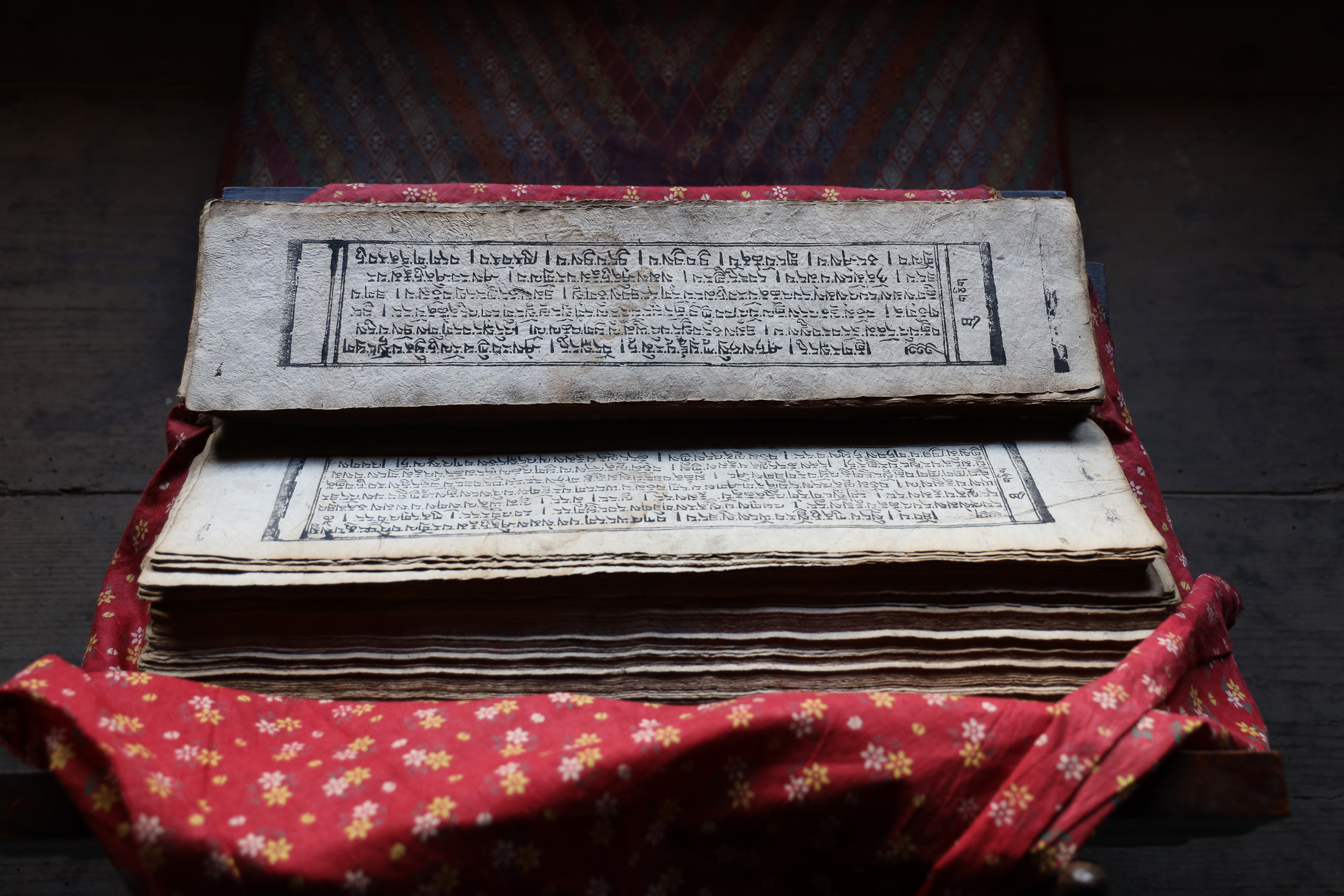
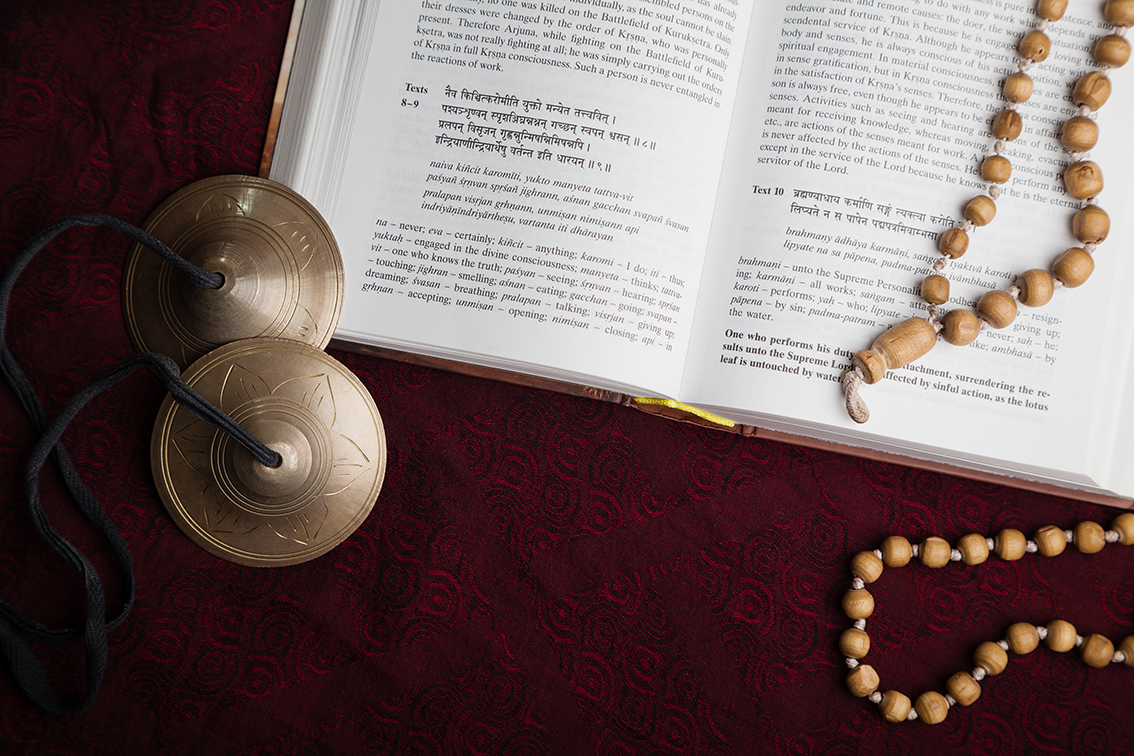
Lesson 1: How do people record beliefs without words?
Considering how religious beliefs were communicated in the past, before written scripture.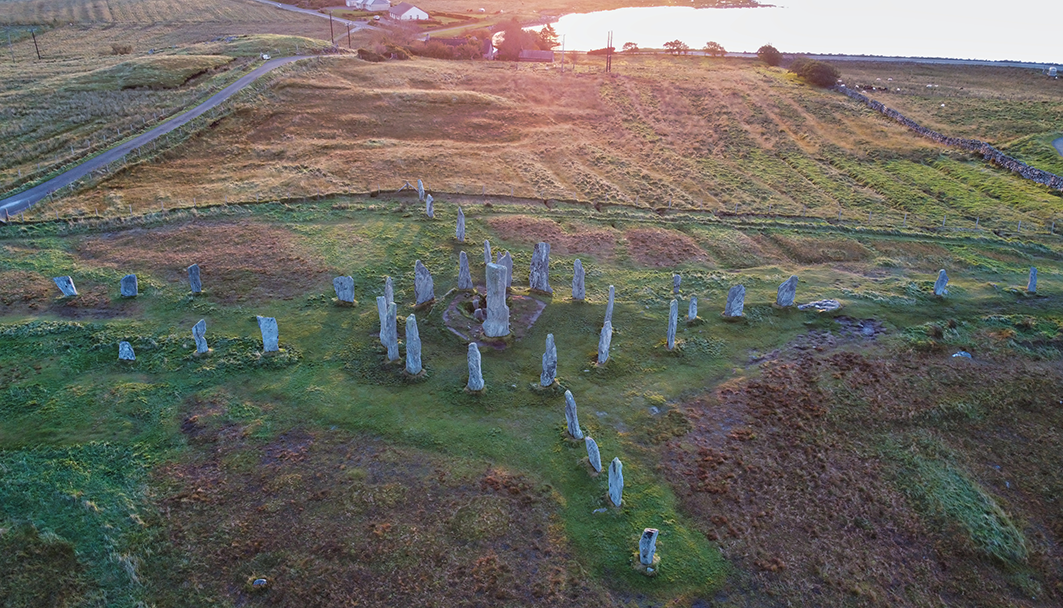
Learning objective
This content is for subscribers only. Join for access today.
Success criteria
This content is for subscribers only. Join for access today.
Religious Education Council Curriculum Framework for RE in England (non-statutory guidance):
Cross-curricular links
Before the lesson
This content is for subscribers only. Join for access today.
Lesson plan
1. Recap and recall
Before starting this unit, you might want to check children can recall:
That sacred and holy mean something is related to God, gods or religion.
Christian scripture is called the Bible.
The Torah is a central part of Jewish scripture.
The Qur'an is Muslim scripture.
All of these are considered to be divinely inspired or the word of God.
This content is for subscribers only. Join for access today.
Adaptive teaching
Assessing progress and understanding
Vocabulary definitions
In this unit
Assessment – R&W Y4: What makes some texts sacred?Lesson 2: What can we find out about scripture?Lesson 3: What does it mean if scripture was revealed or remembered?Lesson 4: Why do some worldviews have more than one book of scripture?Lesson 5: How do some people demonstrate the value of scripture?Lesson 6: How do sacred texts play a part in some people’s lives?Optional: How is Christmas part of a bigger story?
Created by:
Maintained by: Kapow Primary teamLast update: 6 August 2026