




Learning objective
- To apply colour mixing skills to develop a piece of art.
Success criteria
- I can mix secondary colours with intent.
- I can

This content is for subscribers only. Join for access today.
National curriculum
Art and design
Pupils should be
This content is for subscribers only. Join for access today.
Cross-curricular links
None.
This content is for subscribers only. Join for access today.
Before the lesson
This content is for subscribers only. Join for access today.
Lesson plan
Recap and recall
Hand out children’s paintings from Lesson 4: Using paint in different ways. Ask them to look at their painting closely, beginning by observing the whole page and noticing the overall colours and textures. Using a viewfinder, a magnifying glass or a hand shaped like a telescope, guide the children to look closely at a small…
This content is for subscribers only. Join for access today.
Extended-mode explainer videos
How to extend your display to view the lesson page and presentation mode simultaneously. Choose your operating system below to watch the video
If you need further support with extending your display,
please contact [email protected].
Extended-mode explainer video: For Mac
Extended-mode explainer video: For Windows
Adaptive teaching
Pupils needing extra support:
- Could use visual references, such as a colour wheel or the Knowledge organiser, to support planning colour choices.
- Could practise mixing primary colours to create secondary colours before applying them to their artwork.
- Could focus on arranging shapes, colours and brush marks to represent their ideas rather than painting abstractly.
Pupils working at greater depth:
- Should mix secondary colours with precision and explain their intent (for example, ‘I chose orange here because it reminds me of sunshine’).
- Should explain how their colour mixing and brushstrokes work together to express a particular idea or feeling (for example, ‘The long strokes feel calm, while the short strokes feel excited’).
- Should reflect on their creative choices and suggest improvements to their work (for example, ‘I could add more purple here to make this part stand out’).
- Could compare their artwork with another piece and explain how different artistic choices create different effects.
This content is for subscribers only. Join for access today.
Assessing progress and understanding
Pupils with a secure understanding can:
- Mix secondary colours successfully with intent.
- Make creative
This content is for subscribers only. Join for access today.
Vocabulary definitions
-
abstract (Y2)
Art that uses shapes, colours and lines to show feelings or ideas rather than real things.
-
brushstrokes (Y1)
Marks made by moving a brush across a surface when painting.
This content is for subscribers only. Join for access today.
In this unit

Maintained by: Kapow Primary team
Last update: 26th June, 2026
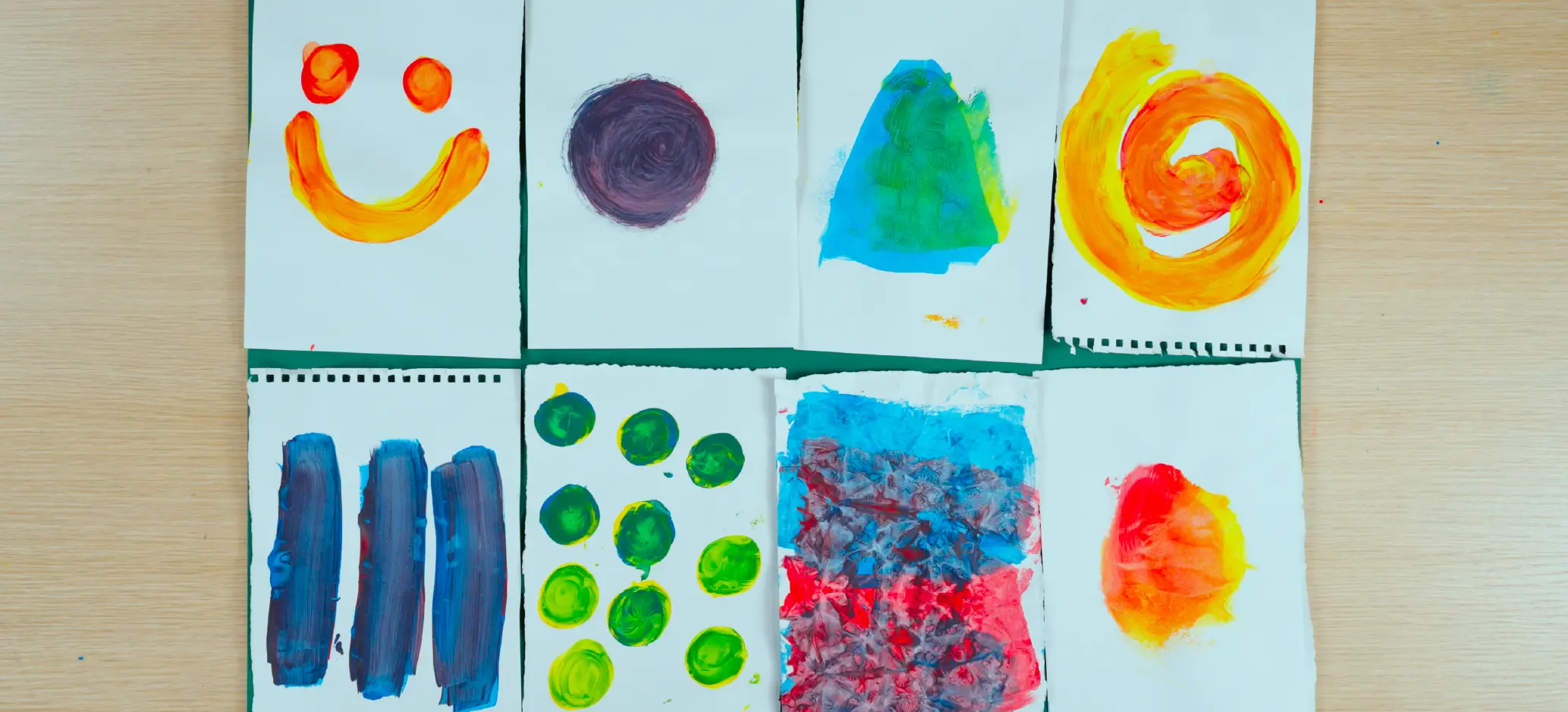
Lesson 2: Primary and secondary colours
Exploring colour mixing and creating a range of secondary colours in paint.
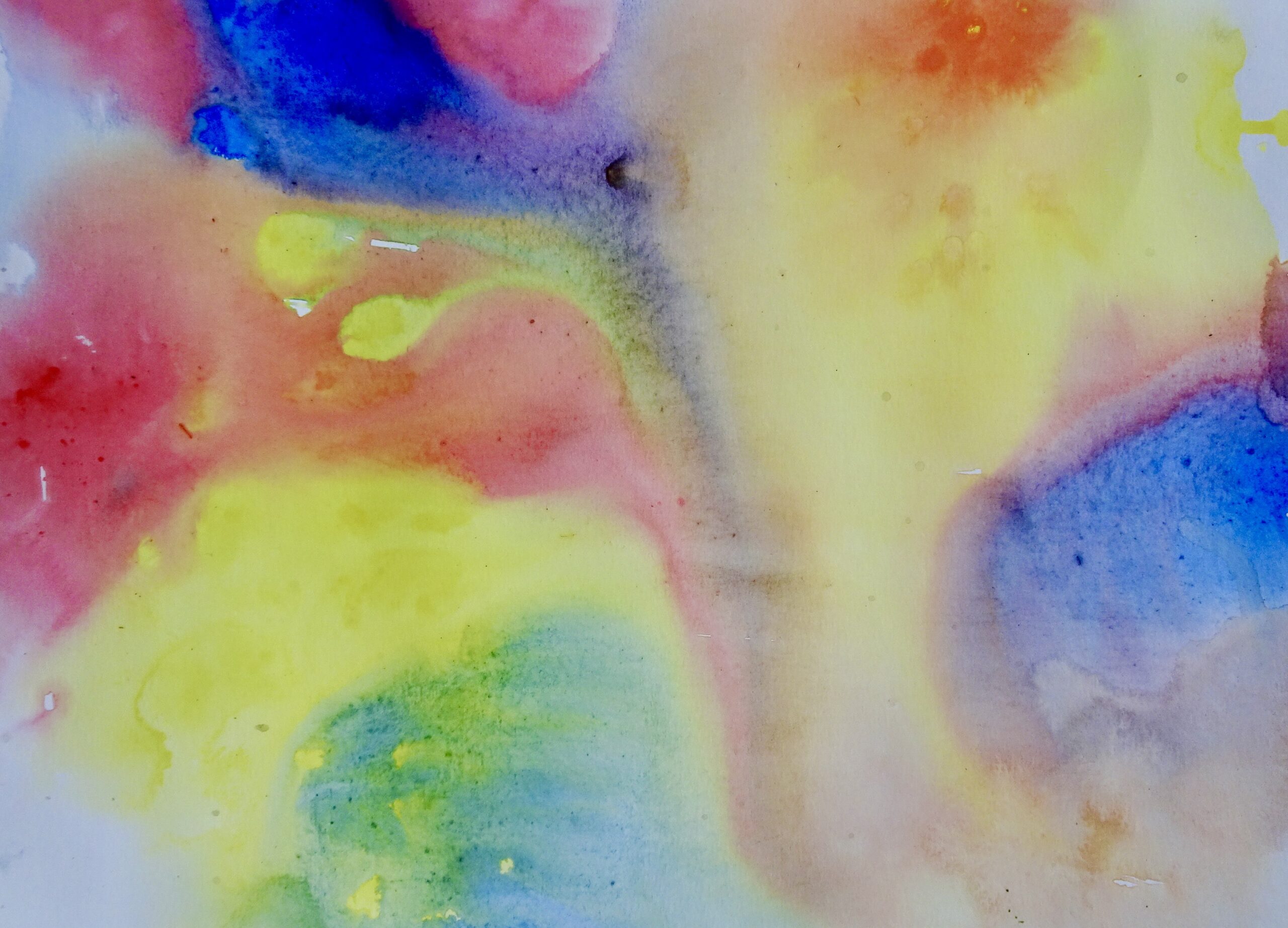
Lesson 4: Using paint in different ways
Exploring the ways paint can be used to create different effects.
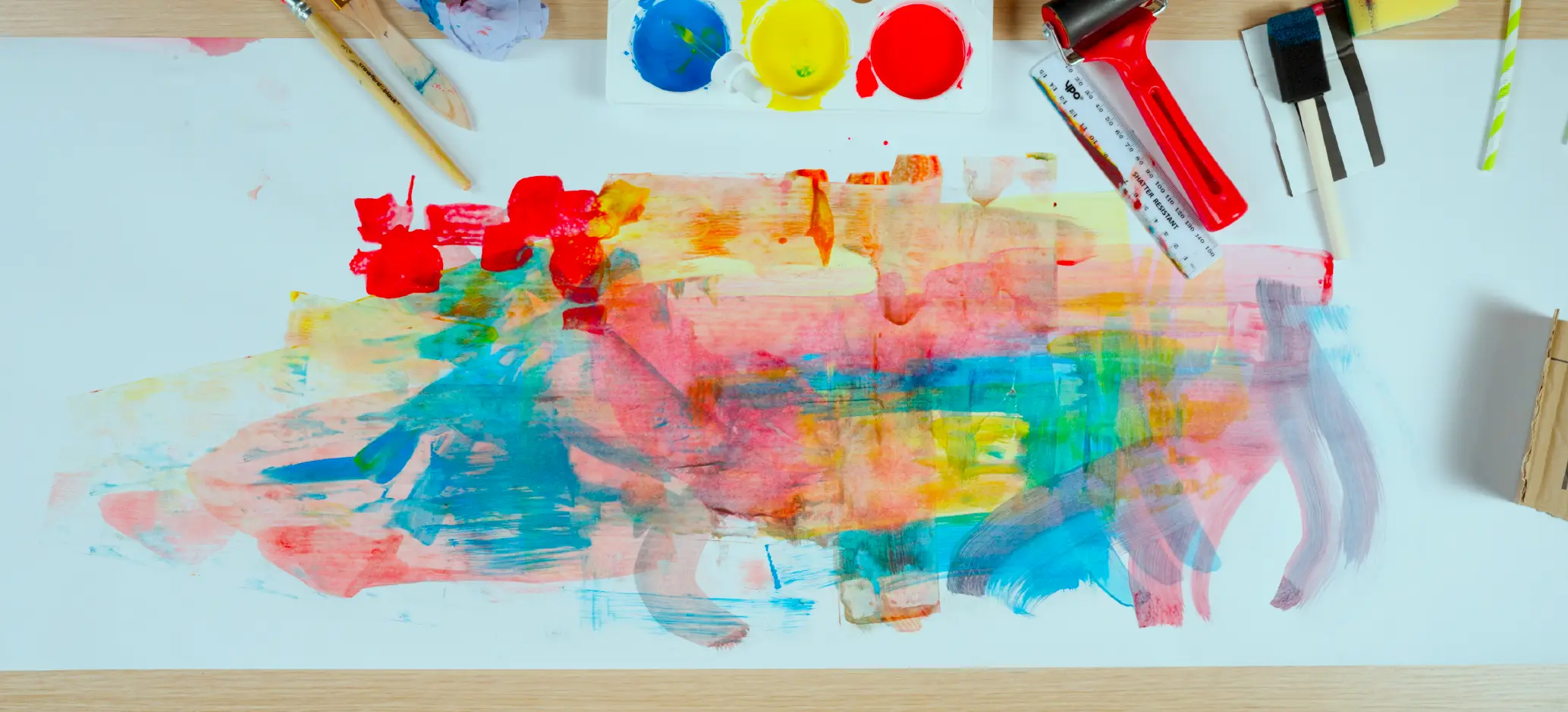
Lesson 1: Exploring primary colours
Exploring how the three primary colours can be mixed to create new colours.

Assessment – Art and design Y2: Colour mixing
Assessment quiz for use at the end of the unit to assess pupil progress.
