




Learning objective
- To vary tone to give a three-dimensional effect.
Success criteria
- I can describe how tone is used in

This content is for subscribers only. Join for access today.
National curriculum
Art and design
Pupils should be
This content is for subscribers only. Join for access today.
Cross-curricular links
Before the lesson
This content is for subscribers only. Join for access today.
Lesson plan
Recap and recall
This activity revisits learning from Lesson 1: Tints and shades to help the children recall key knowledge. Rewatch the Pupil video: Tone from the last lesson.
This content is for subscribers only. Join for access today.
Extended-mode explainer videos
How to extend your display to view the lesson page and presentation mode simultaneously. Choose your operating system below to watch the video
If you need further support with extending your display,
please contact [email protected].
Extended-mode explainer video: For Mac
Extended-mode explainer video: For Windows
Adaptive teaching
Pupils needing extra support:
- Could use the gradient painted in the previous lesson to support their understanding of mixing tints and shades.
- Could use the Resource: Outline shape.
- Could be given a simple object or shape with a clearly marked light source to help identify where highlights and shadows appear.
Pupils working at greater depth:
- Should deliberately mix and apply several tints and shades to refine highlights and shadows.
- Should use accurate vocabulary when discussing how tone has been used to show form (e.g. “I’ve used a tint at the top to show the highlight where the light hits it, and then a dark shade here for the shadow”).
- Could adjust tonal placement after reflection, explaining how changes improve the three-dimensional effect.
This content is for subscribers only. Join for access today.
Assessing progress and understanding
Pupils with secure understanding can:
- Mix tints and shades by adding white or
This content is for subscribers only. Join for access today.
Vocabulary definitions
-
form (Y4)
How an object is shown to look three-dimensional using light and dark.
-
highlight (Y4)
The lightest part of an object, where the light hits it most strongly.
This content is for subscribers only. Join for access today.
In this unit


Maintained by: Kapow Primary team
Last update: 26th June, 2026
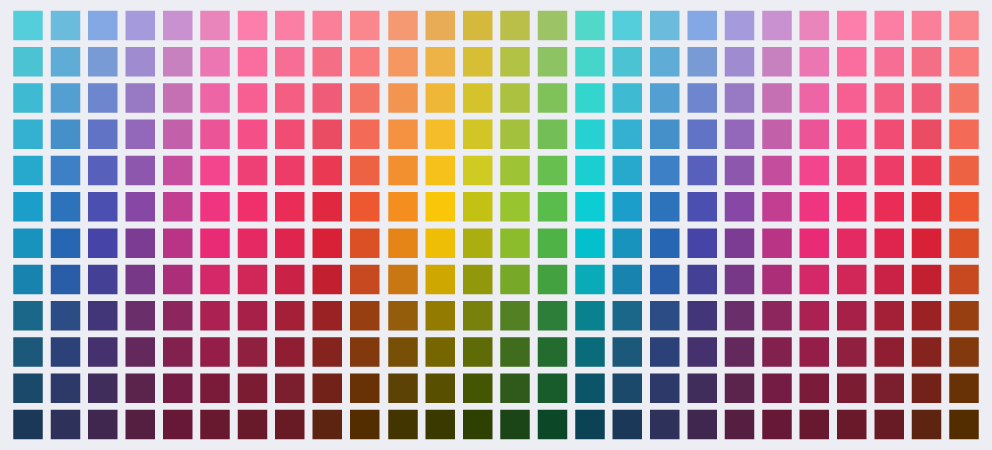
Lesson 1: Tints and shades
Developing understanding of colour theory by mixing tints and shades.
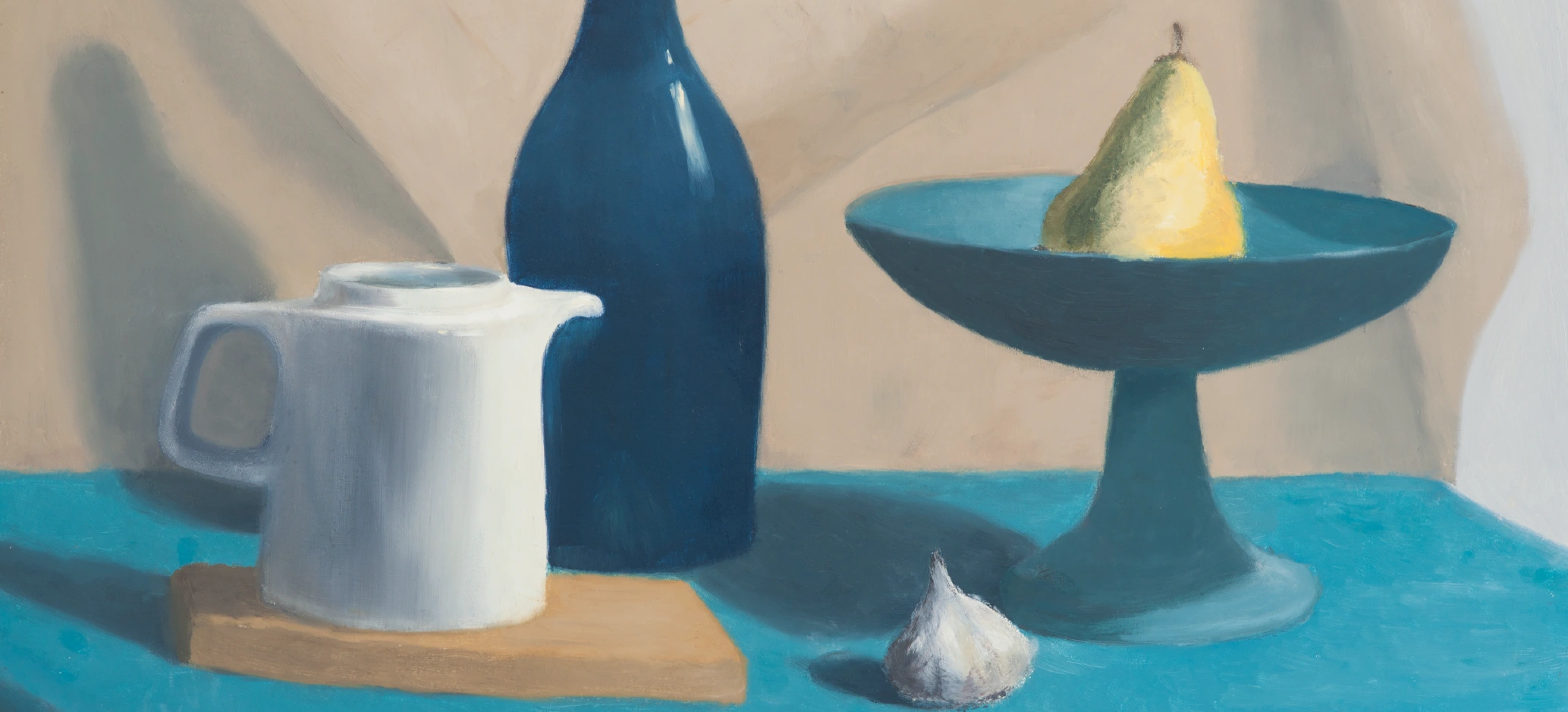
Lesson 5: Still life
Drawing on all the skills they have studied this unit, painting a still life painting...
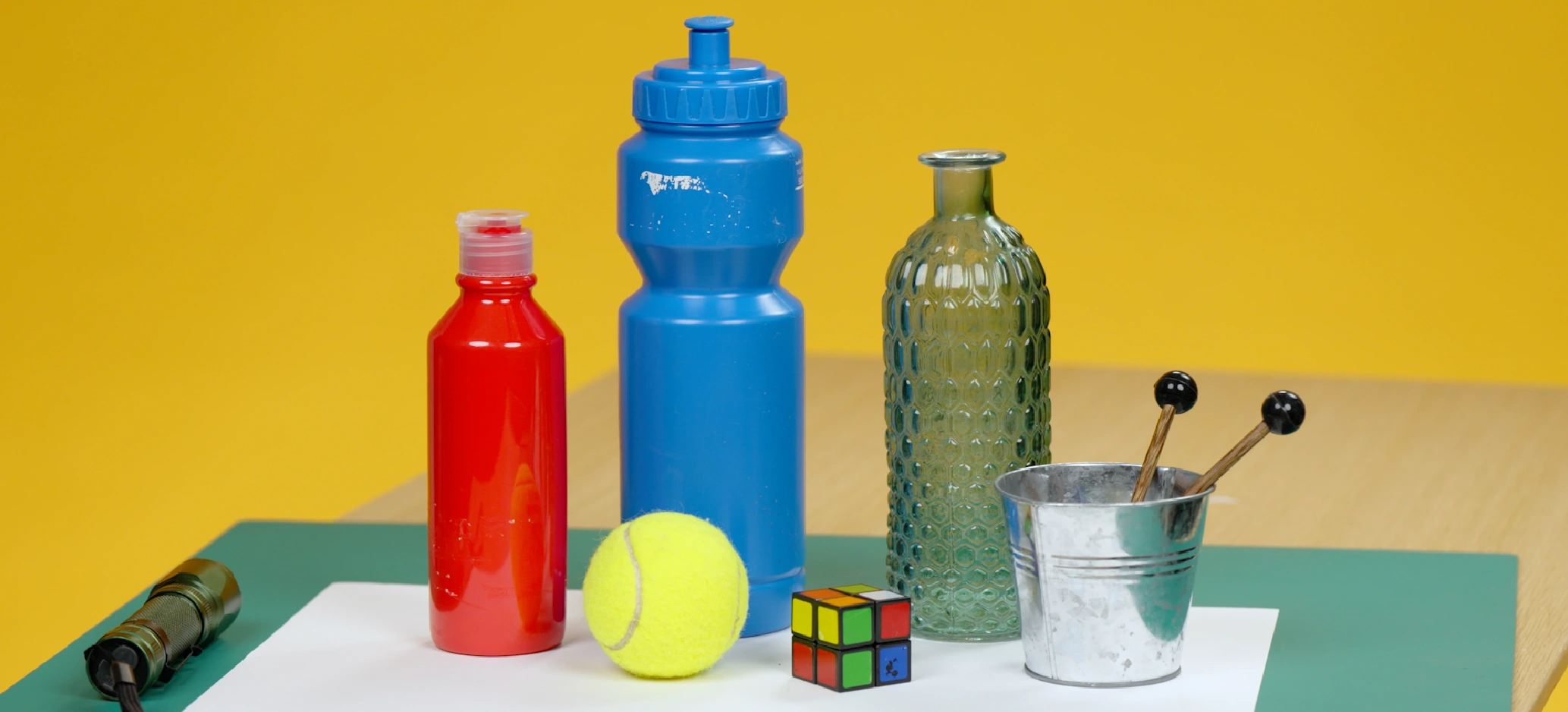
Lesson 4: Composition
Exploring still life and the elements of effective composition to plan a finished still life...
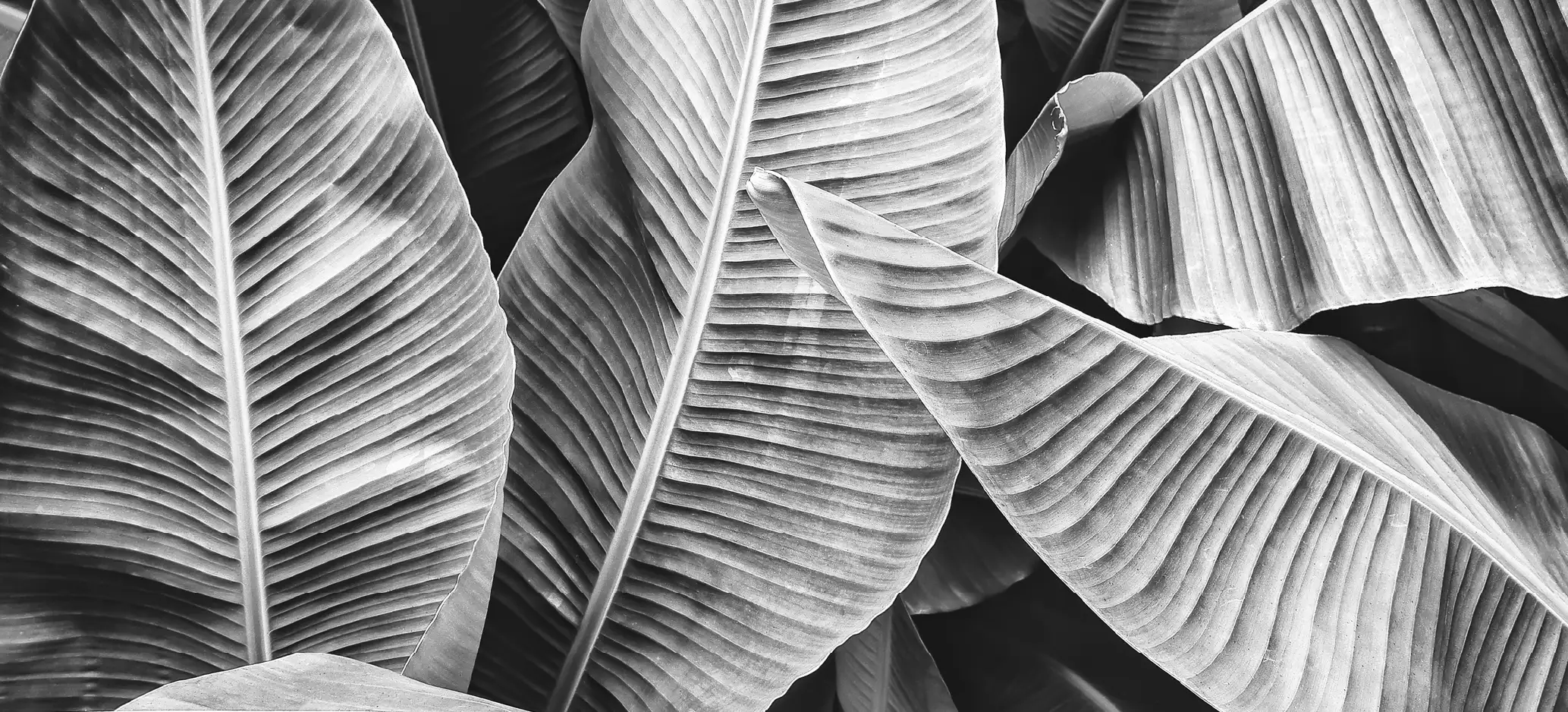
Lesson 3: Tone techniques
Exploring different ways artists use paint to create tone and experimenting with a range of...
