




- Subjects >
- RSE & PSHE >
- Key stage 2 >
- Year 3 >
Important
This unit is part of the new RSE & PSHE scheme, developed in line with the updated government Relationships, Sex and Health Education guidance. The lesson content will be published by 21st September 2026
Unit outcomes
Pupils who are secure will be able to:
- Recognise that human rights are rights everyone has and give examples of these rights.
- Explain that rights help people live safely, fairly and with respect.
- Describe some ways adults can help make sure children can access their rights.
- Suggest practical ways individuals can reduce materials or energy use.
- Explain why reducing usually comes before reusing and recycling in the waste reduction triangle.
- Explain that reusing is often better than recycling because recycling still uses energy and resources.
- Give examples of how familiar items can be reused or upcycled.
- Explain why recycling is important for the environment.
- Identify examples of local council responsibilities.
- Explain simply why councils need to choose spending priorities.
Suggest prior learning
Citizenship: How do people belong to a community and earn money?
Get started
Lessons
Lesson 1: What are human rights?
Lesson 2: What rights should children have?
Lesson 3: How can we help the environment by reducing what we use?
Lesson 4: How can reusing items help the environment?
Lesson 5: Why is recycling important?
Lesson 6: How do local councils help look after their communities?
Key skills
Key skills
- Identifying things that

This content is for subscribers only. Join for access today.
Key knowledge
To know:
- Rights are basic
This content is for subscribers only. Join for access today.
Key vocabulary
budget
business
This content is for subscribers only. Join for access today.
Related content
Resources
Unit resources


RSE & PSHE
Knowledge organiser – RSE & PSHE Y3: What rights and responsibilities do we have?
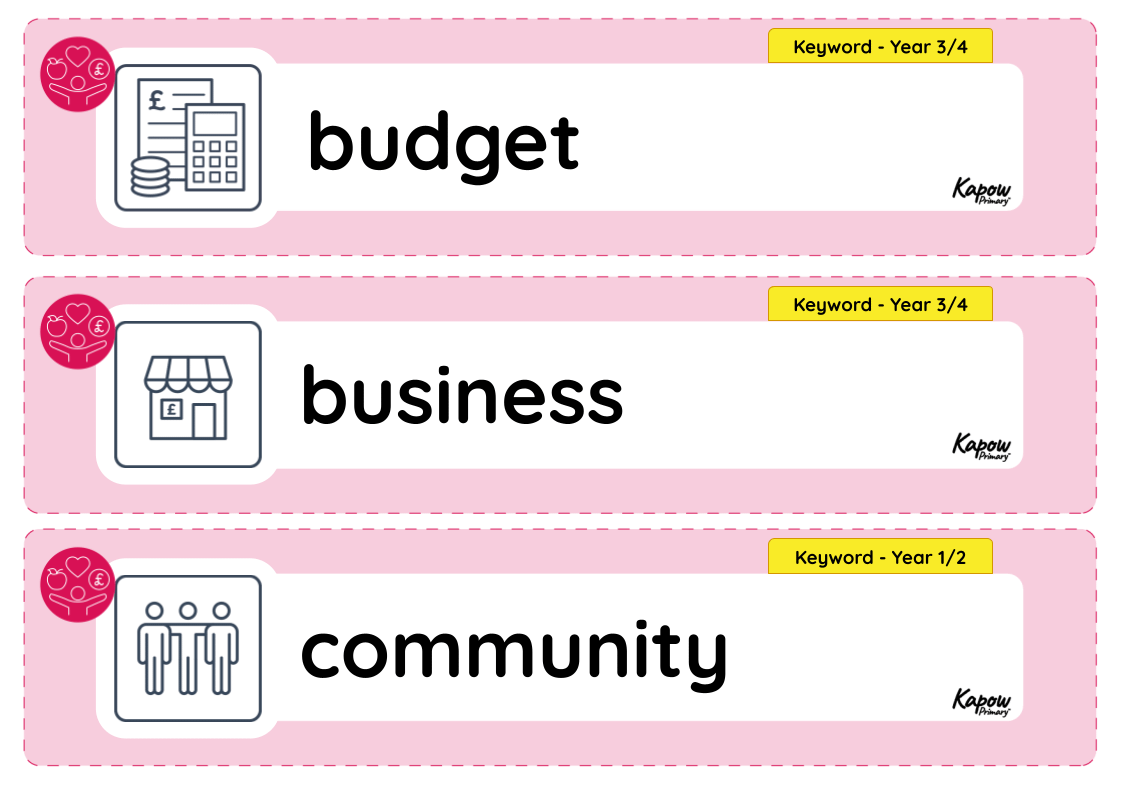
RSE & PSHE
Vocabulary display – RSE & PSHE Y3: What rights and responsibilities do we have?
Cross-curricular opportunities
British values: Mutual respect
Geography: Human and physical geography
Citizenship: How can I spend money responsibly?
Get started