



Note: The latest progression information can now be found in the D&T curriculum portal.
year: Year 1
D&T Project evaluation (written)

Evaluation template for pupils to reflect and evaluate their Design and technology projects. Space has been provided for drawings, diagrams or photographs of their final outcomes. You can edit the template to adapt it to your specific needs.
D&T Mini evaluation (star rating)
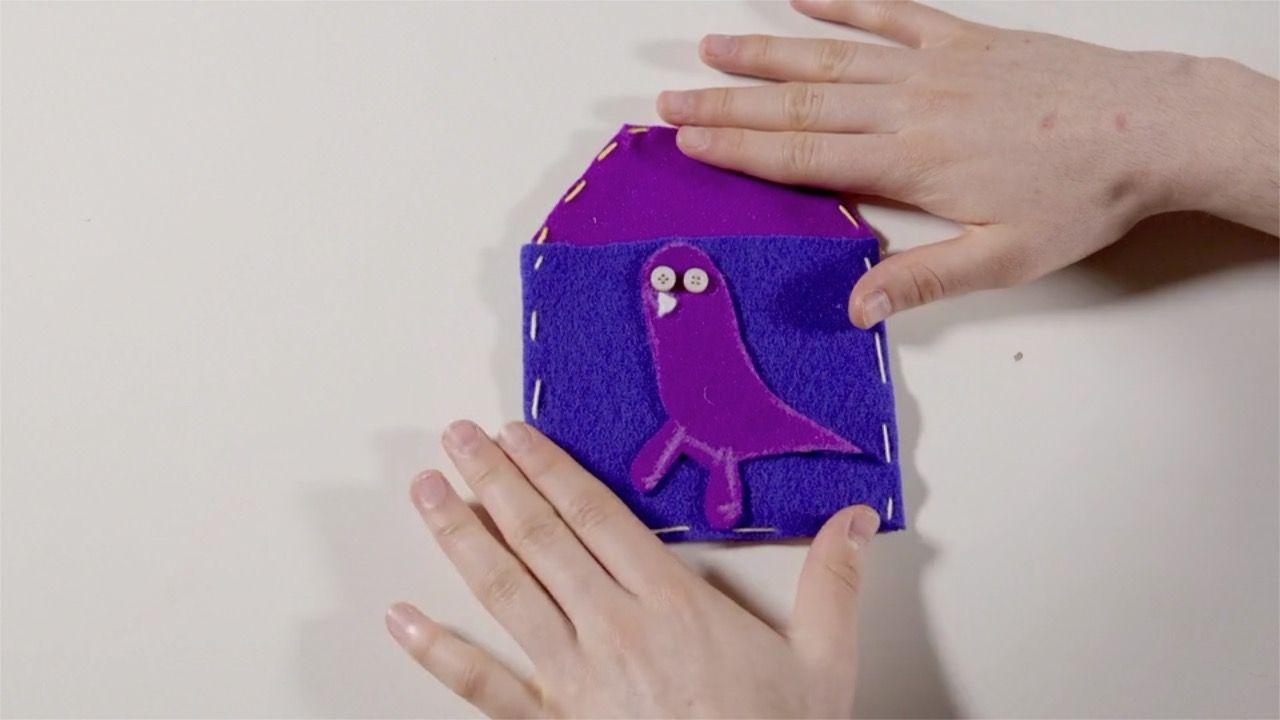
Star-rating evaluation template for pupils to reflect and evaluate their D&T projects. Space has been provided for drawings, diagrams or photographs of their final outcomes. You can edit the template to adapt it to your specific needs.
D&T Mini evaluation (written)
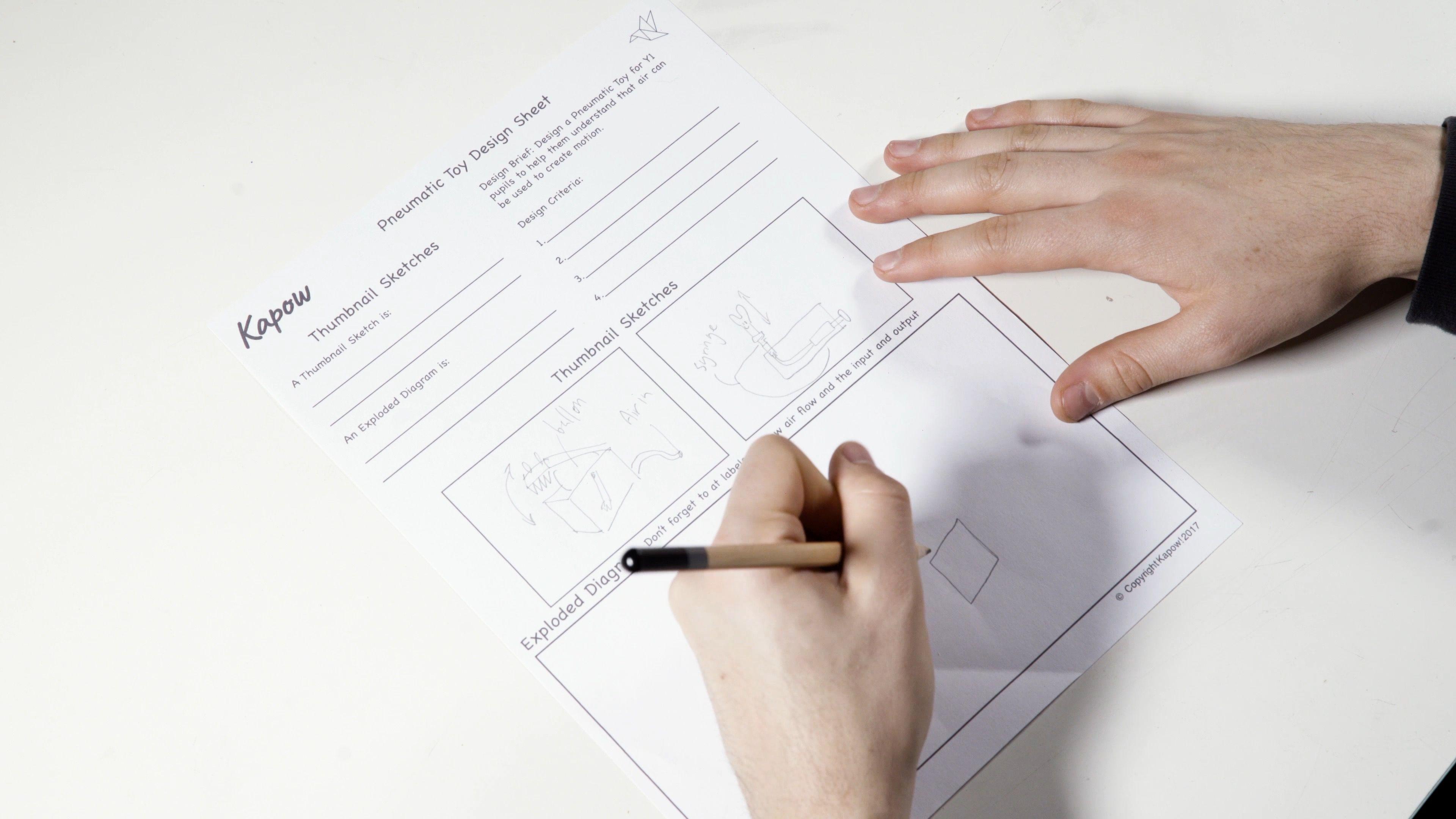
Evaluation template for pupils to reflect and evaluate their D&T projects. Space has been provided for drawings, diagrams or photographs of their final outcomes. You can edit the templates to adapt them to your specific needs.
D&T Project evaluation (star rating)

Star-rating evaluation template for pupils to reflect and evaluate their projects. Space has been provided for drawings, diagrams or photographs of their final outcomes. You can edit the template to adapt it to your specific needs.
Computing acceptable use policy for pupils – KS1

This document serves as a Pupil Acceptable Use Policy for KS1 students, detailing guidelines for the responsible use of school devices and to ensure they stay safe online.
Computing: Long-term plan — mixed-age
RSE & PSHE: Mapping to the PSHE Association’s Programme of study

Note: The information in this resource can also be accessed online via the RSE & PSHE Curriculum portal.
This document has been updated to reflect the 2026/27 RSE and PSHE curriculum.
Music: Staff Presentation

This presentation introduces you to our Music curriculum, highlighting features such as CPD support, videos to support notation, and our KS2 instrumental scheme. Our staff presentation has two main goals:
New to Music?
If your school is new to our Music curriculum, this presentation is the perfect introduction. It provides an ideal starting point for staff to explore.
Interested in Joining?
This presentation is your starting point for those eager to dive into Music with Kapow Primary. It’s a valuable tool to create awareness about what Kapow Primary can offer your school. After the presentation, we recommend starting a 14-day school free trial. This allows your colleagues to immerse themselves in the scheme and experience its full potential.
