


Practical Ways to Build a Meaningfully Diverse Primary Art Curriculum
Written by Kapow Primary's Art and Design Team
Published on 20th April 2026
Last Updated: 24th September 2026
Written by Kapow Primary's Art and Design Team
Published on 20th April 2026
Last Updated: 24th September 2026
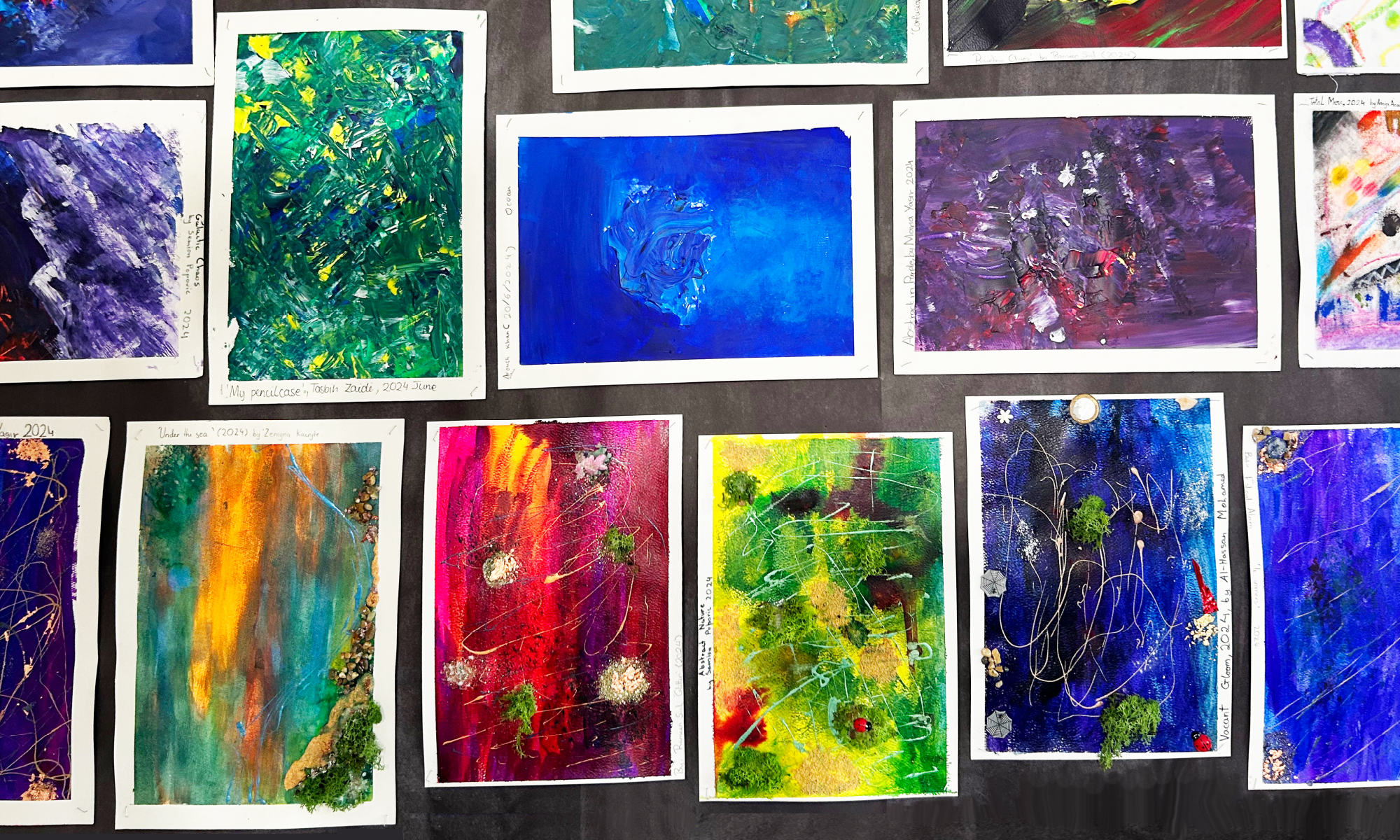
Featuring artwork from Montem Academy
Diversity is a term that’s used frequently in discussions about primary art curriculums. Essentially, diversity in art means recognising and valuing the wide range of perspectives, identities, and experiences that shape creative work. Art subject leaders are often asked well-meaning questions by SLT or inspectors, such as, “Why have you chosen the artists and content you teach?” or “How do you approach diversity?” These questions can be difficult to answer, particularly without a clear understanding of what diversity looks like in practice, why it matters, or how it can be embedded meaningfully.
Use this article to explore:
Recent research from the National Society for Education in Art and Design (NSEAD) shows us why conversations around meaningful diversity in art curriculums are so important. They note that just over one-fifth of children and young people in the UK come from diverse ethnic community backgrounds and are a part of the global majority, meaning classrooms today are increasingly multicultural. However, many children still struggle to see how art relates to their own lives. NSEAD found that only 6% of secondary school students surveyed felt they could relate to artists introduced in the classroom, and less than 10% felt that art helped them understand themselves.
The research recognises, too, that all children benefit from learning about a wide range of cultures, histories and artistic traditions. School, and particularly the art classroom, is vital for children whose local context may offer fewer opportunities to encounter perspectives beyond their immediate community:
“Art is one of the only subjects that explicitly offers a space for personal exploration, where students are encouraged to respond to the world and their place within it. Art lessons are therefore a unique opportunity for students to explore their own identities, heritage and experiences, and those of others. It is vital that art education is inclusive and inspiring for all students.” Runnymede Trust, Visualise Report
If children don’t see themselves represented, or are only presented with a narrow view of the world, we risk limiting their ability to fully understand the world and express themselves.
Ahead of our webinar, Practical Ways to Build a Meaningfully Diverse Primary Art Curriculum, we reached out to our network of teachers to better understand their concerns. Many described similar worries:
Underpinning all of these concerns is a common fear – getting it wrong.
Building a diverse curriculum can feel daunting. Avoiding the topic might feel safer, but taking small, thoughtful steps, even if they may feel imperfect, is far more valuable than avoiding the task altogether. Good teaching isn’t about being the sole authority in the room; it’s a shared process. It starts with a willingness to reflect and learn alongside (and from) children. Teachers don’t need to be experts in every culture or perspective. Instead, being honest about your own experience and what you don’t know is a real strength. When teachers model curiosity and show they are open to learning new things, it shapes a classroom in which children also feel comfortable asking questions and sharing their own experiences and ideas.
In practice, building a meaningfully diverse art curriculum doesn’t mean simply adding a few diverse artists into your existing plans. Without intention, this can become tokenistic. Begin with what you’re already teaching, look at your existing units and consider where there’s room to broaden or deepen them. A really simple but powerful question to focus on is: Whose voices are missing?
In Kapow Primary’s Art & Design scheme of work, this question underpins how units are designed. Canonical artists such as Van Gogh, Picasso or Monet can still play an important role, but they are taught as part of a wider conversation, rather than remaining as its default focus. Placing artists alongside one another, rather than presenting one as the standard and others as alternatives, helps children understand that art is created and shaped by many different voices, that there isn’t just one “right” way to express yourself. Look at artists who explore similar themes or techniques, but from a range of viewpoints. As well as artists from the global majority, plan for artists across race, ethnicity, disability, gender, sexuality and class backgrounds throughout the curriculum, including artists whose work reflects intersecting identities.
At the same time, it’s important to approach global art traditions thoughtfully. Giving context really matters, so that work isn’t reduced to something overly simplified or generalised. For example, ‘African art’ requires careful thought about what this really means: Africa is a huge continent, with many countries and a vast range of cultures and traditions. Being specific helps, as does avoiding language or approaches that might unintentionally reinforce stereotypes. Likewise, while it’s valuable to look at how artists like Alma Thomas respond to cultural histories, it’s also crucial that artists aren’t only presented through narratives of struggle or difference, rather it’s shown that they work across a full range of themes and ideas.
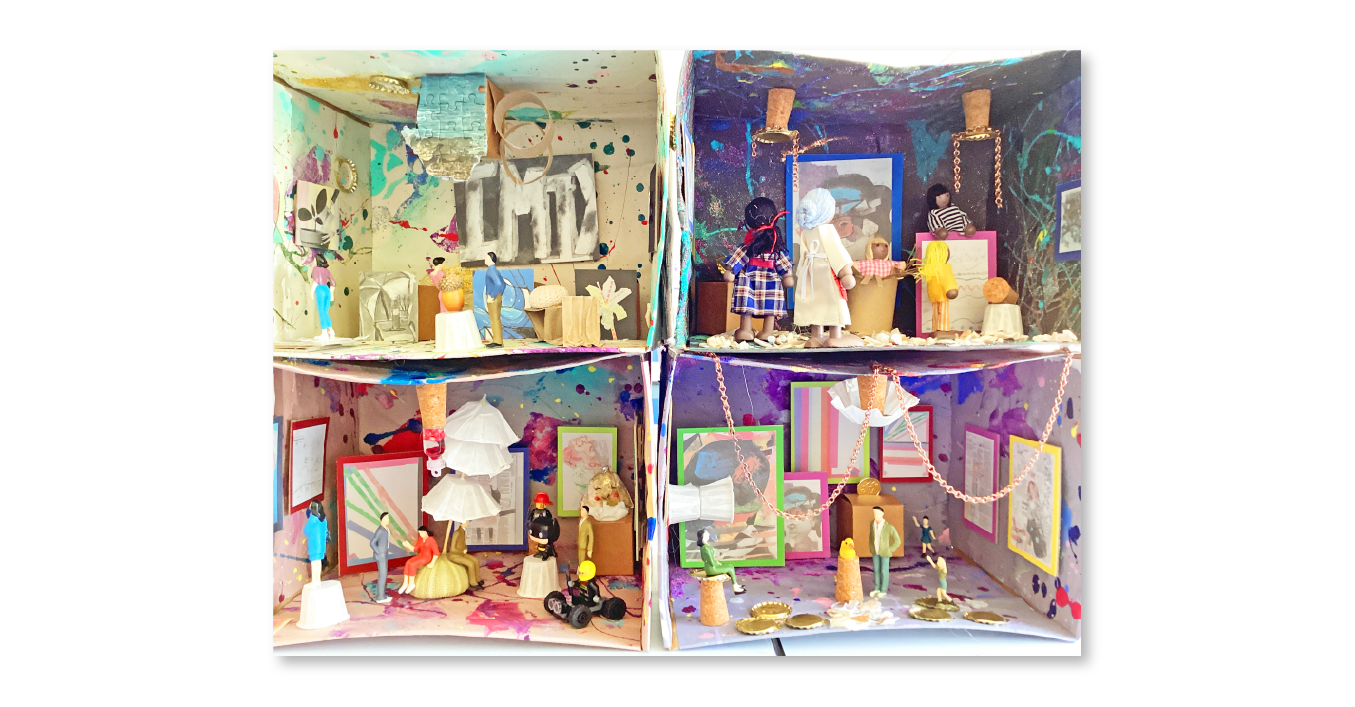
Artwork from the Year 5 Interactive installation unit by pupils from Montem Academy.
Children’s own interests are another great way to diversify the artists you study. You could be influenced by a material they enjoy, a theme they’re drawn to, or even something from popular culture like Lego or Street Art. These can all act as starting points to bring in different artists and help learning feel more relevant and engaging.
Letting the artists speak for themselves is a powerful way to ensure that diverse voices are heard authentically. Introducing contemporary working artists helps children see art as something happening now, something they can be part of, or even as a valid future career choice!
So, reach out beyond the classroom! Where possible, draw on the wider community, including parents, carers and local contacts, while also recognising the forms of diversity already present in your own school. If you find this capacity is limited, local arts organisations, libraries, museums, recorded interviews found online and virtual gallery tours or workshops can provide valuable alternatives. Many organisations are keen to engage with schools and often have free or low-cost resources, but they may not have the means to promote them widely.
If you teach in an area with less cultural diversity, you could partner with a school in another area, either locally or internationally. This could be as simple as exchanging artwork, taking part in collaborative projects around a shared theme, or even organising virtual discussions between classes. This gives children the chance to share their work and ideas with others whose contexts and experiences may differ from their own.
These kinds of experiences help broaden understanding of how art is shaped by many people, communities and lived realities.
Most importantly, remember this is an ongoing process. There’s no single endpoint or perfect version of a diverse art curriculum. You don’t have to get everything right straight away, but with thoughtful choices and a willingness to keep learning alongside the children, your art curriculum can become something that truly reflects and inspires every child.
Practical Ways to Build a Meaningfully Diverse Primary Art Curriculum Webinar with guest expert Kaytie Holdstock.
What does Diversity, Equity and Inclusion look like in primary education? Podcast episode from the Primary Focus series
National Disability Arts Collection and Archive
National Galleries: Decolonising the Curriculum
