


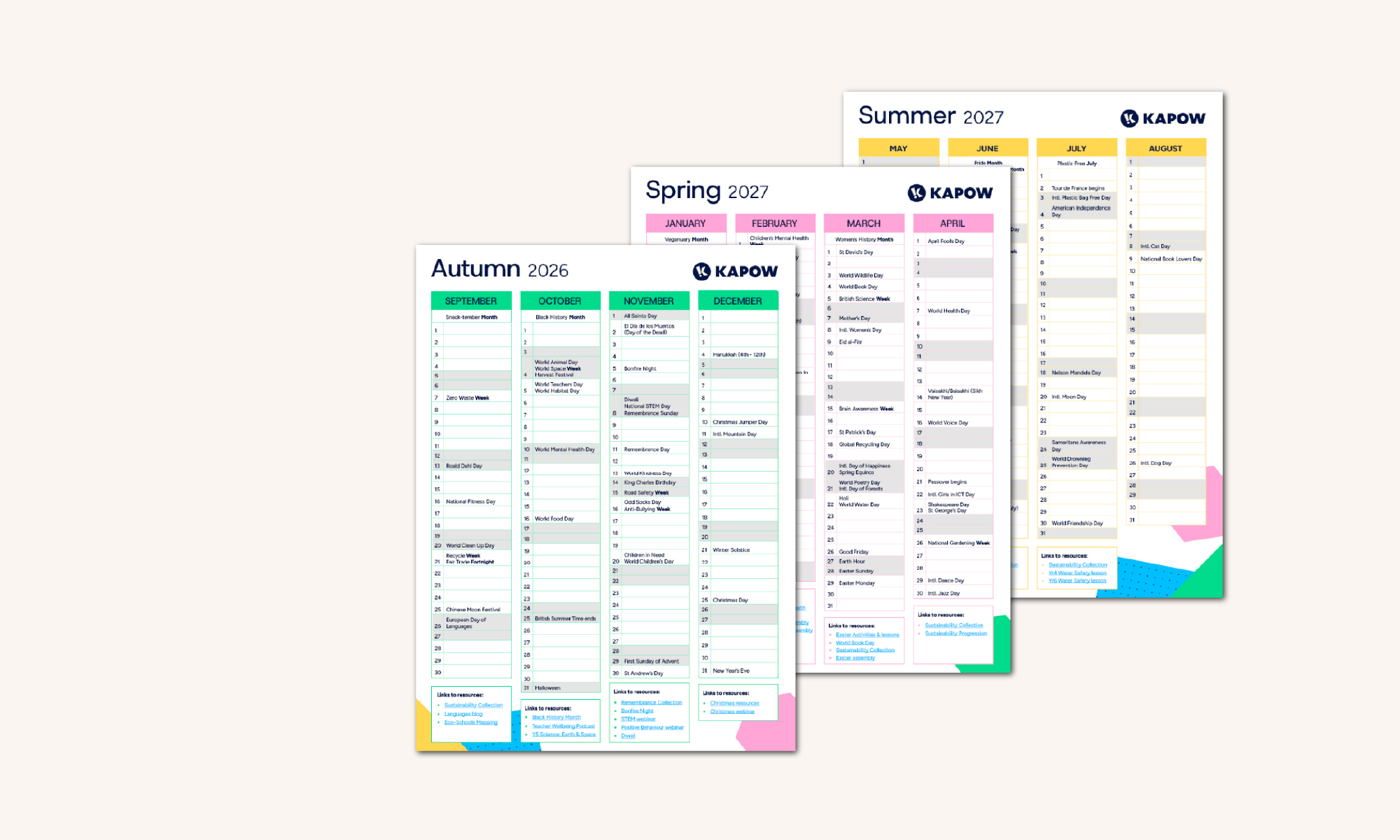
We’ve highlighted the most relevant dates and calendar events for primary schools so you can see what’s coming up each month and plan with confidence.
year: Year 1
Webinar: Lead Your Subject With Confidence

Pupil video: The North and South Poles
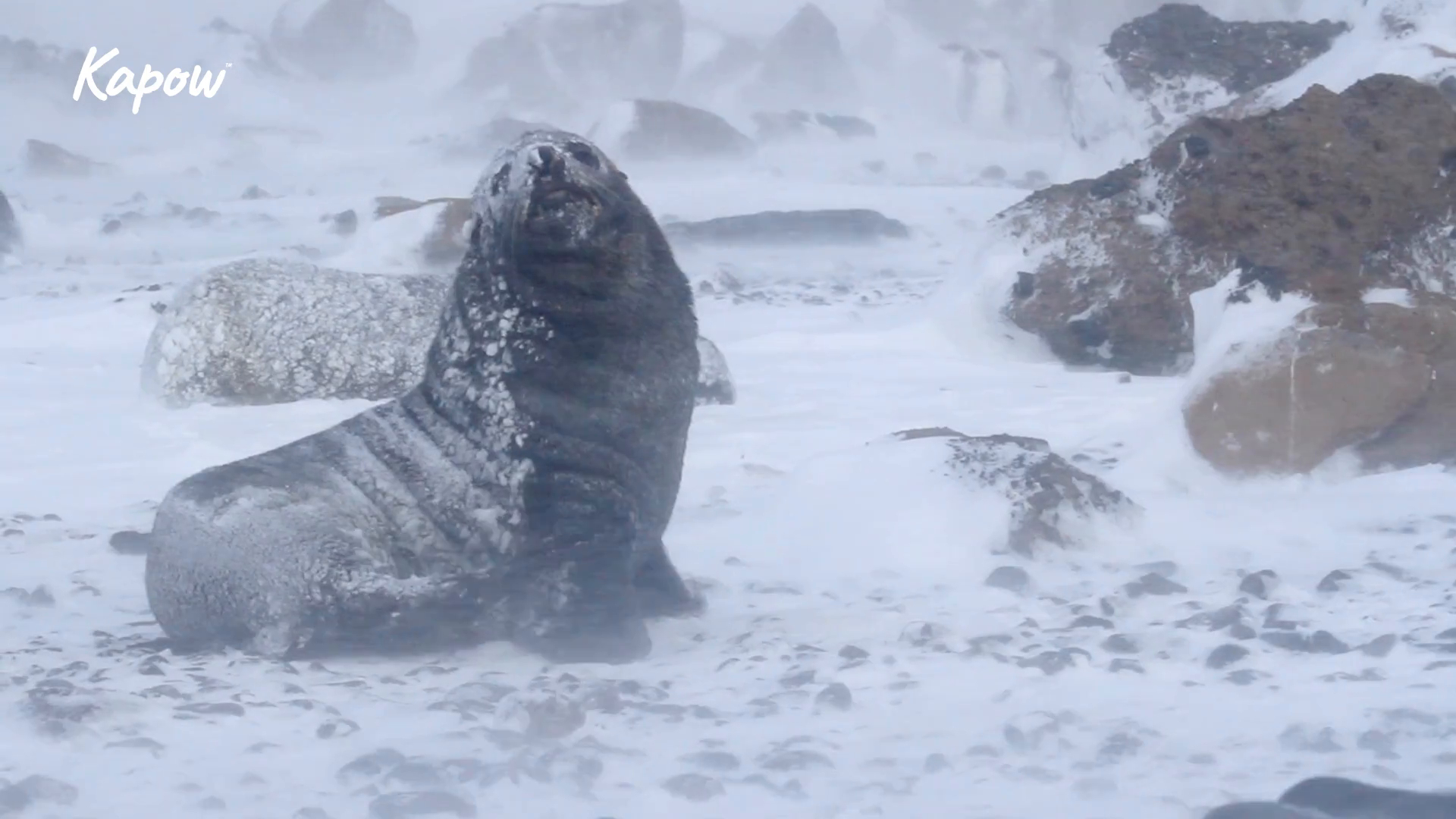
This video introduces pupils to the Polar regions, helping them explore the unique characteristics of the North and South Poles.
Pupil video: The Equator
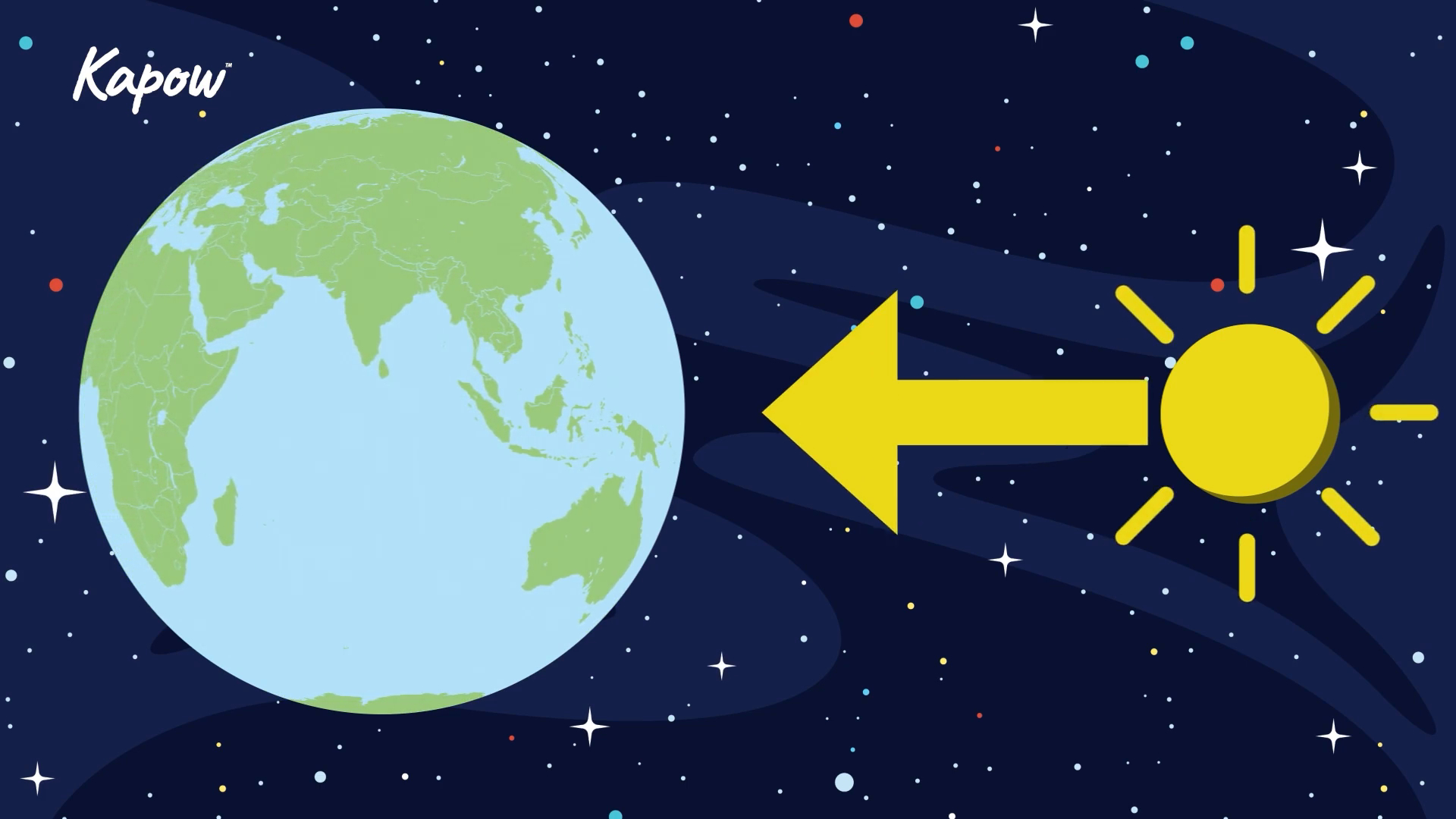
This video introduces Key stage 1 pupils to the Equator, helping them understand why it is the hottest part of the Earth.
Pupil video: Physical and human features
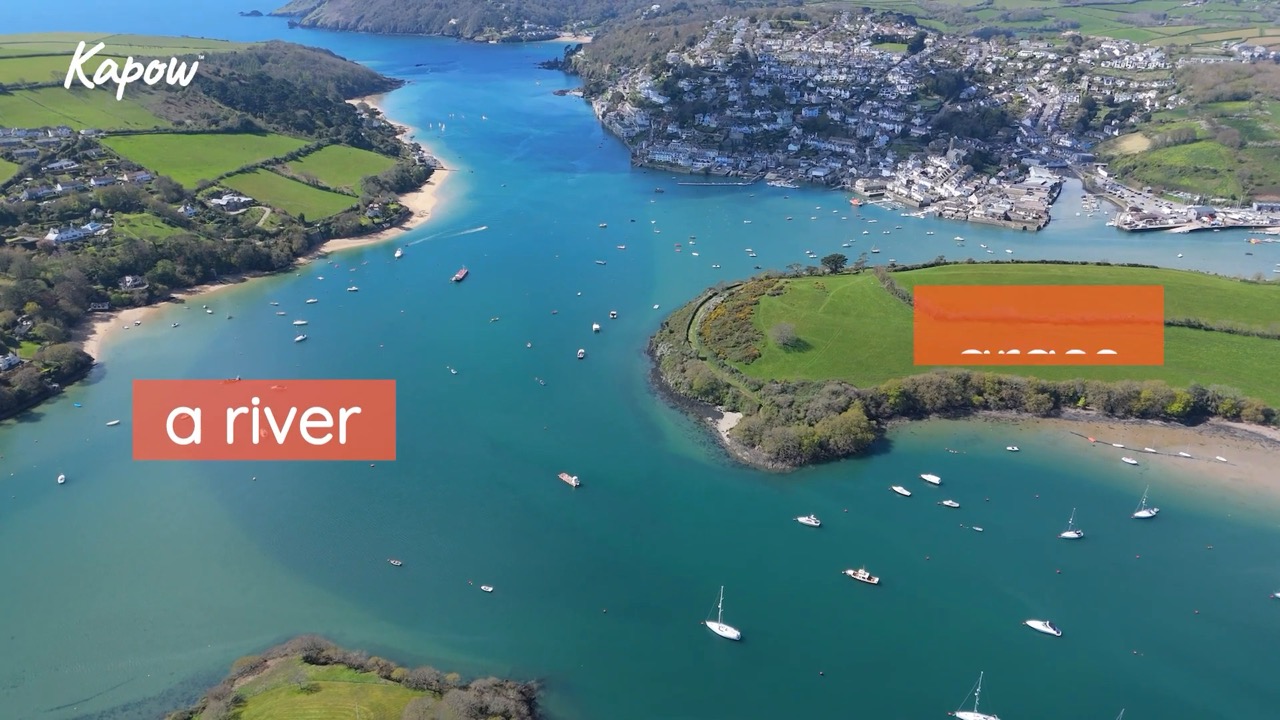
This video introduces Key stage 1 pupils to the difference between physical and human features, helping them to recognise the world around them in new ways.
Teacher video: Abstract compositions
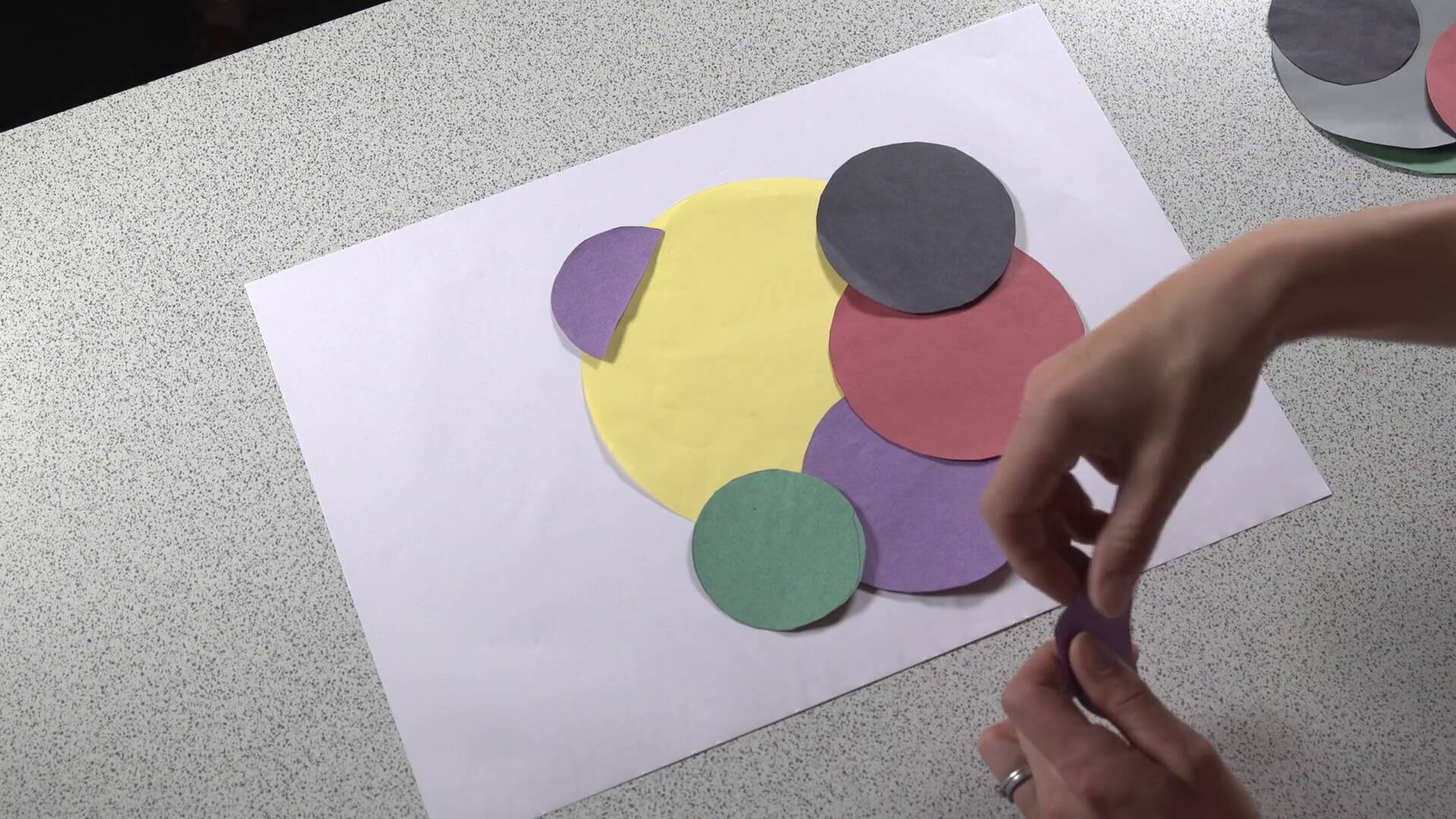
This archived Art and design scheme of work video is part of a lesson in which pupils are introduced to the terms abstract and composition, using shape as a formal element of art.
Children begin by exploring circles of different sizes, inspired by the work of Brazilian artist Beatriz Milhazes. Working in pairs, they experiment with composition by moving, overlapping, and even cutting the shapes to create interesting arrangements. Pupils are encouraged to discuss the effects with their peers and photograph their favourite designs. Using their photo as a guide, they then recreate their chosen composition by gluing shapes in place. To add emphasis, children can outline selected shapes in black, considering how this changes the overall effect. By the end of the lesson, pupils will have created their unique abstract artwork, developing their understanding of shape and composition.
This video is part of Kapow Primary’s archived Year 1 Formal elements of art unit.
Teacher video: Introduction to sketchbooks
This archived Art and design scheme of work video is part of a lesson in which pupils explore how sketchbooks can be used as a creative tool rather than for completed pieces.
Children learn that sketchbooks are a safe place to experiment, make mistakes and develop ideas. They can use them to try different approaches, such as practising shading styles, experimenting with media, or sketching the same subject in several ways. Pupils are also encouraged to add short notes alongside their drawings, recording ideas and possible changes to help them reflect and improve. Through this process, sketchbooks become a space to practise skills, explore texture and detail, and build confidence in experimenting. By the end of the lesson, children will understand that sketchbooks are about creativity and growth, not perfection, and provide a record of their artistic development.
This video is part of Kapow Primary’s archived Art and design skills units.
Teacher video: Experimenting with media
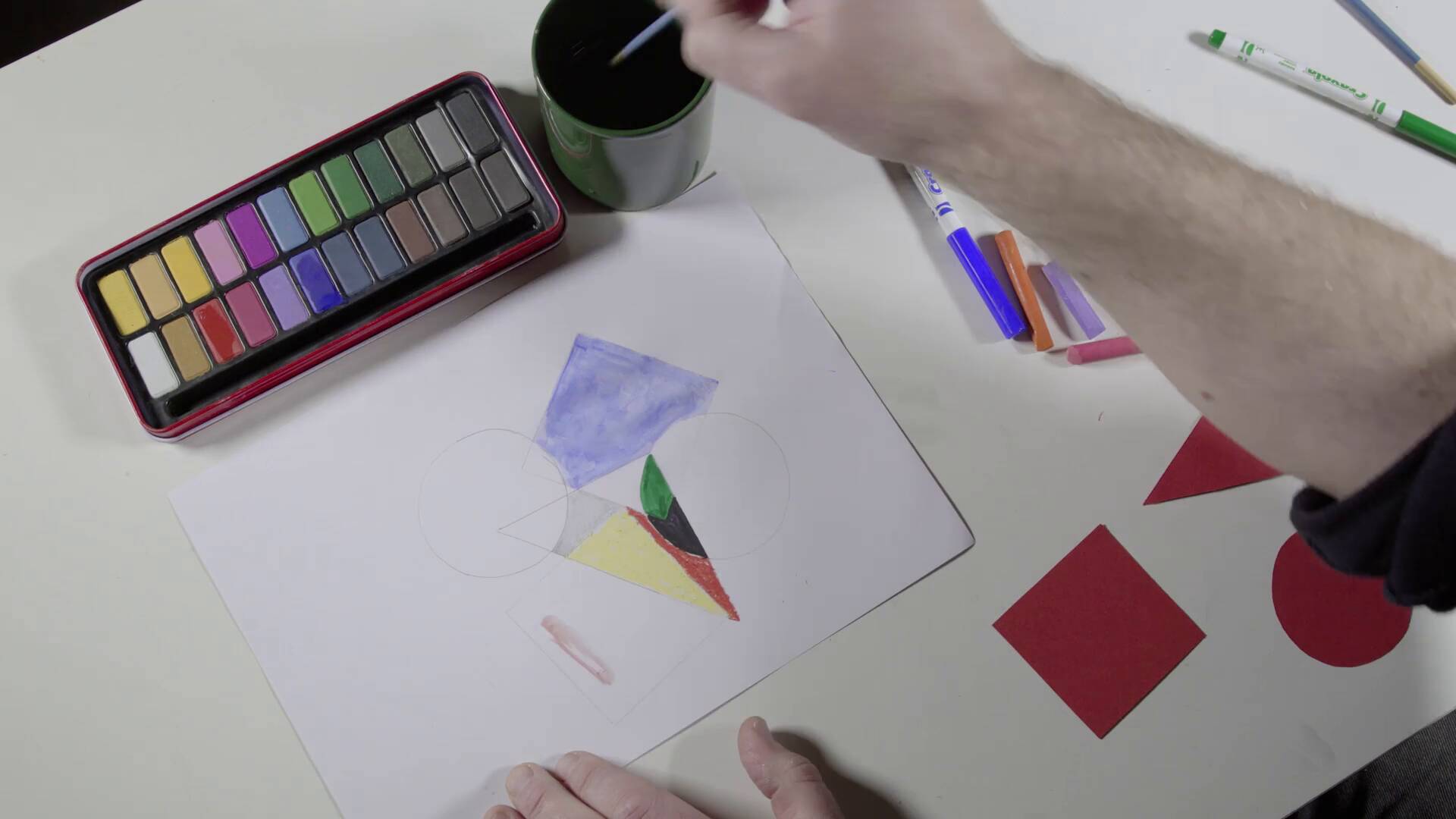
This archived Art and design scheme of work video is part of a lesson in which pupils develop their drawing skills by experimenting with different media and exploring the effects they can create.
Children begin by looking at Kandinsky’s Squares with Concentric Circles and Bernal’s Red Mardi Gras, noticing how geometric art uses overlapping shapes to form bold compositions. Using a selection of 2D shapes, pupils draw and overlap outlines carefully with pencil before filling each section with a different medium and colour. They learn to compare how materials such as watercolours, pencils and pastels behave, such as whether they smudge, erase easily, or cover large areas effectively. By reflecting on their choices, pupils begin to identify which media they prefer and why.
This video is part of Kapow Primary’s archived Year 1 Drawing: Make your mark unit. This activity builds confidence in drawing and critical reflection on artistic techniques.
Teacher video: Seaside landscape
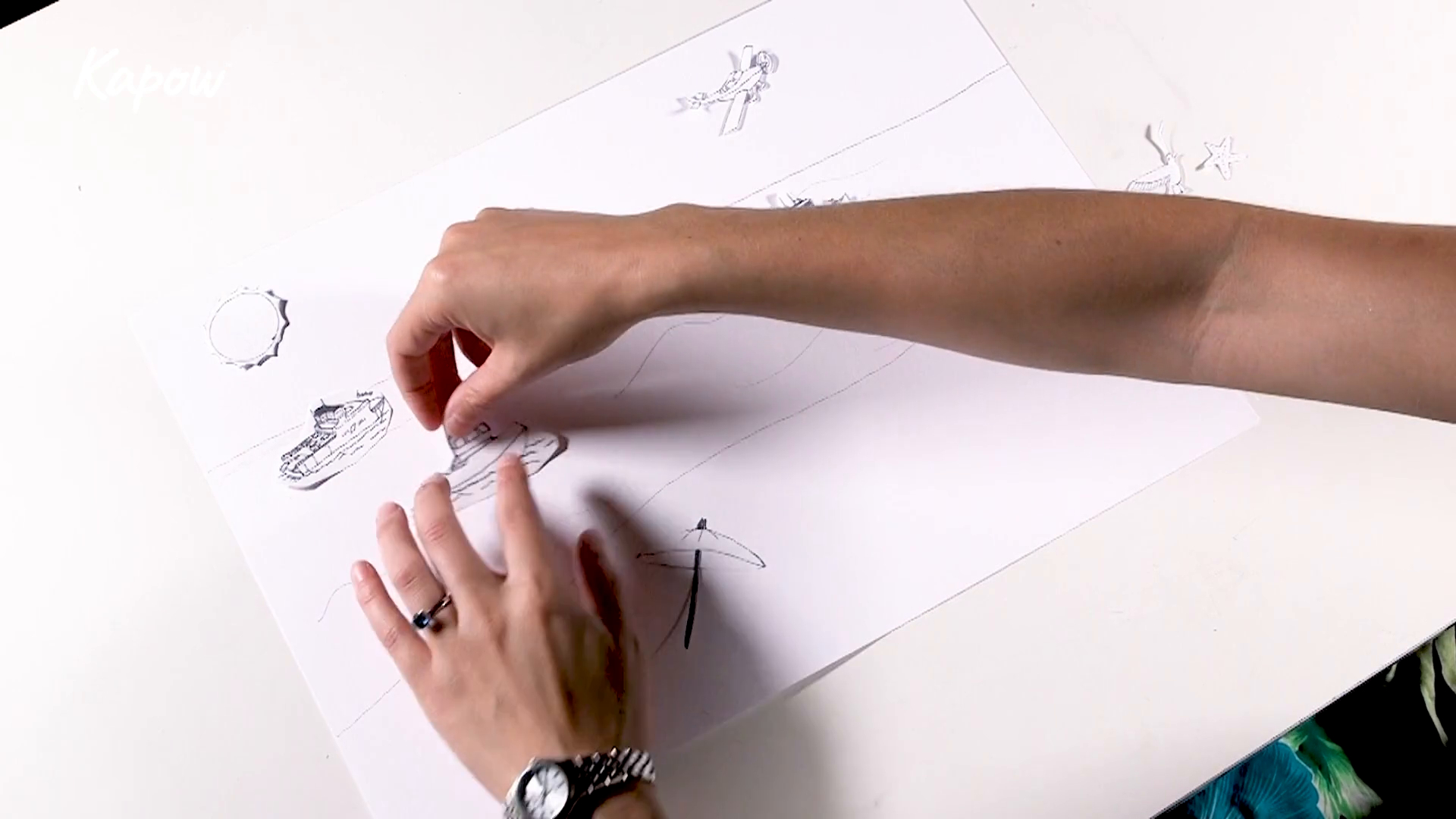
This archived Art and design scheme of work video is part of a lesson in which pupils learn about composition by creating a seaside picture.
Children begin by carefully cutting out images of seaside objects, practising their scissor skills if needed. Once complete, they set the shapes aside before moving on to sketching their background. Pupils draw a horizon line to show where the sea meets the sky, deciding whether their picture will feature mostly sky or mostly land and water. They then add another line to separate the sand from the sea, using different types of lines to represent calm or stormy waves.
Finally, pupils experiment with arranging their cut-out images on the page, moving them around until they are happy with their composition.
This video is part of Kapow Primary’s archived Year 1 Landscapes using different media unit.
