



This knowledge audit is a valuable resource for leaders in the field of Religion & Worldviews (RE). It helps identify areas where teachers may need support in effectively delivering various aspects of the subject. Additionally, it offers direct links to supporting videos to help increase subject knowledge and confidence in teaching the RE curriculum.
year: Year 5
Teacher video: Computing vocabulary

This video defines key computing terms, from abstraction and algorithms to debugging and variables.
Teacher video: Computational thinking

This video explores computational thinking and its four key elements: decomposition, pattern recognition, abstraction, and algorithm design.
Teacher video: Debugging

This Computing scheme of work video supports teachers in teaching debugging, with real-world examples and Scratch techniques to build problem-solving skills.
Teacher video: Variables
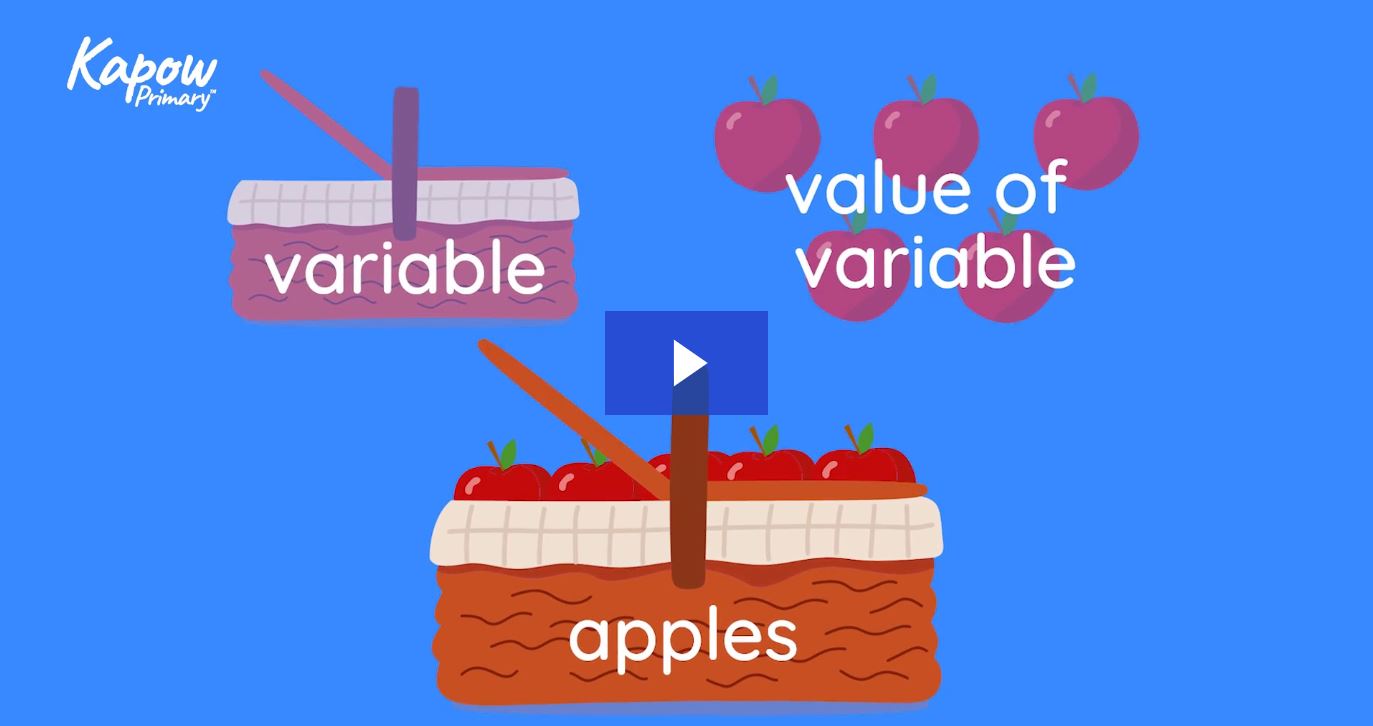
This video explains how variables store and change information in coding.
Teacher video: Repetition and loops
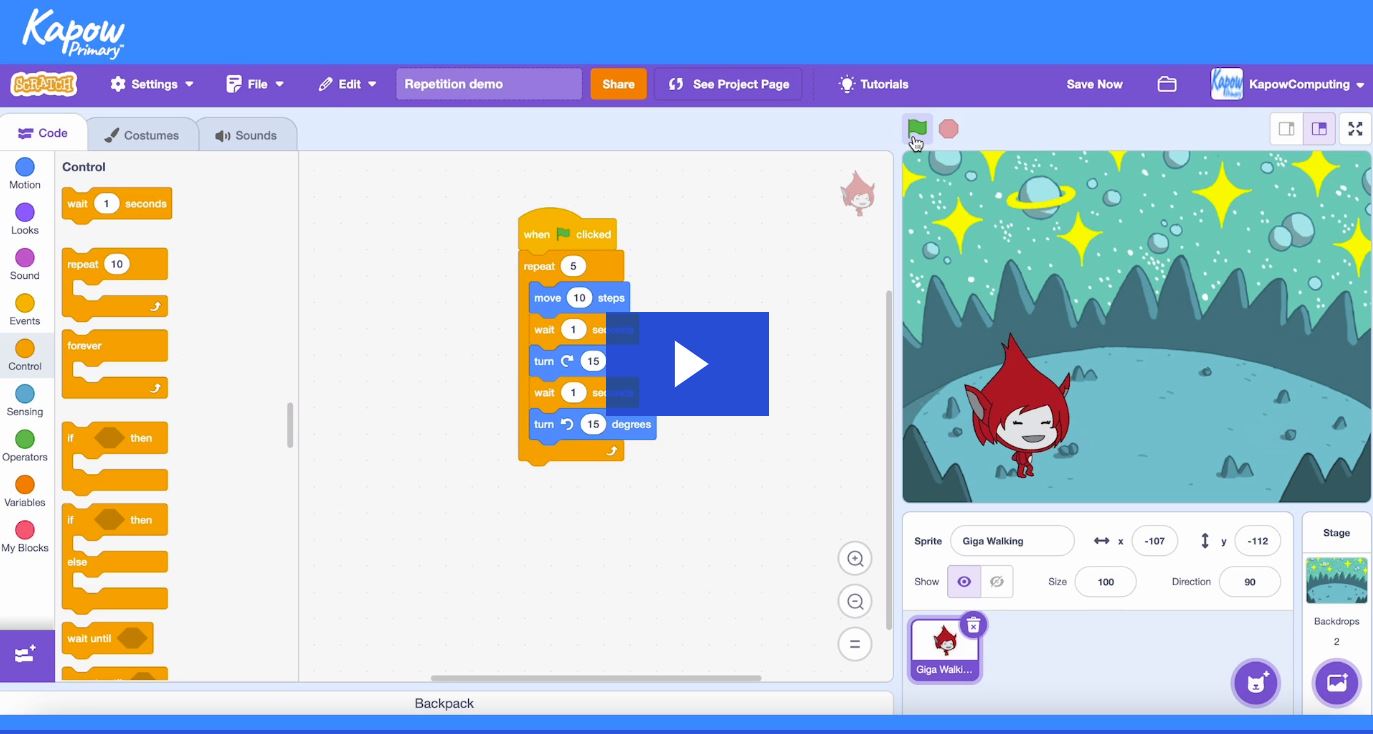
This video explains how repetition and loops work in Scratch, helping pupils create animations and games with repeated actions
Teacher video: Algorithms
This video helps teachers introduce algorithms and step-by-step instructions used in computing and everyday life.
Teacher video: Coding blocks
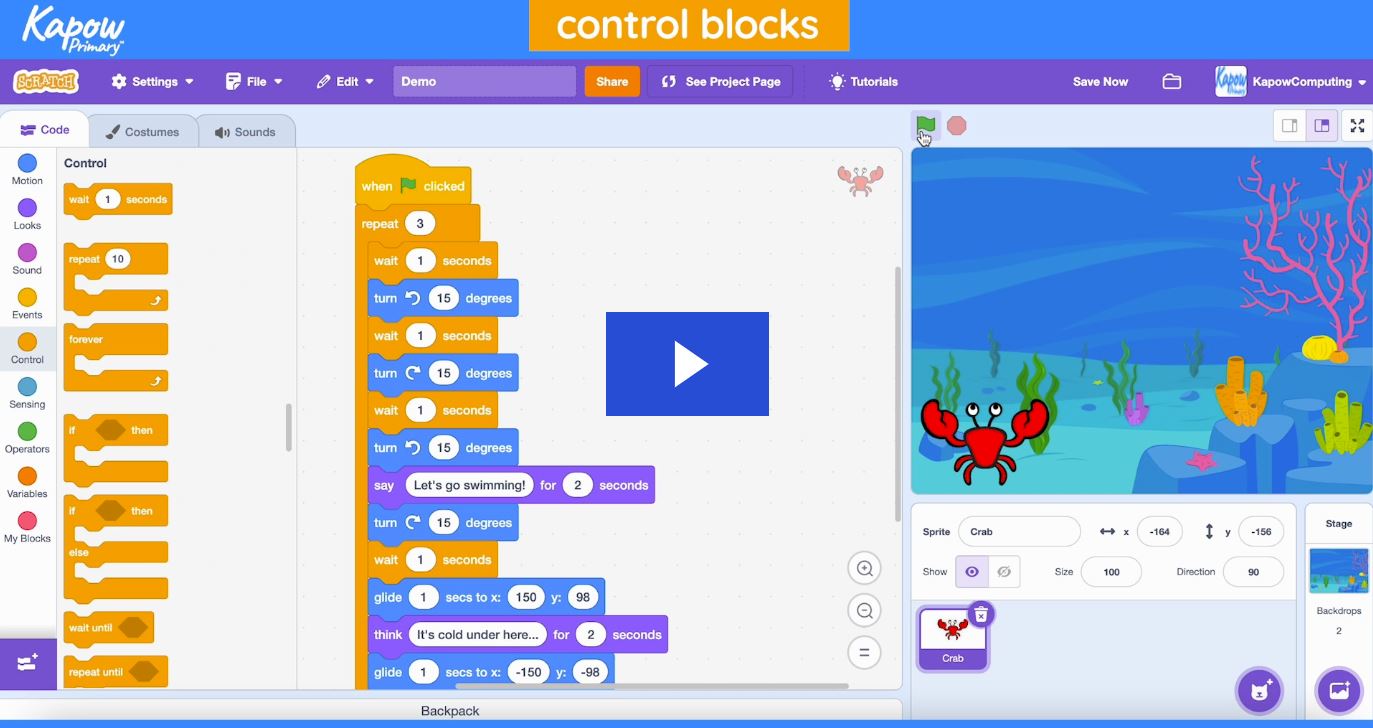
Explore the essential Scratch blocks and their functions, from motion and events to variables and sensing.
Teacher video: What is coding?

This video helps teachers feel confident supporting pupils in learning coding fundamentals, with practical strategies for guiding simple programs and developing computational thinking.
