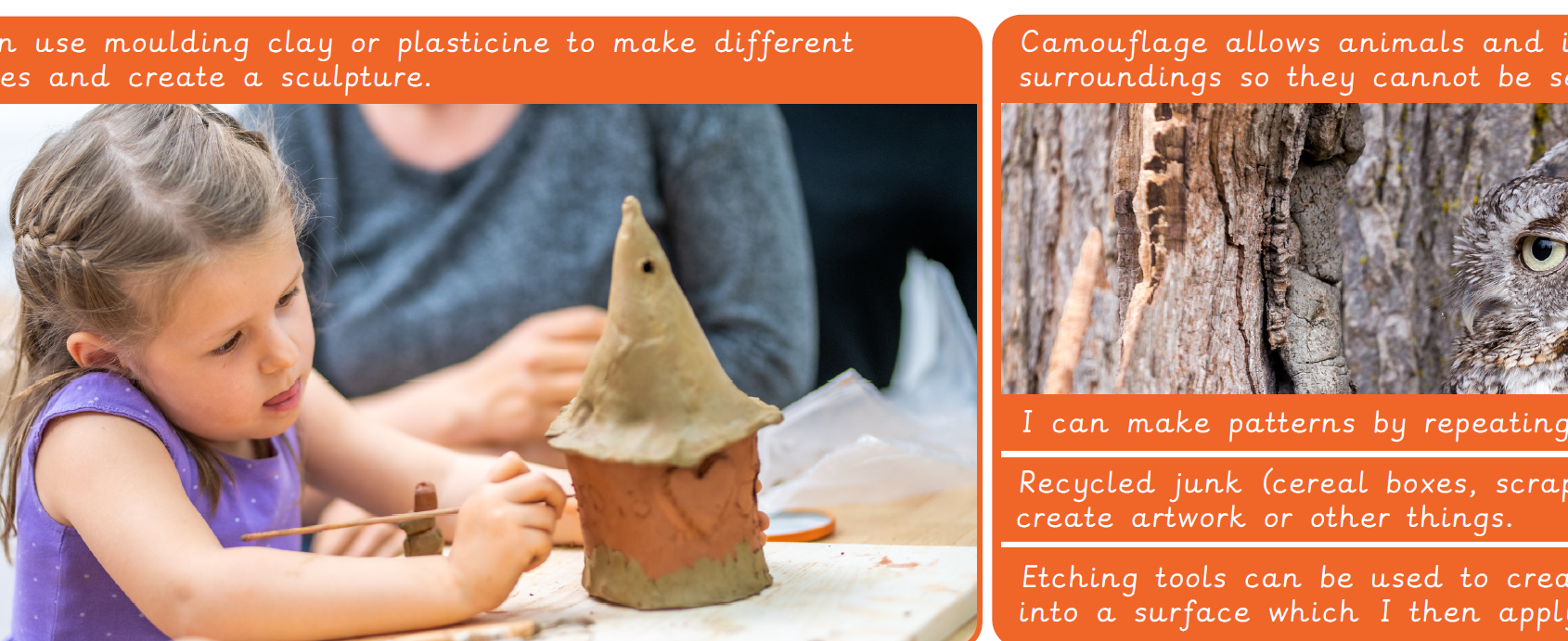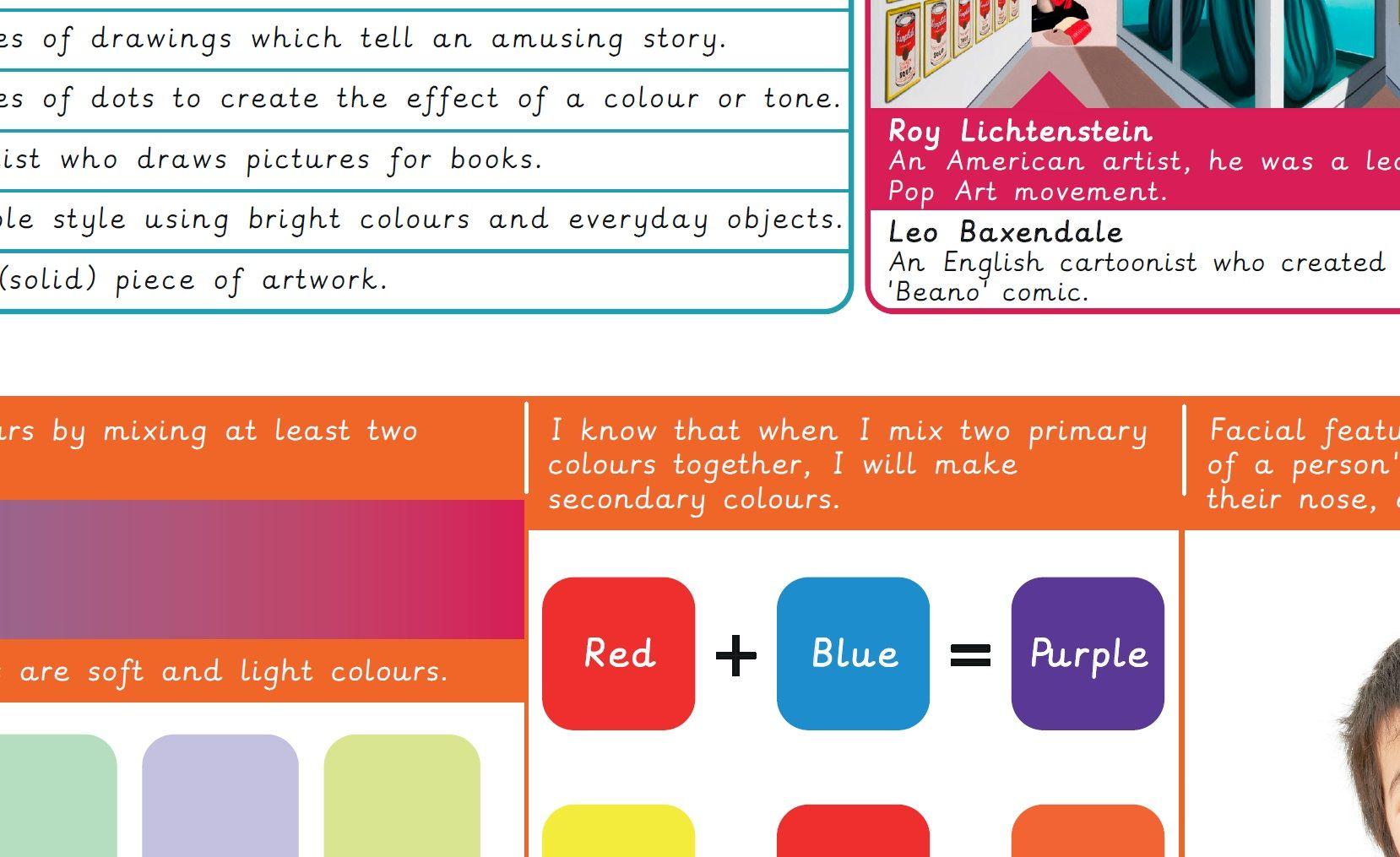
A Knowledge organiser that captures the essential knowledge and skills learnt throughout the unit Archived – Art and Design, Year 2, Sculpture and Mixed Media.
This resource is designed to support the pupils as they explore how different materials and techniques can be used to create sculptures and mixed-media artwork. It introduces key vocabulary such as sculpture, blend, dot matrix, colour wash, and illustrator, helping the pupils develop an understanding of how artists use a combination of media to produce visually striking works. The pupils will also study artists such as Roy Lichtenstein and Leo Baxendale, learning about their influence on Pop Art and comic illustration. It is perfect for consolidating essential knowledge and fostering creativity by allowing the pupils to experiment with sculpture, painting, and illustration.
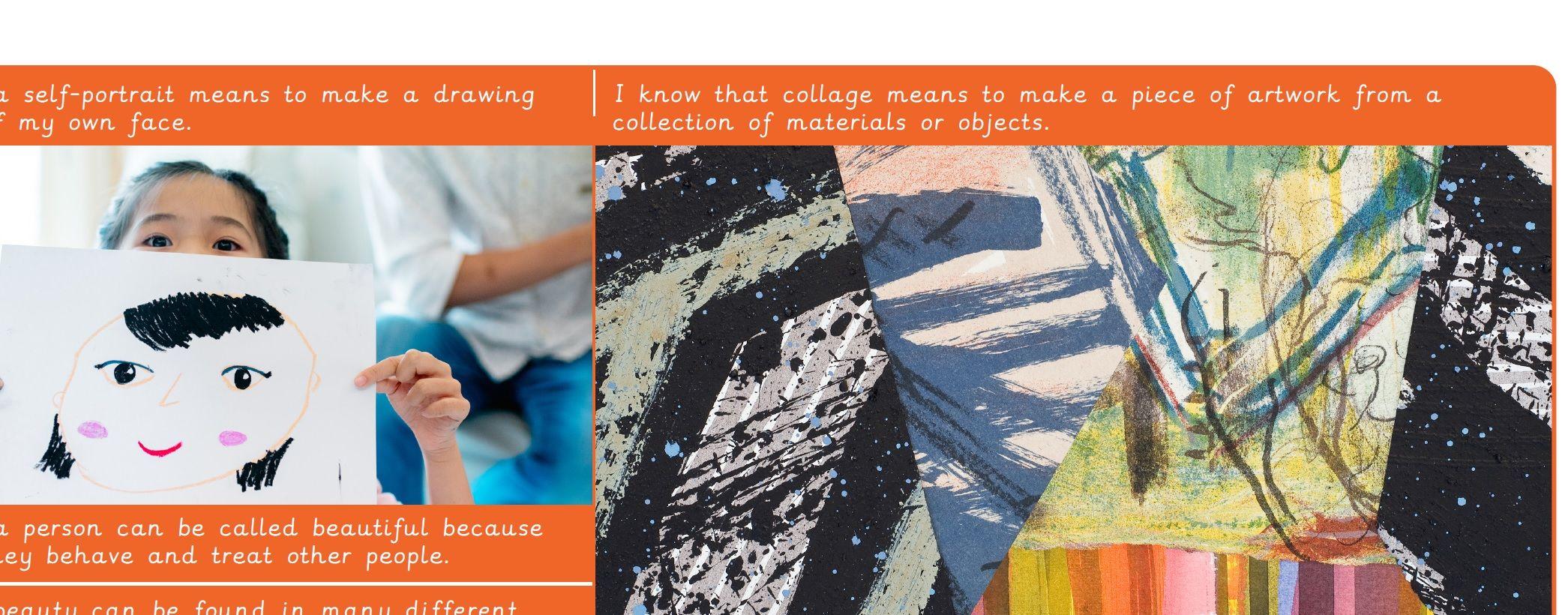
A Knowledge organiser that captures the essential knowledge and skills learnt throughout the archived unit Archived – Art and Design, Year 2, Human Form.
This resource is designed to support the pupils as they explore different ways to represent the human form in art. It introduces key vocabulary such as self-portrait, sculpture, mixed media, symbolism, and collaboration, helping the pupils develop an understanding of how artists depict the human body and emotions through various techniques and materials. The pupils will also learn about contemporary artists such as Damien Hirst, Julian Opie, and Edwina Bridgeman, examining how they use unique styles to interpret the human form. It is perfect for consolidating essential knowledge and fostering creativity by allowing the pupils to experiment with drawing, painting, collage, and three-dimensional artwork. Through hands-on activities, they will explore how the human figure is represented in different cultures, such as in the Mexican Day of the Dead celebrations, and create their own interpretations using a range of artistic techniques. The unit encourages self-expression, critical thinking, and an appreciation for the diversity of artistic styles.
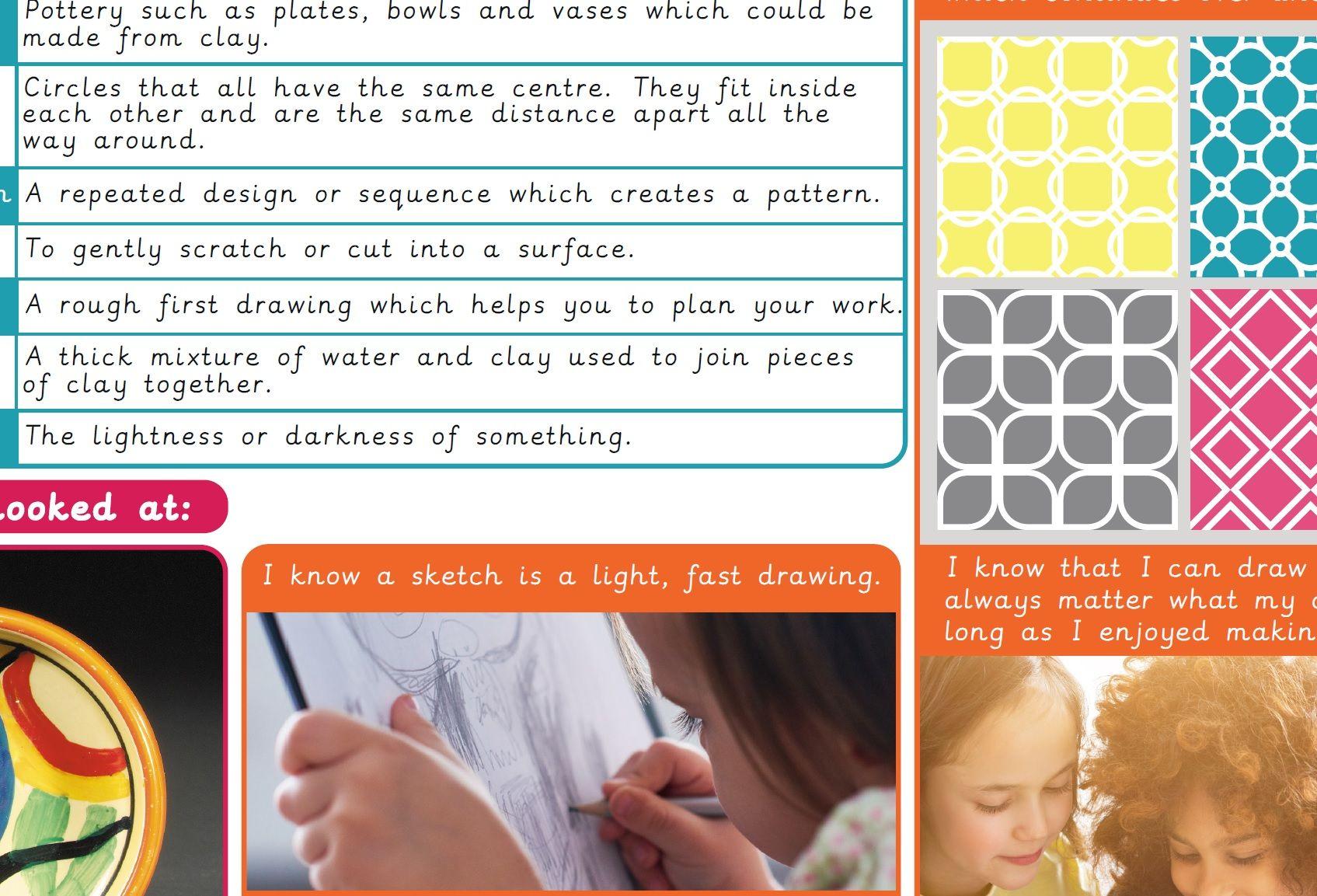
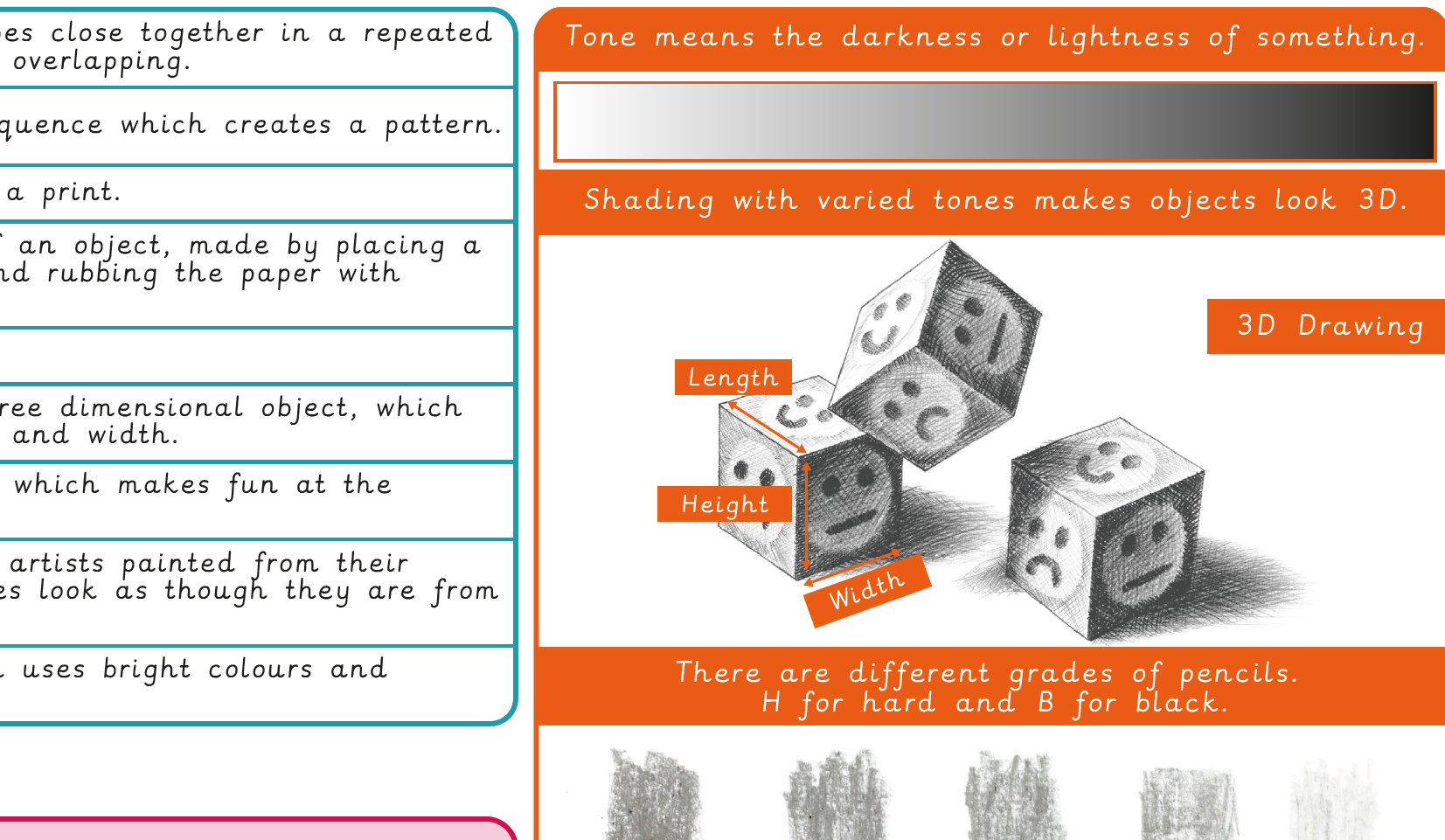
A Knowledge organiser that captures the essential knowledge and skills learnt throughout the unit Archived – Art and Design, Year 2, Art and Design Skills.
This resource is designed to support the pupils as they develop fundamental art and design techniques across different media. It introduces key vocabulary such as sketch, tone, ceramics, slip, and repeating pattern, helping the pupils build confidence in drawing, painting, and working with clay. The pupils will also explore how to create and refine their designs using methods like scoring clay, making concentric circles, and planning compositions through sketching. It is perfect for consolidating essential knowledge and fostering creativity by encouraging the pupils to experiment with different artistic approaches. Through hands-on activities, they will explore colour mixing, clay modelling, and pattern-making, while studying the works of artists such as Clarice Cliff and Nancy McCroskey. The unit promotes self-expression, problem-solving, and an appreciation for different artistic techniques and styles.
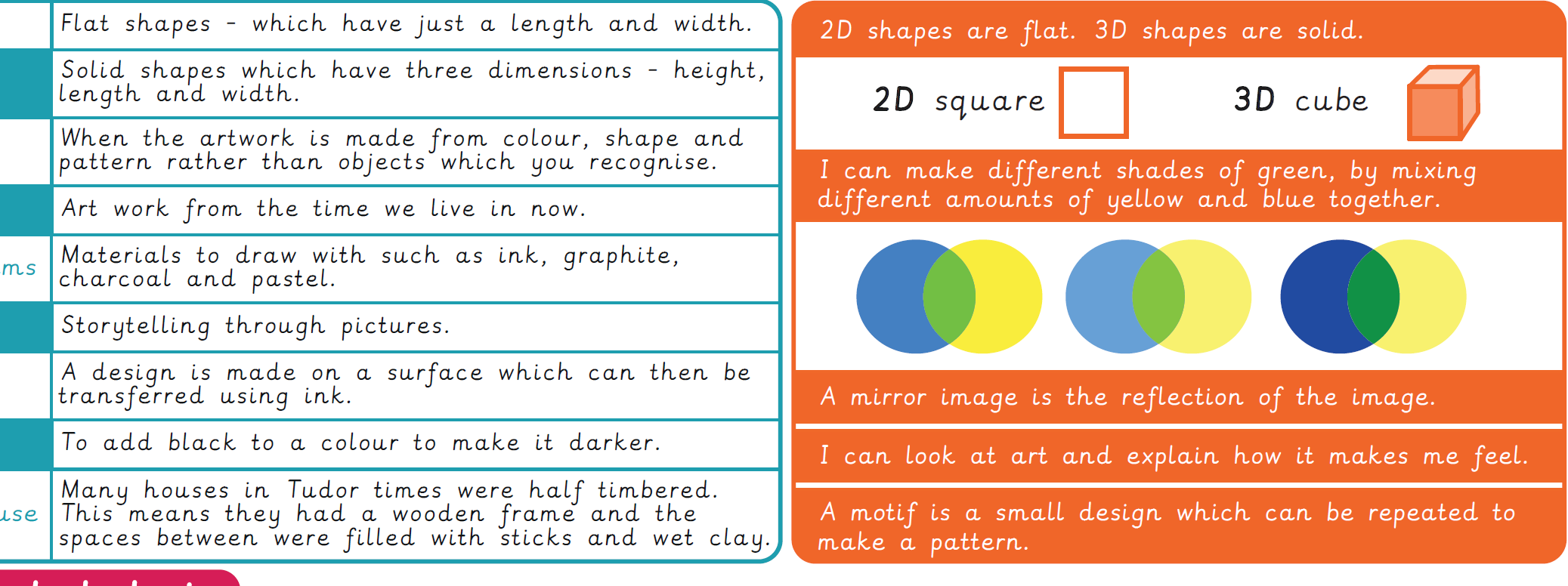
This is the original Art and design scheme, which has now been replaced by our new Art and design scheme. Here is the revised Art and design scheme of work for KS1.
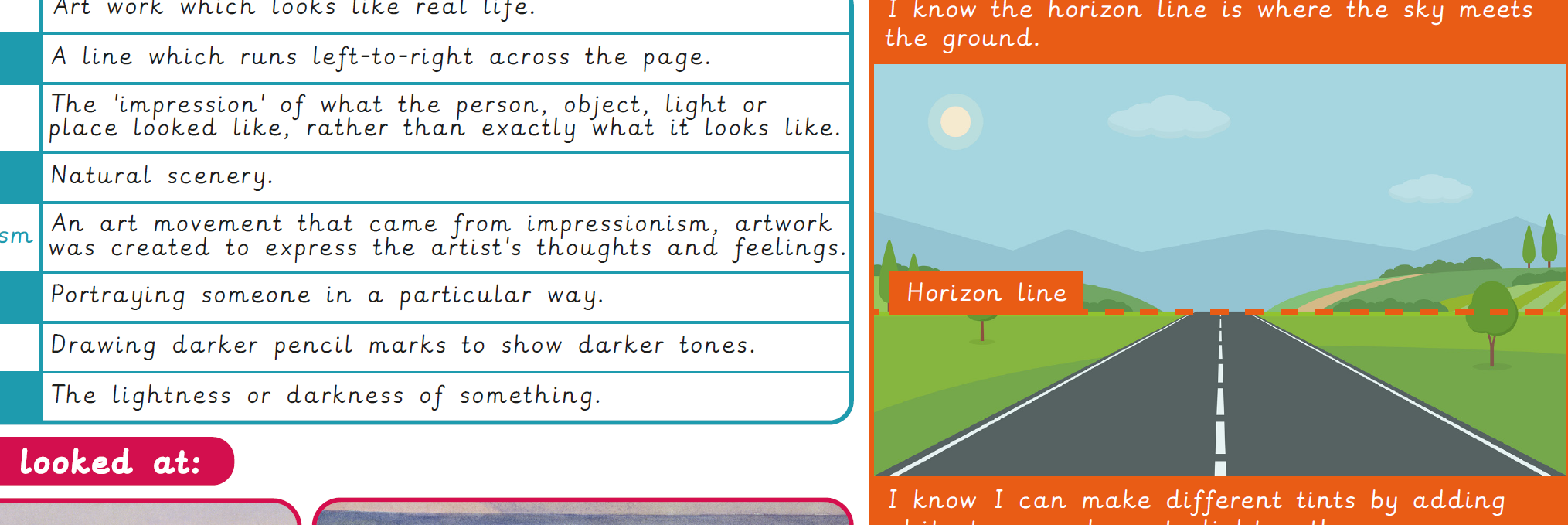
A Knowledge organiser that captures the essential knowledge and skills learnt throughout the unit Archived – Art and Design, Year 1, Landscapes Using Different Media.
This resource is designed to support the pupils as they explore different techniques for creating landscapes using a variety of media. It introduces key vocabulary such as horizon line, shading, tones, representation, and texture, helping the pupils develop an understanding of how artists create depth and atmosphere in their work. The pupils will also learn about important artistic movements such as Impressionism and Post-Impressionism and study the works of artists including Vincent van Gogh, Auguste Renoir, Peder Severin Krøyer, and Joaquín Sorolla. It is perfect for consolidating essential knowledge and fostering creativity by encouraging the pupils to experiment with different materials and techniques.