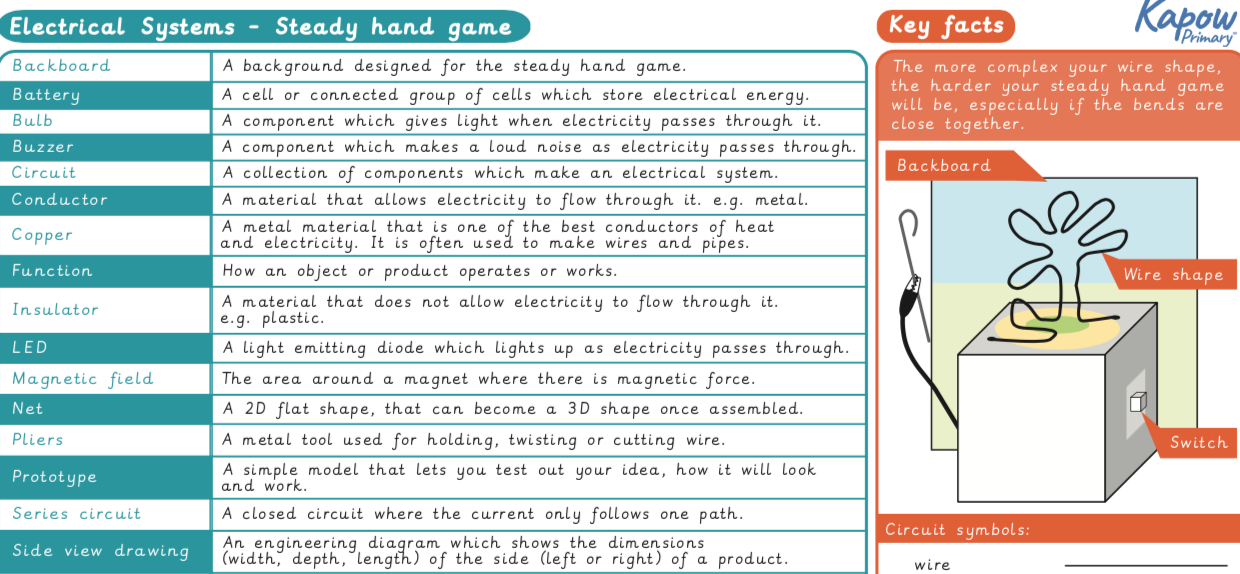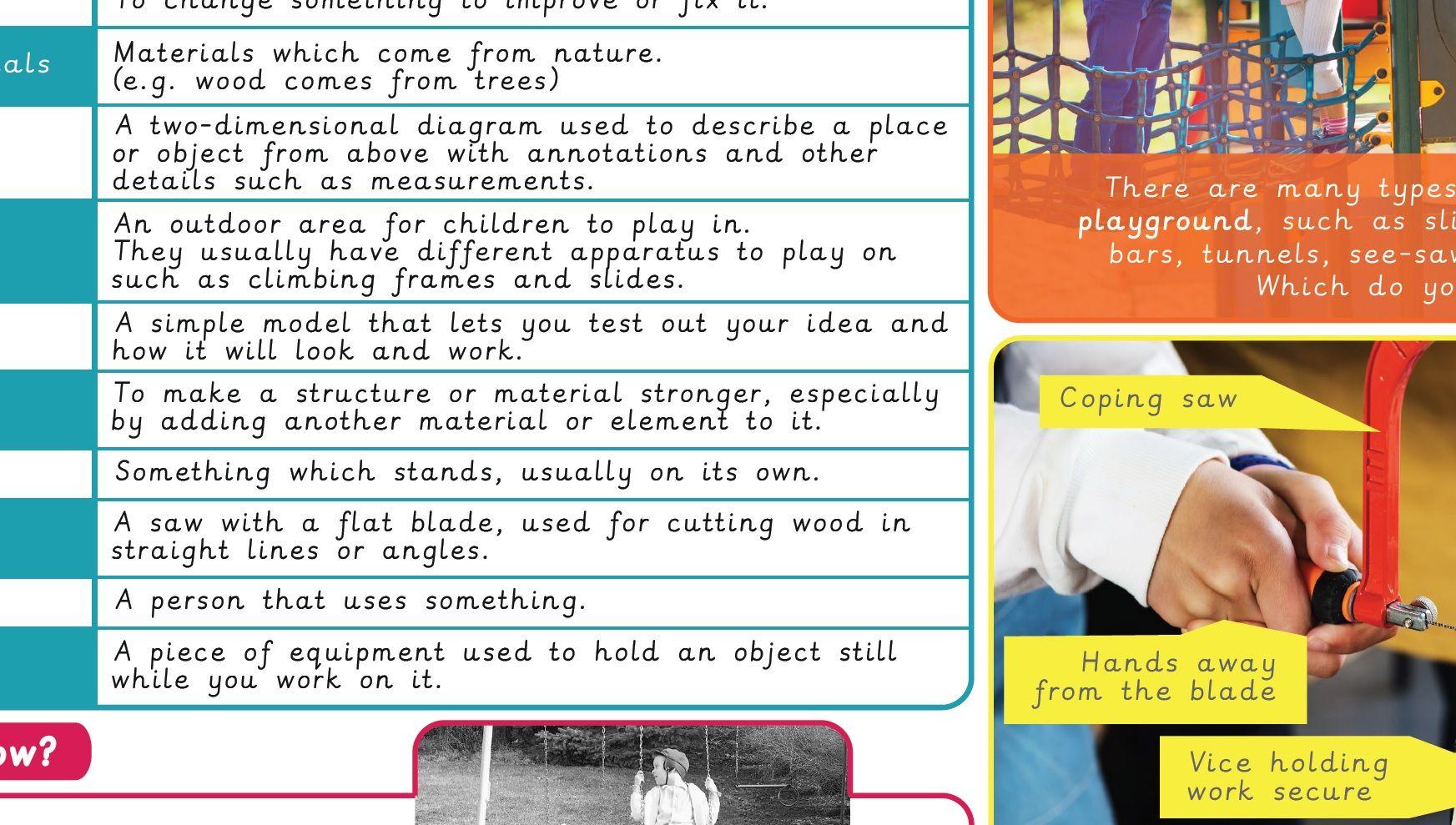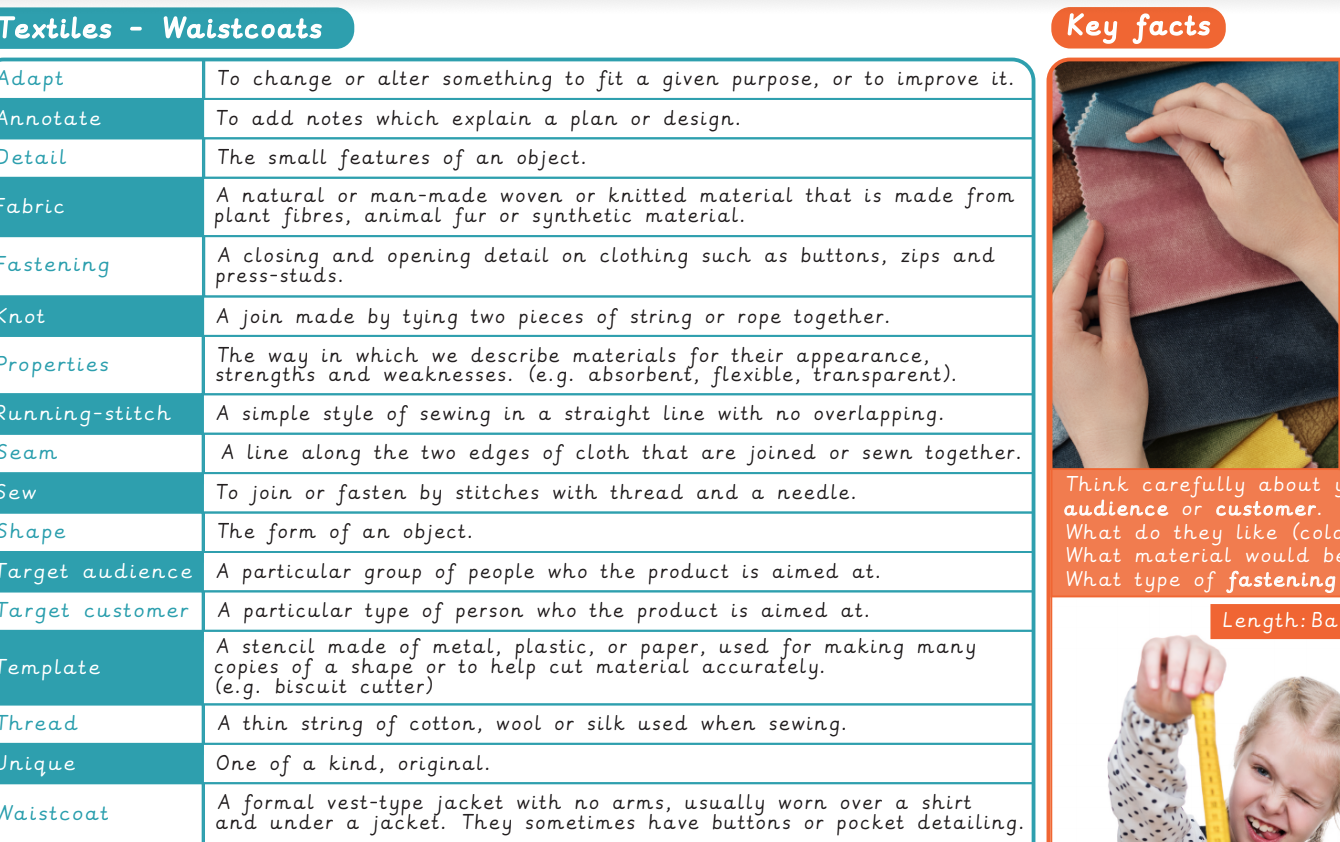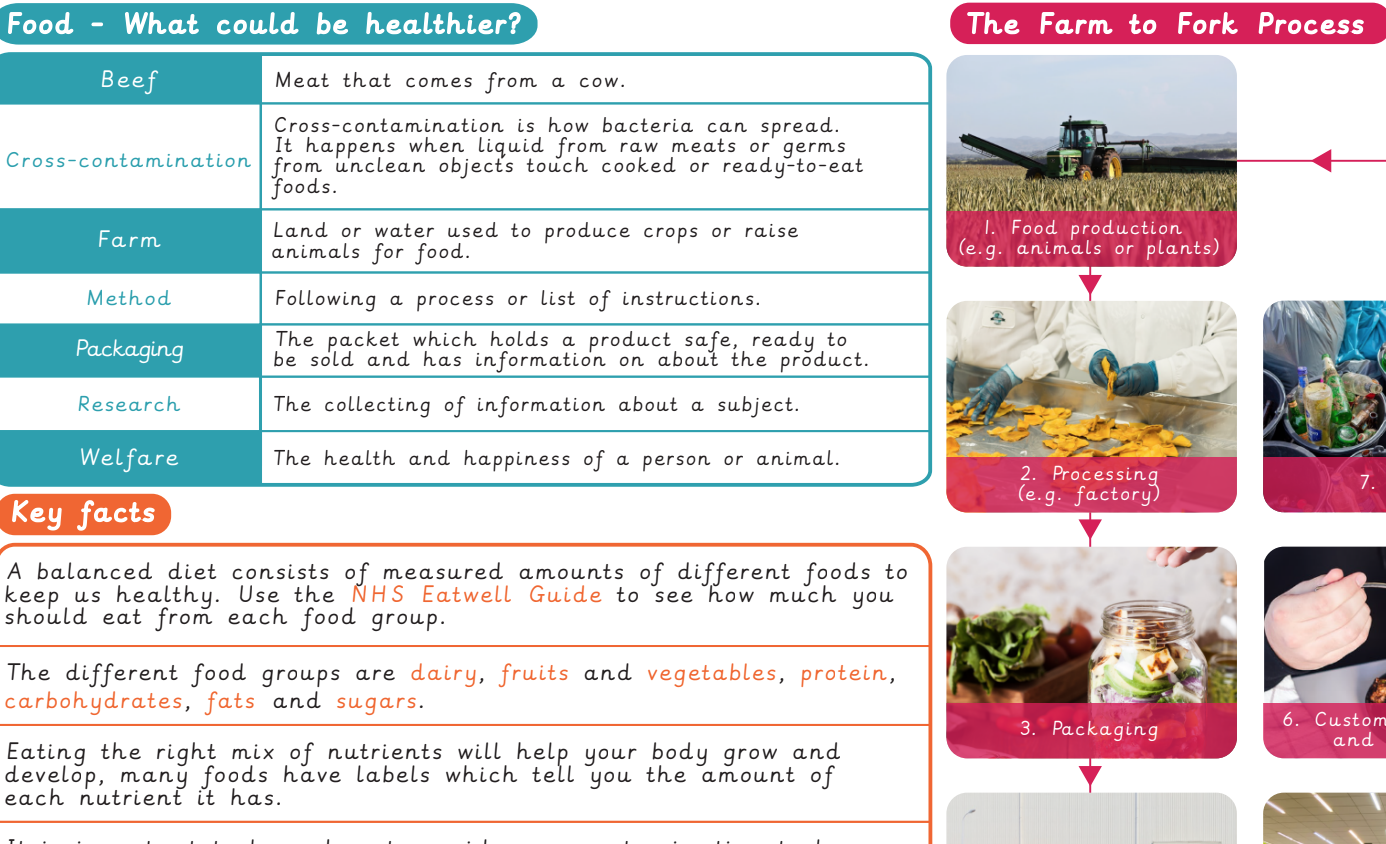
Archived – Knowledge organiser – Art and design Y4: Formal elements of art

A Knowledge organiser that captures the essential knowledge and skills learnt throughout the unit Archived – Art and Design, Year 4, Formal Elements of Art.


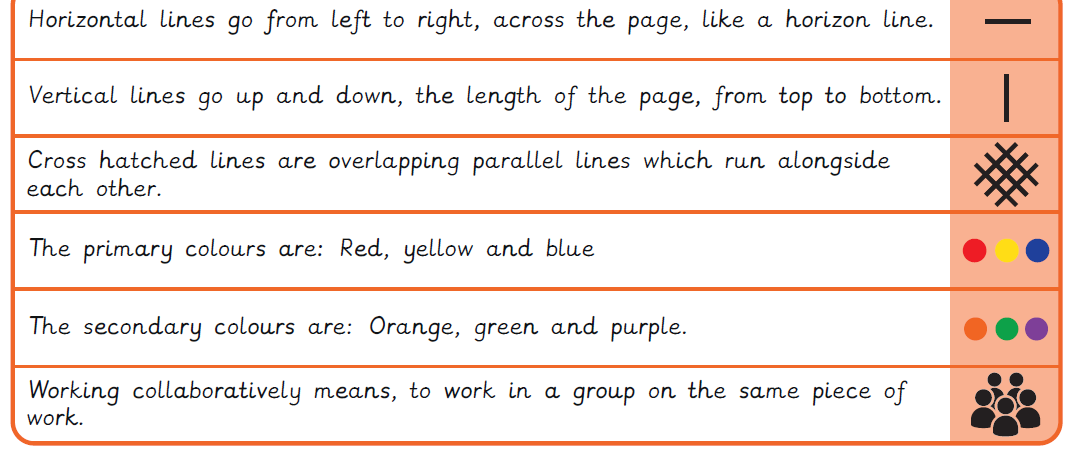
This resource is designed to support the pupils as they explore the fundamental elements that make up artistic compositions. It introduces key vocabulary such as texture, pattern, reflection, symmetrical, and abstract, helping the pupils understand how artists use these elements to create balance, contrast, and movement in their work. The pupils will also learn about different materials such as charcoal and printing blocks and how they can be used to produce unique artistic effects. It is perfect for consolidating essential knowledge and encouraging creativity. The pupils will experiment with mark-making, symmetry, and different techniques to create their own abstract compositions while developing their observational and technical skills.


Archived – Knowledge organiser: Original Art and design scheme – Y3: Prehistoric art

A Knowledge organiser that captures the essential knowledge and skills learnt throughout the unit Archived – Art and design, Year 3, Prehistoric art.

This resource introduces pupils to the world of prehistoric art, focusing on how early humans used visual expression to tell stories, record history, and communicate. It highlights key vocabulary such as “charcoal”, “tone”, and “texture”, while exploring the significance of cave art created 10,000 to 20,000 years ago. Pupils learn about drawing materials like charcoal made from willow twigs, techniques for smudging and fixing, and the natural pigments used by early artists. The organiser also supports understanding of key artistic elements including geometric shapes, line drawings, and proportions, giving pupils a strong foundation in both art history and technique.

Archived – Knowledge organiser: Art and design scheme – Y3: Formal elements

A Knowledge Organiser that captures the essential knowledge and skills learnt throughout the now archived unit Archived – Art and Design, Year 3, Formal elements of art.

This resource is designed to support children as they explore the formal elements of art through drawing and sculpture. It highlights key vocabulary and skills such as shading, sketching, shaping wire, and recognising geometric and natural forms. Learners develop their understanding of tone, line and 3D form while building confidence in using art techniques and tools. It is perfect for consolidating essential knowledge and encouraging creativity and observation.

Archived – Knowledge organiser – Art and design Y3: Skills

A Knowledge organiser that captures the essential knowledge and skills learnt throughout the unit Archived – Art and Design, Year 3, Art and Design Skills.


This resource is designed to help pupils develop their drawing, painting, and illustration techniques. It introduces key vocabulary such as sketching, tint, tone, opaque, and three-dimensional, helping the pupils refine their artistic skills. The pupils will also explore different artistic styles and study the works of Carl Giles, Walt Disney, Diego Velázquez, and Sam McBratney, learning how artists create characters and visual storytelling.


Archived – Knowledge organiser – Art and design Y2: Sculpture and mixed media

A Knowledge organiser that captures the essential knowledge and skills learnt throughout the unit Archived – Art and Design, Year 2, Sculpture and Mixed Media.


This resource is designed to support the pupils as they explore how different materials and techniques can be used to create sculptures and mixed-media artwork. It introduces key vocabulary such as sculpture, blend, dot matrix, colour wash, and illustrator, helping the pupils develop an understanding of how artists use a combination of media to produce visually striking works. The pupils will also study artists such as Roy Lichtenstein and Leo Baxendale, learning about their influence on Pop Art and comic illustration. It is perfect for consolidating essential knowledge and fostering creativity by allowing the pupils to experiment with sculpture, painting, and illustration.


Archived – Knowledge organiser – Art and design Y2: Human form

A Knowledge organiser that captures the essential knowledge and skills learnt throughout the archived unit Archived – Art and Design, Year 2, Human Form.


This resource is designed to support the pupils as they explore different ways to represent the human form in art. It introduces key vocabulary such as self-portrait, sculpture, mixed media, symbolism, and collaboration, helping the pupils develop an understanding of how artists depict the human body and emotions through various techniques and materials. The pupils will also learn about contemporary artists such as Damien Hirst, Julian Opie, and Edwina Bridgeman, examining how they use unique styles to interpret the human form. It is perfect for consolidating essential knowledge and fostering creativity by allowing the pupils to experiment with drawing, painting, collage, and three-dimensional artwork. Through hands-on activities, they will explore how the human figure is represented in different cultures, such as in the Mexican Day of the Dead celebrations, and create their own interpretations using a range of artistic techniques. The unit encourages self-expression, critical thinking, and an appreciation for the diversity of artistic styles.


Knowledge organiser: Original Art and design scheme -Y2: Formal elements of art

Archived – Knowledge organiser – Art and design Y2: Skills

A Knowledge organiser that captures the essential knowledge and skills learnt throughout the unit Archived – Art and Design, Year 2, Art and Design Skills.


This resource is designed to support the pupils as they develop fundamental art and design techniques across different media. It introduces key vocabulary such as sketch, tone, ceramics, slip, and repeating pattern, helping the pupils build confidence in drawing, painting, and working with clay. The pupils will also explore how to create and refine their designs using methods like scoring clay, making concentric circles, and planning compositions through sketching. It is perfect for consolidating essential knowledge and fostering creativity by encouraging the pupils to experiment with different artistic approaches. Through hands-on activities, they will explore colour mixing, clay modelling, and pattern-making, while studying the works of artists such as Clarice Cliff and Nancy McCroskey. The unit promotes self-expression, problem-solving, and an appreciation for different artistic techniques and styles.


Please don’t screenshot or copy images from this page.
Kapow Primary resources are created by teachers and protected by copyright. Copying images or slides into your own presentations (for example using the Snipping Tool) counts as reproducing the resource and isn’t permitted under the Kapow licence.
This resource is being accessed through your school’s Kapow licence.
Thank you for respecting the work of the teachers who create these materials.