




- Subjects >
- Science >
- Key stage 1 >
- Year 1 >
Introducing 'Making connections' in Science

Unit outcomes
Pupils who are secure will be able to:
- Identify the typical weather associated with each season.
- Describe animal features.
- Recognise similarities and differences between animals in the same animal group.
- Build an animal home with natural materials.
- Explain the difference between carnivores, herbivores and omnivores.
When working scientifically, pupils who are secure will be able to:
- Carry out online research to find answers to questions.
- Measure length in centimetres.
- Suggest how to carry out a waterproof test.
- Begin to recognise if a test is fair.
- Use data to answer questions.
- Recognise patterns in data.
- Group birds according to their diet.
Please note that Kapow Primary Science lessons are designed to be 1 hour and 30 minutes long to reflect the requirements of a core subject.
Suggested prior learning
This unit revises and builds on learning from the previous Year 1 units.Lessons
Lesson 1: Do taller trees have wider trunks?

Lesson 2: Comparing woodland animals
Lesson 3: Measuring animal footprints
Lesson 4: Building an animal home
Lesson 5: Are birds carnivores, herbivores or omnivores?
Key skills
Posing questions
- Exploring

This content is for subscribers only. Join for access today.
Key knowledge
This unit revises the
This content is for subscribers only. Join for access today.
Key vocabulary
amphibian
bird
This content is for subscribers only. Join for access today.
Equipment list
Equipment needed across all lessons in this unit.
This list does not include equipment which is usually readily available in the classroom (e.g pencils, A4 paper etc)
 Download
Full equipment list for the subject
Quantities marked × will update. Items without quantities are unaffected
- ‘The Oak Tree’ by Julia Donaldson ×1
- ‘The Gruffalo’ by Julia Donaldson ×1
-
Wool or string in three different colours
×8 -
Clipboard
×1 -
Natural materials for building small animal homes (e.g. sticks, leaves, moss and bark).
×1 -
Small plastic animal figure (e.g. a mouse).
1 - Pine cones (with open scales) ×30
-
Ripe bananas
10 -
Oats, seeds and dried fruit or wild bird seed (one cup)
×5 - String ×1
The equipment below is optional
-
Tape measures
×8 - Devices with internet access ×15
- Magnifying glasses ×15
- Dice ×15
This content is for subscribers only. Join for access today.
Related content
Unit resources


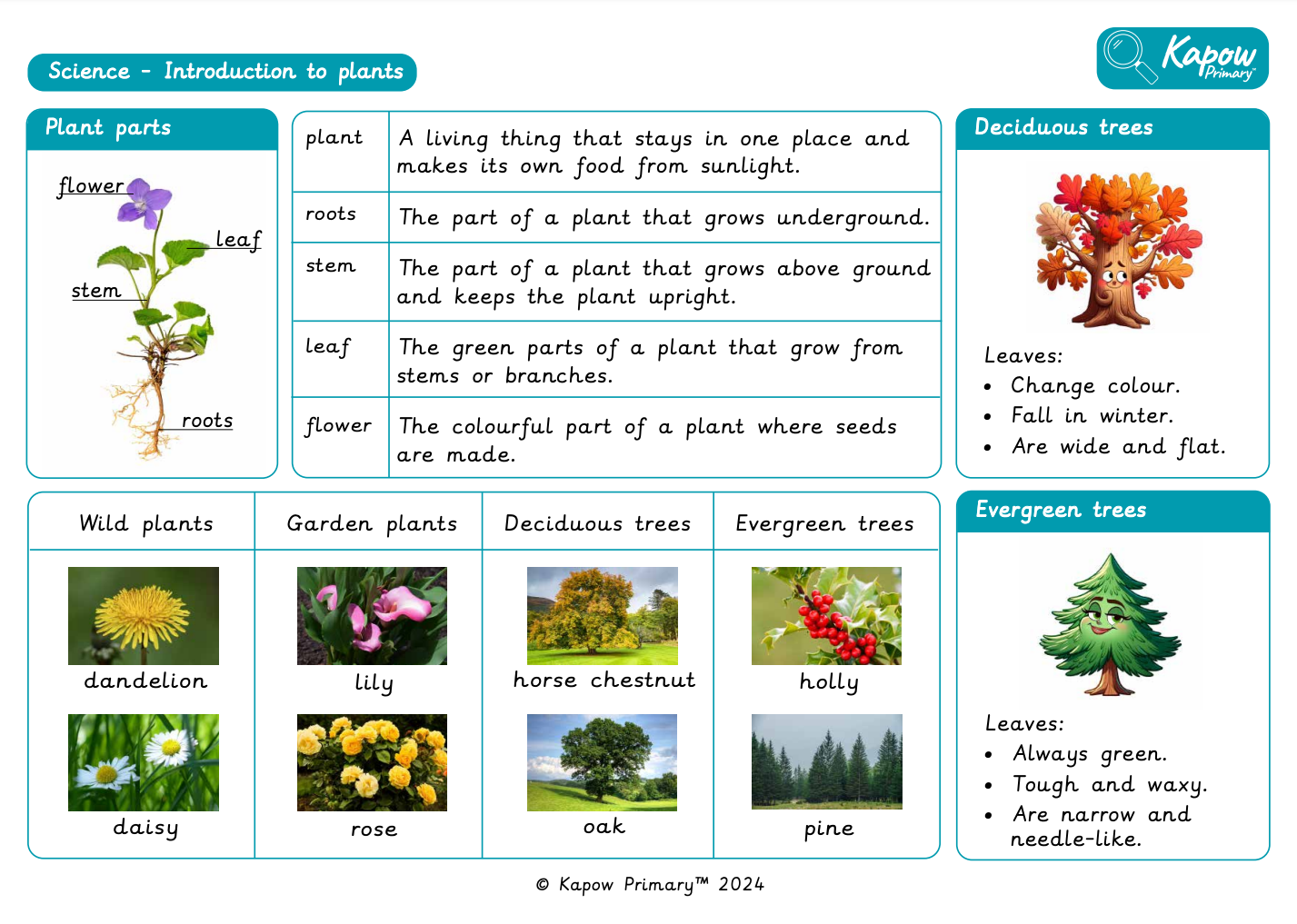
Y1 Science knowledge organisers
A complete collection of the Year 1 Knowledge organisers. The Making connections units do not have new Knowledge organisers as…
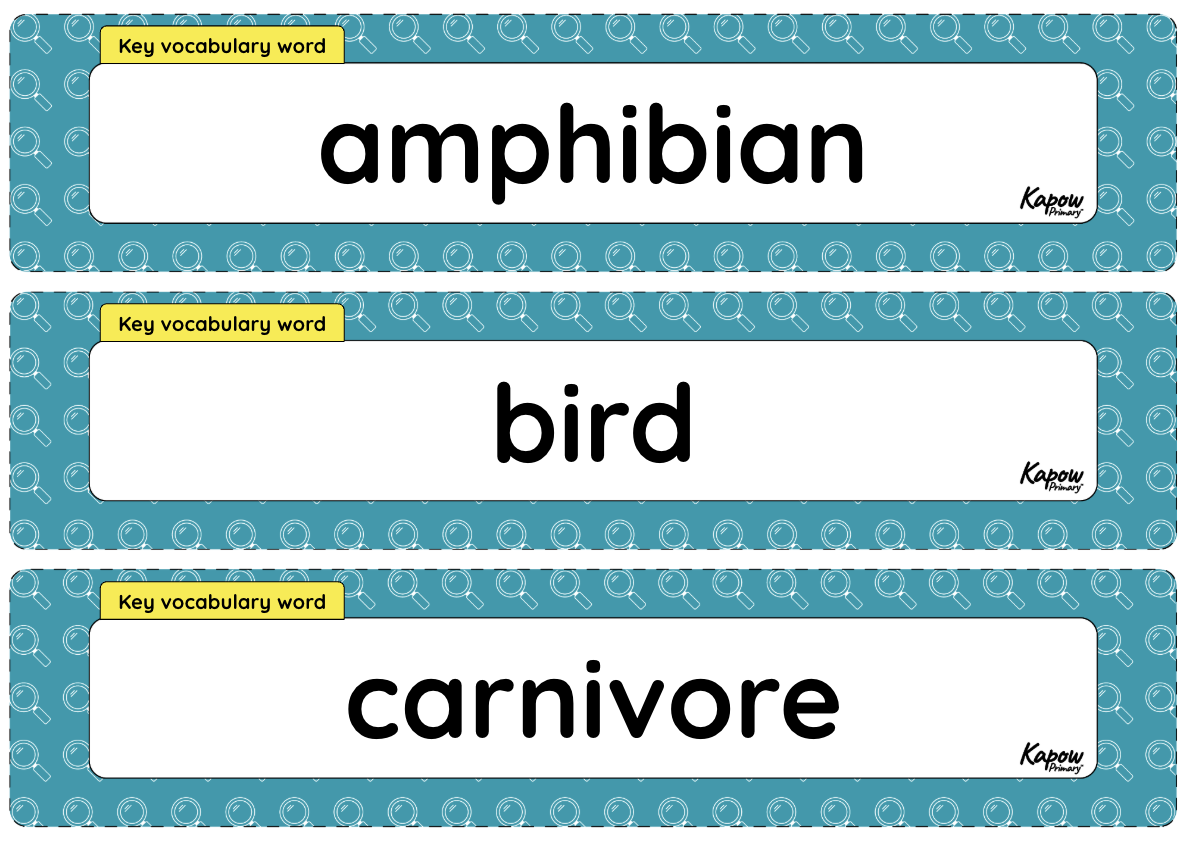
Vocabulary display: Making connections: Investigating science through stories
A display version of the key vocabulary from the 'Making connections: Investigating science through stories' unit.
Subject resources
This content is for subscribers only. Join for access today.
Cross-curricular opportunities
Computing: Using devices to retrieve digital content.
Maths: Comparing and measuring length.
English: Listening to poems and stories and using phonic knowledge to spell.
Music: Listening to and joining in with songs.
Geography: Carrying out fieldwork on the school grounds.
British values – mutual respect.
