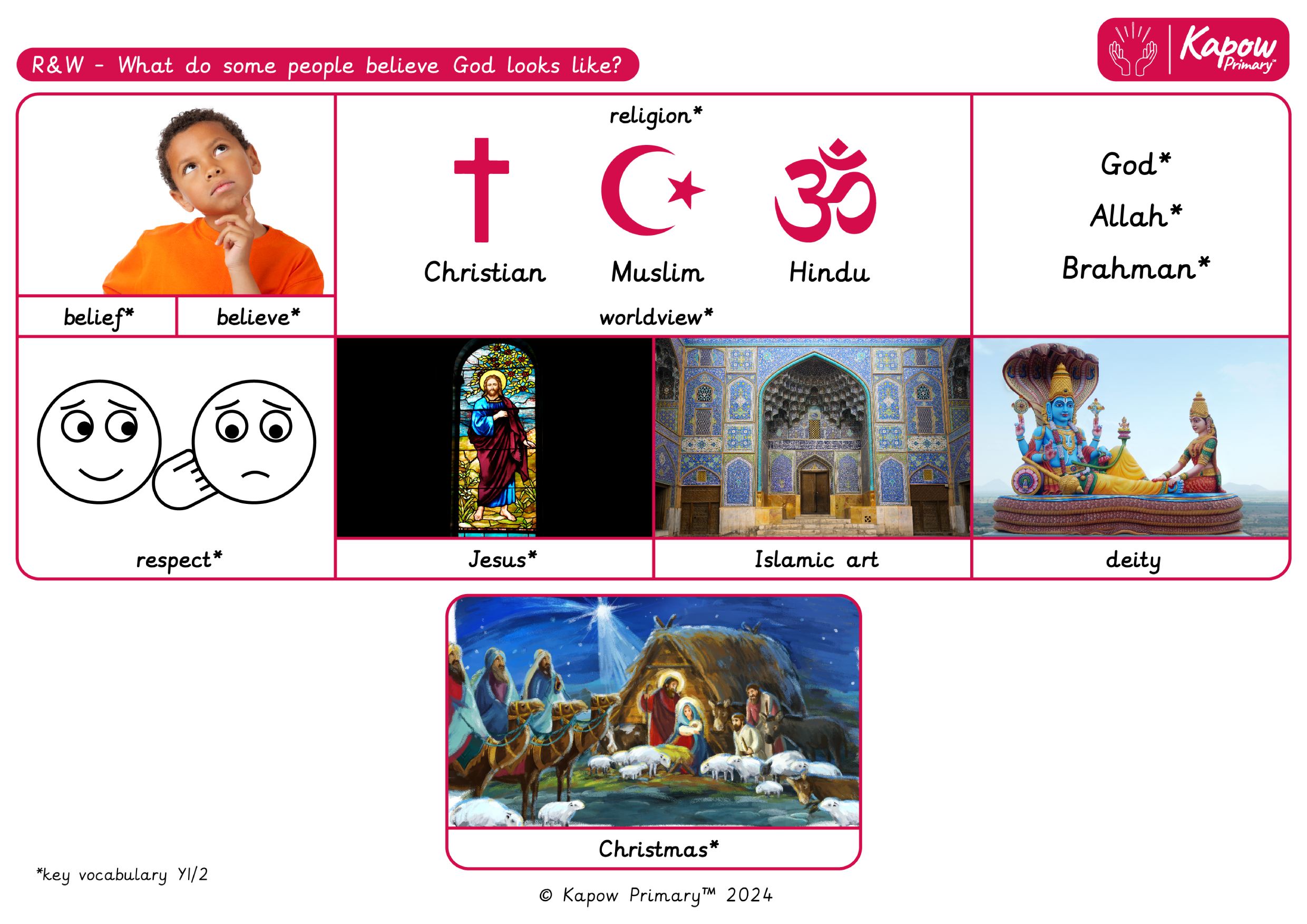
A Knowledge organiser that captures the essential knowledge and skills learnt throughout the unit Religion and Worldviews, Year 1, What Do Some People Believe God Looks Like?
This Religion and Worldviews resource is designed to support the pupils as they explore different religious and cultural perspectives on the appearance and nature of God. It introduces key vocabulary such as belief, faith, symbol, worship, and imagery, helping the pupils understand how different traditions represent and describe God. The pupils will also learn about how religious stories, art, and symbols are used to express ideas about the divine.
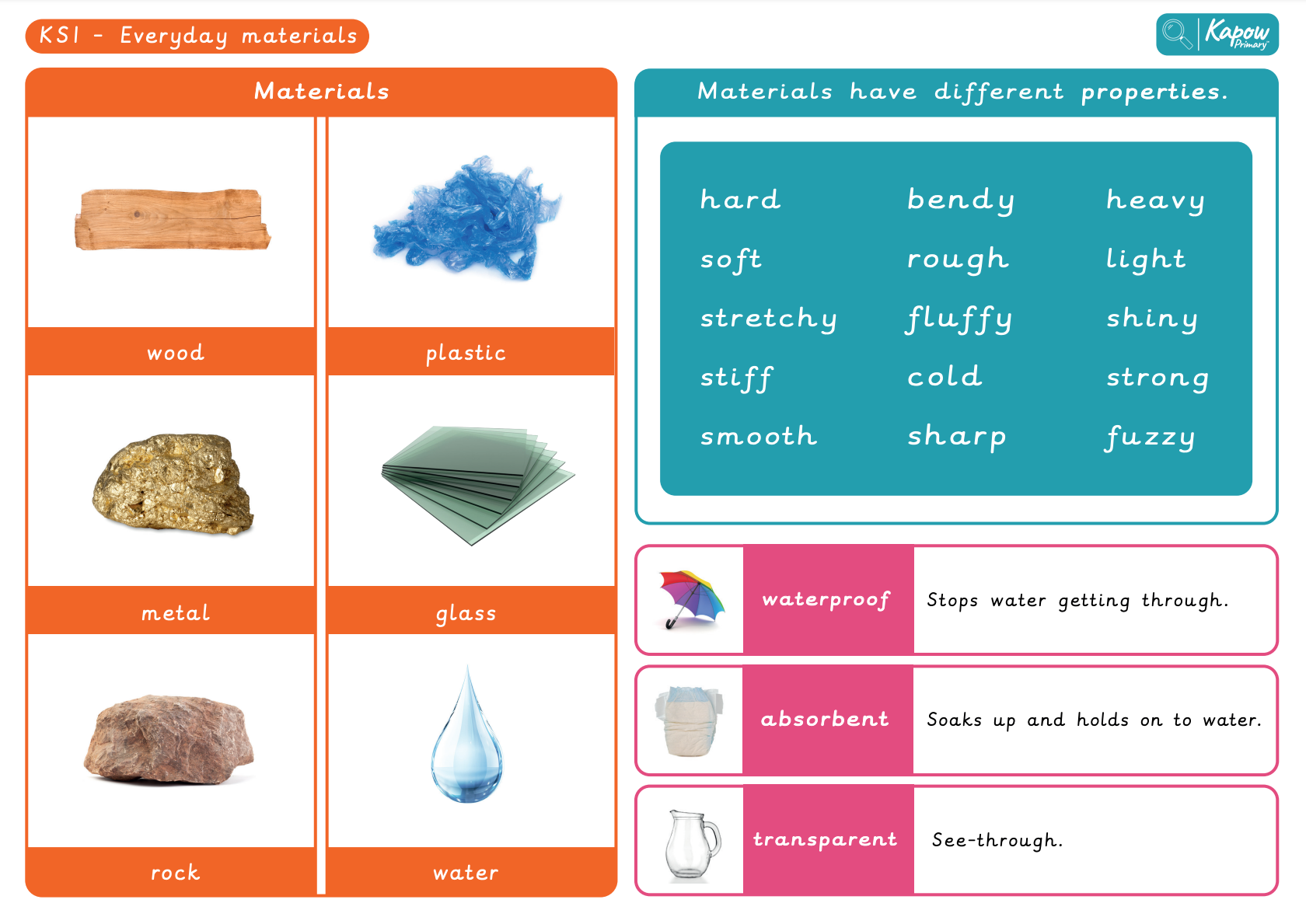
A Knowledge organiser that captures the essential knowledge and skills learnt throughout the unit Science, Year 1, Materials: Everyday Materials.
This resource is designed to support the children as they explore everyday materials. It highlights key vocabulary and concepts, including a range of materials such as wood, plastic, metal and glass and their different properties like waterproof, absorbent, transparent, hard and soft. The resource helps the children recognise and describe materials based on their characteristics. It is perfect for consolidating essential knowledge and fostering an understanding of how materials are used in the world around us.
This list of significant people shows the historical figures studied within the Kapow Primary History curriculum. It can be useful to subject leaders who wish to check that the scheme includes a diverse range of individuals from history.
To explore the curriculum for pupils, check out:
Identify the different musicians featured in the Kapow Primary lesson plans for Music.
Please note that this list relates to the pre-2026 Music scheme. If you are following the 2026 scheme, refer to the 2026 List of songs, artists and composers.
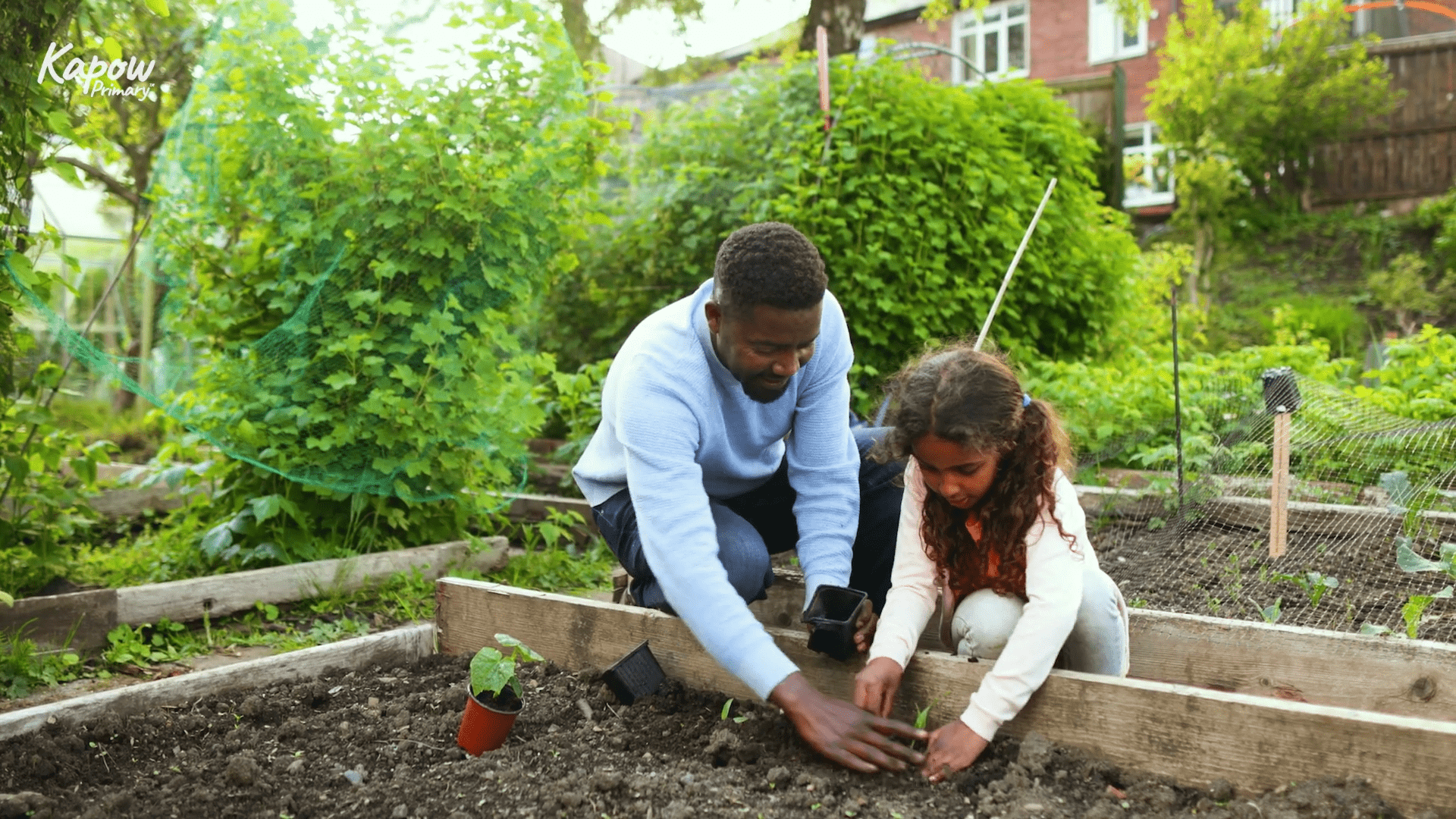
Kapow Primary’s revised Wellbeing scheme is organised into five strands: Discover, Take notice, Connect, Give and Move.
This teacher video provides an overview of the lessons in this strand.
Wellbeing strand videos
Find the overview videos for the rest of the Wellbeing strands here.
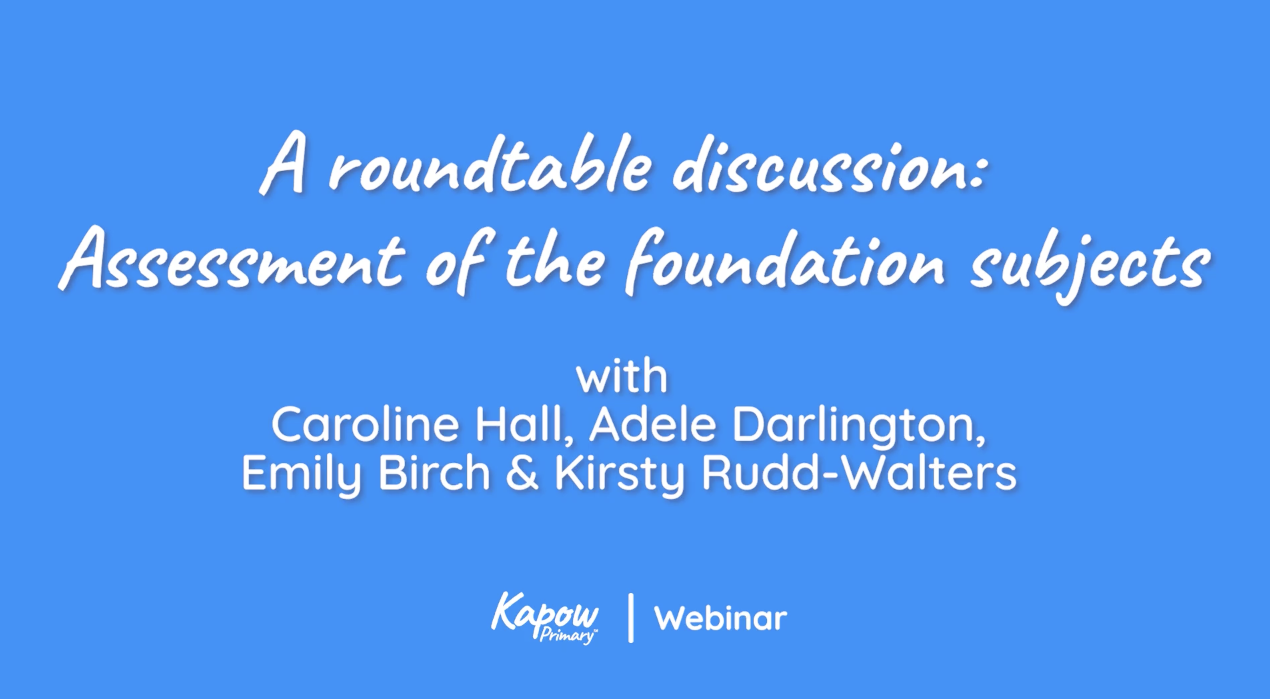
Our panel, including classroom teachers, a head teacher and members of the Kapow Primary team, share their insights and best practices on assessment. They provide practical tips and strategies that you can implement to help you effectively assess and evaluate pupil progress in these important subject areas. We also cover:
- The challenging nature of assessing the more creative subjects.
- How do we show/assess progress?
- What evidence should we collect?
- How can we demonstrate that pupils are applying learnt skills and knowledge?
The RSE & PSHE statutory requirements now include peer-on-peer abuse, and this webinar provides valuable information on the government’s guidance. Our subject specialists, Emma Symonds and Hikari Tatsuzawa, share lesson examples and supporting resources that you can use to teach children about consent and promote a positive classroom culture.
Download the supporting slides here.
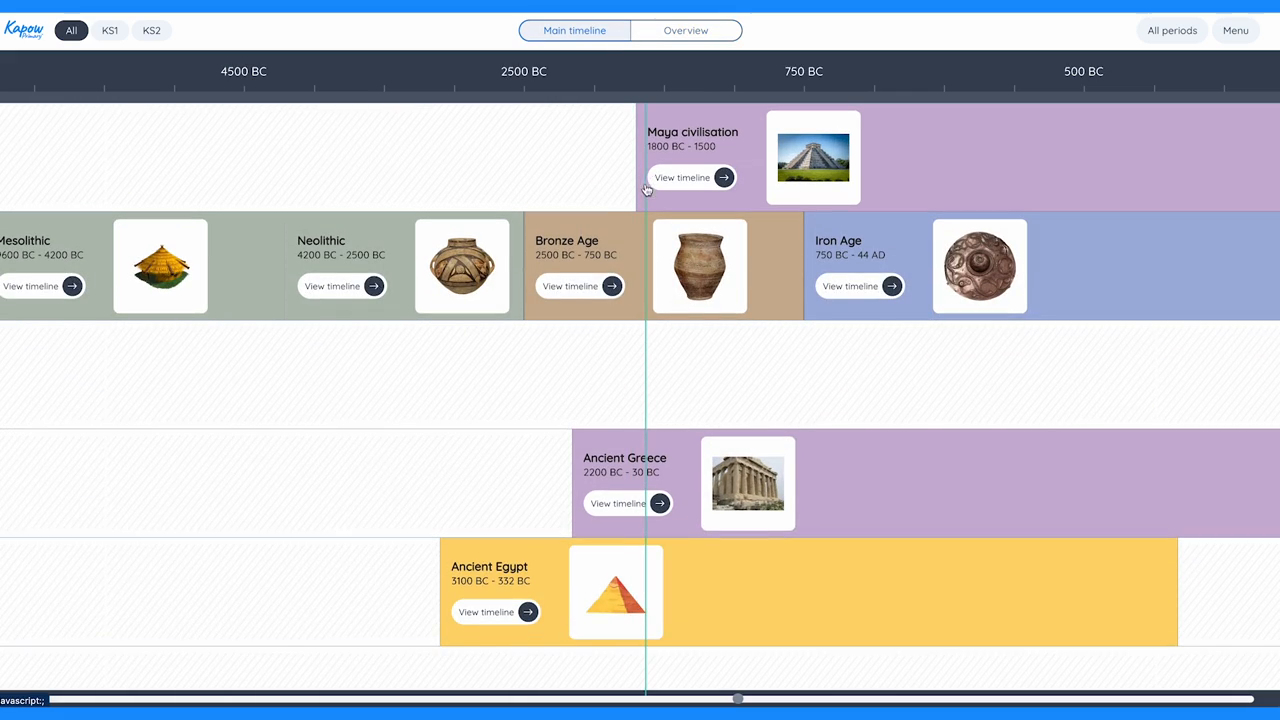
Find out how to get the most out of the interactive History timeline with this overview video.
Visit the Kapow Primary timeline.