Lesson 5: Fabric design

Learning how fabric is printed by craftspeople and on an industrial scale. Evaluating batik and surface pattern techniques and considering how fabric is used differently.

New statutory RSHE guidance is here. We’re creating our brand new RSE & PSHE scheme ready for September 2026. Learn more

Archive

Year 6 Art and design skills

In this collection of lessons children learn and develop their skills in: design, drawing, craft, painting and art appreciation; working as a group to design a hat, creating zentangle patterns and subsequent prints, painting in the style of impressionist painters and exploring the piece ‘Nighthawks’ by Edward Hopper

New statutory RSHE guidance is here. We’re creating our brand new RSE & PSHE scheme ready for September 2026. Learn more

Bell

This unit is archived. Our revised unit is aligned to current guidance. Visit the new unit

Please note

This unit has now been replaced by the Year 6 unit Painting & mixed media: Artist study. Kapow no longer updates these lessons, and they may not reflect the national curriculum or current guidance. They remain a permanent part of your subscription and will continue to be available for reference and use. We recommend that you explore the new versions of the lessons.

Choose your lesson

Introduction to sketchbooks

This video introduces the sketchbook - a must for all artists to record their ideas, inspiration and a place to practise and refine their skills

Lesson 1: Painting: Impressionism

Children are given one sixth of ‘The Japanese Footbridge’ by Claude Monet as a vertical strip, to accurately draw what they see on their fraction of the painting and then practise mixing and applying paint to match the original.

Lesson 2: Drawing: Zentangle patterns - Option 1

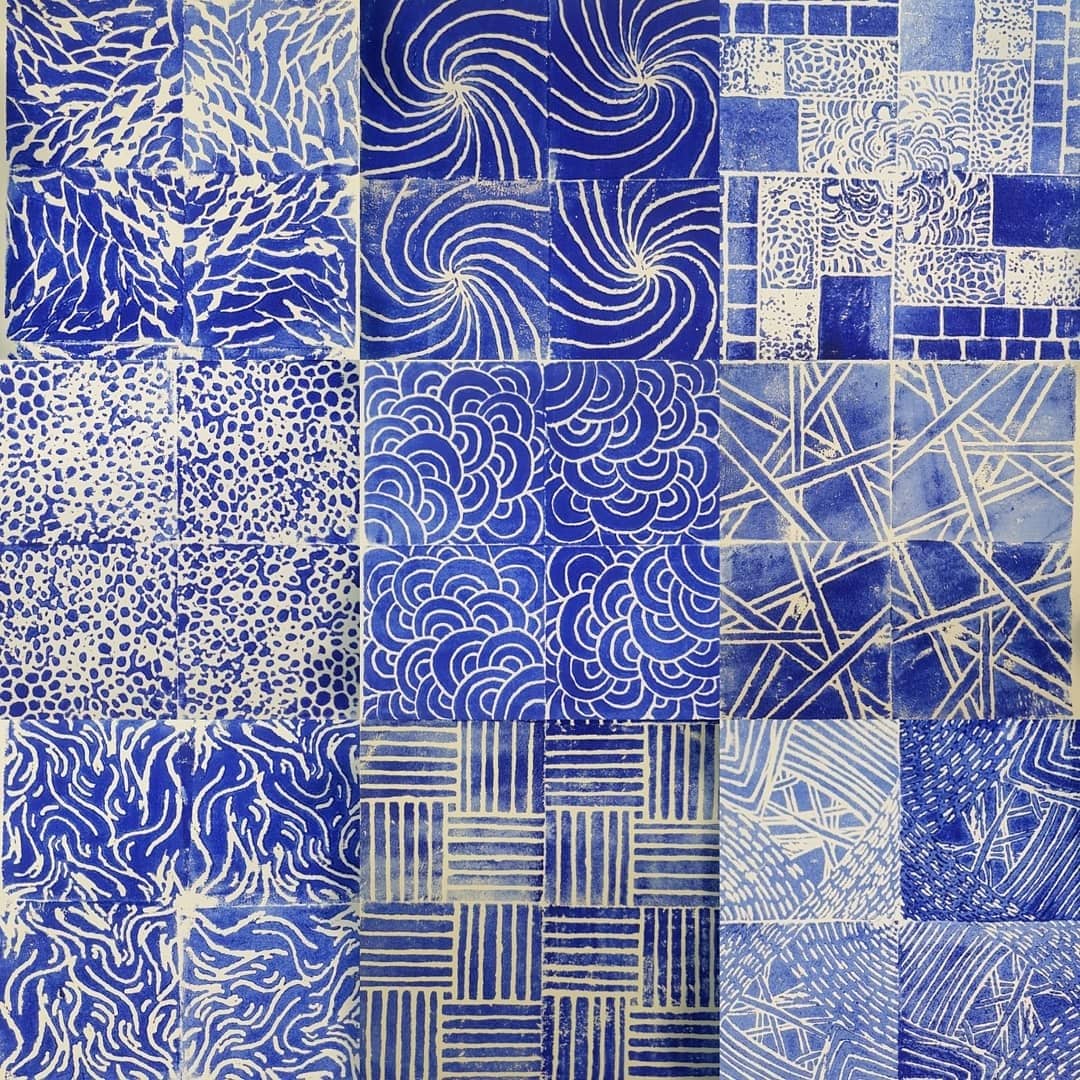
In the first of two lessons, children create small squares of 'zentangle' patterns; an abstract drawing created using repetitive patterns

Lesson 2: Drawing: Zentangle patterns - Option 2: Christmas themed

In the first of two lessons, children create Christmas-themed 'zentangle' patterns; applying their understanding of line and repeated pattern.

Learning Objective

To apply an understanding of line and repeated pattern.

Lesson 3: Craft: Zentangle printing

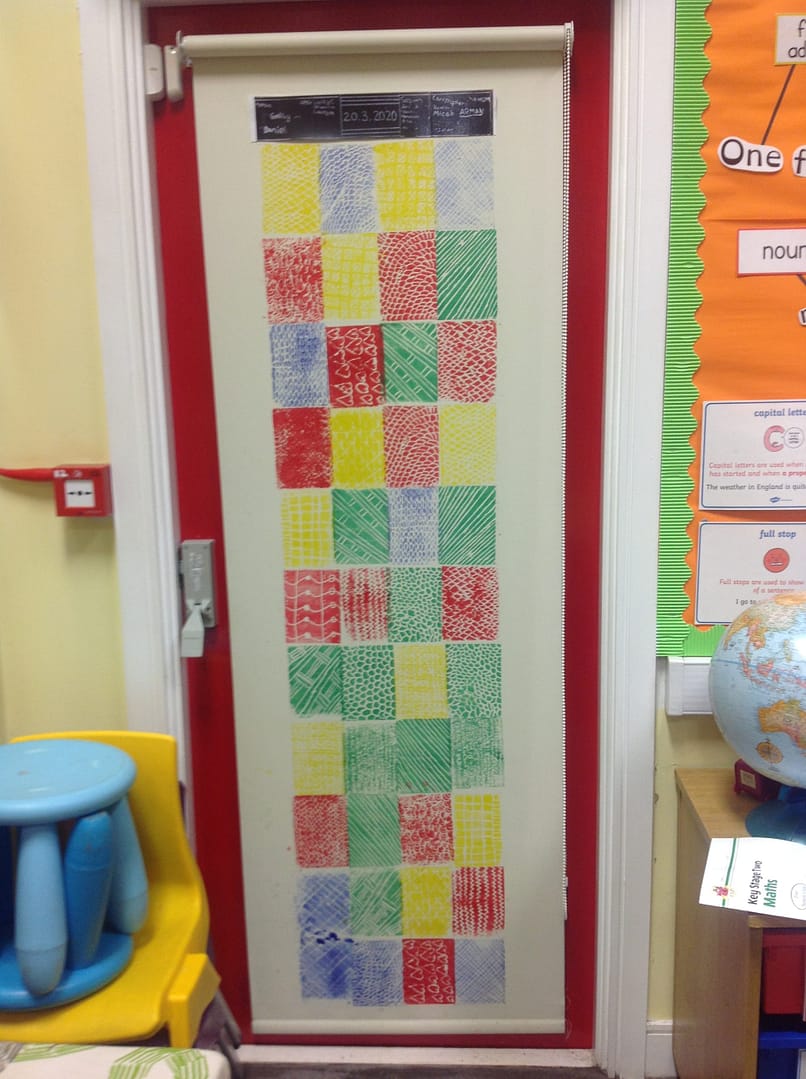
Using a zentangle pattern from the last lesson, pupils create a reverse system print process by transferring their design onto a polyprint tile using a pen to create a deep line and then printing onto fabric and repeating the print process to create a pattern

Lesson 4: Design: Making a hat - Option 1

Working in groups children design and make a prototype hat for a specific purpose, sharing ideas, making sketches and finally constructing their design

Learning Objective

To design and create a prototype for a specific purpose

Lesson 5: Learning about…the work of Edward Hopper

Aimed to empower children to discuss and explore works of art, children analyse, among others, Edward Hopper's 'Nighthawks' answering questions on some of the fundamental elements of art, including; scene, technique, form and shape, colour and light.

Lesson 4: Design: Making a hat - Option 2: Easter themed

Working in groups children design and make a prototype hat for a specific, Easter themed purpose, sharing ideas, making sketches and finally constructing their design

Learning Objective

To design and create a prototype for a specific purpose

Assess your pupils

Assessment resources for use at the start of the unit to assess where pupils are in their learning and at the end of the unit to assess progress. Go to assessment resources

Children's gallery

We love to showcase examples of children’s work inspired by our lessons and to see the different ways teachers adapt Kapow Primary lessons.  Please email images of work to [email protected].  We will assume we have your school’s permission to post any images you send us on our website.
Archive

Art and Design Year 4: Formal elements of art

Exploring two of the formal elements of art: texture and pattern; pupils develop a range of mark-making techniques, make and use their own textured stamps for printing; draw a ‘flip’ pattern and recreate a famous and ancient geometric pattern.

New statutory RSHE guidance is here. We’re creating our brand new RSE & PSHE scheme ready for September 2026. Learn more

Bell

This unit is archived. Our revised unit is aligned to current guidance. Visit the new unit

Please note

This unit has now been replaced by the Year 4 unit Craft and design: Fabric of nature. Kapow no longer updates these lessons, and they may not reflect the national curriculum or current guidance. They remain a permanent part of your subscription and will continue to be available for reference and use. We recommend that you explore the new versions of the lessons.

Choose your lesson

Lesson 1: Texture: Charcoal mark making (Original scheme)

After experimenting with the different marks that charcoal can make, children are challenged to represent the meaning of a given list of words and phrases, in an abstract way.

Lesson 2: Texture and pattern: Printing

Children imprint texture and pattern into a piece of playdough using a selection of clay tools and everyday objects, then create prints from their blocks by applying ink to the surface and placing a piece of paper on top.

Lesson 3: Pattern 1: Stamp printing

Drawing around geometric shapes onto polystyrene foam and securing to a cork or lego brick, children make a stamp to create repeating patterns, varying configurations and their use of colour.

Lesson 4: Pattern 2: Reflection and symmetry

Children draw an image and then select a small section to trace into one square of a quadrant, they continue flipping and tracing into the next square of the quadrant until the 'flip pattern' is complete

Lesson 5: Pattern 3: Flower of life

Using a compass and following precise instructions, children make an image of overlapping and interconnected circles to recreate the sacred geometric symbol, 'the flower of life'.

Assess your pupils

Assessment resources for use at the start of the unit to assess where pupils are in their learning and at the end of the unit to assess progress. Go to assessment resources

Lesson 4: Friedensreich Hundertwasser

Exploring the work of Hundertwasser to develop design ideas through sketchbook research.

New statutory RSHE guidance is here. We’re creating our brand new RSE & PSHE scheme ready for September 2026. Learn more

Please don’t screenshot or copy images from this page.
Kapow Primary resources are created by teachers and protected by copyright. Copying images or slides into your own presentations (for example using the Snipping Tool) counts as reproducing the resource and isn’t permitted under the Kapow licence.
This resource is being accessed through your school’s Kapow licence.
Thank you for respecting the work of the teachers who create these materials.