Archive

Lesson 3: Edward Hopper: Table for Ladies

Creating role-plays to view the work from another perspective; helping understand the story of the painting.

Bell

This lesson is archived.

Archive

Lesson 2: Design: Willow pattern - Option 1

Applying understanding of tone and tints to create a traditional willow pattern style plate depicting a tale of their choice

Bell

This lesson is archived.

Archive

Lesson 2: Painting: Tints and shades - Option 1 (Original scheme)

Learning that a 'tint' is made by adding white to a colour and a 'shade' by adding black, pupils mix colours to paint the template of an animal, working across the image from light to dark and completing a contrasting background. Learning about the technique of Diego Velázquez

Bell

This lesson is archived.

Archive

Lesson 3: Shades and colours of the sea

Using watercolours, pupils create different tints, shades and hues to paint the background of their seaside scene. Easy to adapt to other landscapes.

Bell

This lesson is archived.

Archive

Lesson 2: Painting: Exploring colour mixing (Original scheme)

Mixing two primary colours to create different shades of a secondary colour and using these in a decorative painting.

Bell

This lesson is archived.

Archive

Lesson 2: Line 1: Exploring line (Original scheme)

Children create a line drawing by arranging pieces of string to create different shapes then draw these from observation, using pencils and chalk, inspired by the artist Bridget Riley

Bell

This lesson is archived.

Archive

Lesson 3: Line 2: Exploring line (Original scheme)

Inspired by water and the artwork of Zaria Forman, children continue to explore lines but in a more expressive way. They will be using music to draw lines and marks that reflect their response to what they hear, creating a large collaborative piece.

Bell

This lesson is archived.

Archive

ARCHIVED Year 5: Formal elements: Architecture

Children learn how to draw from observation, create a print and draw from different perspectives. They learn about the role of an architect and are challenged to consider why houses look the way they do and if there is scope to change and improve them.

Bell

This unit is archived. Our revised unit is aligned to current guidance. Visit the new unit

Please note

This unit has been replaced and will no longer be updated. Kapow no longer updates these lessons, and they may not reflect the national curriculum or current guidance. They remain a permanent part of your subscription and will continue to be available for reference and use. We recommend that you explore the new versions of the lessons.

Choose your lesson

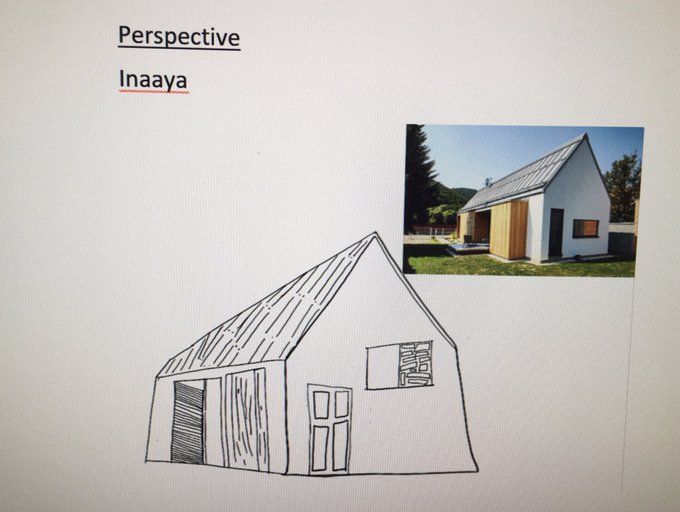
Lesson 1: Observational drawing - Option 1: house (Original scheme)

Children draw a house from observation; interpreting the details accurately and drawing what they see rather than what they think it looks like

Lesson 2: Monoprinting - Option 1: house (Original scheme)

Based on a section of their drawing from Lesson 1, children create a dramatic monoprint using ink

Lesson 1: Observational drawing - Option 2: Christmas themed

Drawing a winter tree from observation, giving close consideration to the detail and texture of the subject

Learning Objective

To draw by interpreting forms from direct observation

Lesson 3: Hundertwasser House (Original scheme)

Inspired by the work of Hundertwasser, children add vibrant colours to an image of a house

Lesson 2: Winter tree monoprint - Option 2: Christmas themed

Creating a Christmas-themed monoprint that makes use of compositional dynamics.

Learning Objective

To apply understanding of composition through the process of monoprinting 

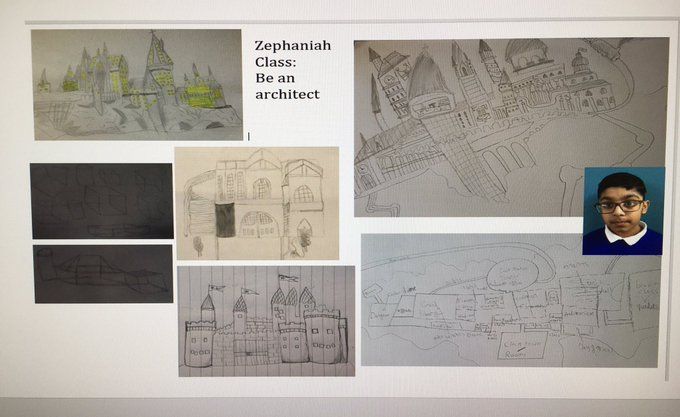
Lesson 4: Be an architect (Original scheme)

Children design a building, choosing whether to draw either a perspective view, plan view or a front elevation of their original house design

Lesson 5: Monument (Original scheme)

After learning about what monuments are, children design their own to reflect something they want to commemorate

Assess your pupils

Assessment resources for use at the start of the unit to assess where pupils are in their learning and at the end of the unit to assess progress. Go to assessment resources
Archive

Art and design Year 3 Prehistoric art

This topic is ideal for any class studying the Stone Age, or if you’re looking to explore a different style of art or techniques. Experimenting with charcoal, berries, leaves, homemade paints and more, children get a sense of what it was like to create art thousands of years ago and why these pieces were created

Bell

This unit is archived. Our revised unit is aligned to current guidance. Visit the new unit

Please note

This unit has now been replaced by the Year 3 unit Prehistoric painting. Kapow no longer updates these lessons, and they may not reflect the national curriculum or current guidance. They remain a permanent part of your subscription and will continue to be available for reference and use. We recommend that you explore the new versions of the lessons.

Choose your lesson

Lesson 1: Exploring prehistoric art (Original scheme)

Children are introduced to cave art and reflect upon the purpose of the drawings before working on developing their sense of proportion in drawing.

Lesson 2: Charcoal animals (Original scheme)

Children scale up their drawings from the previous lesson and use a different medium, charcoal, to create tones and textures.

Lesson 3: Prehistoric palette (Original scheme)

After experimenting with the colours and effects that can be created using natural materials, pupils make their own paints using spices and objects found on a nature walk.

Lesson 4: Painting on the cave wall (Original scheme)

Applying their painting skills, working on a textured surface with a range of tools to re-create their prehistoric animal picture from earlier in the unit.

Learning Objective

To select and apply a range of painting techniques

Lesson 5: Hands on a cave wall (Original scheme)

Children work on a collaborative class piece of prehistoric inspired art, creating hand prints onto a textured background.

Learning Objective

To apply painting skills when creating a collaborative artwork

Assess your pupils

Assessment resources for use at the start of the unit to assess where pupils are in their learning and at the end of the unit to assess progress. Go to assessment resources
Please don’t screenshot or copy images from this page.
Kapow Primary resources are created by teachers and protected by copyright. Copying images or slides into your own presentations (for example using the Snipping Tool) counts as reproducing the resource and isn’t permitted under the Kapow licence.
This resource is being accessed through your school’s Kapow licence.
Thank you for respecting the work of the teachers who create these materials.