




Tell the class that they will watch a video and as it is playing, they will take turns with their partner to say as many facts as they can about castles, holding up one finger for each fact.
Learning objective
- To evaluate how the monarchy has changed.
Success criteria
- I can describe what kind of monarch William the Conqueror was.
- I can compare the monarchy in the past to the monarchy today.
- I can recognise that the monarchy has changed.
National curriculum
History
The National curriculum for history aims to ensure that all pupils:
- Know and understand the history of these islands as a coherent, chronological narrative, from the earliest times to the present day: how people’s lives have shaped this nation and how Britain has influenced and been influenced by the wider world.
- Gain and deploy a historically grounded understanding of abstract terms such as ‘empire’, ‘civilisation’, ‘parliament’ and ‘peasantry’.
- Gain historical perspective by placing their growing knowledge into different contexts, understanding the connections between local, regional, national and international history; between cultural, economic, military, political, religious and social history; and between short- and long-term timescales.
- Understand historical concepts such as continuity and change, cause and consequence, similarity, difference and significance, and use them to make connections, draw contrasts, analyse trends, frame historically-valid questions and create their own structured accounts, including written narratives and analyses.
Pupils should be taught about:
- Events beyond living memory that are significant nationally or globally [for example, the Great Fire of London, the first aeroplane flight or events commemorated through festivals or anniversaries].
Cross-curricular links
Thematic links
Explore other units related to this topic:
Learning about rules and how democracy works in school.
Curriculum links
Pupils should be taught:
- To use drawing, painting and sculpture to develop and share their ideas, experiences and imagination.
Before the lesson
Watch
Watch
Watch
Watch
Check all images, videos, links and presentation slides are suitable for your class.
- Presentation: What was a monarch in the past?
- Presentation: Comparing monarchs.
- Blank paper (optional – see Main event).
- The Resource: Knowledge organiser: History – What is a monarch? (optional – see Adaptive teaching).
- Link: Assessment – History Y2: What is a monarch? (optional – see Wrapping up).
Prepare this lesson in presentation mode
Choose what to show your class.
Subject knowledge
Absolute monarchy and constitutional monarchy
In the past, the UK was an absolute monarchy, which meant the king or queen had all the power to make decisions. However, they did not have power over the Church, which was led by the Archbishop of Canterbury. After 1534, the monarch became Head of the Church of England and was in charge of religious decisions.
Today, the UK is a constitutional monarchy; decisions are made in parliament. For details of the role of the monarch today, see the Teacher video: Monarchy.
Lesson plan
1: Recap and recall
Pupil video: Castles
Take feedback, correct any misconceptions.
2: Attention grabber
Show the Presentation: What was a monarch in the past? and discuss the questions below.
Presentation: What was a monarch in the past?
Questions
- Who is in the image? (William the Conqueror.)
- What is happening in the image? (It is his coronation.)
- Which part of the coronation is it? (The crowning, when a crown is placed on a new king or queen’s head.)
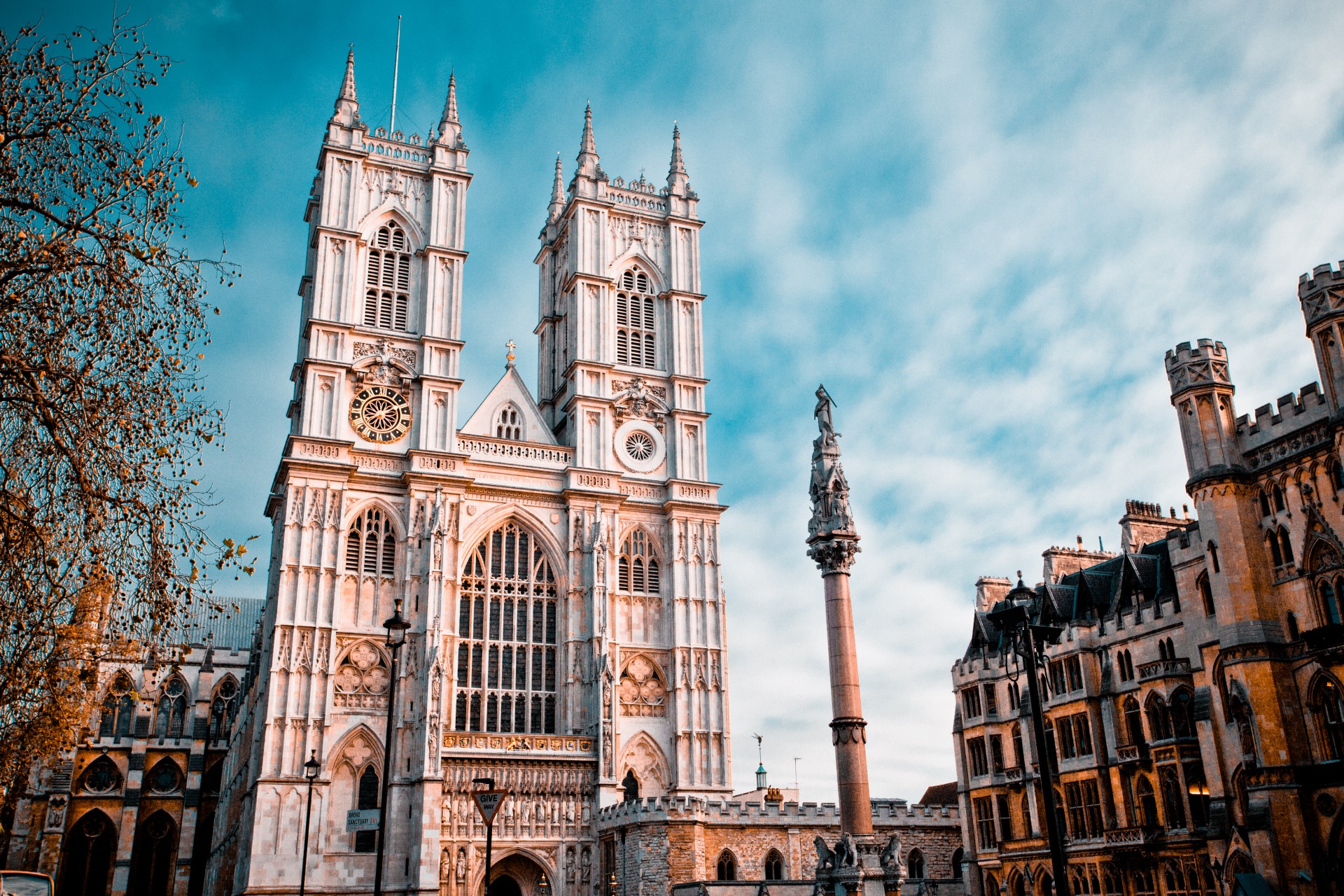
Explain that William the Conqueror’s Coronation took place on Christmas Day in 1066 at Westminster Abbey.
3: Main event
1. Display slide 1 of the Presentation: Comparing monarchs, which shows the coronations of William the Conqueror and Charles III.
Presentation: Comparing monarchs
Remind the children that William the Conqueror was a powerful monarch. He made important decisions without needing permission from others. He introduced new rules and made people pay taxes (money) to keep their land. Ask the class:
- What has stayed the same over time (the continuity)? (We still have a king or queen and coronations.)
- How have monarchs changed? (In the past, the king or queen had all the power to make decisions. Now, the monarch is the Head of State, but Parliament, which includes the House of Commons and House of Lords, makes the decisions.)
2. Show slide 2, read each adjective aloud and check the children understand their meaning.
3. Ask the children which of the words best describe William the Conqueror (answers could include: greedy, brave, powerful, strict).
4. Invite the children to close their eyes for a moment and imagine the perfect monarch, thinking about what kind of person would make a good king or queen. Allow a minute for partner talk to share ideas before taking feedback.
5. Choose one of the words from the slide and ask the children to vote for whether their monarch should ‘always’, ‘sometimes’ or ‘never’ act in that way. Take feedback and drag the word to the appropriate column.
6. Repeat with the remaining adjectives. Use the pen tool to add any other suggestions the children may give.
7. Talking in pairs or small groups, invite the children to complete the sentence ‘I would like my monarch to be… ‘. Take feedback.
Optional: invite the children to write or draw how they would like their monarch to be. Remind them to think about the role of the monarch today, as seen in Lesson 1: What is a monarch?.
4: Wrapping up
Return to slide 1 of the Presentation: Comparing monarchs. Ask the children to choose whether they prefer the monarchy of the past or present. Vote by standing/sitting or cheering for each of the monarchs.
Optional: provide each child with the Quiz – pupil answer sheet and display the Unit quiz (see link: Assessment – History Y2: What is a monarch?). Read each question aloud and allow the children time to answer. Reveal the answers and ask them to self/peer mark their answer sheets.
If pupils completed the Skills catcher in Lesson 1, they can revisit them and add new information in a different colour.
Extended-mode explainer videos
How to extend your display to view the lesson page and presentation mode simultaneously. Choose your operating system below to watch the video
If you need further support with extending your display,
please contact [email protected].
Extended-mode explainer video: For Mac
Extended-mode explainer video: For Windows
Adaptive teaching
Pupils needing extra support
- Could use their annotated castle designs from the previous lesson to support the Attention grabber.
- Could make a drawing or voice record their ideas about how a monarch should be.
Pupils working at greater depth
- Should explain how the power of the monarch has changed over time
- Could write an explanation of why today’s monarch needs the qualities they suggest.
Assessing progress and understanding
Pupils with a secure understanding can:
- Describe characteristics of the monarchy in the past.
- Make comparisons between the past and present monarchy.
Pupils working at greater depth can:
- Consider why the monarchy today rules differently from the monarchy in the past.
- Identify similarities and differences.
Vocabulary definitions
-
coronation
A special religious ceremony where a new king or queen is crowned.
-
monarch
A king or queen.
-
monarchy
A country that has a king or queen.
-
power
The ability to make important decisions.
In this unit
Assessment - History Y1/2 (B): What is a monarch?

Y1/2 (B): Lesson 1: What is a monarch?
Y1/2 (B): Who is our monarch today?
Y1/2 (B): Lesson 3: How did William the Conqueror become King of England?
Y1/2 (B): Lesson 4: How did William the Conqueror rule?
Y1/2 (B): Lesson 5: How did castles change?
Y1/2 (B): Lesson 6: What was a monarch in the past?
Maintained by: Kapow Primary team
Last update: 27th March, 2026
History
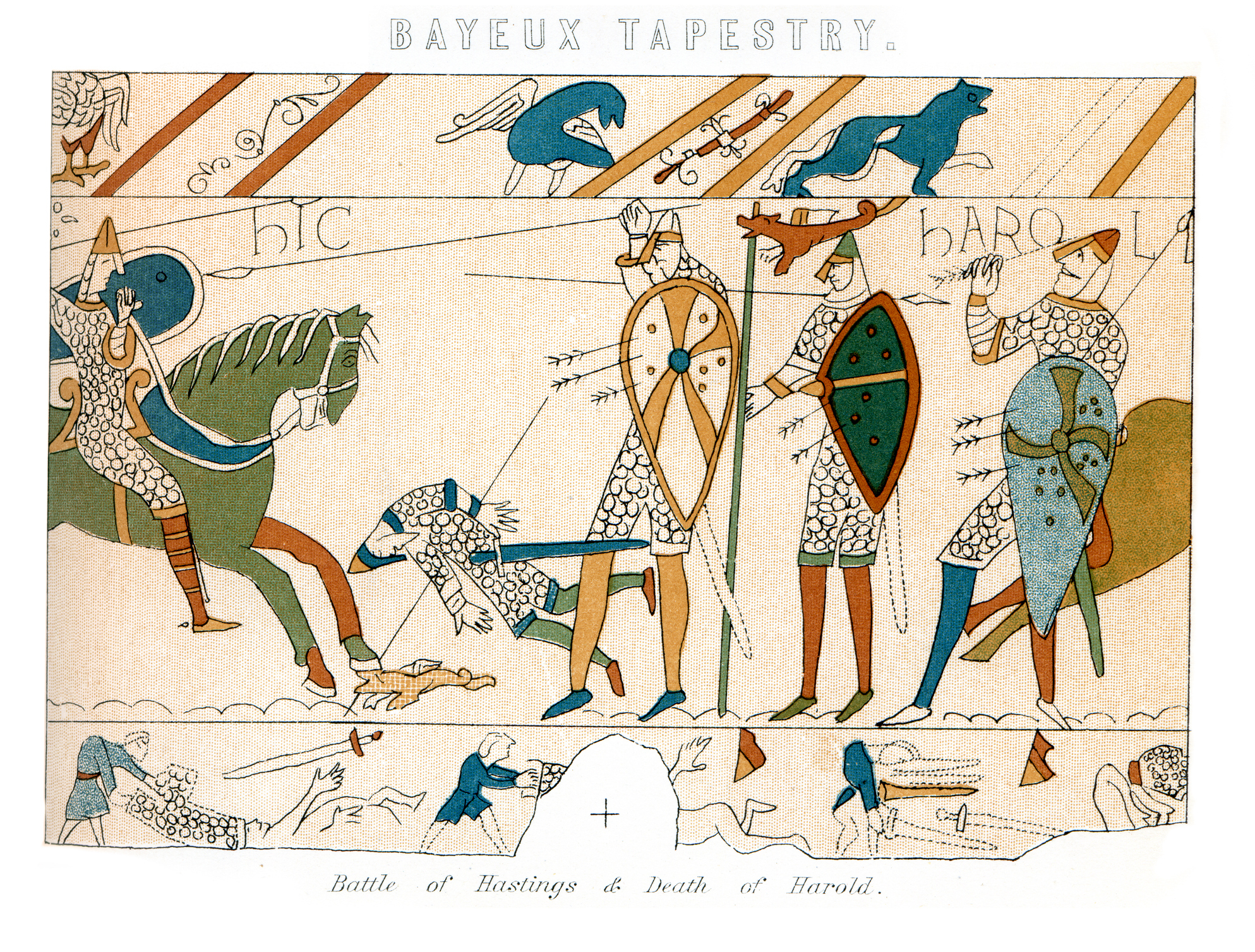
Y1/2 (B): Lesson 3: How did William the Conqueror become King of England?
Exploring events leading up to the Norman conquest of England.
History
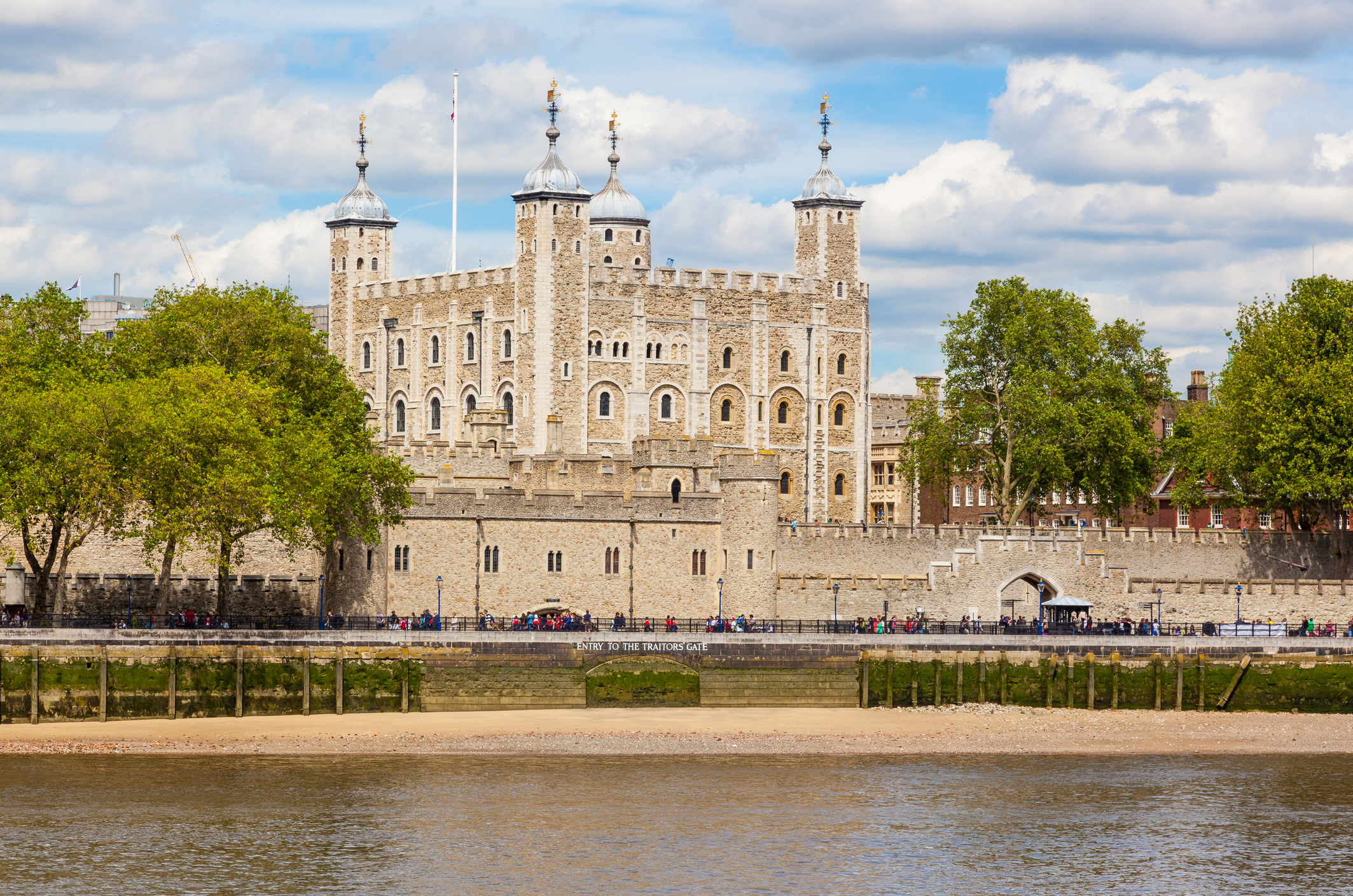
Y1/2 (B): Lesson 5: How did castles change?
Investigating how castles changed over time.
History
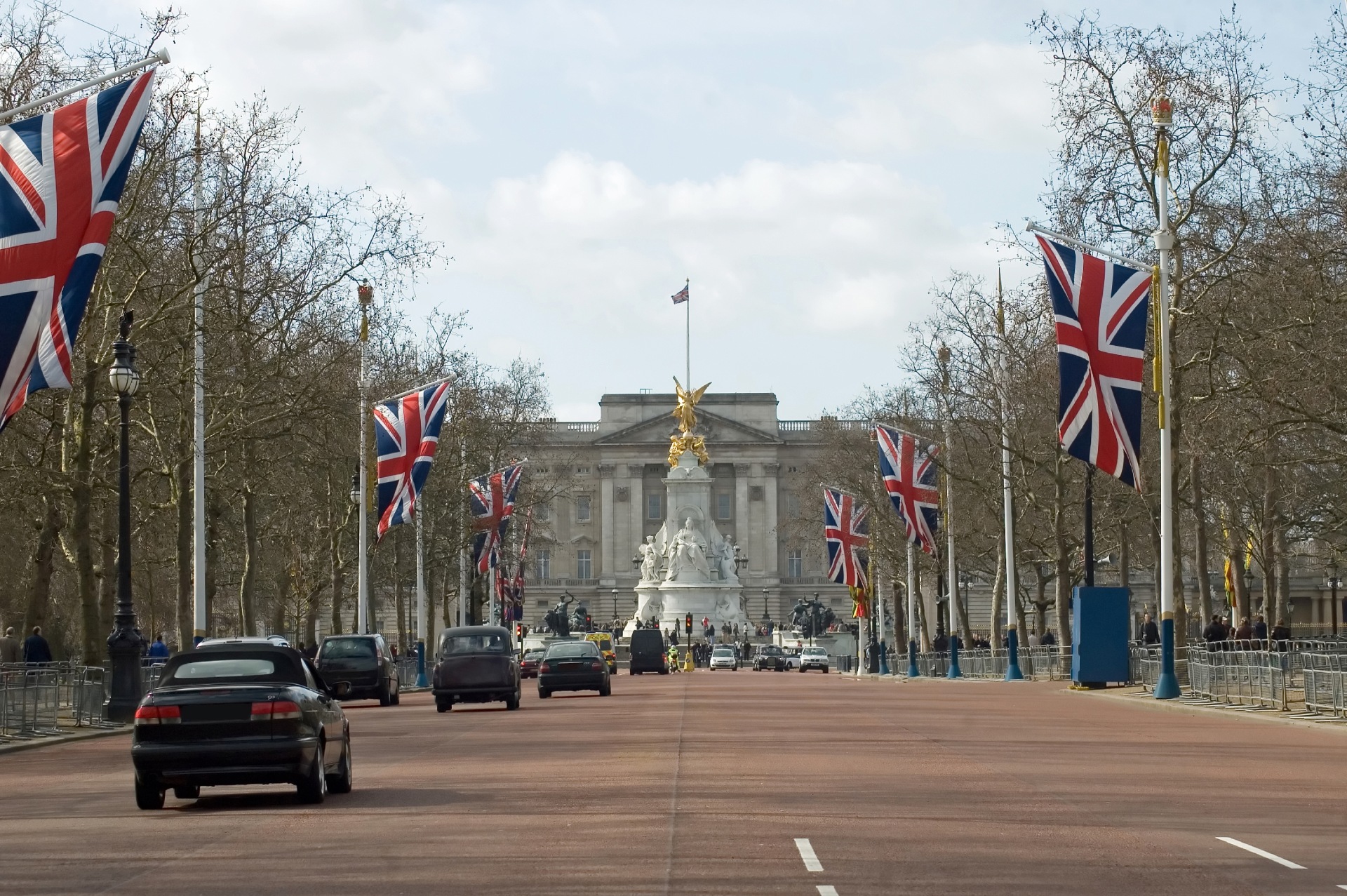
Y1/2 (B): Lesson 1: What is a monarch?
Discovering the role of a monarch in the UK today.
History
Y1/2 (B): Lesson 2: Who is our monarch today?
Understanding how monarchs are crowned in a special ceremony.

