Y1/2 (B): Who is our monarch today?
Understanding how monarchs are crowned in a special ceremony.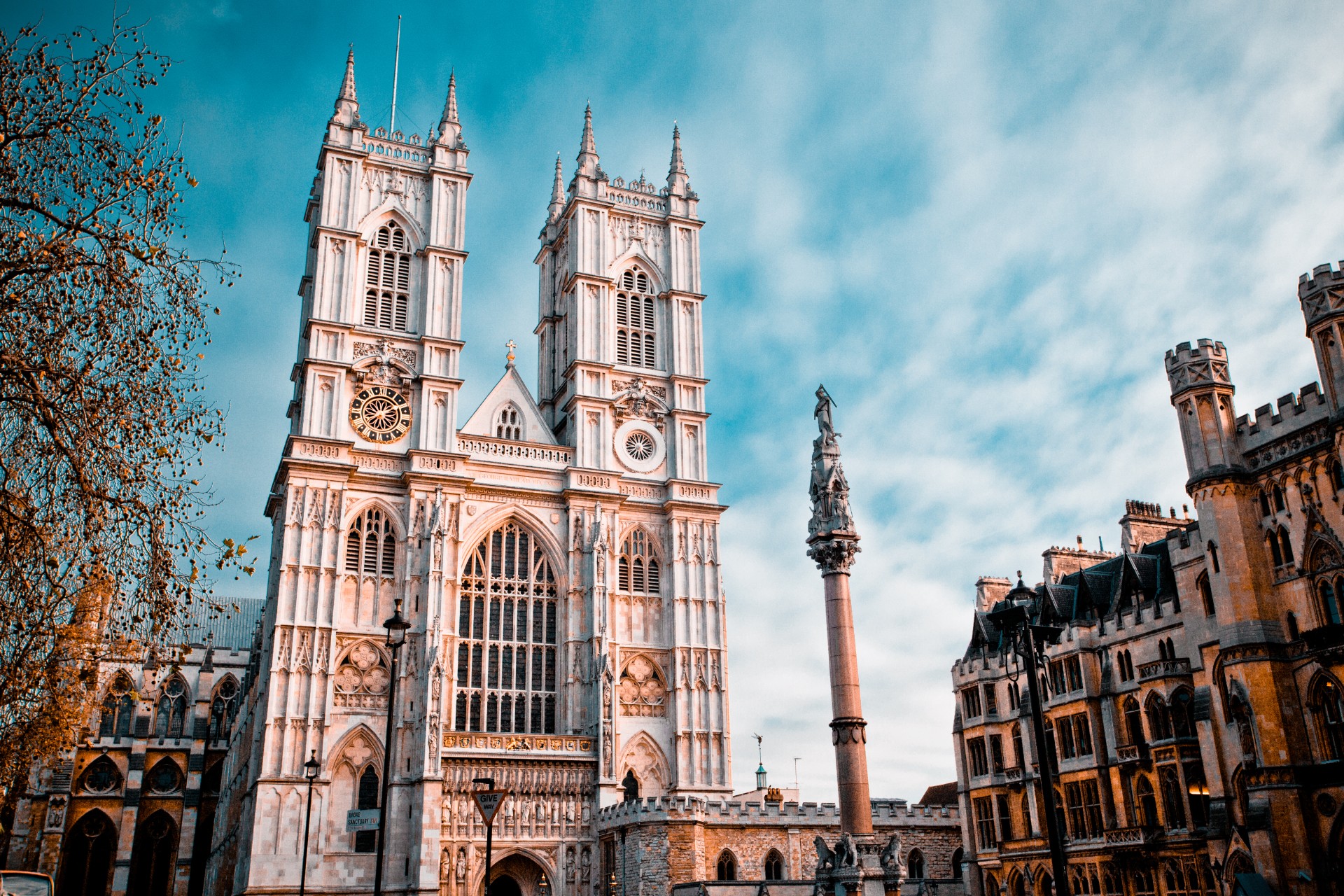
Learning objective
-
To explore coronations by acting out the ceremony.
Success criteria
-
I can explain how and when someone becomes a monarch.
-
I can identify steps in the coronation ceremony.
-
I can explain the use of special objects in a coronation.
Before the lesson
Check all images, videos, links and presentation slides are suitable for your class.
- Presentation: Which role?
- Presentation: The coronation.
- Link: Kapow Primary timeline.
Subject knowledge
Charles became the monarch on 8 September 2022 on the death of his mother, Queen Elizabeth II, not on the day of his coronation.
Charles was proclaimed King through the ceremony of accession, which took place on 10 September 2022.
When a monarch dies, their eldest child becomes the new monarch. In the past, it would have been the eldest son; today, the crown passes to the eldest child, regardless of gender.
Queen Elizabeth had no brothers, so she became queen when her father, King George VI, died. Elizabeth was the longest-reigning monarch Britain has ever had.
- The coronation is a religious ceremony. For more details, see the Teacher video: Monarchy.
Lesson plan
Put the children in pairs and show the Presentation: Which role?
Ask the children to discuss with their partner which role of the monarch is hidden under each coloured splat, rehearsing the action and naming each role. Take feedback, then click to reveal the images.
Remind the children that the monarch today is King Charles III. He is the 62nd British monarch to serve over the past 1,200 years.
Open the link: Kapow Primary timeline and select the 21st century timeline. For clarity, use the filters button at the top left to unselect all features and then tick 'monarchs' and 'King Charles III'.
Click on the blue dots to show that Charles became King on 8 September 2022 when his mother, Queen Elizabeth II, died.
Explain that when a monarch dies, their eldest child becomes the new monarch. In the past, it would have been the eldest son; today, the crown passes to the eldest child, regardless of gender (see Teacher knowledge).
1. Show slide 1 of the Presentation: The coronation.
Talking in pairs, ask the children to discuss how the pictures are the same or different. Take feedback. The children may suggest:
In both pictures, a crown is being placed on the monarch's head.
Both monarchs are sitting down.
Both are wearing special clothes.
One is a king, one is a queen.
One is a photo, one is a painting.
2. Tell the children that both images are showing a coronation (a special religious ceremony where a new king or queen is crowned in front of many people). Reveal the text to show that the first image is of King Charles in 2023 and the second of Queen Victoria in 1838.
3. Show slide 2 and explain that all coronations take place at Westminster Abbey in London. Click on the arrow to reveal more information.
4. Use slides 3–7 to share information about each part of the ceremony (the oath, the anointing, the investing, the crowning and the procession).
5. Ask the class:
- What is a coronation? (A special religious ceremony where a new king or queen is crowned.)
- Where do coronations take place? (Westminster Abbey.)
- Why did King Charles III need a coronation? (It is a religious ceremony to show that he is King and Head of the Church.)
- What other changes might happen when we have a new monarch? (Some of the changes include: new coins, notes and updated postage stamps will feature the monarch's image and the words in the British National Anthem will change from 'God save the Queen' to 'God save the King'. The royal cypher, or initials, on new post boxes will also change.)
6. Hand out the Activity: Coronation scenes to each child. Invite the children to draw a picture to represent each stage of the coronation ceremony. Refer back to the Presentation: The coronation to support.
Pair the children again, one to take the role of the King and the other of the Archbishop of Canterbury. Call out the first stage of the coronation ceremony (the oath) and invite the children to act it out. Ask them which stage comes next to help practise the names, before acting it out. Complete each stage and finish with a whole-class procession to celebrate.
Full-screen slides, ready for your classroom, chosen by you.
-
To explore coronations by acting out the ceremony.
We value your feedback
We welcome your feedback to help make our resources even better
In this unit