


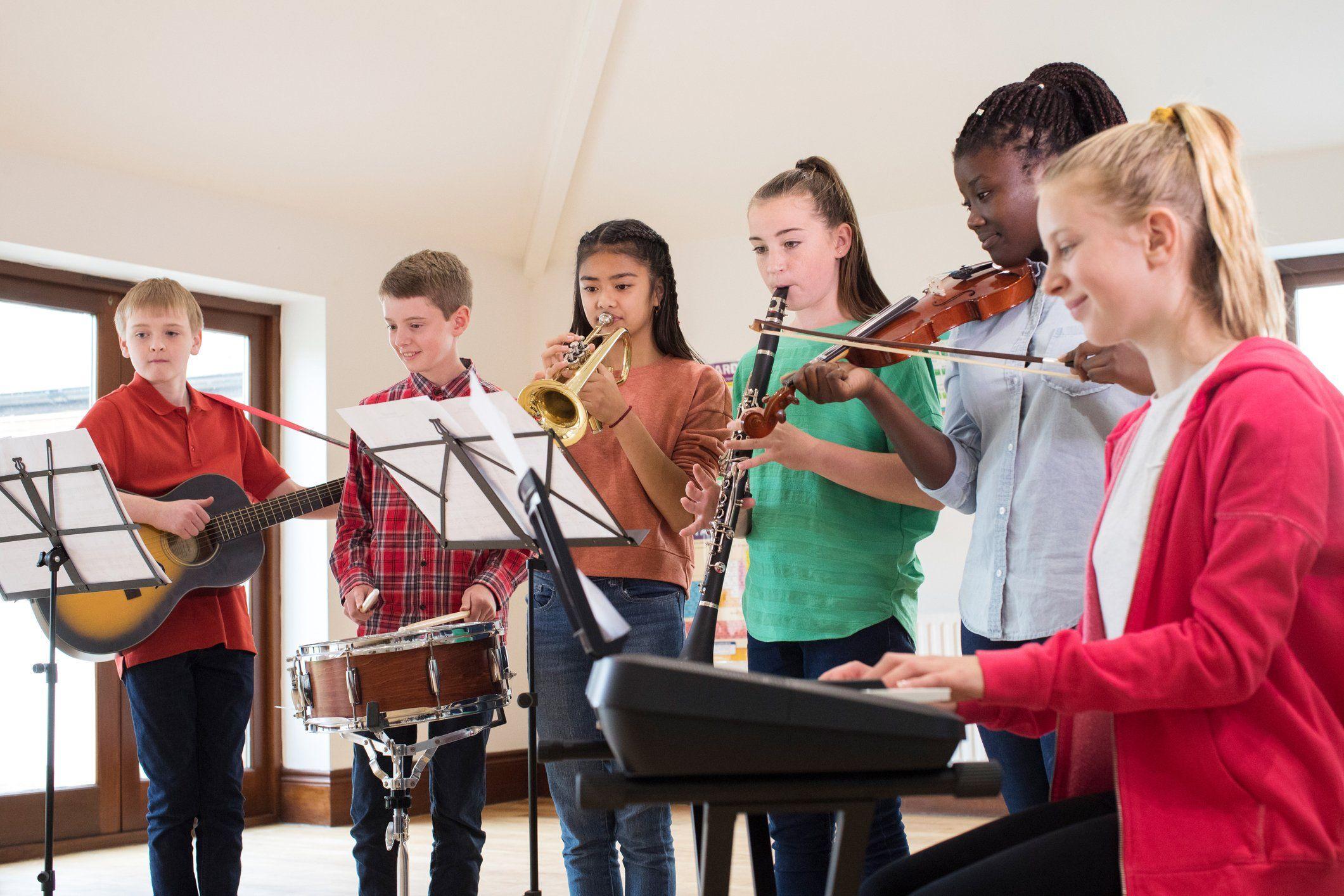
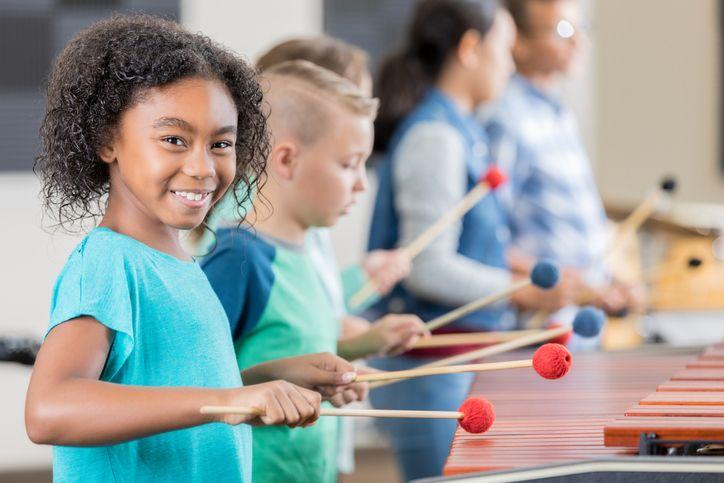
This Music video introduces percussion instruments and how to use them effectively in the primary classroom. It explains the difference between tuned and untuned percussion, offering tips for introducing rhythm through accessible instruments like shakers, tambourines, and glockenspiels. Perfect for building musical skills and confidence, the video highlights why percussion is a great starting point for whole-class instrumental music-making.
year: Year 5
Music: Dynamics (all key stages)
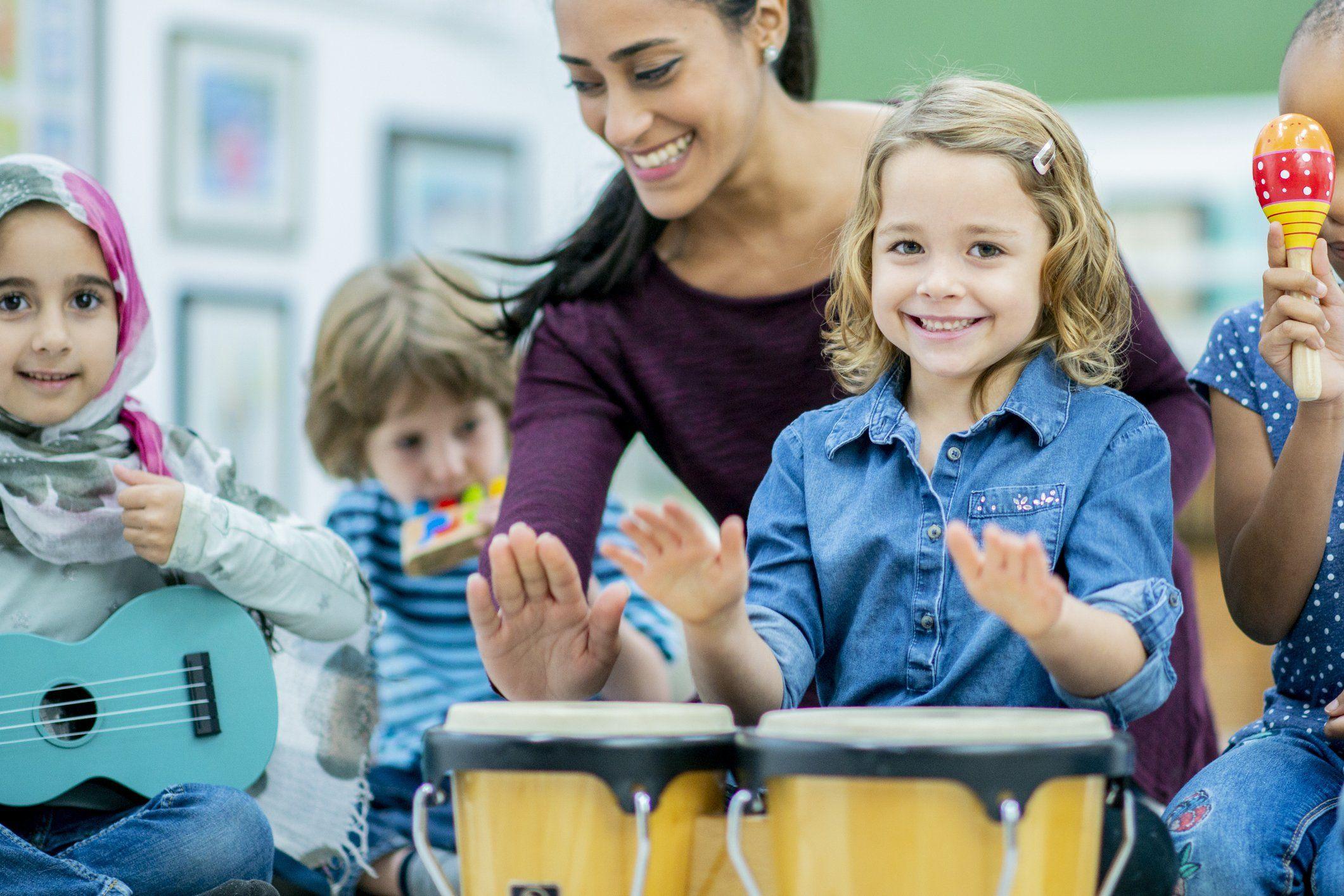
This Music video introduces the concept of dynamics—how loud or soft music is and how that changes over time. Learn simple ways to teach terms like forte, piano, crescendo and diminuendo using engaging class activities, helping pupils develop expressive musical skills from an early stage.
Music: Composing and improvising UKS2
Having mastered the basics of creating music, children learn to include the interrelated dimensions of music to create a particular effect and compose across variety of music genres. This video explores how to develop composition and improvisation skills in Years 5 and 6. Building on their previous learning, pupils are now encouraged to create music for a range of real-world purposes—like jingles, carols, or film scores—using the interrelated dimensions of music. You’ll also find strategies to support group collaboration and self-evaluation as pupils prepare for Key Stage 3.
Music: Staff notation 2 – KS2 – Rhythm and note duration
Staff notation is a way of writing music down and the English national curriculum requires that staff notation is taught, alongside other notations, at Key stage 2. Learn how rhythm and note duration is written and how time signatures, pitch and performance direction are shown in staff notation.
Music: Staff notation 1 – KS2 – What is staff notation?
Staff notation is a way of writing music down, and the English national curriculum requires that staff notation is taught, alongside other notations, at Key Stage 2. This video introduces what staff notation is, how to read staff notation and how to use a clef.
Webinar recording: An overview of Kapow Primary’s Computing scheme – 5th October 2021
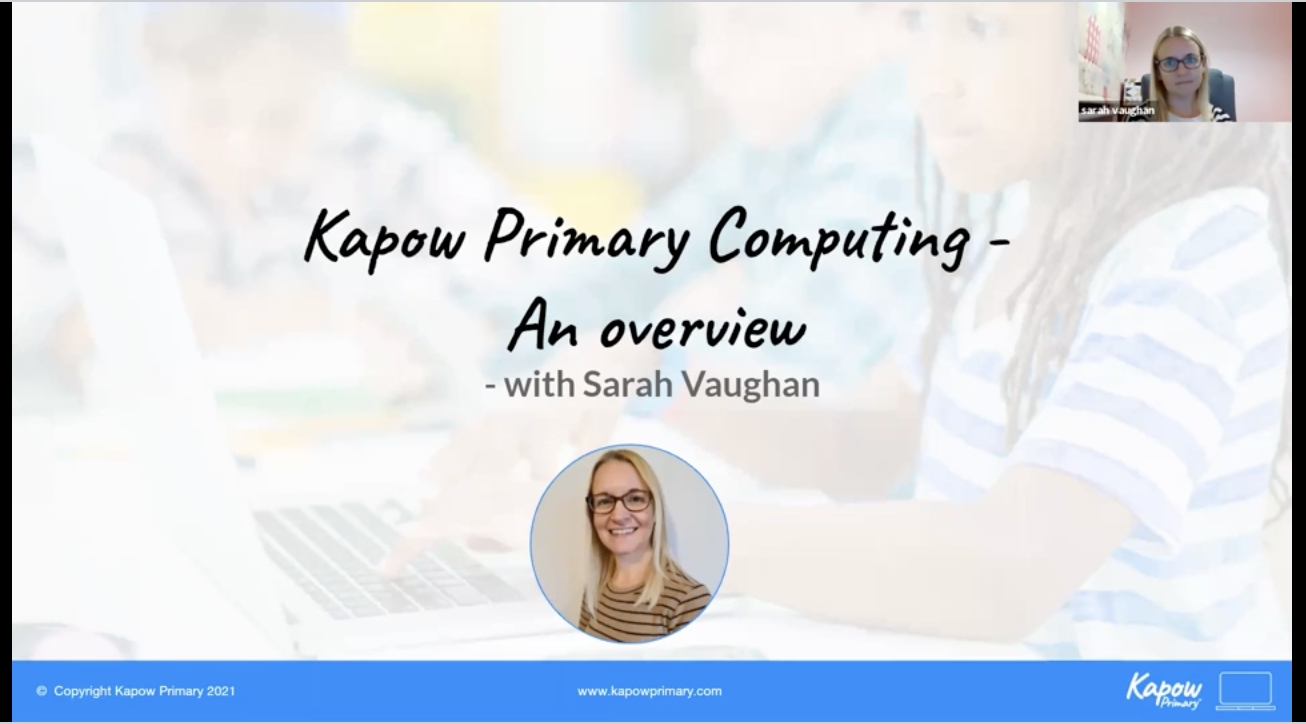
In this video, recorded on 5th October 2021, we provide an overview of Kapow Primary’s Computing scheme. Find out how the curriculum is structured, what support is available for teachers, and how the scheme aligns with national expectations while being flexible to suit your school’s specific needs. Find the accompanying slides here.
Teacher video: Physical health
This video explores how to teach physical health in RSHE, covering diet, sleep, and activity topics. Sarah discusses how these lessons connect to other subjects like PE and D&T, and offers practical advice for navigating sensitive topics such as obesity, eating disorders, and parental support—while promoting a healthy and balanced approach.
Teacher video: Mental wellbeing
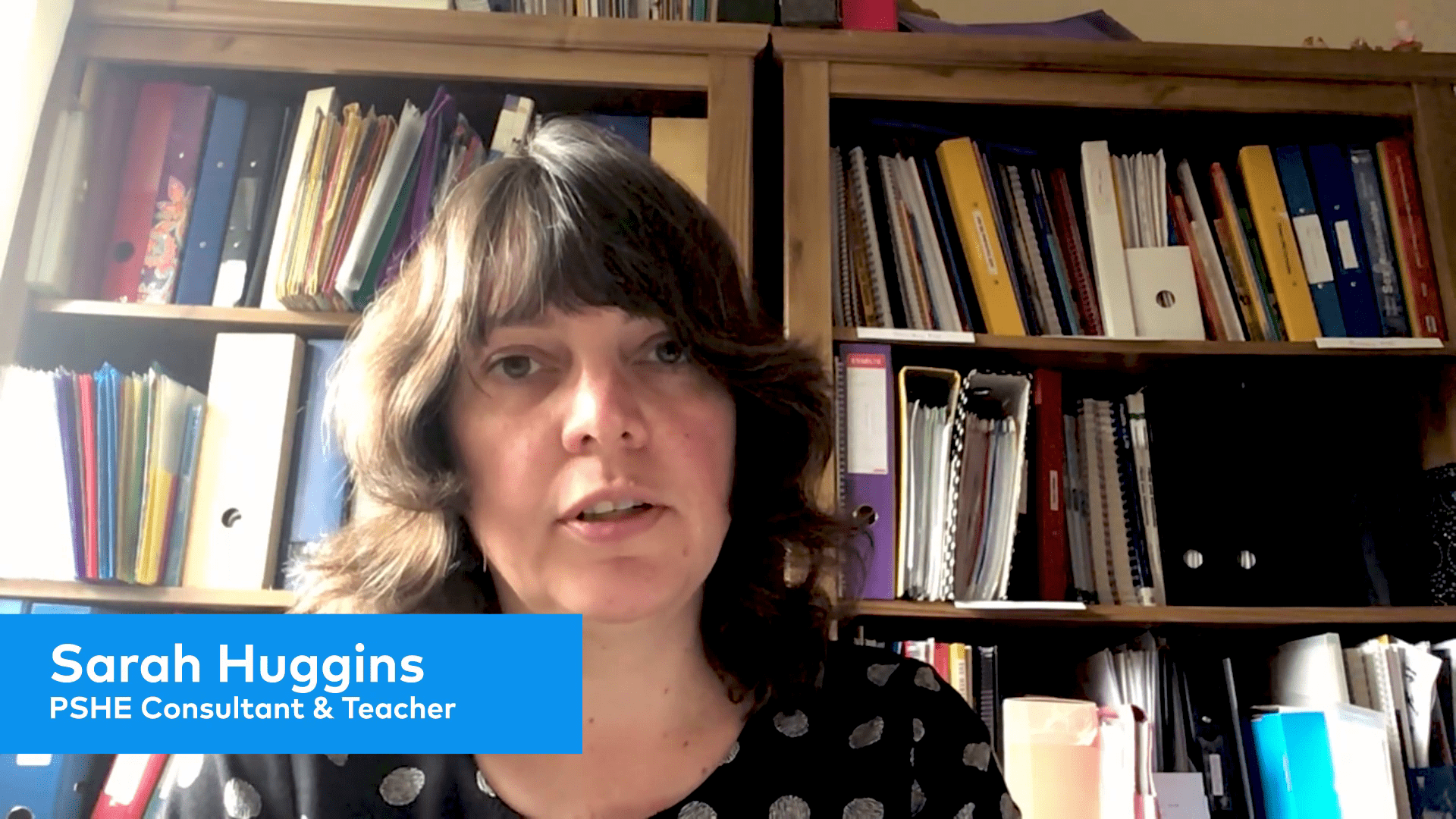
This video explores how to approach physical health education in RSHE lessons. Sarah discusses the importance of teaching children about the links between diet, sleep, and physical activity, and how these lessons can complement subjects like D&T and PE. She offers guidance on handling sensitive issues such as childhood obesity, family eating disorders, and lack of parental support, while maintaining a safe and respectful classroom environment. The interview also highlights the Eatwell Guide as a model for healthy eating and stresses the importance of promoting balance over restriction. Finally, it addresses how to spot signs of illness in pupils without causing unnecessary anxiety.
Teacher video: Friendships
This video explores the theme of friendships in RSHE lessons. Sarah discusses how children are taught to form and maintain friendships, understand that falling out is normal, and practise friendly behaviours. She explains how to support children who struggle with friendships using distancing techniques like stories and puppets, and how to include those who may not have close friends but are content. The video also advises teachers on handling repetitive content and real-life class situations by adapting lesson scenarios while ensuring they remain depersonalised and inclusive.
