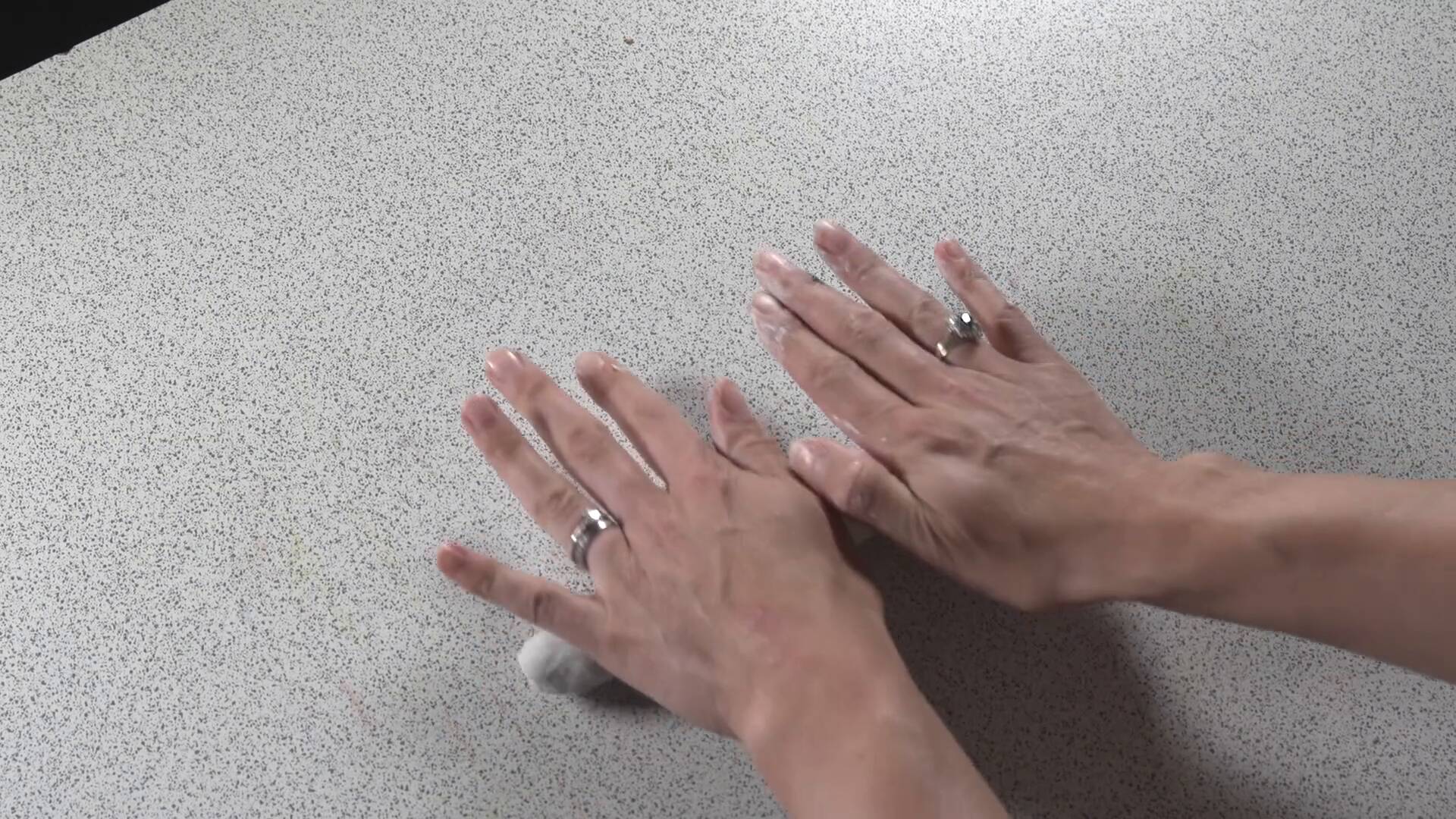
This archived Art and design scheme of work video is part of a lesson in which pupils are introduced to working with clay, using etching techniques to create patterns inspired by nature.
Children begin by examining snail shells, observing the zigzags, curves, lines and dots on their surfaces. They sketch these patterns in their sketchbooks before designing their own. Pupils then roll clay into a spiral shell shape and use simple tools to etch patterns into the surface. As they work, children consider the effect of deep or shallow marks and describe the textures they create. They are encouraged to experiment, smooth out mistakes, and adapt their ideas, understanding that reassessment is part of the creative process. By the end of the lesson, pupils will have developed confidence in using clay and explored how natural forms can inspire decorative design.
This video is part of Kapow Primary’s archived Year 1 Sculptures and collages (Living things) unit.
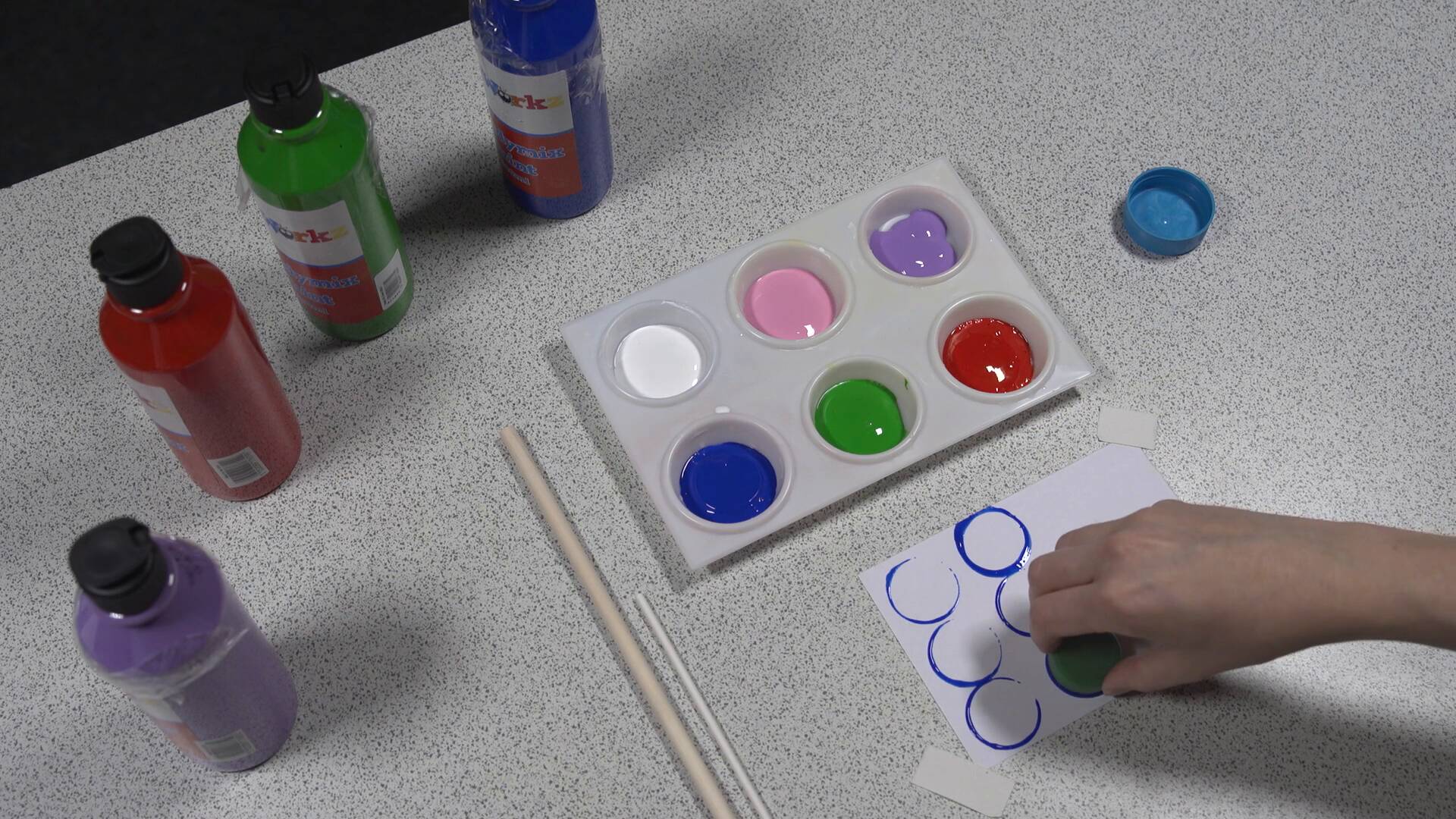
This archived Art and design scheme of work video is part of a lesson in which pupils focus on the formal element of pattern, learning how repeating lines, shapes, tones and colours can be used to create striking designs.
Children begin with four sheets of paper, a selection of paint colours and simple printing shapes. Starting with an object such as a bottle top, they dip it into paint and repeat the print across the page to form a pattern. Pupils experiment with light and dark contrasts, directions, and overlapping prints, creating new designs with each sheet. As they progress, children combine shapes and colours to develop more complex patterns. By the end of the lesson, pupils will have created a collection of repeating prints, which can be displayed together.
This video is part of Kapow Primary’s archived Year 2 Formal elements of art unit.
This archived Art and design scheme of work video is part of a lesson in which pupils are introduced to the formal element of texture, in the first of two lessons on this theme.
Children begin by exploring different surfaces using both sight and touch, developing their observational and descriptive language skills. They then record textures by making rubbings, learning how to place paper carefully over an object and use the side of a crayon to reveal its patterns. Pupils are encouraged to experiment with a range of surfaces, understanding that mistakes are part of the discovery process. They will compare their rubbings, guessing where textures came from and discussing similarities and differences. By the end of the lesson, pupils will have created a collection of textured rubbings that will form the basis of their next activity, where they learn about the technique of frottage.
This video is part of Kapow Primary’s archived Year 2 Formal elements of art unit.
This archived Art and design scheme of work video is part of a lesson in which pupils develop their understanding of texture by creating their first piece of frottage art, inspired by the artist Max Ernst.
Children begin by revisiting the rubbings they made in the previous lesson, learning how Ernst invented the technique of frottage, where textured surfaces are used to inspire imaginative drawings. By combining rubbings, children experiment with shapes and textures to form imaginative images, such as landscapes, creatures or abstract designs. The process encourages them to see how textures can influence forms and ideas. By the end of the lesson, pupils will have transformed simple rubbings into a creative artwork, developing both their observational and imaginative skills.
This video is part of Kapow Primary’s archived Year 2 Formal elements of art unit.
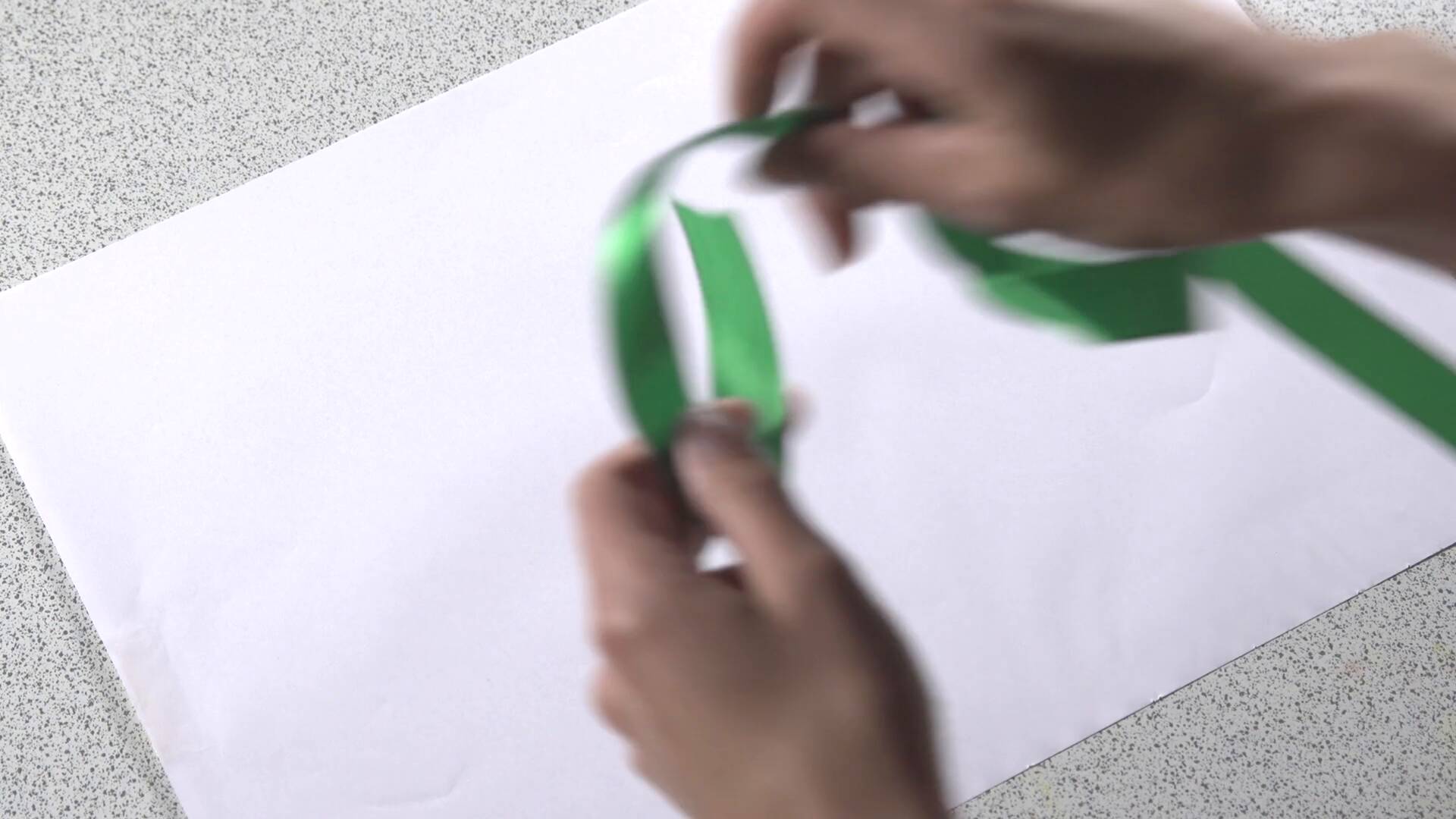
This archived Art and design scheme of work video is part of a lesson in which pupils explore tone, one of the formal elements of art, by creating three-dimensional ribbon drawings inspired by the American artist Ed Ruscha.
Children begin by experimenting with different grades of pencils, learning how pressing harder or using softer leads can produce a range of tones. They practise shading in their sketchbooks before moving on to their main activity. Using real ribbon, pupils twist and shape it into interesting forms, fixing it with tape if needed. They then sketch the outline of their ribbon design and carefully apply shading to show light, mid and dark tones, including any shadows. Through this process, pupils discover how tone can transform a simple line drawing into a realistic 3D image.
This video is part of Kapow Primary’s archived Year 2 Formal elements of art unit.
This archived Art and design scheme of work video is part of a lesson in which pupils explore the formal element of tone by creating realistic-looking planets.
Children begin by drawing a circle to form the base of their planet, then experiment with chalks and pastels to match the colours they need. They learn how to hold and use the side of the chalk to create smooth effects, and how blending with cotton wool can soften tones and add depth. Pupils gradually build layers of light and dark areas, giving their planets a three-dimensional appearance. Once complete, the planets are cut out and mounted on dark backgrounds, enhancing their shape and impact.
This activity builds pupils’ confidence in shading and blending techniques while showing how tone can be used to transform flat shapes into 3D forms.

This archived Art and design scheme of work video is part of a lesson in which pupils create abstract, symmetrical inkblot prints inspired by the work of Hermann Rorschach.
Children begin by exploring how we interpret images differently, learning that abstract art can tell many stories depending on the viewer. They then fold a sheet of paper in half, apply small amounts of paint or ink to one side, and press the paper closed to create a symmetrical print. Once dry, pupils use pencils to add details, drawing out shapes or features they can see within their abstract patterns. This encourages creativity, descriptive language, and personal interpretation.
This video is part of Kapow Primary’s archived Year 5 Every picture tells a story unit.

This archived Art and design scheme of work video is part of a lesson in which pupils explore how humans have always used images and symbols to tell stories—just as we do today with emojis, graphic design, and signage.
Children begin by looking at examples of pictographs through history, from Native American pictographs to modern road signs. They discuss why we still use symbols, even when words are available, and reflect on how emojis communicate meaning quickly and visually. Pupils then plan and create their own message using only emojis. Starting with a set of emoji sheets, they cut and arrange their symbols, inventing new ones if needed. Once their messages are complete, they share them with a partner to see if their meaning is understood, refining their designs if necessary.
This video is part of Kapow Primary’s archived Year 5 Every picture tells a story unit. It helps pupils understand the power of visual language in communication.
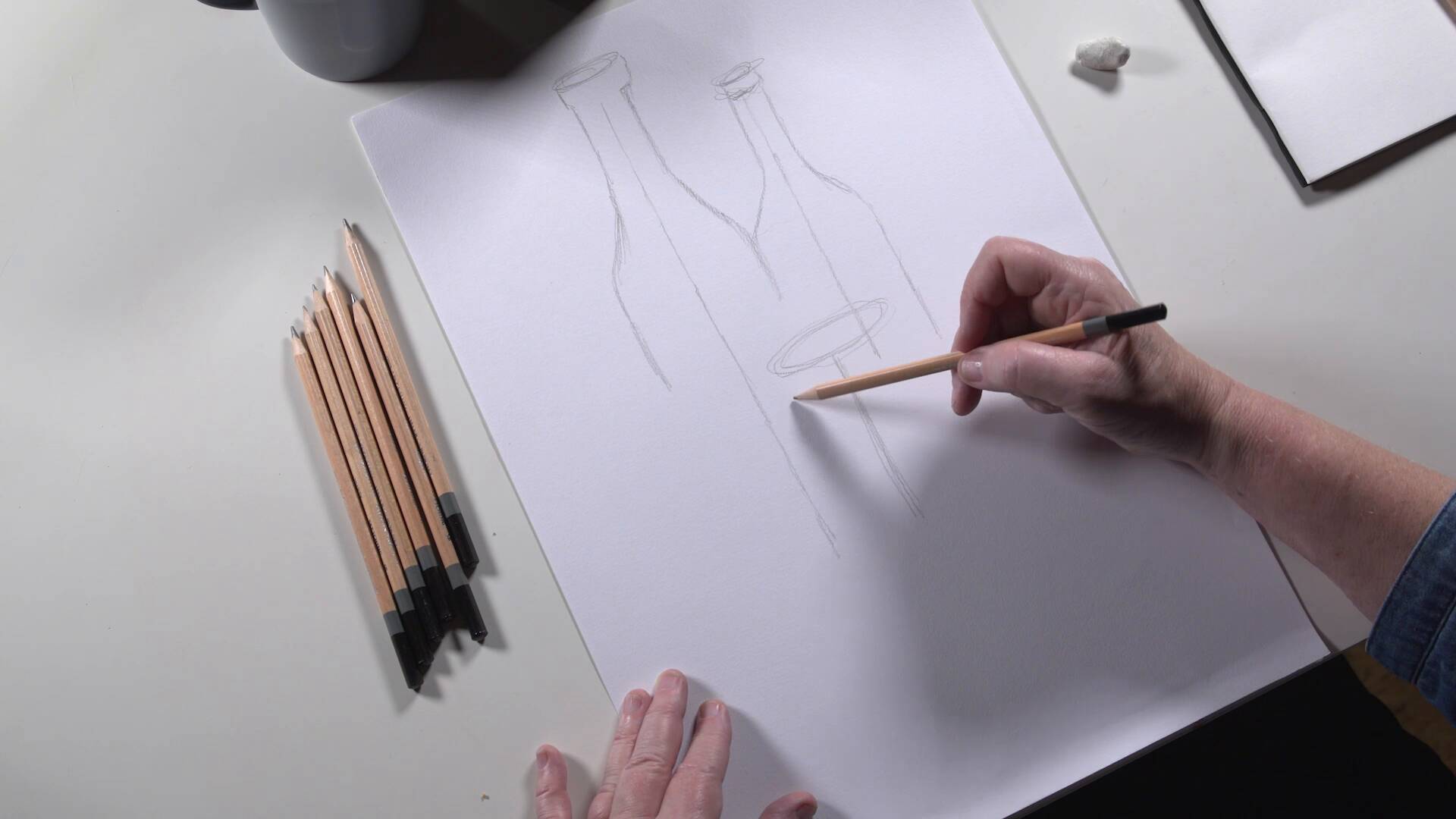
This archived Art and design scheme of work video is part of a lesson in which pupils develop their observational drawing skills, learning how to use line, tone and symmetry to create three-dimensional effects.
Children begin by arranging their own still life, inspired by the work of Italian painter Giorgio Morandi. They consider viewpoint and spacing, noticing how Morandi places objects close together while leaving gaps between them. Pupils then choose the orientation of their paper and use vertical lines of symmetry to help construct the shapes of bottles, jars or vases. Once outlines are complete, pupils explore tone. Using different grades of pencil, they add light, medium and dark shading, and can lift highlights with a rubber or blu-tack. Through this process, children learn how careful observation, line and tone can bring objects to life on the page.