




Learning objective
- To explain how Athenian democracy has influenced modern democracy.
Success criteria
- I can describe how decisions

This content is for subscribers only. Join for access today.
National curriculum
History
Pupils should:
- Regularly address and
This content is for subscribers only. Join for access today.
Cross-curricular links
English
Spoken language
Pupils should
This content is for subscribers only. Join for access today.
Before the lesson
This content is for subscribers only. Join for access today.
Lesson plan
Recap and recall
Display the Presentation: High five! and put the children in pairs. Explain that the children will work with their partner to remember what they learnt in the previous lesson about Athens and Sparta.
This content is for subscribers only. Join for access today.
Extended-mode explainer videos
How to extend your display to view the lesson page and presentation mode simultaneously. Choose your operating system below to watch the video
If you need further support with extending your display,
please contact [email protected].
Extended-mode explainer video: For Mac
Extended-mode explainer video: For Windows
Adaptive teaching
Pupils needing extra support:
- Should use the Activity: Democracy role play cards: support version during the debate in the Main event.
- Should refer to the features of democracy when preparing arguments for the debate.
- Could use the sentence starters shown in the slide during the debate.
Pupils working at greater depth:
- Should add additional ideas shown in the video during the democracy features sort, using the blank feature cards provided in each set. For example, ‘Only ten to twenty percent of the population of Athens were citizens and allowed to vote.’
- Should develop more detailed arguments during the debate by explaining advantages and limitations of both Athenian and modern democracy. For example, ‘In large countries, it would be difficult for everyone to meet and vote on every law, so representatives make the system more practical.’
This content is for subscribers only. Join for access today.
Assessing progress and understanding
Pupils with secure understanding can:
- Describe how decisions were made in Athens and
This content is for subscribers only. Join for access today.
Vocabulary definitions
-
assembly
A group of citizens who made decisions and voted on laws.
-
constitutional monarchy
A system where the king or queen is head of state but does not make the laws and decisions.
This content is for subscribers only. Join for access today.
In this unit
Assessment - History Y5/6 (B): The legacy of the ancient Greek civilisation

Lesson 1: Who were the ancient Greeks and when did they live?
Lesson 2: Who lived on Mount Olympus?
Lesson 3: How was Ancient Greece governed?
Lesson 4: Did the ancient Greeks give us democracy?
Lesson 5: How do the ancient Greek philosophers influence us today?
Lesson 6: What is the legacy of the ancient Greeks?
Maintained by: Kapow Primary team
Last update: 20th March, 2026

Assessment – History Y5/6 (B): The legacy of the ancient Greek civilisation
Assessment quiz, Skills catcher and Knowledge catcher for use at the start and/or end of...
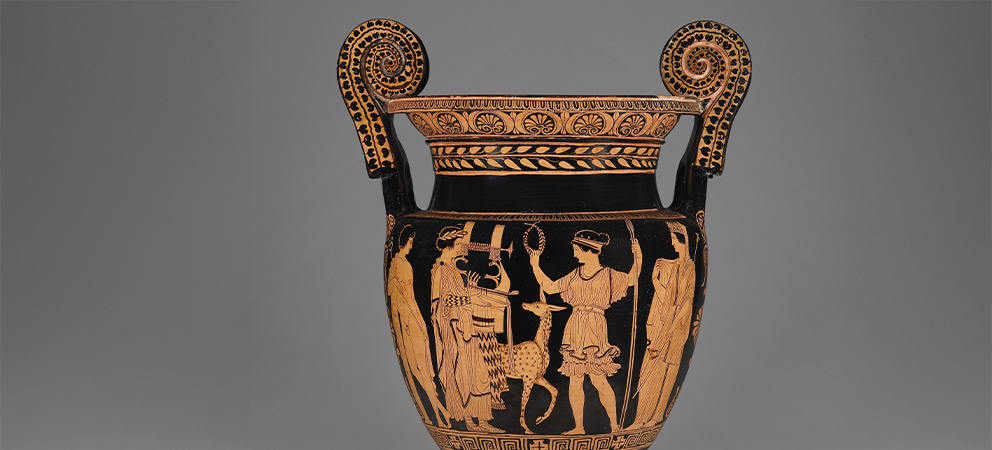
Year 5/6 (B): Lesson 2: Who lived on Mount Olympus?
Making deductions about primary sources and inferring what the ancient Greeks' beliefs tell us about...
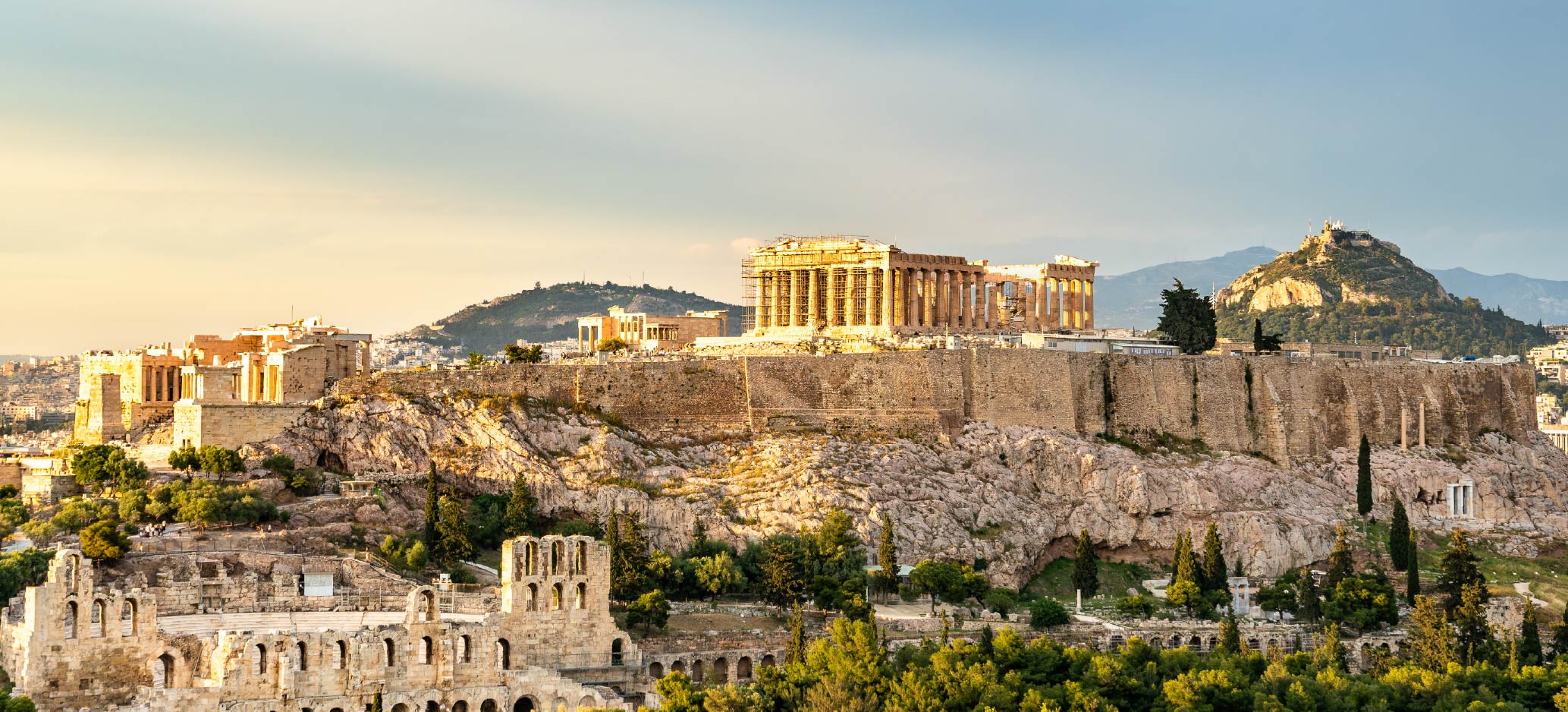
Year 5/6 (B): Lesson 1: Who were the ancient Greeks and when did they live?
Learning about Ancient Greece's features and identifying the Greek civilisation's periods.
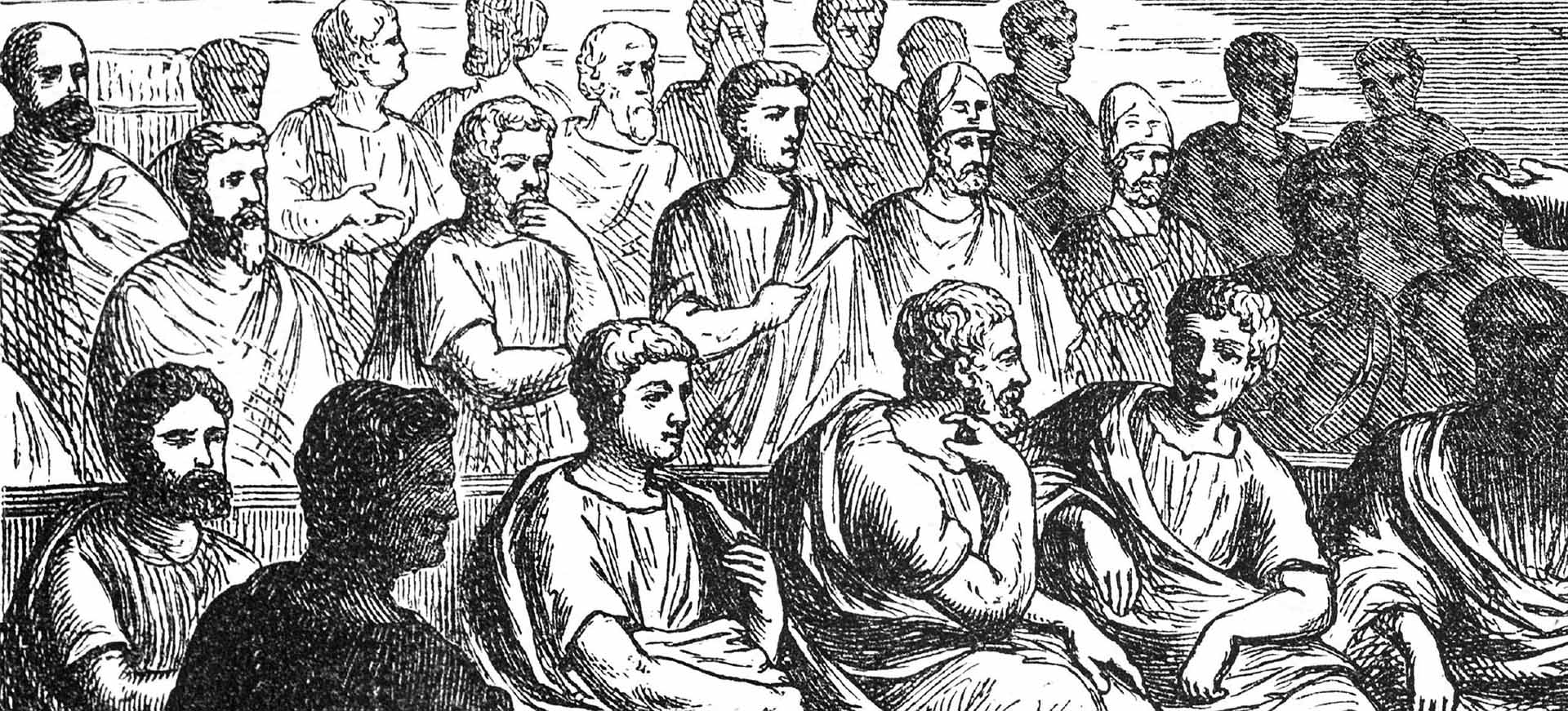
Year 5/6 (B): Lesson 4: Did the ancient Greeks give us democracy?
Comparing democracy in modern Britain to ancient Athens.
