




Learning objective
- To explain the significance and legacy of Ancient Greek philosophy.
Success criteria
- I can explain what philosophy means.
- I can describe

This content is for subscribers only. Join for access today.
National curriculum
History
Pupils should:
- Regularly address and
This content is for subscribers only. Join for access today.
Cross-curricular links
English
Spoken language
Pupils should
This content is for subscribers only. Join for access today.
Before the lesson
This content is for subscribers only. Join for access today.
Lesson plan
Recap and recall
Display the Presentation: Athens, Britain or both? Tell the children that they will see a feature of democracy that could be from Ancient Athens, Britain or both.
This content is for subscribers only. Join for access today.
Extended-mode explainer videos
How to extend your display to view the lesson page and presentation mode simultaneously. Choose your operating system below to watch the video
If you need further support with extending your display,
please contact [email protected].
Extended-mode explainer video: For Mac
Extended-mode explainer video: For Windows
Adaptive teaching
Pupils needing extra support
- Should use the Activity: Socrates: helpful or harmful to Athens?: support version during the Main event, which involves colour coding the different supporting arguments rather than generating them independently.
- Could give their conclusion about Socrates during the Main event verbally rather than writing it down. If available, their responses could be recorded using a recording device.
Pupils working at greater depth
- Should give more than one conclusion about Socrates by considering the viewpoints of different groups in Athens, explaining each viewpoint and conclusion on the back of the Activity: Socrates: helpful or harmful to Athens? sheet. For example, explaining that young Athenians might find his questioning inspiring, while some leaders might see it as a threat to authority.
- Should explain which of the four philosophers they think had the greatest influence and justify their choice as an additional challenge during the Wrapping up. For example, explaining that Aristotle might be the most influential because his ideas about evidence and reasoning still influence science and learning today.
This content is for subscribers only. Join for access today.
Assessing progress and understanding
Pupils with secure understanding can:
- Explain what philosophy means.
- Describe the contributions of some
This content is for subscribers only. Join for access today.
Vocabulary definitions
-
Aristotle
A philosopher who founded modern science and logic.
-
ethics
A study of what is right, wrong, just or unjust.
This content is for subscribers only. Join for access today.
In this unit
Assessment - History Y5: The legacy of the ancient Greek civilisation

Lesson 1: Who were the ancient Greeks and when did they live?
Lesson 2: Who lived on Mount Olympus?
Lesson 3: How was Ancient Greece governed?
Lesson 4: Did the ancient Greeks give us democracy?
Lesson 5: How do the ancient Greek philosophers influence us today?
Lesson 6: What is the legacy of the ancient Greeks?
Maintained by: Kapow Primary team
Last update: 20th March, 2026
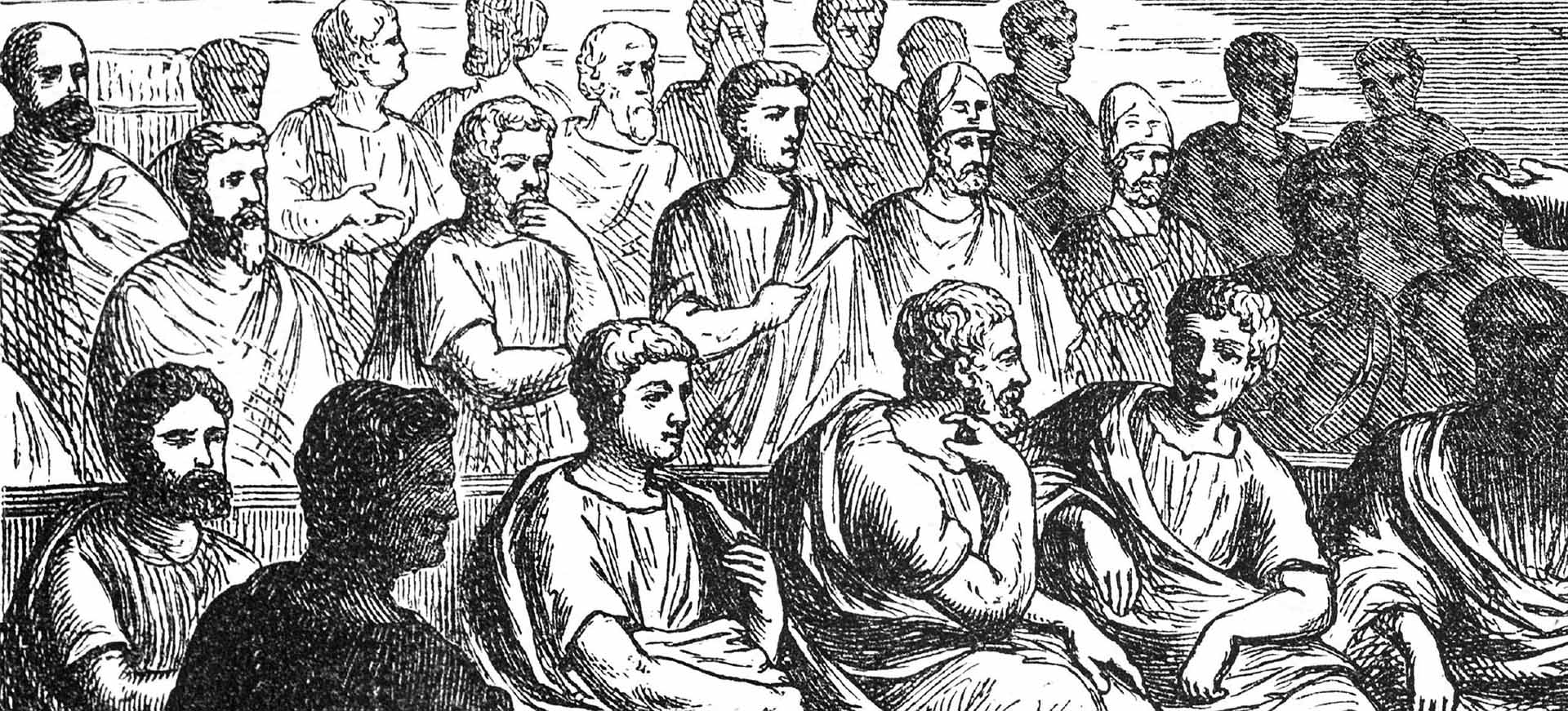
Lesson 4: Did the ancient Greeks give us democracy?
Comparing democracy in modern Britain to ancient Athens.
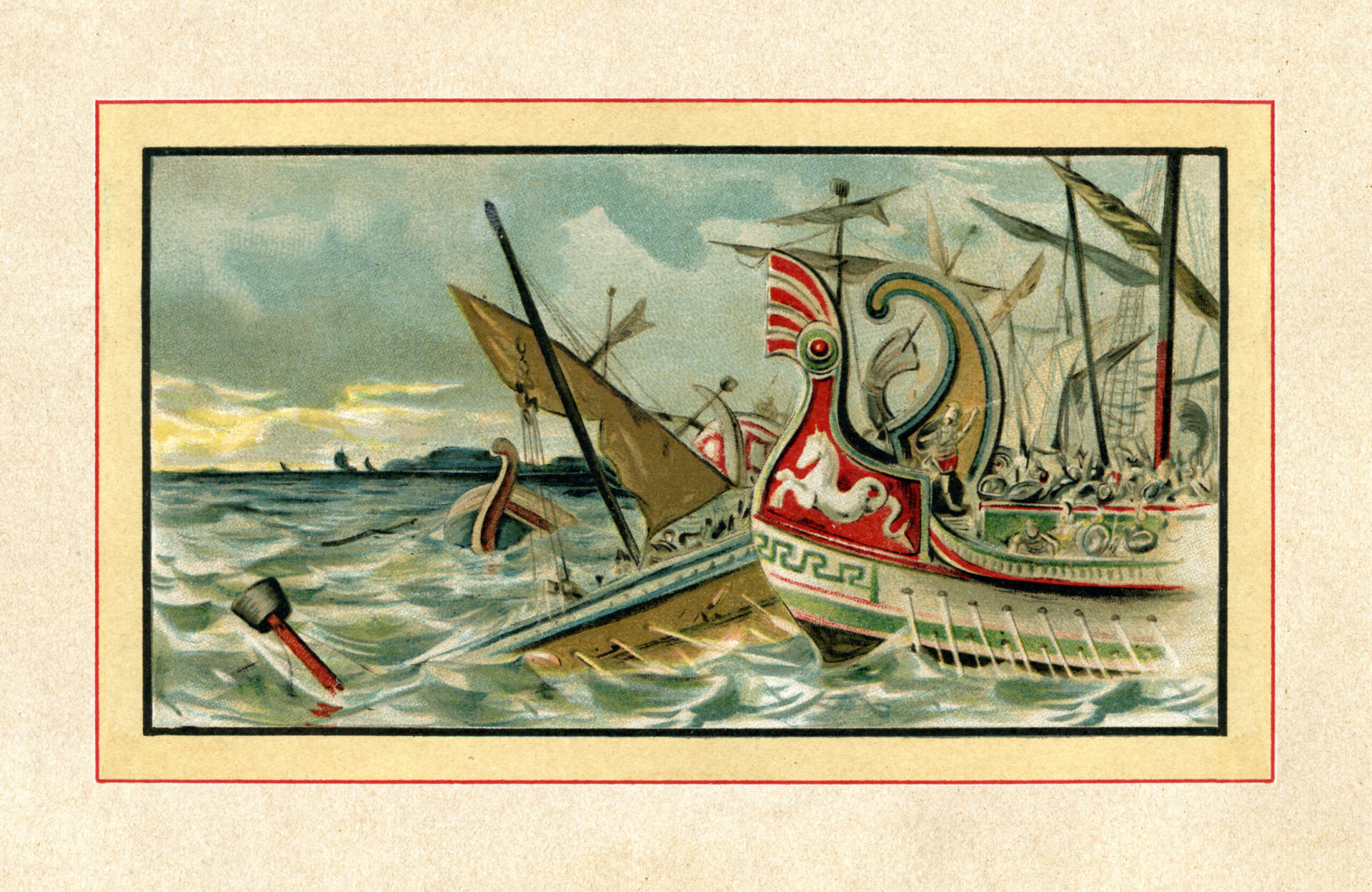
Lesson 3: How was Ancient Greece governed?
Identifying similarities and differences between Athens and Sparta, role-playing a conversation between Athenians and Spartans.
Lesson 6: What is the legacy of the ancient Greeks?
Exploring and evaluating the key legacies of the ancient Greeks.
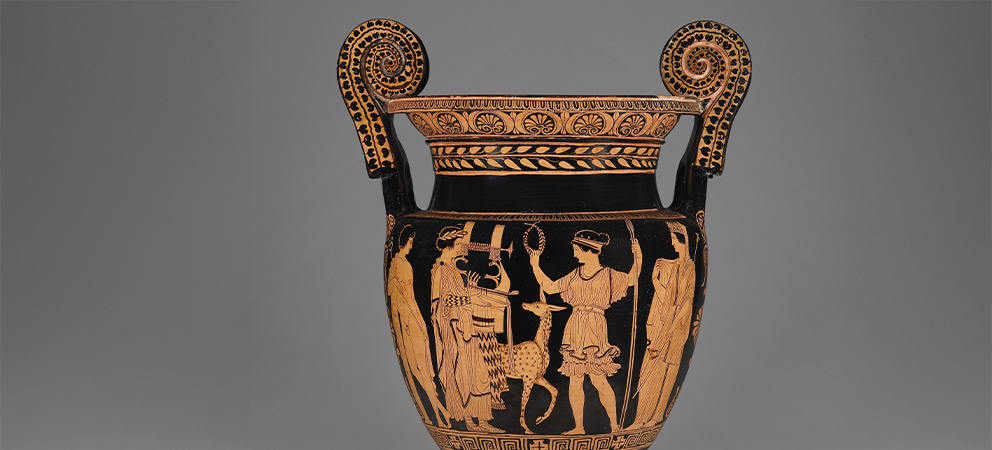
Lesson 2: Who lived on Mount Olympus?
Making deductions about primary sources and inferring what the ancient Greeks' beliefs tell us about...
