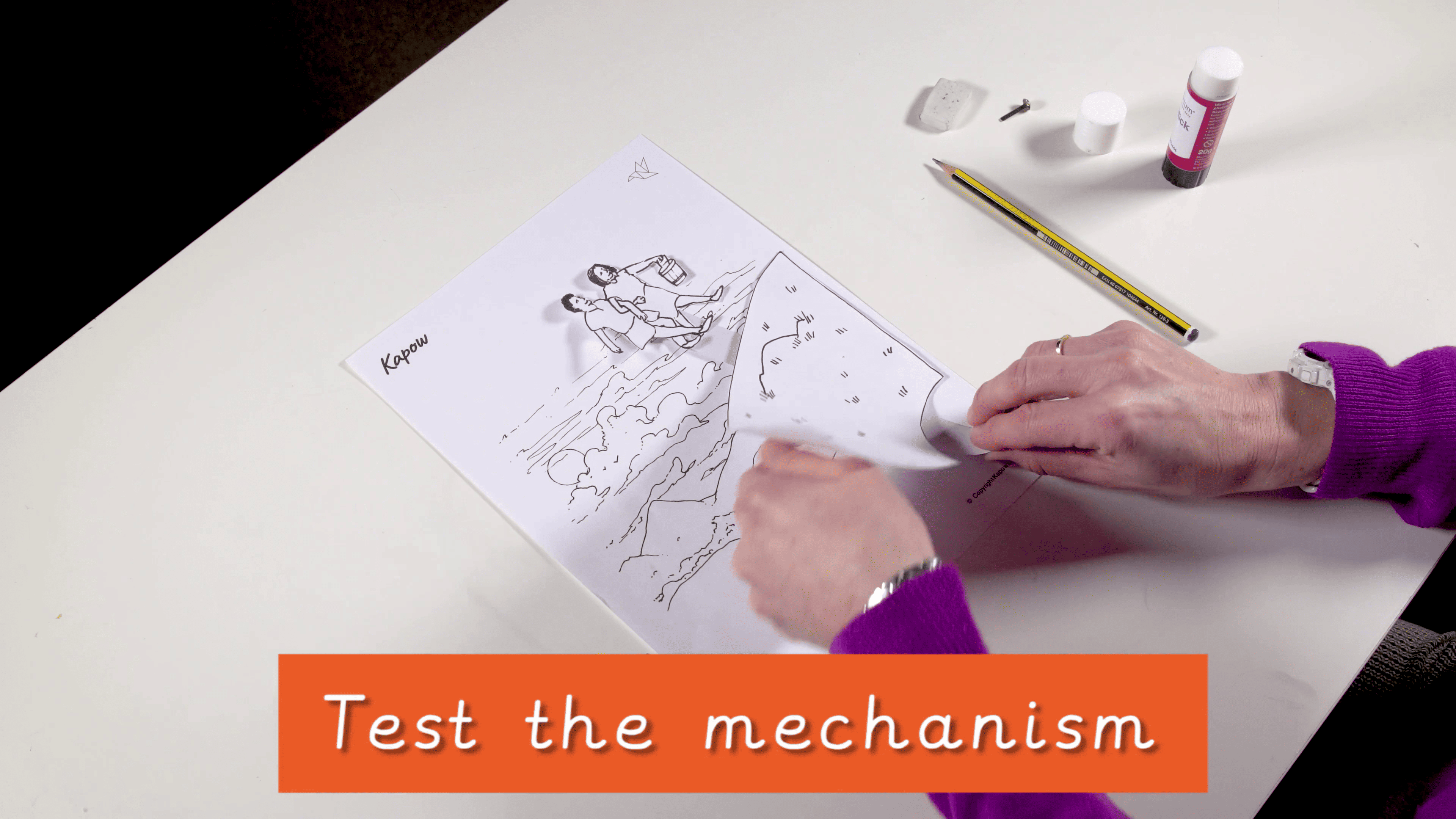
This Design and Technology video supports Year 5 pupils in decorating their pop-up books by introducing layers and spacers to hide mechanisms and ensure smooth movement. The video provides a step-by-step guide to creating sliders and levers, positioning background elements, and assembling the pop-up mechanism for pages three and four.
This video is part of Y5, Mechanical Systems: Making a Pop-up Book. It helps pupils refine their book structures and bring their storybook designs to life.
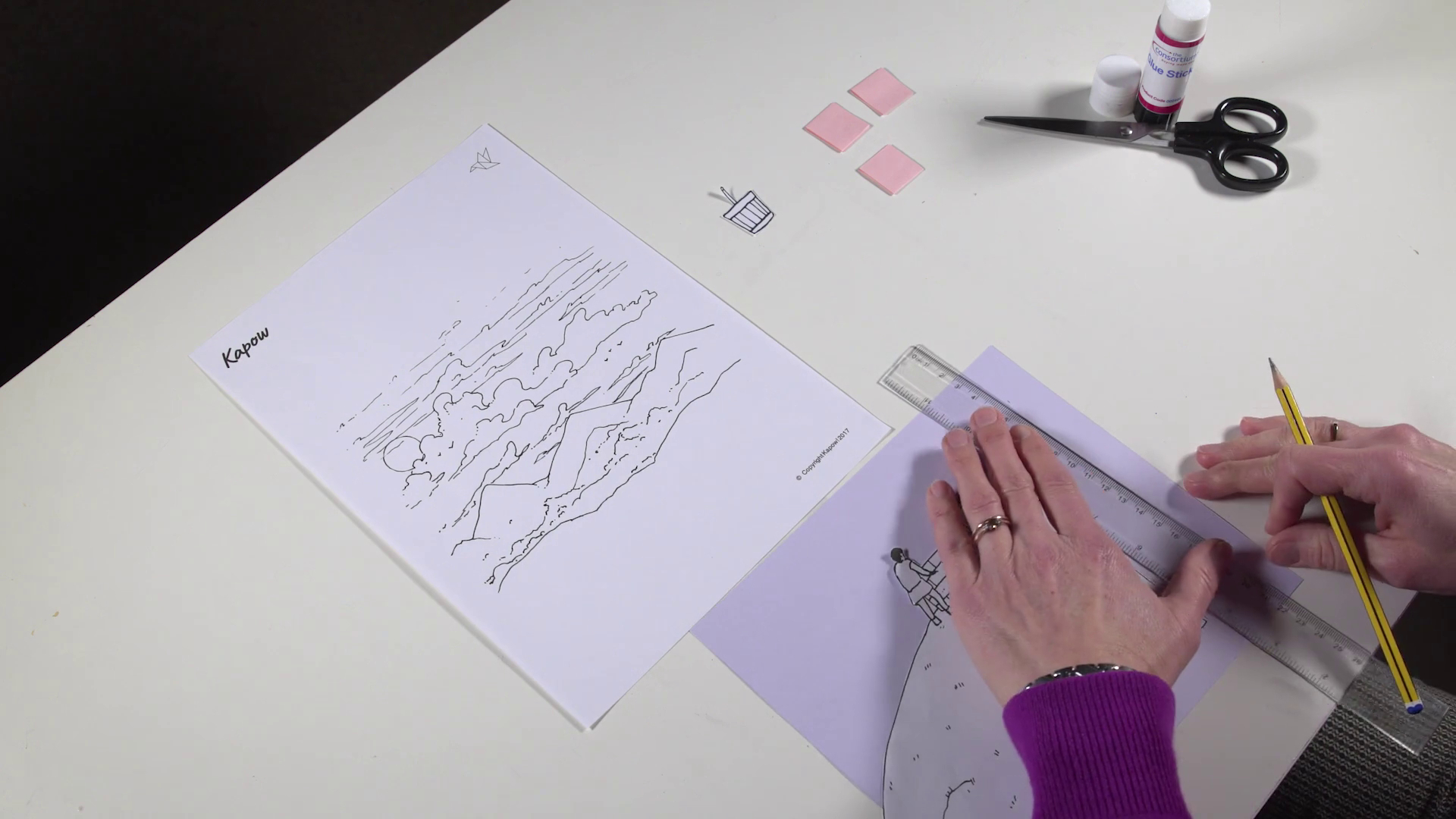
This video demonstrates how to use layers and spacers to create smooth-moving mechanisms, helping teachers guide pupils in decorating their pop-up storybooks with interactive elements.
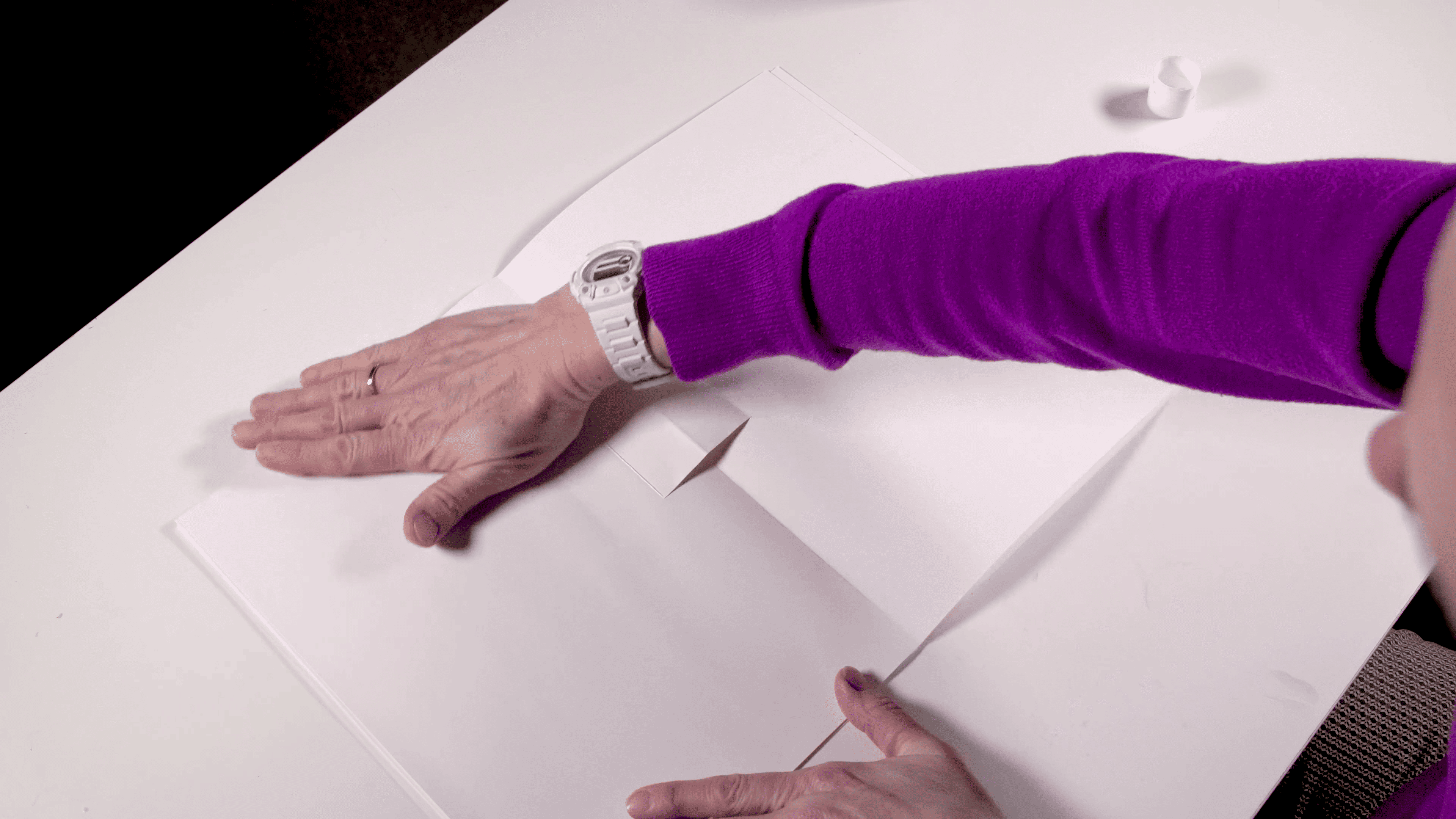
This Design and Technology video guides Year 5 pupils through the process of constructing the structure of their pop-up books, including the front and back covers. It demonstrates how to fold, glue, and assemble pages, as well as how to create a structure using the Jack template. Pupils will develop their measuring, folding, and securing skills while learning how to build a sturdy and interactive book.
This video is part of Y5, Mechanical Systems: Making a Pop-up Book. It simplifies technical assembly steps, ensuring pupils feel confident in creating their pop-up books’ foundations before decorating them in the following lessons.

This video demonstrates how to construct a pop-up book structure, supporting teachers to guide pupils through assembling pages and adding a simple pop-up mechanism.
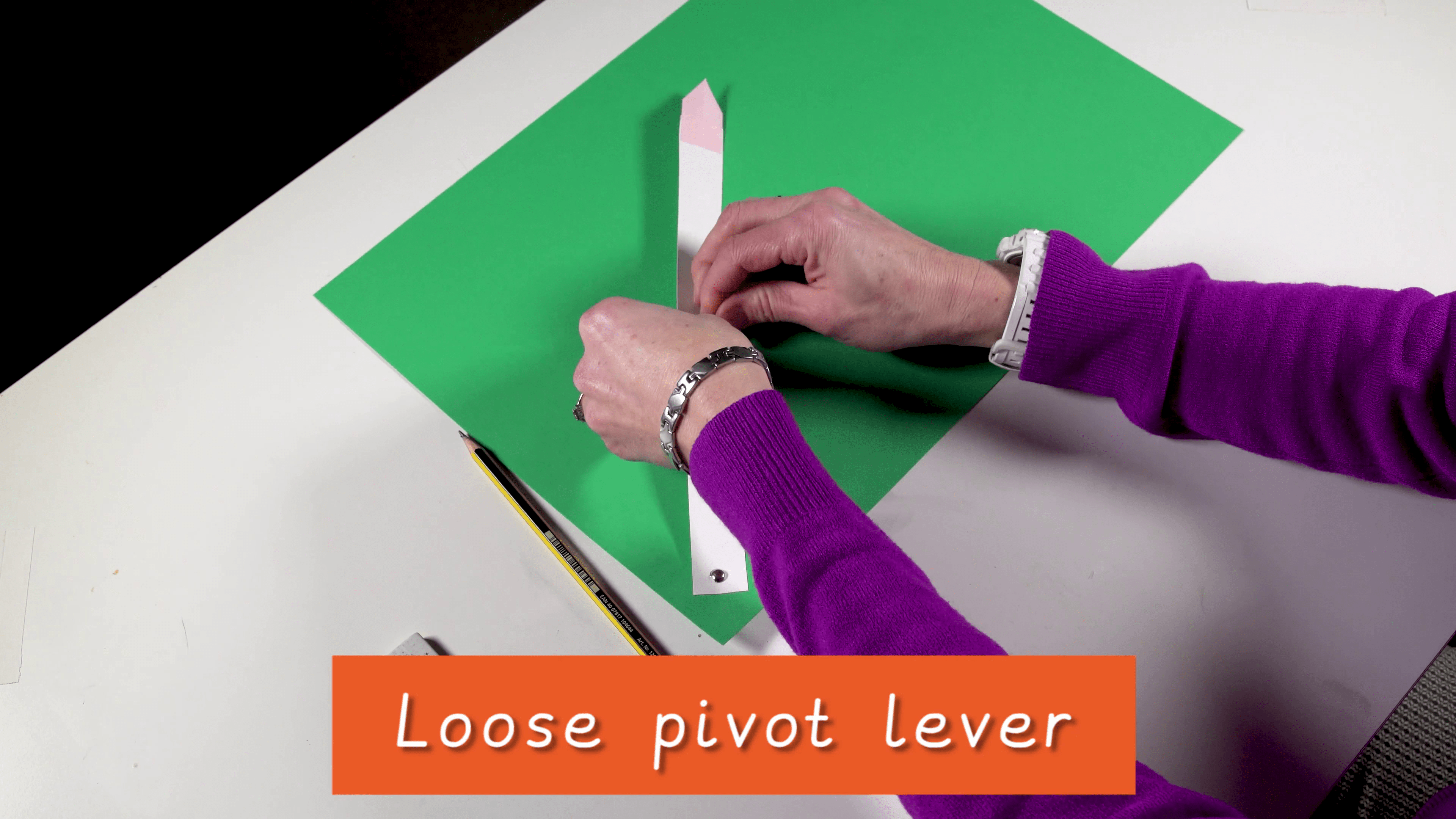
This Design and Technology video introduces teachers to the fundamentals of pop-up book mechanisms, equipping them with the knowledge to guide Year 5 pupils in constructing interactive and engaging books. It covers an introduction to sliders, demonstrating how spacers help control movement and the importance of using layers to conceal mechanisms while ensuring functionality. Teachers will learn practical steps for building, assembling, and securing moving parts.
This video is part of Design and Technology, Year 5, Mechanical Systems: Making a Pop-up Book unit. It simplifies complex construction techniques.
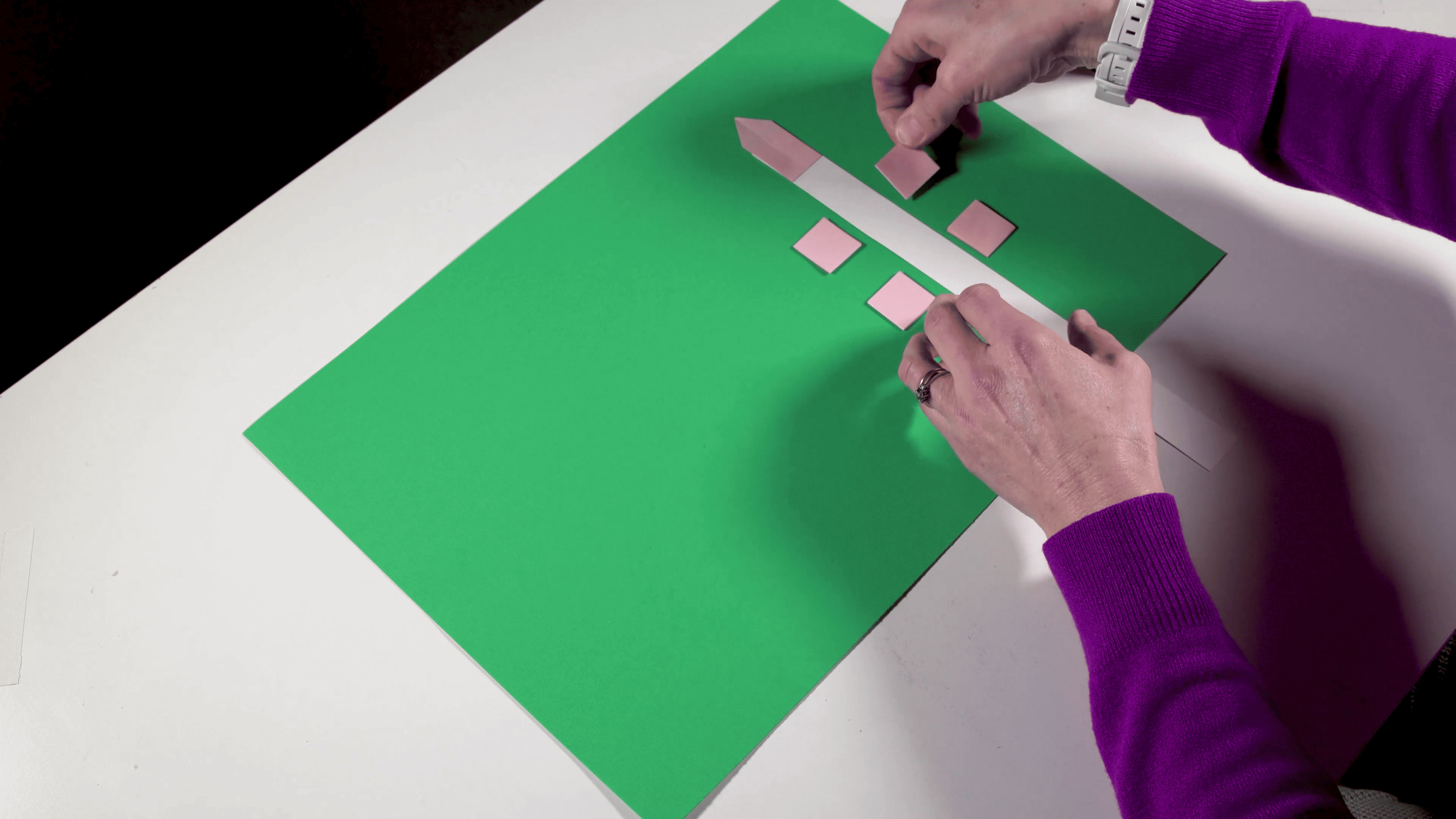
This Design and Technology video introduces teachers to the fundamentals of pop-up book mechanisms, equipping them with the knowledge to guide Year 5 pupils in constructing interactive and engaging books. It covers an introduction to sliders, demonstrating how spacers help control movement and the importance of using layers to conceal mechanisms while ensuring functionality. Teachers will learn practical steps for building, assembling, and securing moving parts, helping children understand how mechanical systems work in book design.
This video is part of Design and Technology, Year 5, Mechanical Systems: Making a Pop-up Book unit. It simplifies complex construction techniques, ensuring teachers feel confident and prepared to help children explore the engineering and design process behind pop-up books in the lesson and unit below.
Design and Technology key stage 2 scheme of work
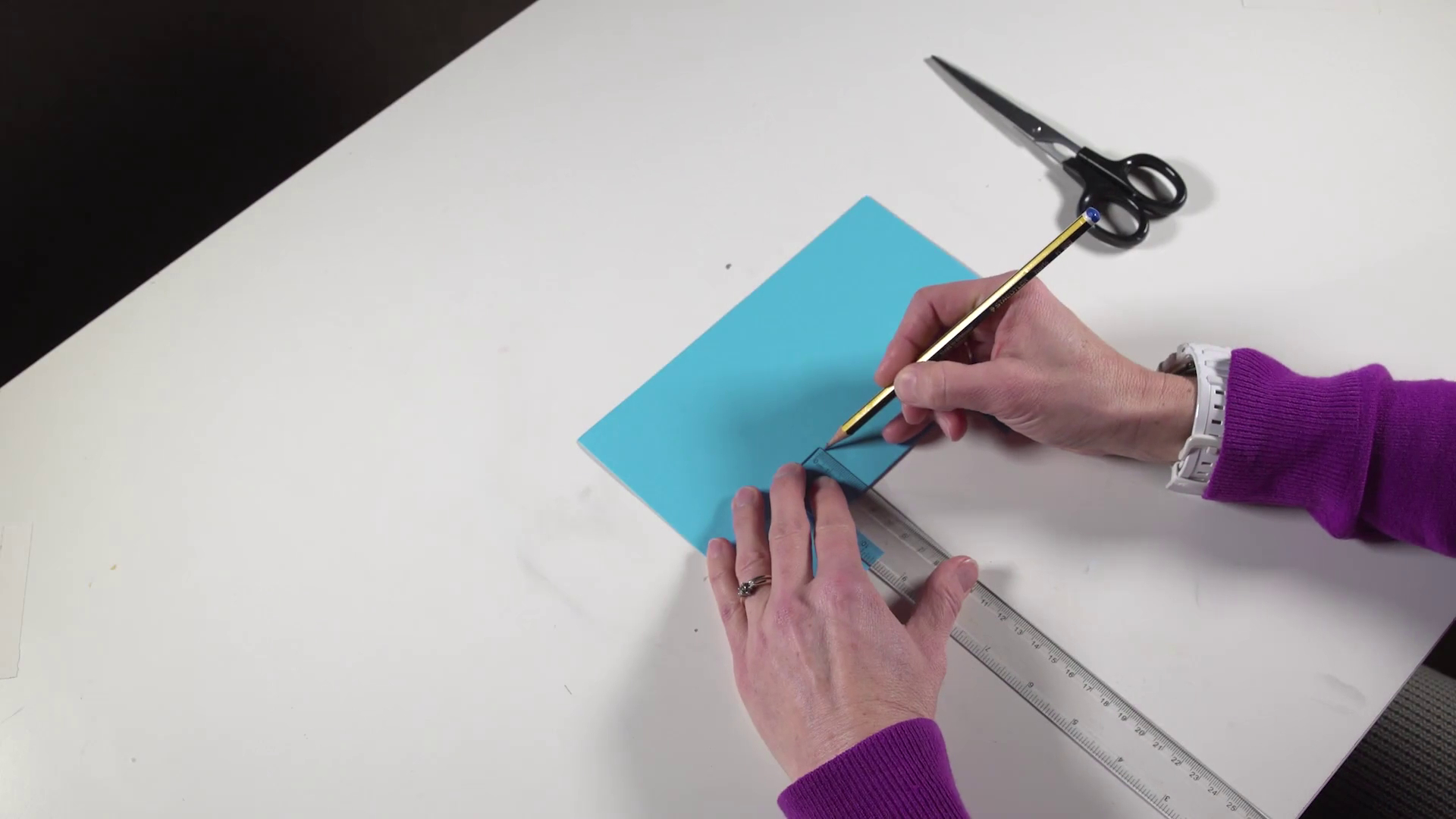
This video introduces key pop-up mechanisms, including sliders, levers and steps, and helps teachers demonstrate movement techniques that pupils can use when designing their own storybook pages.
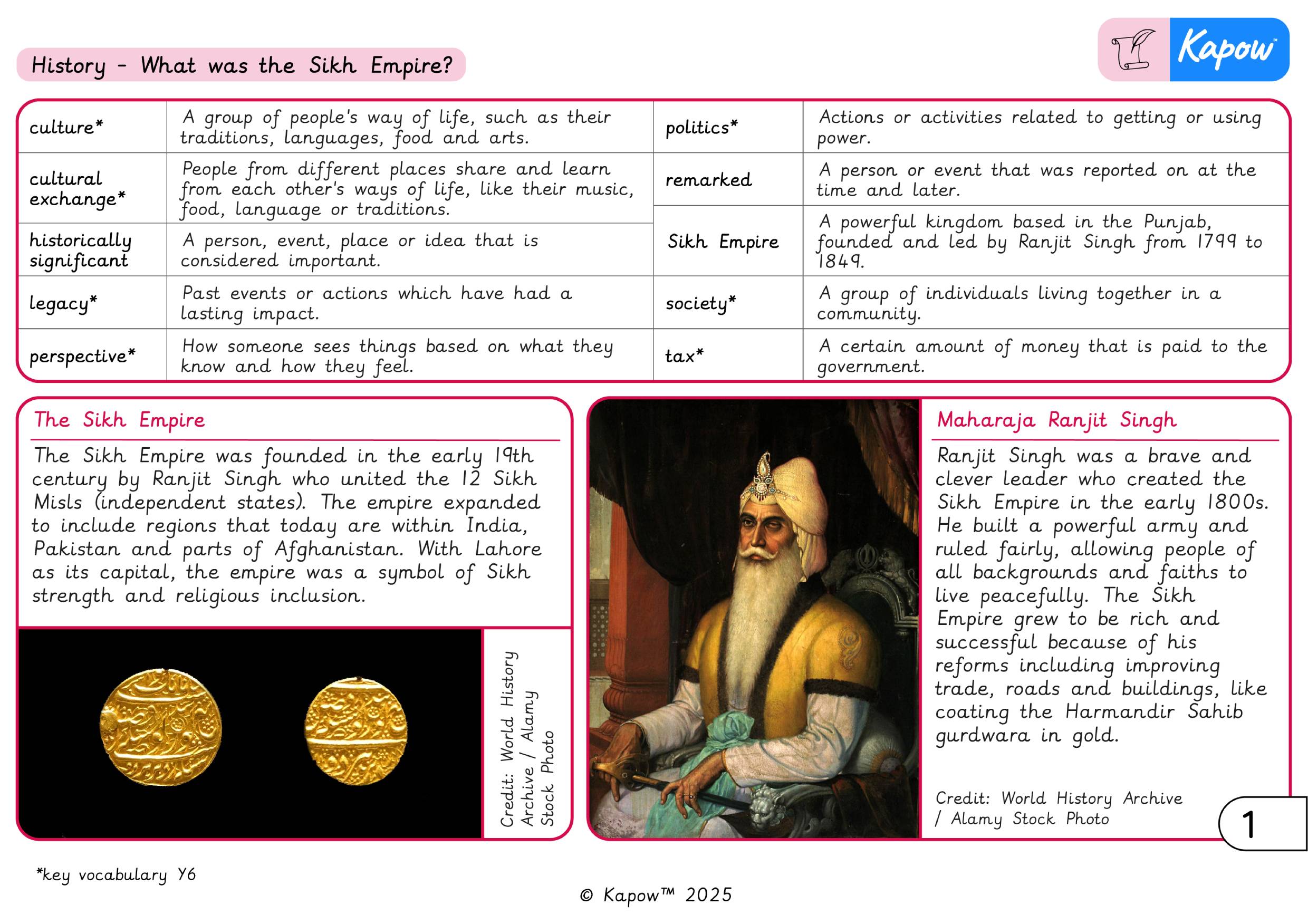
A Knowledge organiser that captures the essential knowledge and skills learnt throughout the unit History, Year 5/6 (B), What was the Sikh Empire?
This resource is designed to support children as they explore significant places and people in the Sikh Empire. It highlights key vocabulary, where the Punjab region was, why Lahore was significant to the Sikh Empire, who Maharaja Ranjit Singh was and what he achieved. It is perfect for consolidating essential knowledge and fostering cross-cultural understanding.