This Kapow pupil video is part of the Kapow History scheme of work. It explores the differences between two important city-states in ancient Greece: Athens and Sparta. Because Greece had lots of mountains, valleys and islands, it was hard to travel from place to place. This meant that over a thousand local city-states developed, rather than one big country. Athens was close to the sea and traded with other places, while Sparta was surrounded by mountains and had more farmland. Athens had a democracy where adult male citizens could vote, but Sparta was ruled by two kings and a small group of powerful men. Even though Sparta had an assembly, very few people could take part.
In Athens, boys went to school to learn reading, maths and music. They also trained to fight and joined the army at 18. Girls stayed at home and learned how to look after the house. In Sparta, boys trained to be soldiers from the age of seven. They lived in special schools called the Agoge and became strong warriors. Spartan girls were treated better than in other city-states. They went to school, learnt to read, and did sport to stay strong and healthy. This was because Sparta wanted strong mothers who would raise future soldiers. Although both Athens and Sparta were in the same country, they were very different places to live.
This History video introduces teachers to the key features of democracy in ancient Athens and how it contrasts with representative democracy in Britain today. It outlines how Cleisthenes’ reforms in 507 BC created the world’s first form of democracy – ‘demokratia’ – in which male citizens over twenty could vote directly on laws. The video clarifies that this was a direct democracy, where voting was both a right and duty, but only around thirty percent of the population were entitled to take part. In contrast, modern Britain uses representative democracy, where adults vote for MPs to make decisions on their behalf.
This video is part of Kapow Primary’s History scheme – Greeks. It supports teaching about democracy as a legacy of the ancient Greeks. It prepares teachers to lead a classroom debate exploring whether all ancient Greeks over eighteen should have been given voting rights. The video demonstrates how to structure the debate using group work, sticky note activities and a class vote, helping pupils practise historical reasoning while comparing ancient and modern political systems.
This Kapow pupil video is part of the Kapow History scheme of work. In this video, you’ll learn how some ancient Greek cities were ruled by democracy, while others had very different systems of power. Athens was the world’s oldest democracy, where citizens voted on decisions using pebbles. It developed over 2,500 years ago and inspired how some countries, like Britain, are ruled today. But Athenian democracy was different – only free men born in Athens could vote, and decisions were made directly by citizens rather than elected representatives.
In Athens, citizens gathered to vote in assemblies, helped make laws through a council chosen by lottery, and even took part in court cases as jurors. They believed that freedom of speech and fairness were essential. However, many people – including women, enslaved people and foreigners – had no rights. Some city-states copied democracy from Athens, while others, like Sparta, used oligarchy, where only a few held power. These differences led to war. Even though Athens’ democracy ended when it lost to Sparta, its ideas lived on and continue to shape how people are governed today.
This Kapow pupil video is part of the Kapow History scheme of work. It explores how the ancient Greeks began to think differently about the world, asking big questions that are still discussed today.
Greek philosophers like Pythagoras, Socrates, Plato and Aristotle wanted to understand life using reason instead of myths and superstition. Pythagoras worked with numbers and created a famous maths rule. Socrates asked lots of questions to help people think deeply, while his student Plato wrote books about what is right and wrong. Aristotle studied nature and invented the idea of scientific thinking. These philosophers believed that asking questions and looking carefully at the world could help people understand how to live wisely. Their ideas have helped shape how we learn and think today.
This History video introduces teachers to the concept of legacy by exploring the achievements of Ancient Greek civilisation and the enduring impact of their ideas on the modern world. It covers key developments including democracy, philosophy, mathematics, science, medicine, language, architecture and the Olympic Games, as well as the influence of figures such as Alexander the Great.
This video is part of Kapow Primary’s History scheme – Greeks. It supports the teaching of substantive knowledge through a focused examination of cultural, political and intellectual legacy. It equips teachers to guide pupils in evaluating significance, drawing connections between the past and present, and creating a commemorative activity that encourages thoughtful reflection and historical reasoning.
This History video introduces teachers to the key concept of migration and provides the background knowledge needed to support pupils in exploring why people move and how this has shaped Britain. It explains different types of migration – voluntary and forced, internal and international – and highlights both historical and contemporary reasons people migrate, including work, study, family ties, and escaping conflict or climate change. The video outlines examples such as the Beaker people, the Romans, the Irish, and twentieth-century arrivals from the Caribbean and Asia, encouraging a nuanced understanding of how migration has contributed to the development of Britain.
This video is part of Kapow Primary’s History scheme – migration. It supports teachers in preparing to teach sensitive and sometimes controversial topics. It includes guidance on how to handle classroom discussions respectfully, address stereotypes, and introduce the concept of bias in sources. Teachers are encouraged to use archaeological evidence, such as the Jorvik finds, to challenge outdated views – like those about the Vikings – and foster a deeper understanding of migration as a vital and enriching part of Britain’s history.
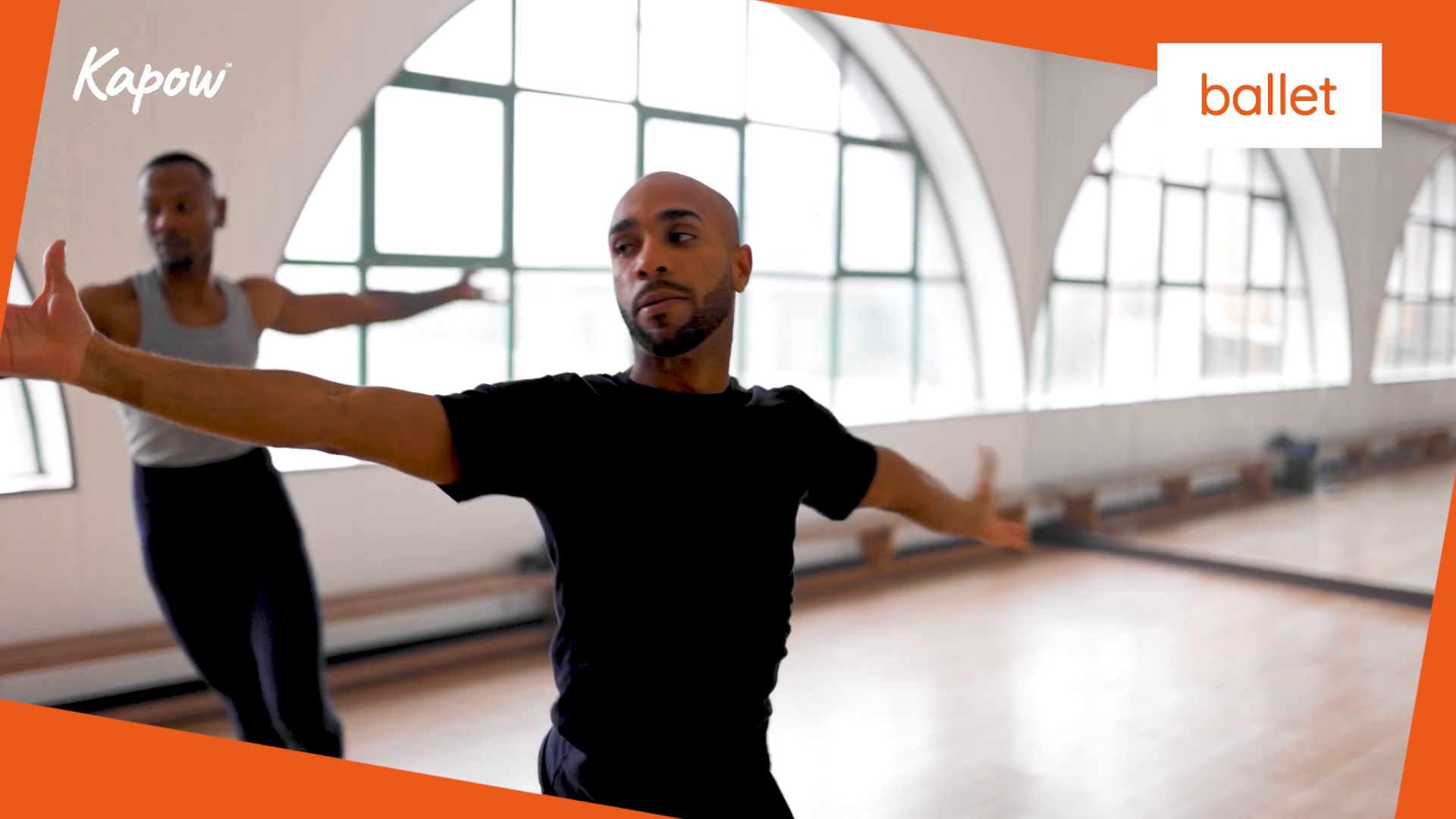
A short video of athletes in action to support pupils with drawing dynamic body positions.
This History video introduces Key stage 2 pupils to how Viking trade worked, showing the goods they exchanged, the long-distance routes they used, and how trading helped them grow in wealth, knowledge and connections across different parts of the world.
This Kapow Primary History video introduces the children to the purpose and development of the census, showing how civilisations from ancient Rome, Egypt and China to modern Britain have used population records to understand people and places and how these sources help historians learn about the past.