


year: Year 5
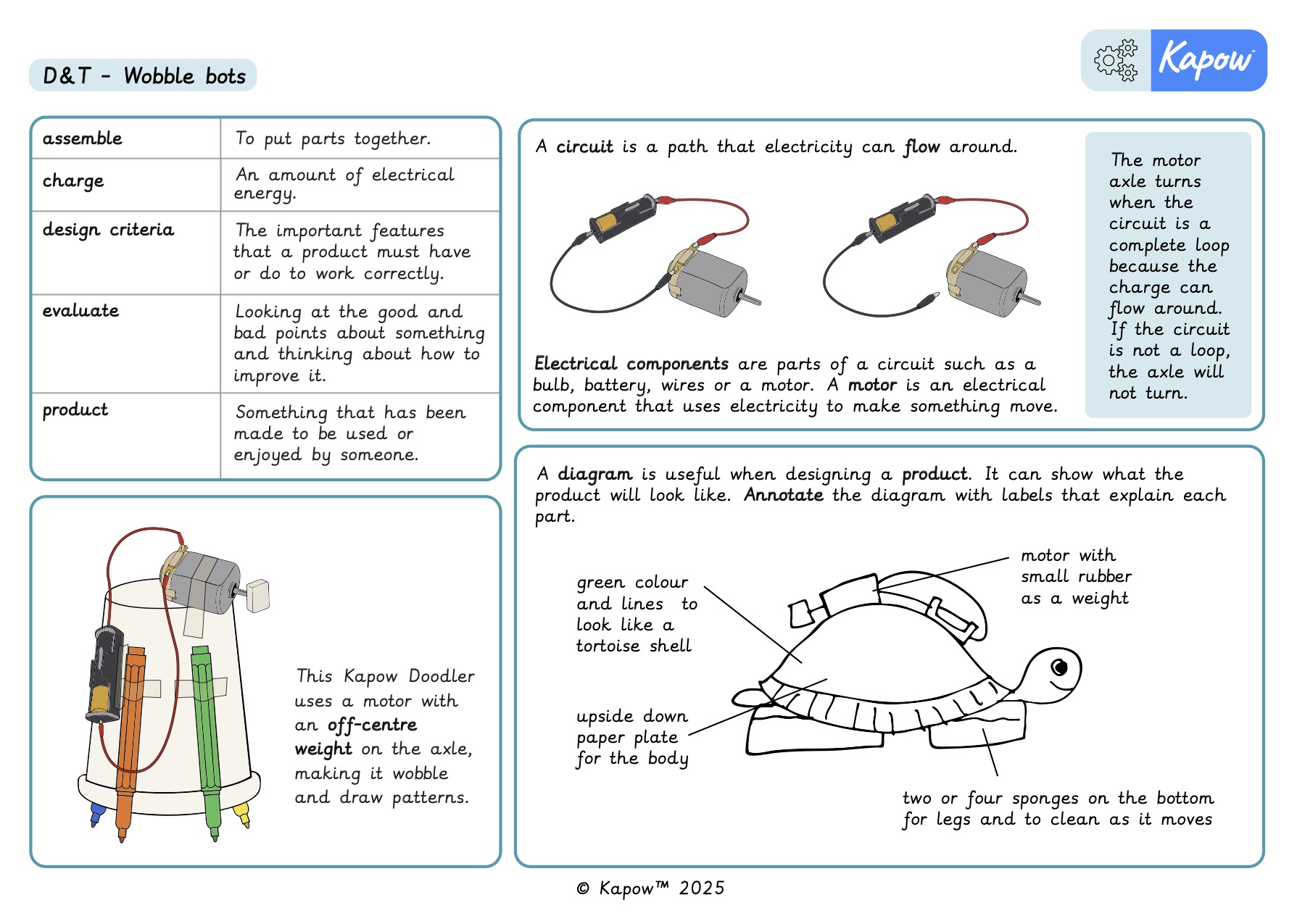
Knowledge organiser – D&T Y5: Electrical systems: Wobble bots
Teacher video: Heading off
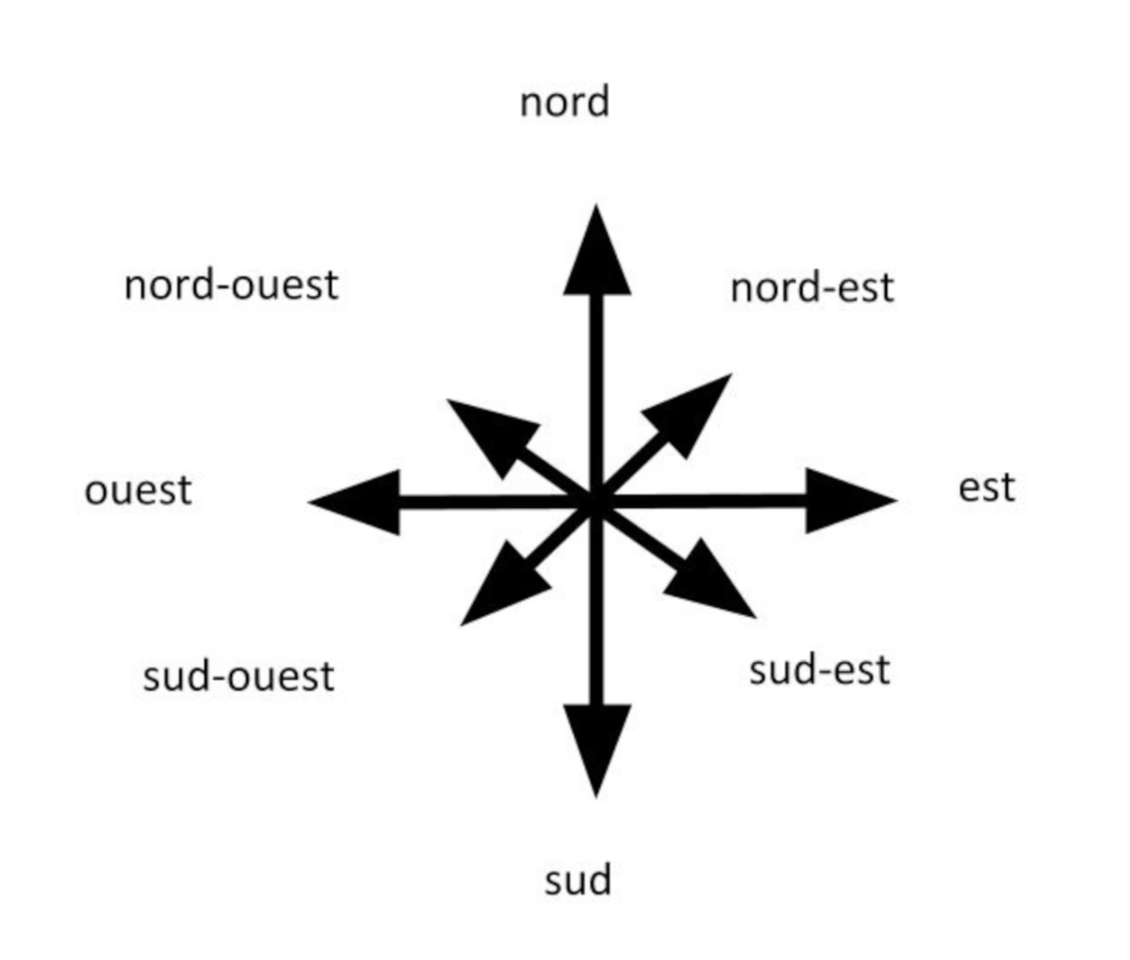
This French video introduces teachers to the first unit of Year 5, which brings together language skills developed across the previous three years. The lesson begins with compass points, helping children practise both recognition and pronunciation.
Teacher video: Alien worlds
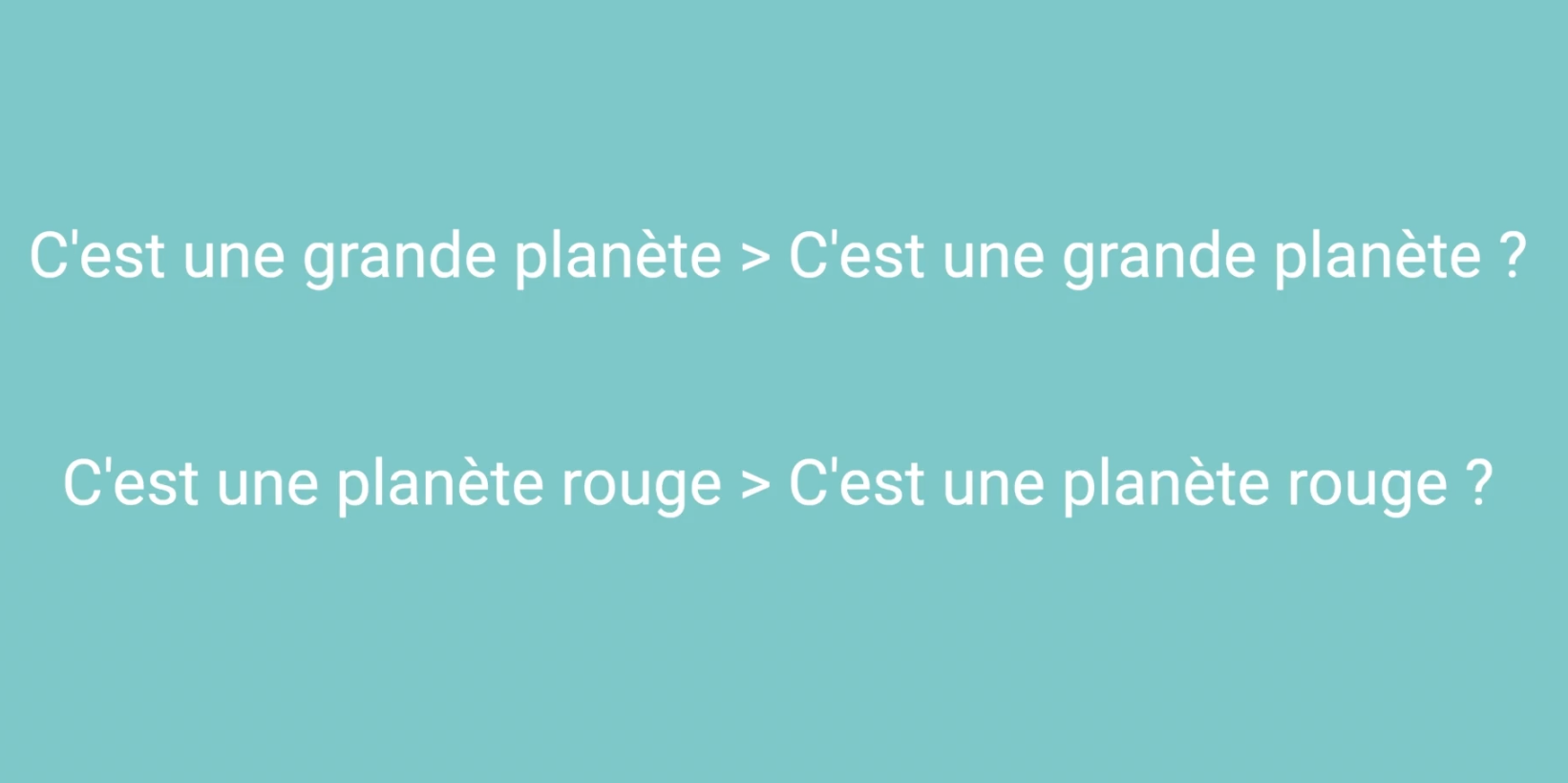
This French video introduces teachers to a final lesson in the topic that focuses on paired speaking activities. The key aim is for children to practise asking and answering closed questions in French to extract factual information. The lesson highlights that, just as in English, a statement can become a question simply by raising the intonation at the end.
Teacher video: Galaxy guide
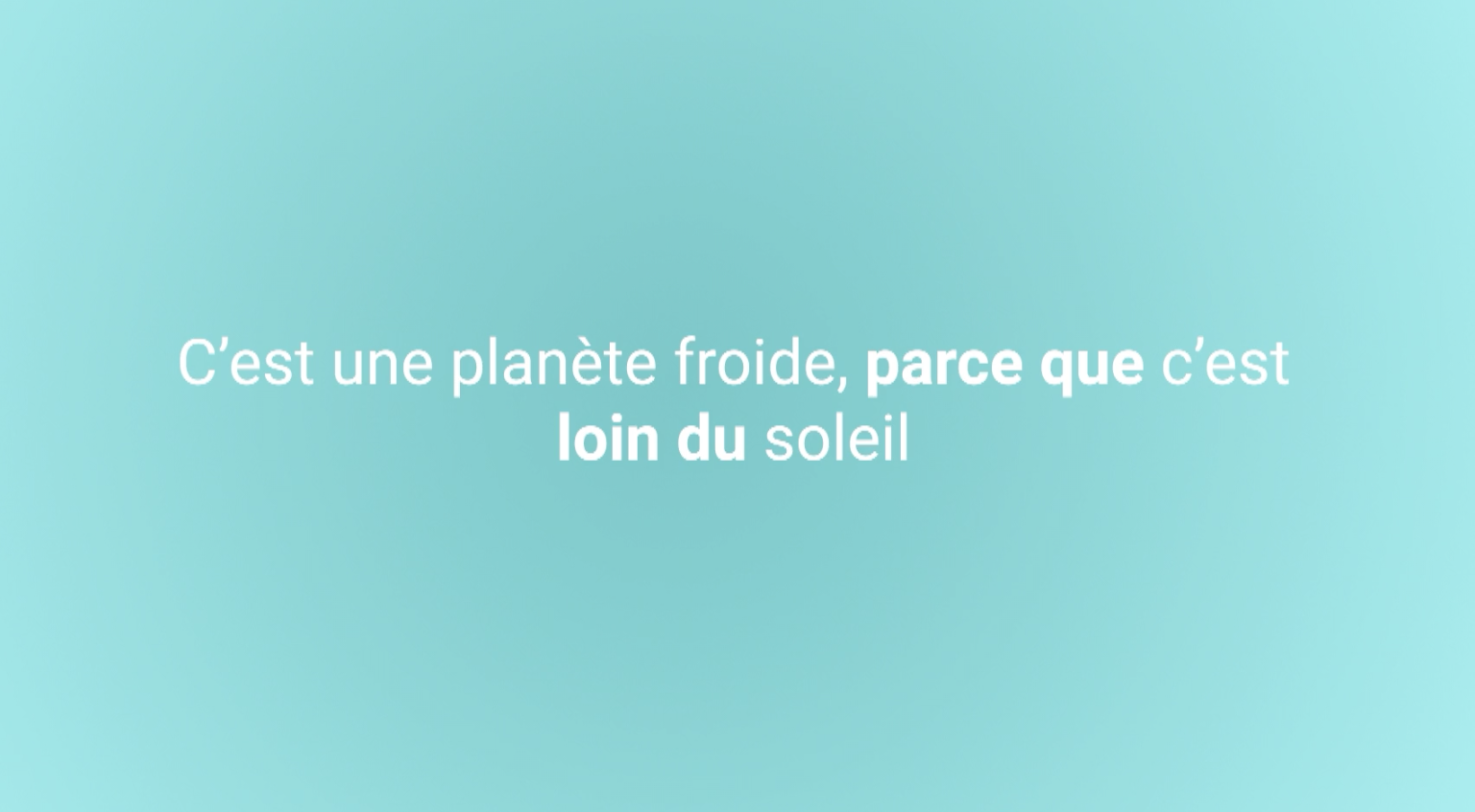
This French video introduces teachers to a lesson where pupils revisit descriptive and comparative structures but apply them in listening and reading contexts rather than speaking. The focus is on consolidating knowledge of plus que (more than) and introducing moins que (less than), alongside the new connective parce que (because).
Teacher video: Les planètes
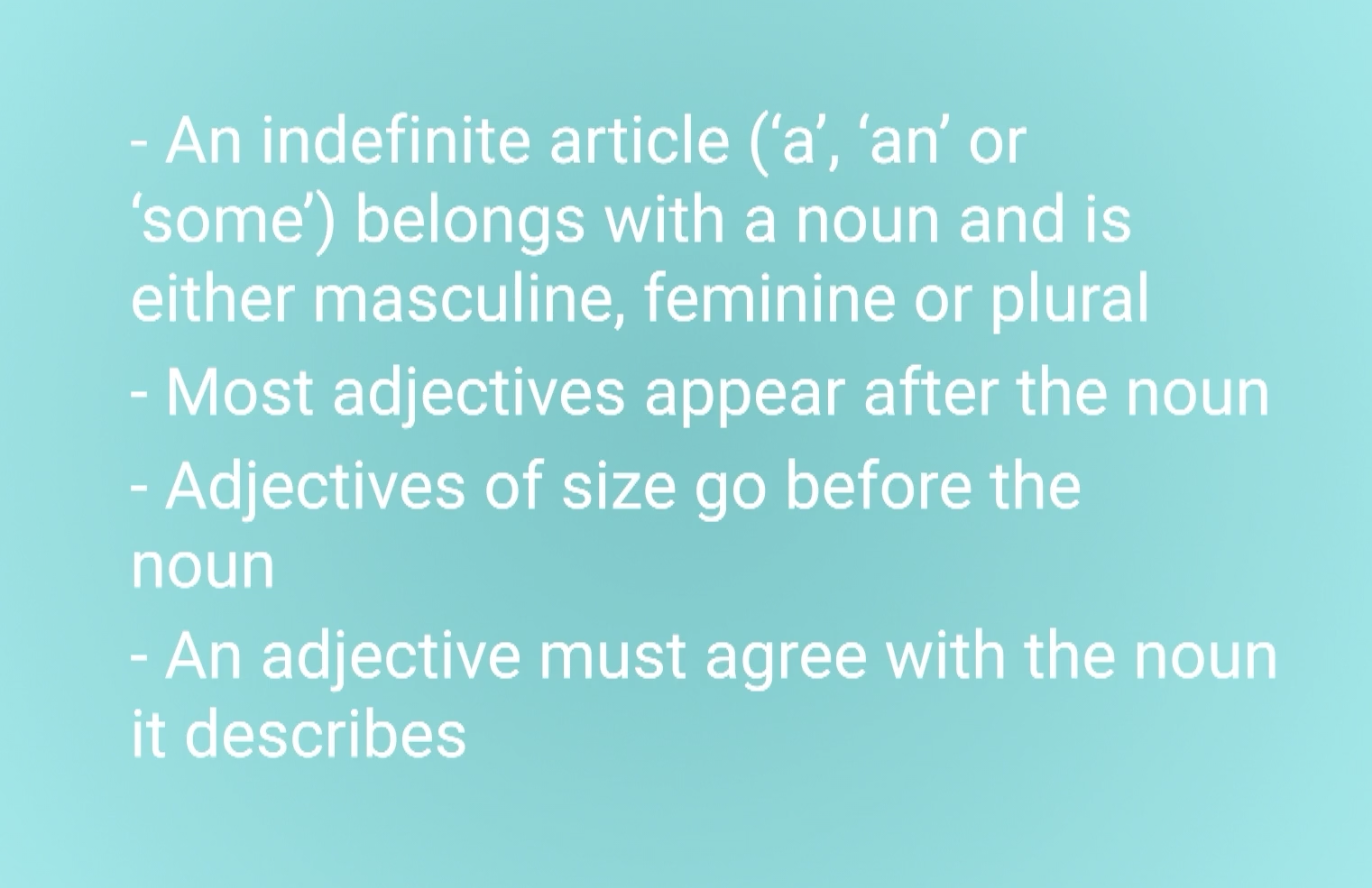
This French video introduces teachers to a lesson where children begin to explore comparison language, linking directly with their scientific knowledge of the solar system. The session builds on prior work with nouns, articles, and adjectives, focusing on how adjectives agree in gender and number.
Teacher video: Le Système solaire
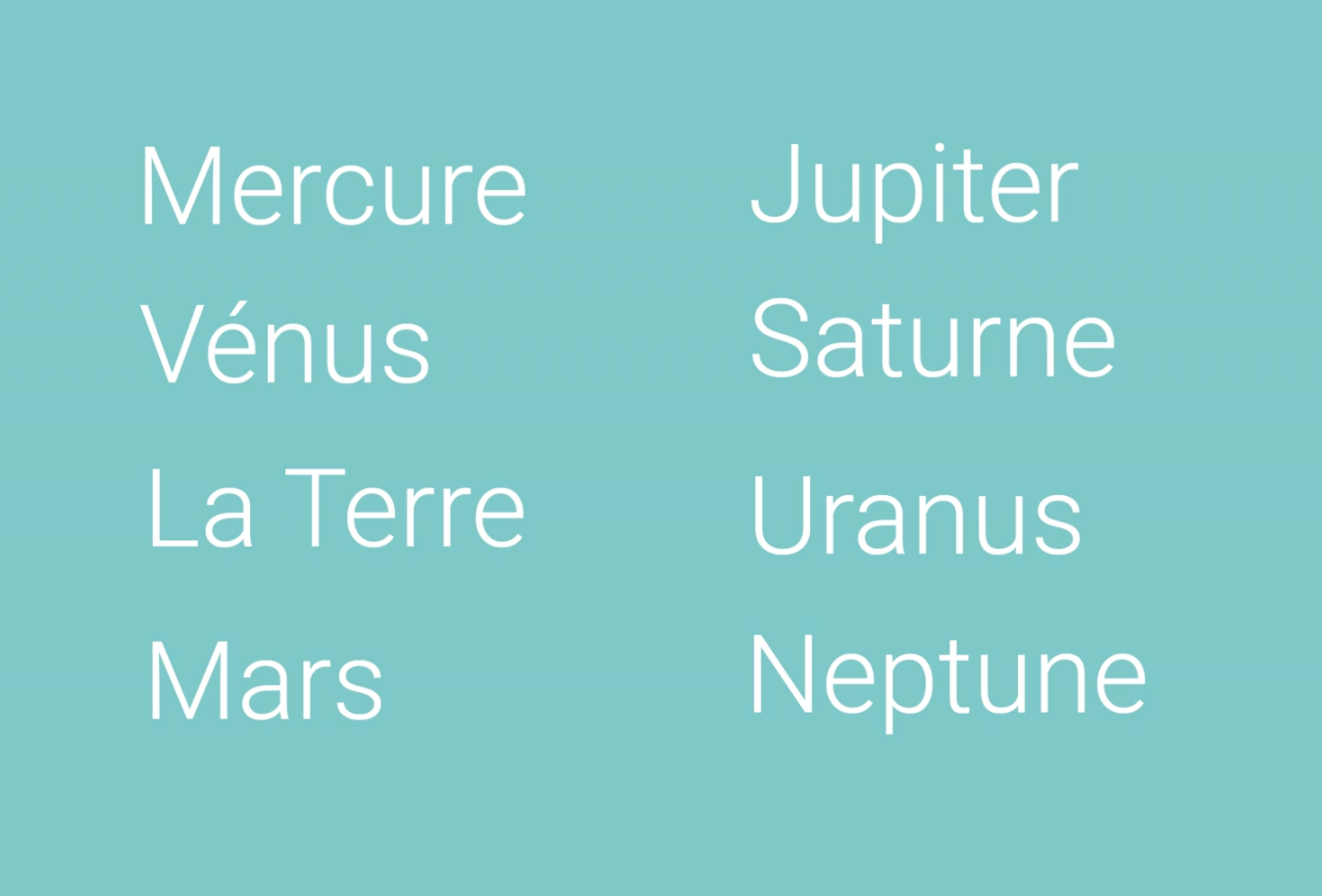
This French video introduces teachers to a lesson that links directly with science, using the theme of the solar system. The aim is to encourage children to use their language detective skills by predicting context and making connections with prior knowledge before working with longer texts.
Teacher video: How many? How much?
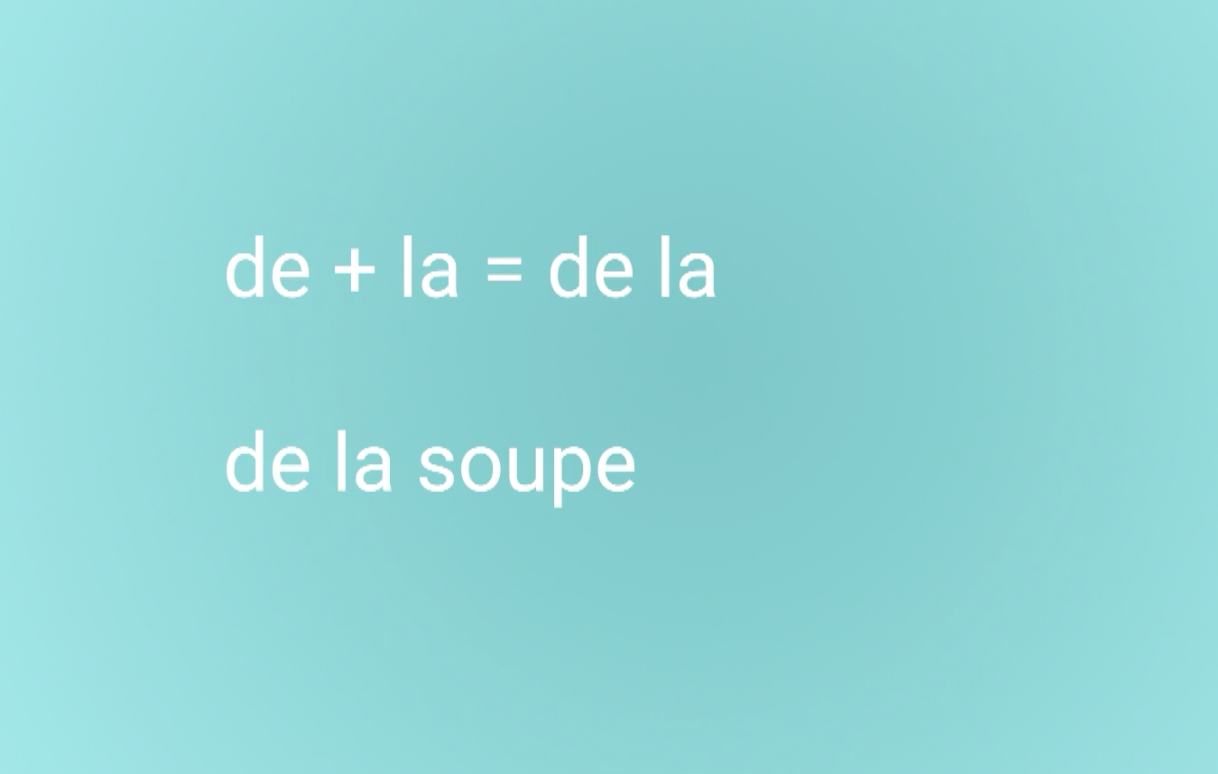
This French video introduces teachers to a lesson on quantity words and grammar, focusing on the different ways of saying some in French. Building on the previous story, children are encouraged to notice how phrases such as du poulet or de la soupe appear naturally in context before analysing how they work.
Teacher video: Beware the dragon!

This French video introduces teachers to the first unit of Year 5, focusing on developing pupils’ detective skills for tackling unknown vocabulary. Rather than translating word for word, children explore a non-fiction text, identifying features such as cognates, visual clues, and text type to help them infer meaning.
