Teacher video: Mixing vinegar and bicarbonate of soda

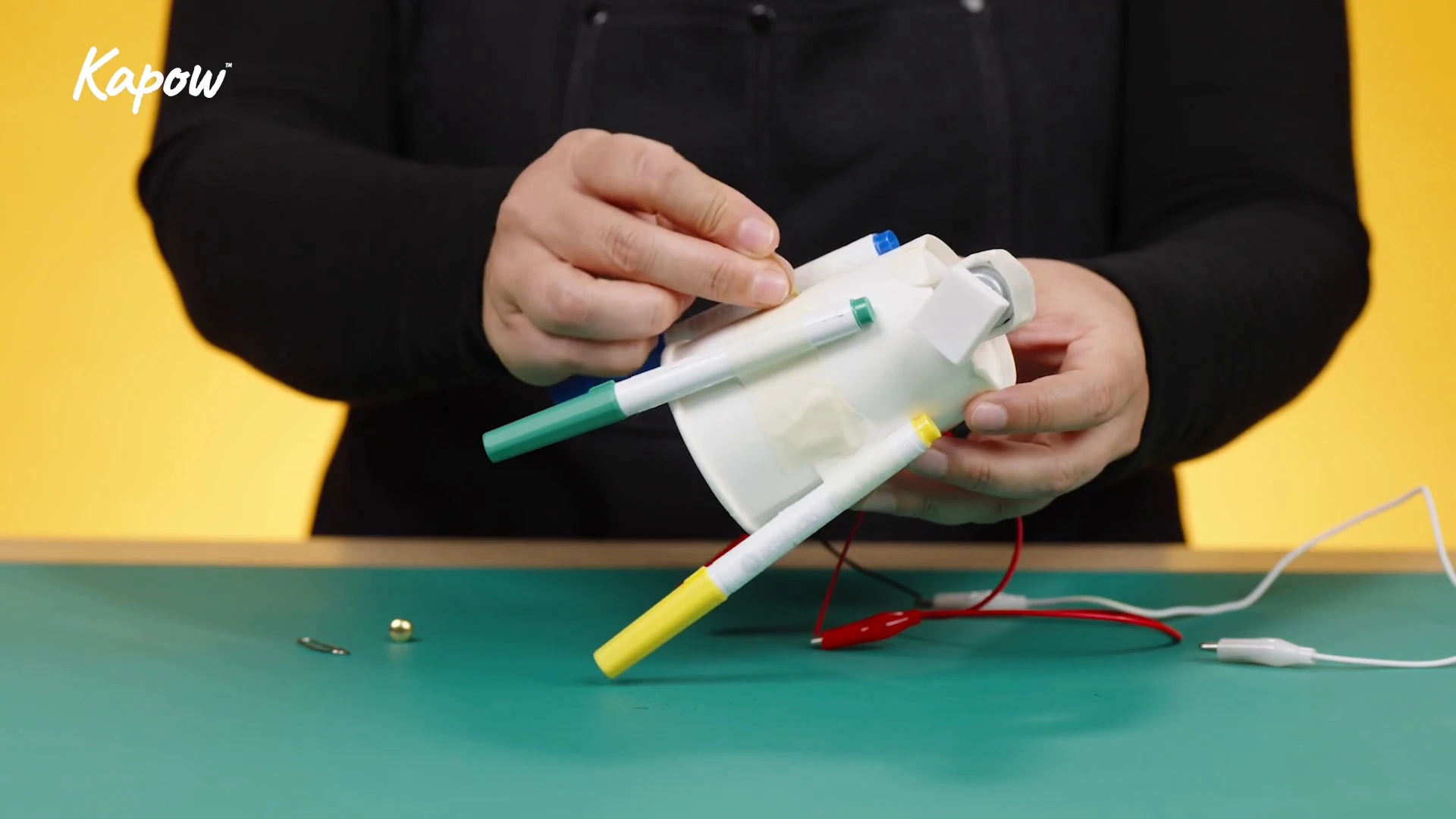
This Science video introduces teachers to an engaging investigation into irreversible changes, where pupils explore how combining vinegar and bicarbonate of soda produces carbon dioxide gas. In this lesson, pupils will investigate whether the quantity of vinegar affects the amount of gas produced.

Teacher video: Practical safety in the classroom: A guide to heating and burning activities

This Science video introduces teachers to key safety procedures for conducting heating and burning activities in the classroom. These investigations can be highly engaging, but safety must come first. Ensure at least two adults are present during the activity to supervise pupils.

Pupil video: Investigating burning

R&W: Curriculum guide for parents and carers — condensed

R&W: Curriculum guide for parents and carers — mixed-age (Cycle B)

Pupil video: Calculating the mean average song

Pupil video: The six wives

This Kapow pupil video is part of the Kapow History scheme of work. In this video, you will hear part of a rhyme about King Henry VIII and his six wives. The rhyme helps us remember what happened to each wife, from beheading to divorce, and the reasons why Henry married so many times.

This part of the rhyme tells how Henry lost his third wife, Jane Seymour, who gave him a son but died shortly afterwards. For the good of England, Henry married again, this time to Anne of Cleves. Although the marriage did not last and they divorced, Henry and Anne stayed good friends. This short verse is one piece of a bigger story about the Tudor king and his quest for an heir.

Teacher video: Tudor inventories

This History video introduces teachers to the use of Tudor inventories as a primary source for investigating people’s lives in the past. In Tudor times, an inventory was a list of a person’s possessions, sometimes including debts, created after their death to accompany their will. Inventories give historians valuable insight into the jobs, houses, and clothing of people from the period, and can reveal whether someone was rich, comfortably well off, or poor. In this lesson, pupils examine inventories from the Worcestershire archives, which have been transcribed and supported by a glossary for accessibility.

This video is part of Kapow Primary’s History scheme – Tudor. It supports teachers in guiding pupils through analysis of inventories, including those of Richard Lilly from Bromsgrove, who died in 1558, and Catalina of Almondsbury, a black woman living near Bristol. By comparing possessions, pupils infer wealth and occupation, learning that Richard was comfortably well off, possibly trading containers and brewing beer, while Catalina’s possessions, such as decorative tablecloths, pewter candlesticks, and a cow, show she made a living producing butter. The lesson concludes with pupils creating a fictional inventory for John Blank, a black trumpeter at Henry VIII’s court, using historical evidence and prior knowledge of Tudor possessions to make realistic interpretations.

Teacher video: Extracting evidence from Tudor portraits

This History video introduces teachers to the use of Tudor portraits as primary sources for investigating the past. It sets the scene with the end of the Wars of the Roses, when Henry VII became king and reunited the rival York and Lancaster factions. Establishing peace was his biggest challenge, and the new Tudor dynasty sought to demonstrate its authority at home and abroad. Portraits became a tool of propaganda, used by Henry VIII and later Elizabeth I to reinforce the strength of the monarchy and project an image of total authority.

This video is part of Kapow Primary’s History scheme – Tudor. It supports teachers in helping pupils evaluate Henry VIII’s rule through both portraits and written descriptions. The video explains how to analyse portraits using guiding questions, with the famous Hans Holbein painting showing Henry’s wealth, power, and warrior image, contrasted with an anonymous engraving of an older Henry that portrays a less authoritative figure. Pupils will compare these sources, identify how different artistic choices shape our view of Henry VIII, and decide whether he was a fair ruler or a tyrant, justifying their interpretations with evidence.

Please don’t screenshot or copy images from this page.
Kapow Primary resources are created by teachers and protected by copyright. Copying images or slides into your own presentations (for example using the Snipping Tool) counts as reproducing the resource and isn’t permitted under the Kapow licence.
This resource is being accessed through your school’s Kapow licence.
Thank you for respecting the work of the teachers who create these materials.