This History video introduces teachers to the key concept of migration and provides the background knowledge needed to support pupils in exploring why people move and how this has shaped Britain. It explains different types of migration – voluntary and forced, internal and international – and highlights both historical and contemporary reasons people migrate, including work, study, family ties, and escaping conflict or climate change. The video outlines examples such as the Beaker people, the Romans, the Irish, and twentieth-century arrivals from the Caribbean and Asia, encouraging a nuanced understanding of how migration has contributed to the development of Britain.
This video is part of Kapow Primary’s History scheme – migration. It supports teachers in preparing to teach sensitive and sometimes controversial topics. It includes guidance on how to handle classroom discussions respectfully, address stereotypes, and introduce the concept of bias in sources. Teachers are encouraged to use archaeological evidence, such as the Jorvik finds, to challenge outdated views – like those about the Vikings – and foster a deeper understanding of migration as a vital and enriching part of Britain’s history.
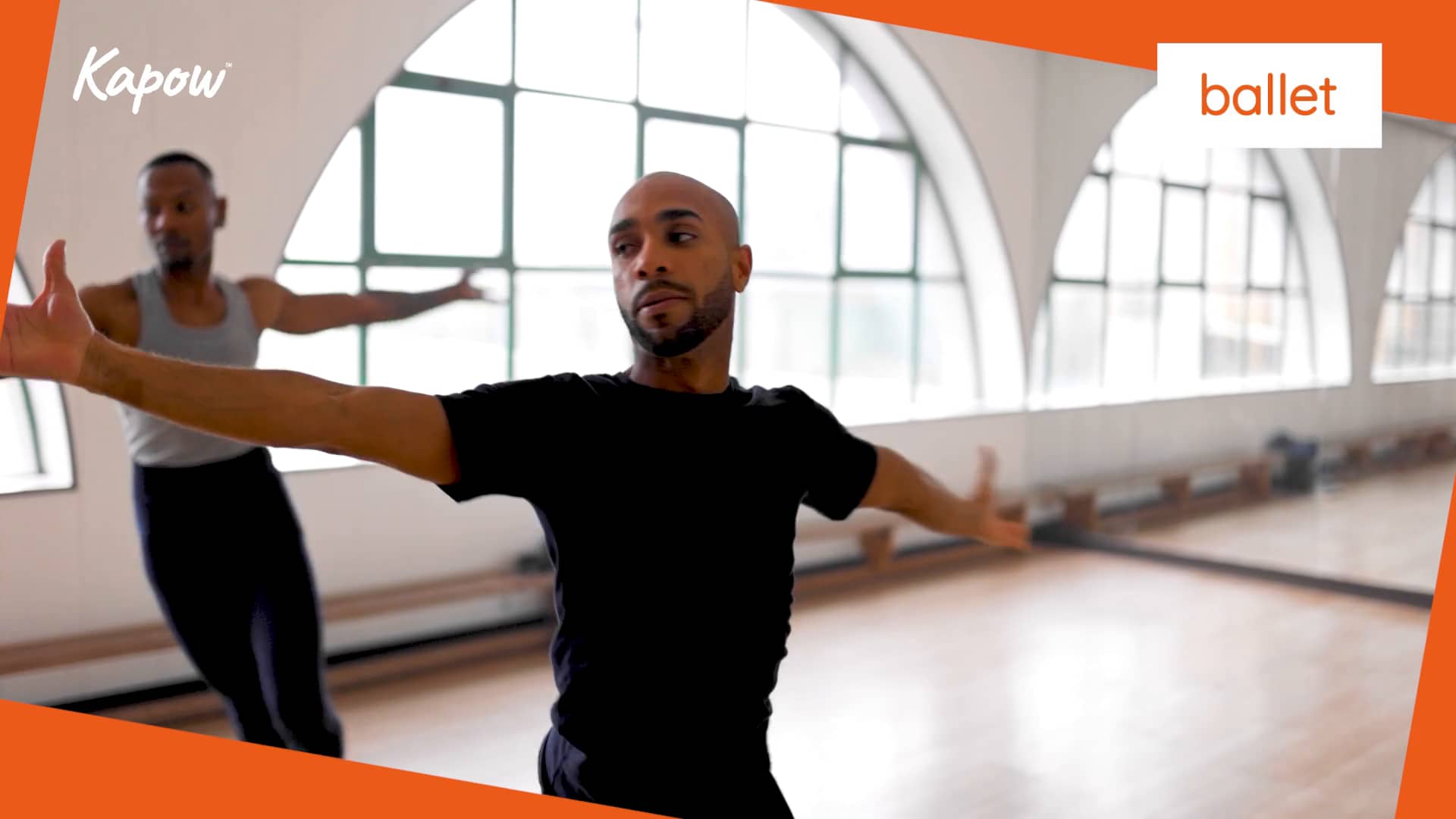
A short video of athletes in action to support pupils with drawing dynamic body positions.
This History video introduces Key stage 2 pupils to how Viking trade worked, showing the goods they exchanged, the long-distance routes they used, and how trading helped them grow in wealth, knowledge and connections across different parts of the world.
This Kapow Primary History video introduces the children to the purpose and development of the census, showing how civilisations from ancient Rome, Egypt and China to modern Britain have used population records to understand people and places and how these sources help historians learn about the past.
This Kapow Primary History video introduces the children to the 1911 Census boycott, explaining how suffragists and suffragettes used the slogan “no vote, no census” to protest injustice and showing how their actions contributed to the long campaign that eventually secured voting rights for all women.
This Kapow Primary History video introduces the children to the 1921 Census, showing how its unusual timing, new questions and post-war context provide a unique snapshot of life in 1920s Britain and help historians investigate the experiences of everyday people.
This History video supports teachers in introducing the use of census records as primary sources to Key stage 2 pupils, showing how census data from 1841 to 1921 can be accessed and interpreted to investigate local history and trace changes in occupation, population, housing and migration over time.
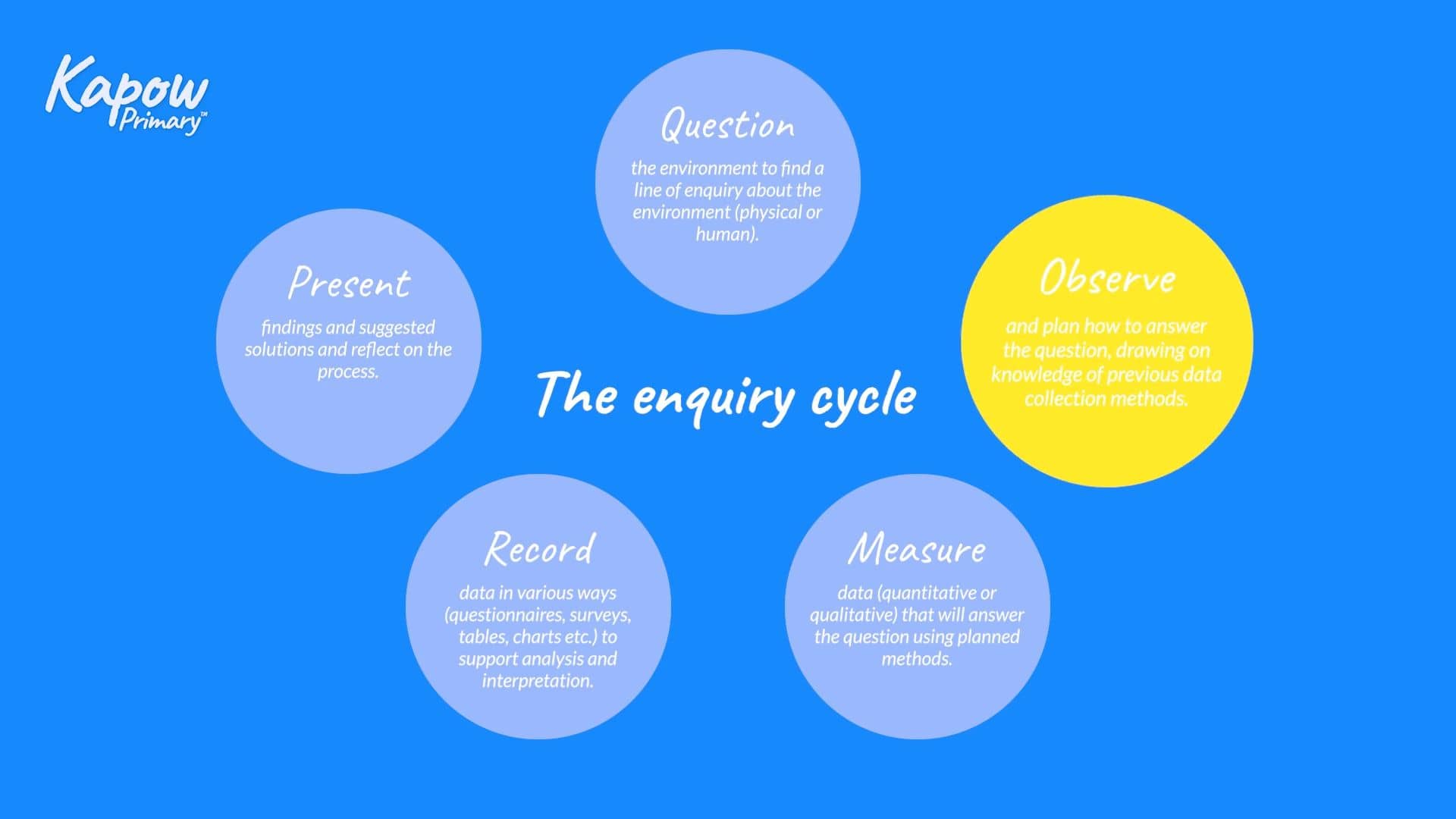
This Geography video supports teachers in leading fieldwork on how population levels affect the local environment, guiding data collection, mapping and report writing to build confidence in meaningful geographical enquiry.
This History video teachers are supported in introducing Key stage 2 pupils to Tudor royal progresses, showing how monarchs like Henry VII, Henry VIII and Elizabeth I used these tours to secure loyalty, demonstrate power and escape the unhealthy conditions of London.