


EEF Guide to Inclusive Teaching in Primary Schools
Written by Kapow Primary team
Published on 19th August 2026
Last Updated: 26th August 2026
Written by Kapow Primary team
Published on 19th August 2026
Last Updated: 26th August 2026
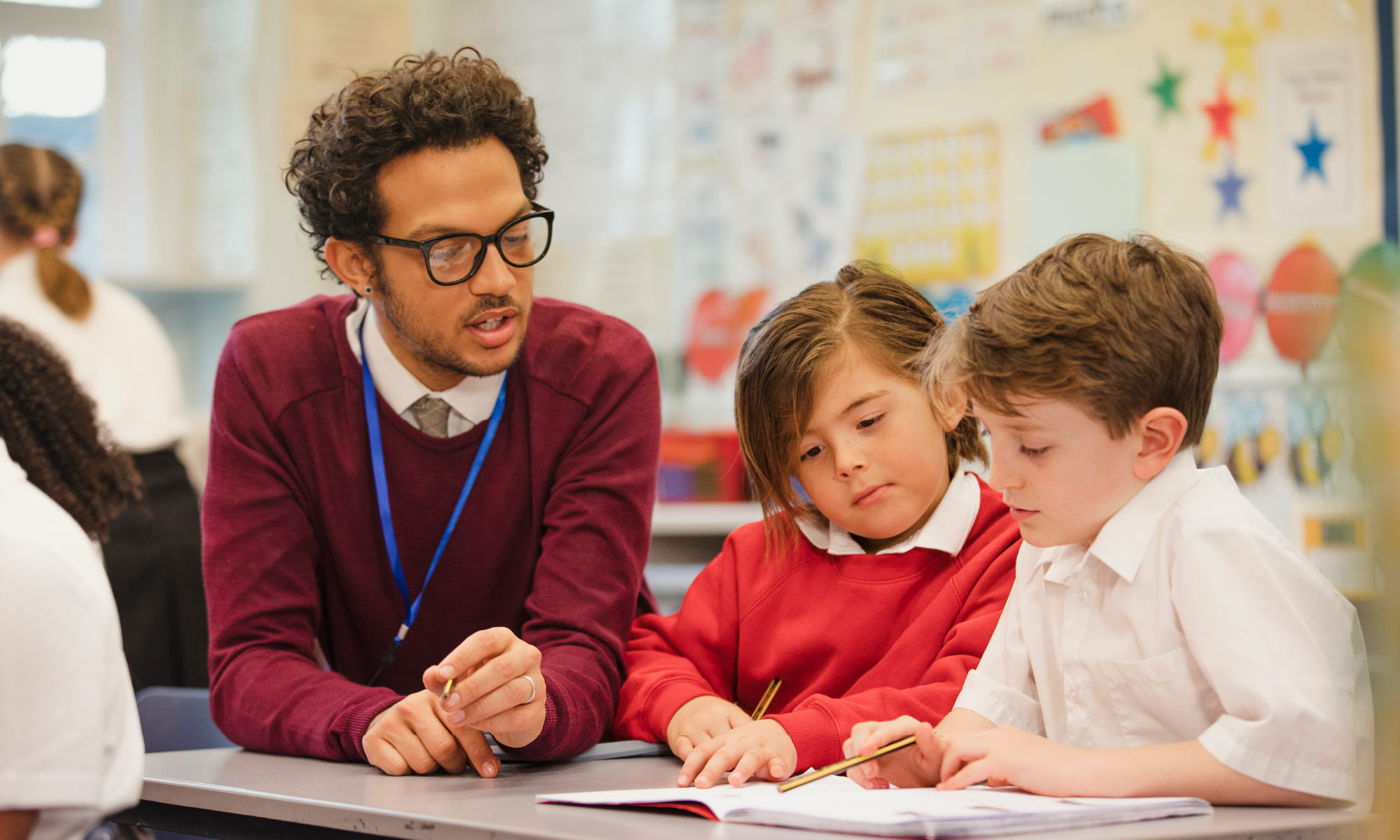
The Education Endowment Foundation’s (EEF) Guide to Inclusive Teaching, published in July 2026, brings together the latest evidence on how mainstream schools can make teaching more accessible and effective for every child. In this article, we explain the EEF guide to inclusive teaching in primary schools, its key recommendations and what it means for primary schools.
At the heart of the guidance is a simple yet important message: inclusive teaching is good teaching for all. When high-quality teaching is designed to work well for all pupils, more children can participate and succeed, and fewer need additional support.
Below you will find:
The EEF guide encourages primary schools to:
These recommendations are brought together in the EEF inclusive teaching model.
The guide introduces a practical two-part model for inclusive teaching.
The first part focuses on universal teaching approaches. These are the evidence-based inclusive classroom strategies that benefit all pupils and are especially important for those with additional needs. These include:
The second part focuses on the purposeful adaptations and additional support that some pupils may need. This includes adaptive teaching within the classroom, alongside targeted interventions, the effective deployment of teaching assistants and the thoughtful use of technology.
This distinction helps clarify the relationship between inclusive teaching and adaptive teaching. Inclusive teaching is the overall approach to designing learning so that it works well for as many pupils as possible from the outset. Adaptive teaching is one element of this approach, enabling teachers to make purposeful adjustments in response to individual pupils’ needs while maintaining the same ambitious learning goals. In this model, adaptive teaching is one way of putting inclusive teaching into practice.
Video: What is adaptive teaching?
For primary school leaders, the EEF Guide to Inclusive Teaching is a reminder that inclusion is a whole-school responsibility, not just a SEND priority. It encourages schools to focus first on strengthening high-quality teaching for all pupils, before considering the additional support some pupils may need. This has implications for curriculum design, professional development, coaching and quality assurance. It also highlights the importance of developing a shared understanding of what inclusive teaching looks like across every classroom.
The guidance is accompanied by practical training resources to help schools develop and embed inclusive teaching.
Perhaps the clearest message from the EEF guide is that inclusion is not something we can add-on after planning a lesson. It begins with designing lessons that reduce unnecessary barriers while maintaining high expectations so that more pupils can participate, succeed and feel that they belong.
That’s also the thinking behind Kapow’s Inclusive by Design approach.
We start by making learning as accessible as possible through curriculum and instructional design that anticipates likely barriers and misconceptions from the outset. Lessons are carefully sequenced to build understanding and include explicit instruction, purposeful modelling, vocabulary support, scaffolding and regular formative assessment. Multimedia resources, including videos, visuals and audio, are designed to reduce cognitive load, support children’s working memory and bring learning to life.
Every lesson plan includes adaptive teaching guidance and resources to help teachers make purposeful adaptations in response to specific pupil needs. The aim is to provide the right support at the right time, gradually removing scaffolds so that pupils can work towards the same ambitious learning goals wherever possible.
To support schools in putting these principles into practice, we’ve created a series of free professional development resources explaining our approach to inclusive design, accessible media and adaptive teaching.
One of the most resonant messages in the guide is that adaptations are not automatically effective simply because they have been made.
Effective adaptations:
The guidance also highlights practices that are less effective. These include adaptations that:
Watch our adaptive teaching at Kapow video to see what this looks like in practice and explore evidence-informed strategies to support learners.
Video: What does adaptive teaching look like at Kapow?
The report also challenges five common misconceptions that can make inclusive teaching feel more complicated than it needs to be. These are:
Instead, the EEF asks schools to reframe their thinking. Rather than asking what additional or different provision is needed for pupils with additional needs, schools should consider which aspects of high-quality provision benefit all pupils but are especially important for those with additional needs. As both the EEF and National Association for Special Education Needs (nasen) point out, inclusive teaching strategies that are essential for pupils with additional needs are beneficial for all pupils.
Clear explanations, well-sequenced learning, purposeful modelling, carefully chosen visuals and opportunities to revisit learning make lessons more accessible for everyone.
It can be tempting to assume that more adaptations lead to better outcomes, but the evidence suggests otherwise. What matters is not the number of adaptations, but whether they have a clear purpose and genuinely help pupils access the intended learning. Poorly chosen adaptations can increase cognitive load, reduce challenge or create unnecessary dependence.
Targeted interventions can make a real difference, but they cannot replace high-quality classroom teaching. The EEF highlights that inclusive teaching should come first. When lessons are designed so that more pupils can take part and succeed, fewer need additional support. Interventions are then better able to build on classroom learning, rather than catch pupils up.
A diagnosis can provide useful information, but it does not tell us everything about how a child learns. Every pupil is different, even if they share the same diagnosis. Effective teaching starts with getting to know the individual, recognising their strengths and barriers, and using ongoing assessment to adapt support as their needs change.
Specialist knowledge is valuable, and many teachers continue to develop it throughout their careers. But inclusive teaching does not begin with becoming a SEND expert. It begins with using effective teaching strategies that help all pupils learn, and adapting them thoughtfully to meet individual needs.
The EEF’s July 2026 Guide reinforces that inclusive teaching begins with consistently strong classroom practice, with adaptive teaching providing the purposeful adjustments that help individual pupils access that learning when needed. It provides schools with a practical framework for strengthening inclusive teaching. Its message is both reassuring and challenging: inclusive teaching is not a separate initiative, but an integral part of high-quality teaching.
By embedding these principles into curriculum design, professional development and everyday classroom practice, primary schools can create learning environments where more pupils can participate, learn and succeed.
The main message is that inclusive teaching is not a separate project or an add-on for pupils with extra needs. It is strong teaching planned from the start to help as many pupils as possible take part, learn and do well. The guide asks schools to strengthen everyday classroom practice first, then use careful changes and targeted support where needed.
Inclusive teaching is the wider approach: designing curriculum, lessons and classroom routines so learning is open to as many pupils as possible from the start. Adaptive teaching sits within this approach. It means making careful changes in response to individual pupils’ needs while keeping the same high goals wherever possible.
The EEF says strong classroom teaching should come first because it helps all pupils and can reduce the need for extra support. Targeted interventions can be valuable, but they work best when they build on what pupils are learning in class rather than act as a substitute for high-quality teaching.
Effective adaptations are purposeful, task-specific and guided by regular checks. They help pupils reach the intended learning without lowering expectations. They may be small, such as pre-teaching key words or giving quick corrective feedback, and should be removed when they are no longer needed so that pupils build more independence.
It means inclusion should be treated as a whole-school duty, not only a SEND priority. Leaders need to support inclusive teaching through curriculum design, staff training, coaching and quality checks, so staff share a clear idea of what inclusive practice looks like in every classroom.
