




Learning objective
- To research and identify the gender of nouns in Spanish.
Success criteria
- I can use a bilingual dictionary to find

This content is for subscribers only. Join for access today.
National curriculum
Languages
Pupils should be taught to:
- Broaden
This content is for subscribers only. Join for access today.
Cross-curricular links
This content is for subscribers only. Join for access today.
Before the lesson
This content is for subscribers only. Join for access today.
Lesson plan
Recap and recall
Before starting this unit, you might want to check the children can recall: That the article un means ‘a’ or ‘an’ for some nouns (un círculo – a circle, un elefante – an elephant). Pronunciation of the Spanish vowel sounds a, e, o and i. Use the Pupil phonics videos as a reminder if needed.
This content is for subscribers only. Join for access today.
Extended-mode explainer videos
How to extend your display to view the lesson page and presentation mode simultaneously. Choose your operating system below to watch the video
If you need further support with extending your display,
please contact [email protected].
Extended-mode explainer video: For Mac
Extended-mode explainer video: For Windows
Adaptive teaching
Pupils needing extra support
Could have the fruits labelled in a home language as well as English to assist with spelling; could use the Resource: Dictionary sample instead of a dictionary to limit the number of items to scan.
Pupils working at greater depth
Should suggest strategies for identifying the gender of a new noun in Spanish; could use the dictionary to research and write new nouns of their own choice, including the correct article according to gender.
This content is for subscribers only. Join for access today.
Assessing progress and understanding
Pupils with secure understanding indicated by: using a dictionary or word bank
This content is for subscribers only. Join for access today.
Vocabulary
-
un/una (masc/fem)
a, an
This content is for subscribers only. Join for access today.
In this unit

Maintained by: Kapow Primary team
Last update: 30th January, 2026
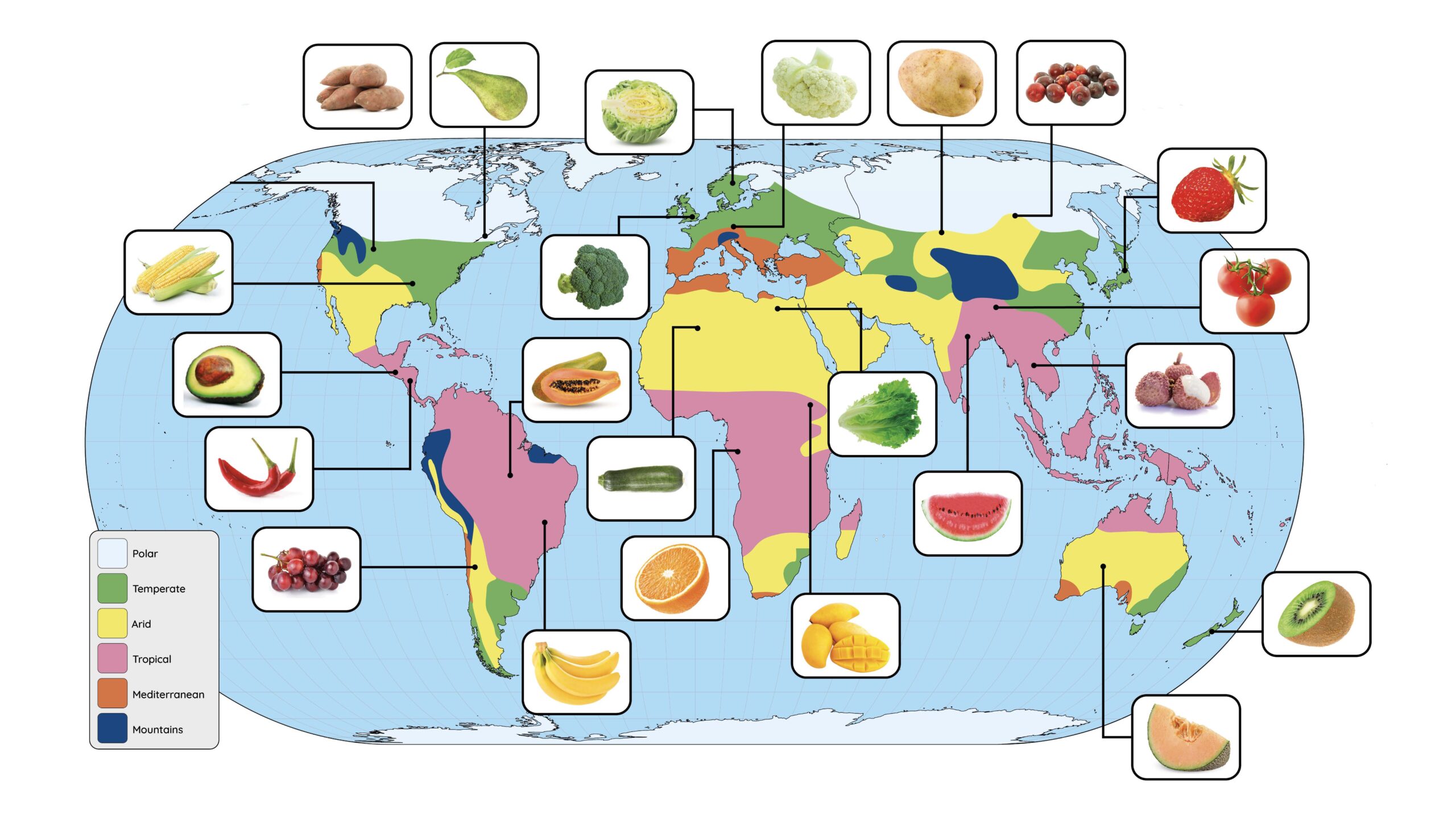
Lesson 1: Food around the world
Recognising that different foods grow in different climates.

Y3/4 (A): Lesson 1: My healthy diary
Understanding and planning for a healthy lifestyle, including physical activity, rest and diet.
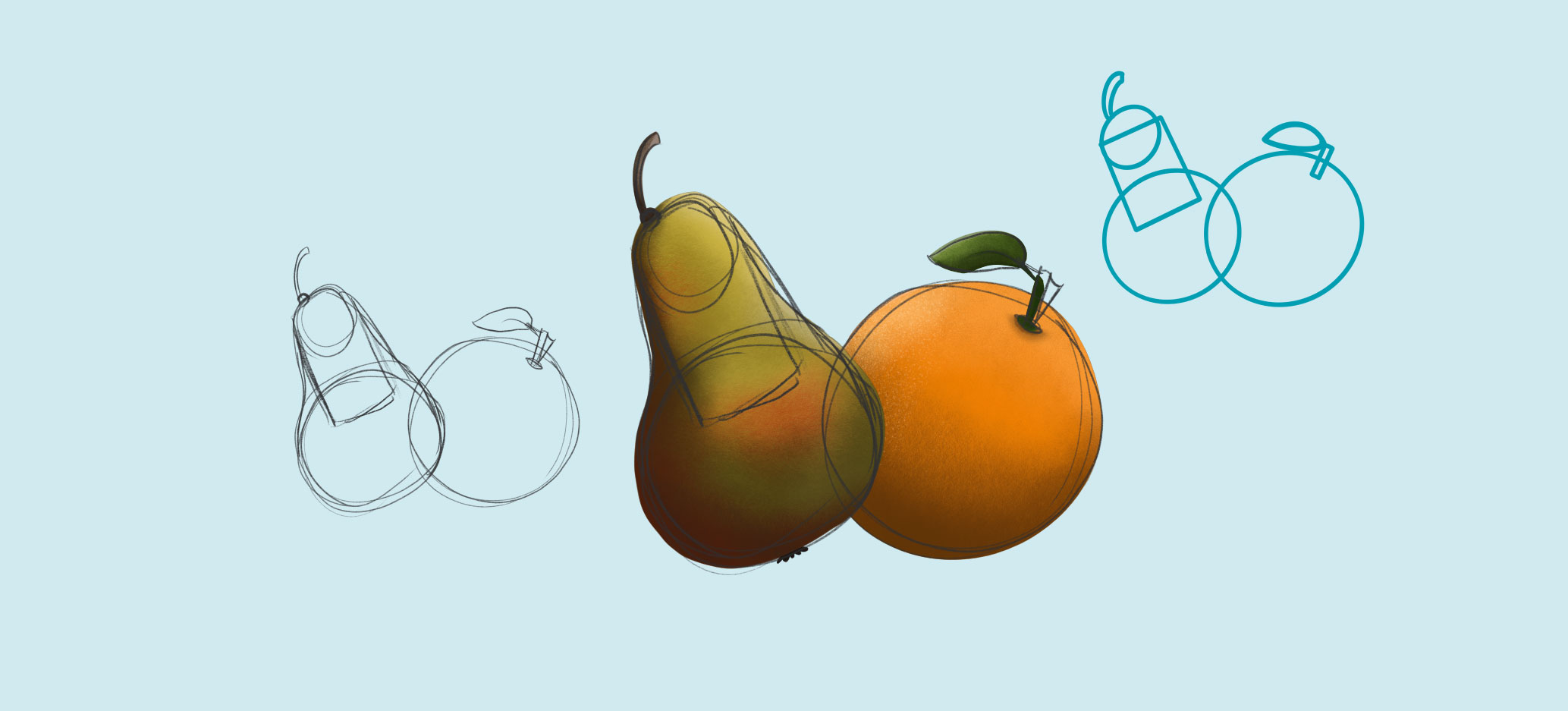
Lesson 1: See like an artist
Understanding how to use simple shapes to draw objects and developing observation skills.
