

Teaching resource: Knowledge organiser
Knowledge organiser – History – How did the Maya civilisation compare to the Anglo-Saxons?
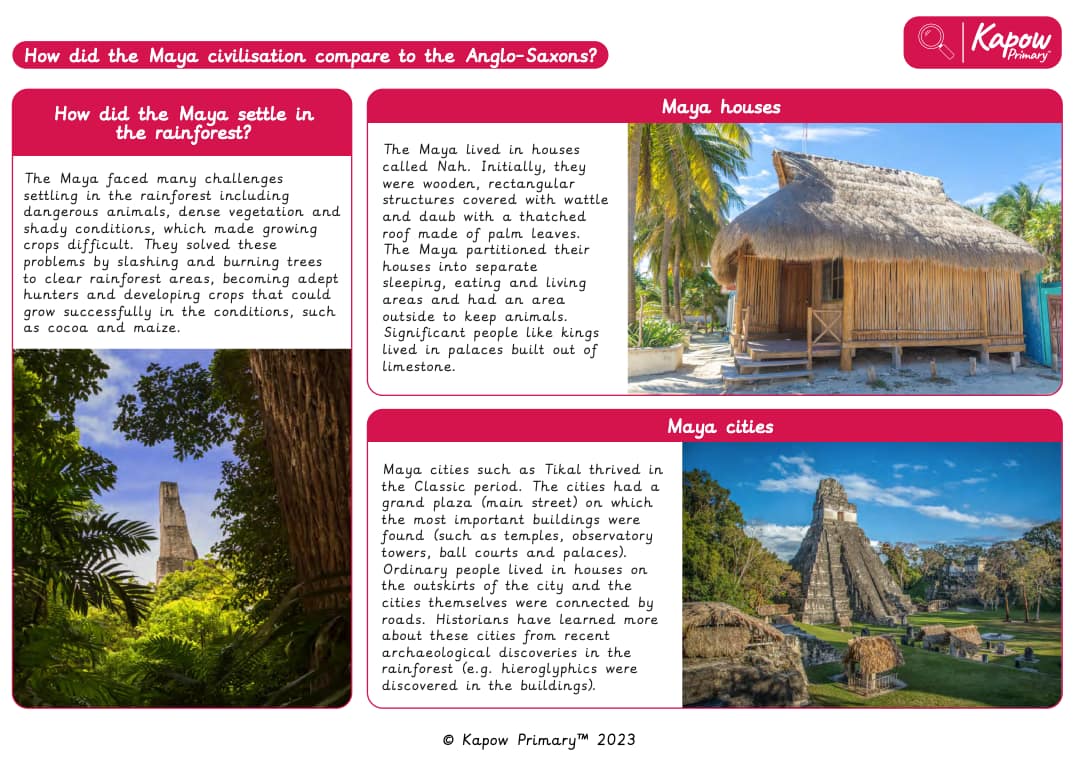
A Knowledge Organiser that captures the essential knowledge and skills learnt throughout the unit Archived – History, Year 4, How did the Maya civilisation compare to the Anglo-Saxons?
This resource is designed to support pupils as they explore how the Maya civilisation developed and how it contrasted with Anglo-Saxon life. It introduces the challenges the Maya faced in settling the rainforest and the innovative solutions they used—such as slash-and-burn farming and crop adaptation. Pupils learn about Maya architecture, including the structure of houses and cities like Tikal, and how these were uncovered through archaeological discoveries. A clear timeline places the Maya periods alongside the Anglo-Saxon era, while key terms such as city-state, hieroglyphics, and creation story support historical literacy. This unit provides rich opportunities for comparative thinking and cultural understanding.
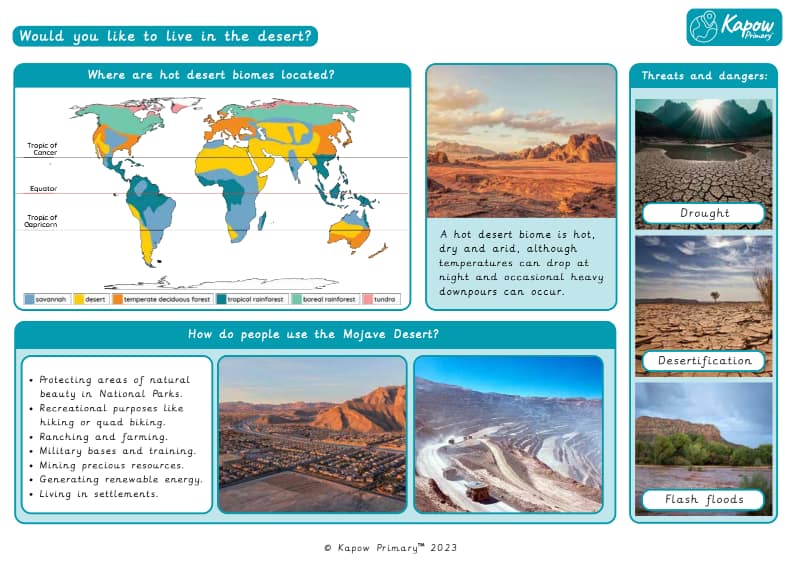
Knowledge organiser: Geography – Y5 Would you like to live in the desert?
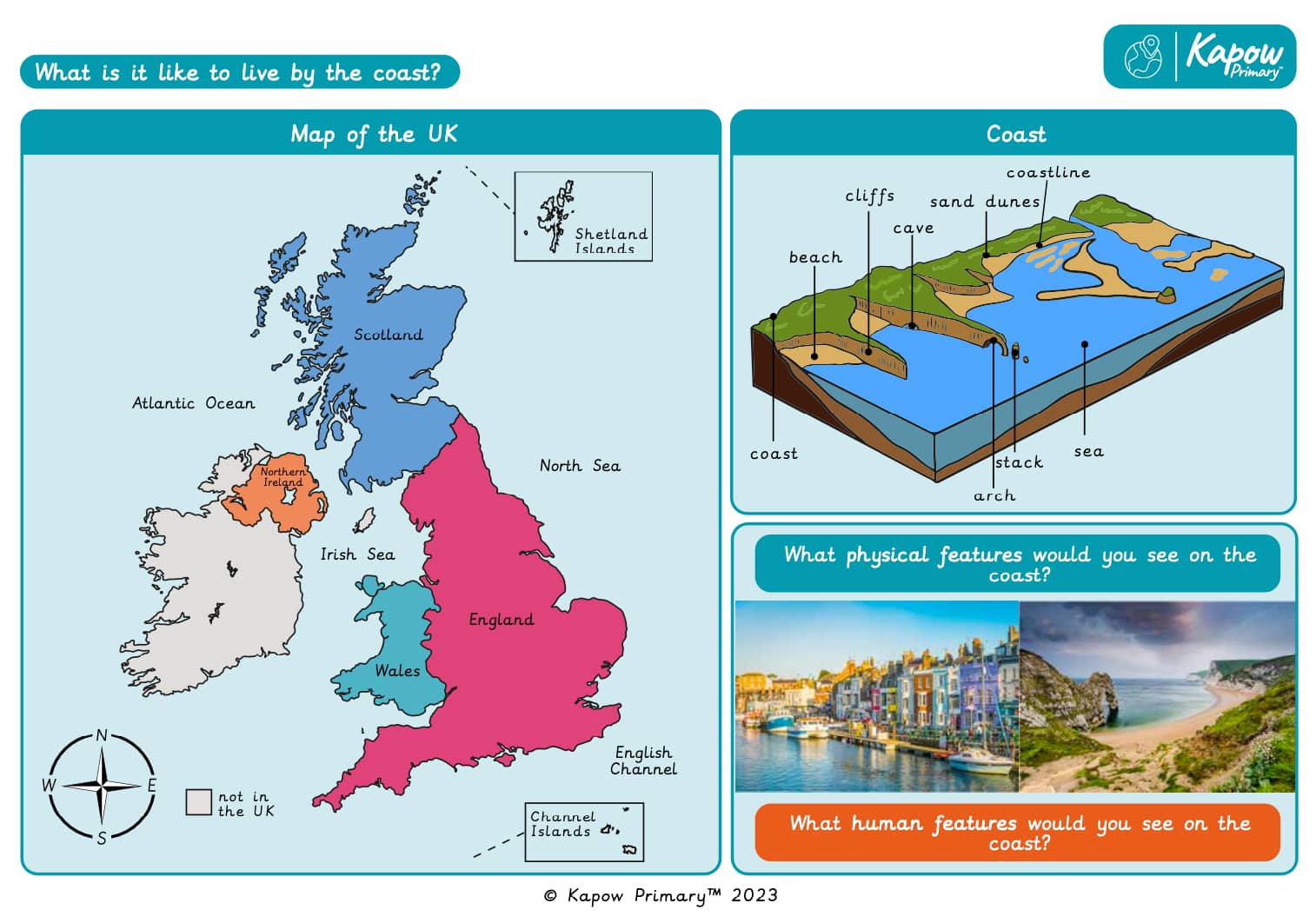
Knowledge organiser: Geography – Y2 What is it like to live by the coast?
Knowledge organiser – History Y1: How have explorers changed the world?
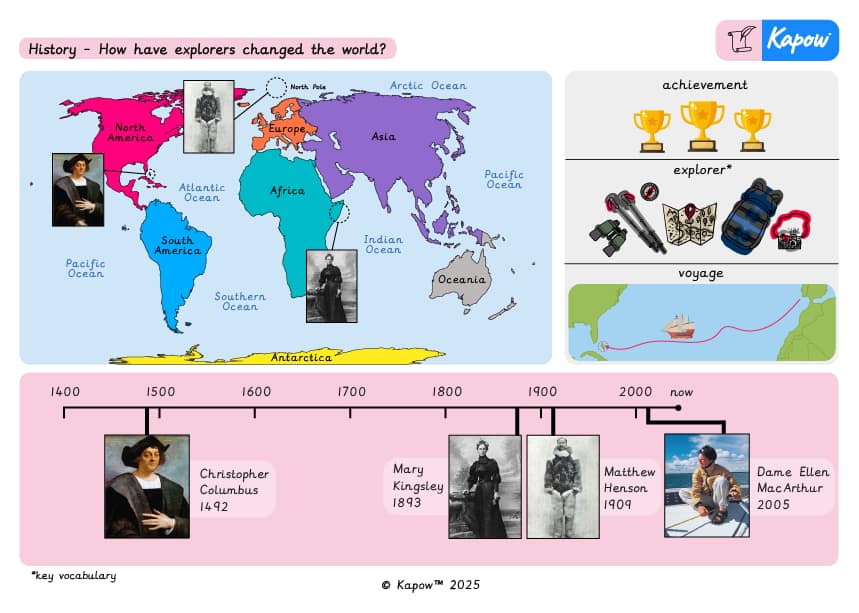
A Knowledge organiser that captures the essential knowledge and skills learnt throughout the Year 1 unit History, Y1, How have explorers changed the world?
This History resource is designed to support children as they discover explorers from the past and present. It contains a timeline showing key dates for significant explorers, a map of the world showing where explorers travelled and illustrates the unit’s key vocabulary.
Knowledge organiser – History Y3: What did the ancient Egyptians believe?
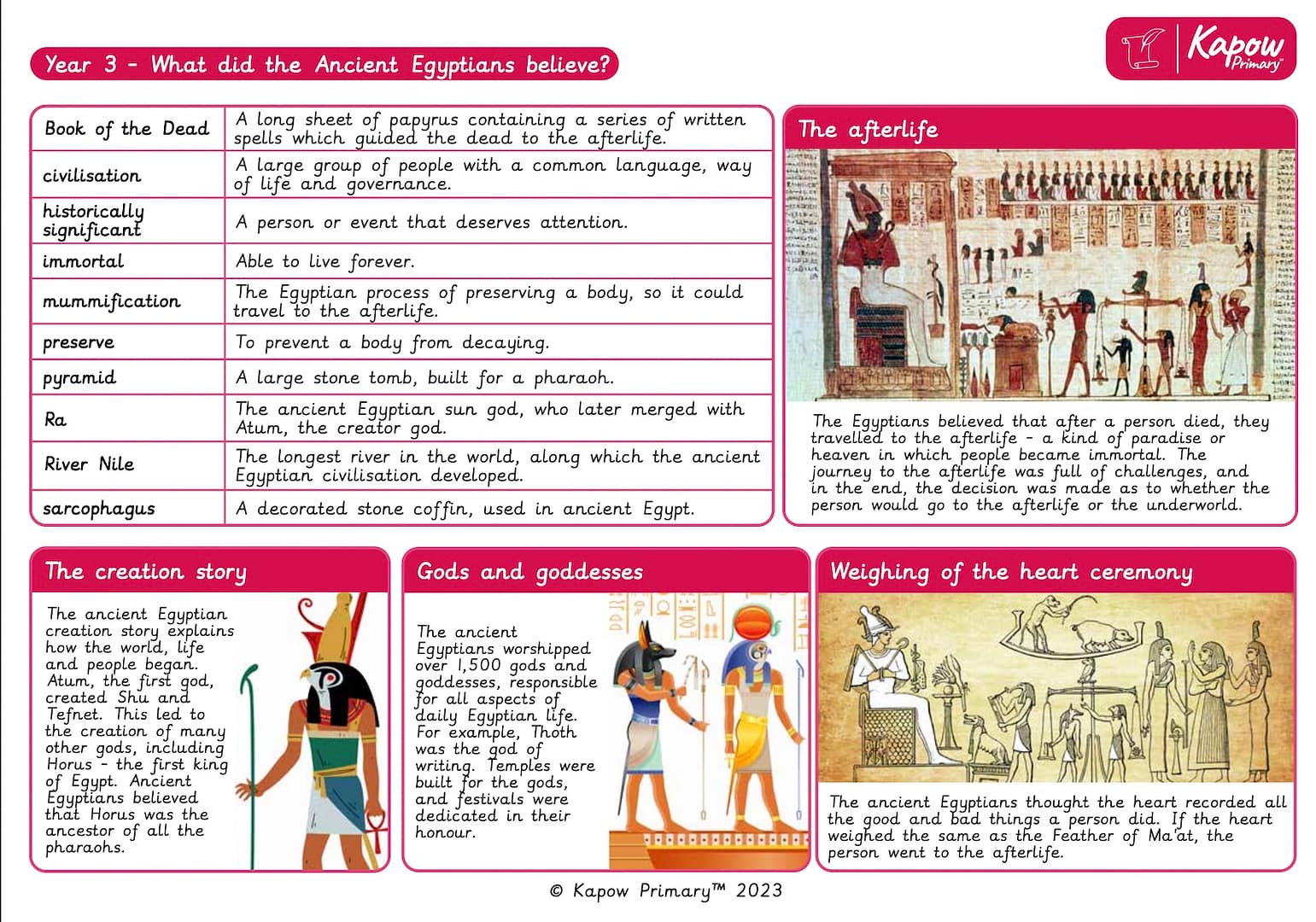
A Knowledge organiser that captures the essential knowledge and skills learnt throughout the unit Archived Unit – History, What did the ancient Egyptians believe?
This resource is designed to support pupils as they investigate the beliefs and rituals of ancient Egyptian civilisation. It introduces key concepts such as mummification, the journey to the afterlife, and the symbolic “Weighing of the heart” ceremony. The unit highlights significant religious figures and practices, the importance of gods and goddesses, and vocabulary such as “Ra”, “Book of the Dead”, and “sarcophagus”. A timeline spanning over three millennia offers historical context, helping pupils understand the development of one of the world’s earliest civilisations. This unit is ideal for developing historical awareness and cultural literacy.
Knowledge organiser – Science Y1: Seasonal changes
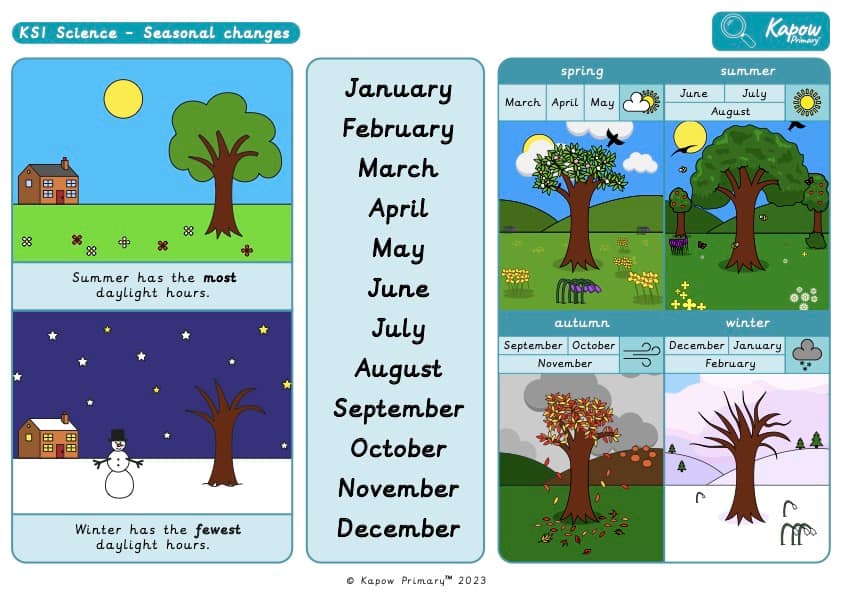
A Knowledge organiser that captures the essential knowledge and skills learnt throughout the mixed-age unit Science, Year 1, Forces and space: Seasonal changes.
This resource is designed to support the children as they explore seasonal changes throughout the year. It highlights key vocabulary and concepts, including the four seasons (spring, summer, autumn, and winter) and how daylight hours vary across them. The resource helps the children understand the sequence of months and how weather and natural environments change with the seasons. It is perfect for consolidating essential knowledge and fostering an early understanding of time, weather patterns and seasonal cycles.