


year: Year 5
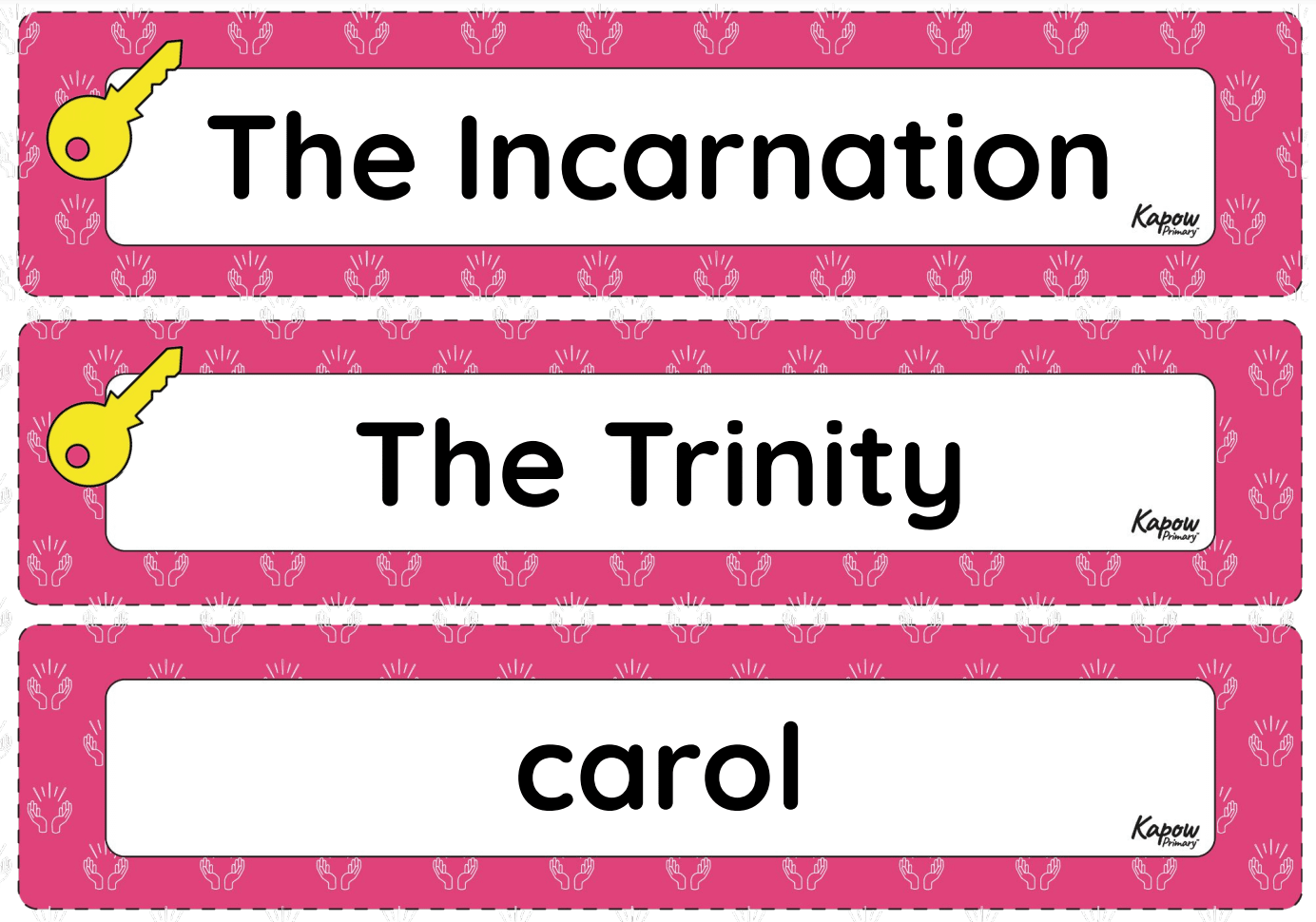
Vocabulary display – R&W Y5: What happens when we die? (Part 1)
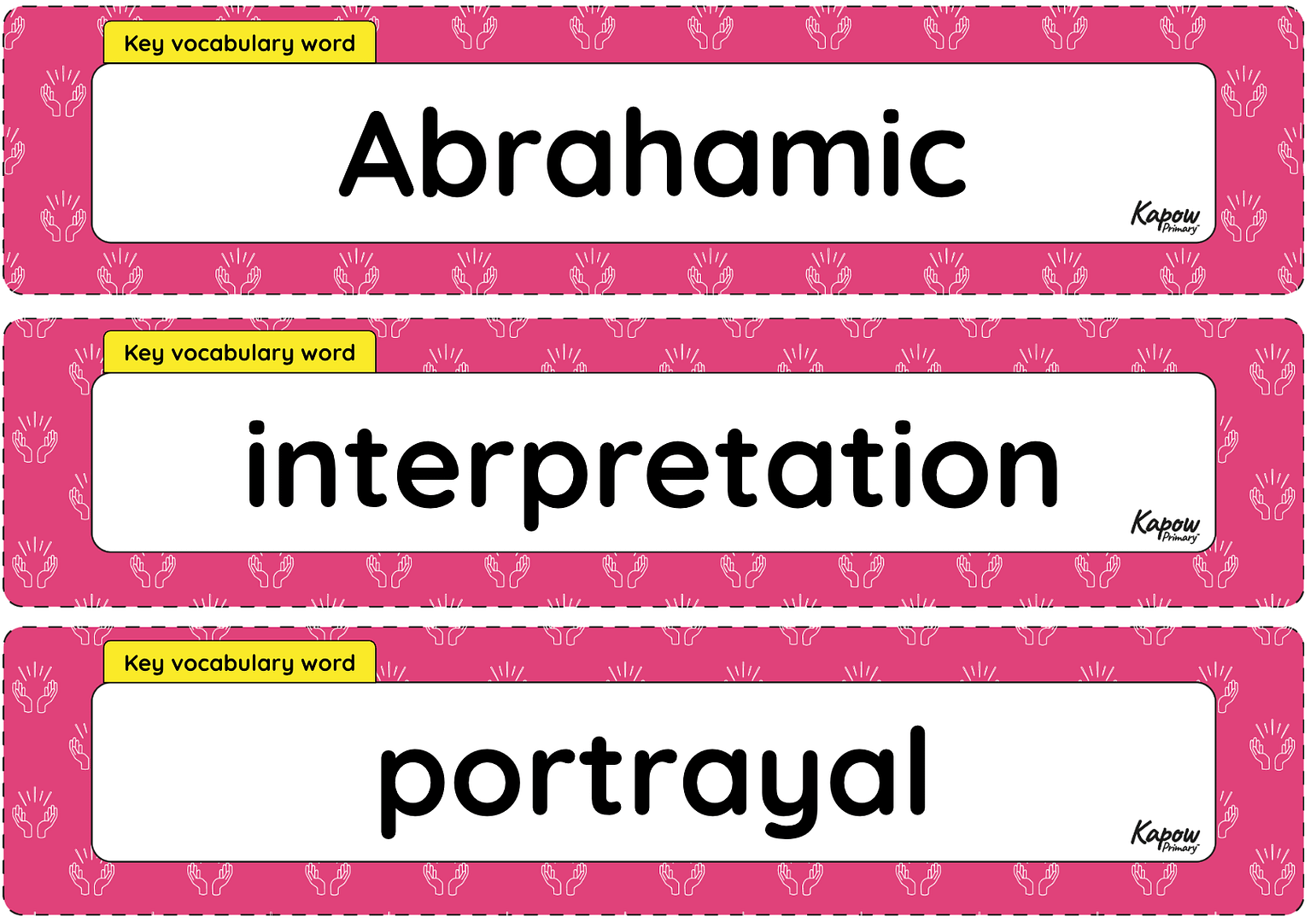
This unit vocabulary display includes keywords from the Year 5 unit Religion and worldviews, Y5, What happens when we die? (Part 1) and additional unit-specific words that may be helpful in a display.
Key vocabulary is clearly labelled on the display, highlighting essential words that the pupils are expected to retain and reuse in future units. Understanding these words enhances comprehension of the subject and supports understanding of prominent organised worldviews.
See the full Religion and worldviews: Progression of key vocabulary.
Knowledge organiser – R&W Y5/6 (A): What happens when we die? (Part 1)

A Knowledge organiser that captures the essential knowledge and skills learnt throughout the mixed-age unit Religion and worldviews, Year 5/6 (A), What happens when we die? (Part 1).
This resource is designed to support pupils in understanding diverse perspectives on death and the afterlife across different religious and non-religious worldviews. It introduces key concepts such as the soul, atonement, reconciliation, and beliefs about the afterlife in Christianity, Islam, Judaism and Humanism. Terms like Jannah, Olam Ha-Ba, Gehinnom, and purgatory are explained, alongside traditions such as Yom Kippur and Dia de los Muertos. The organiser explores how people honour the dead, seek forgiveness, and find comfort through rituals and beliefs, highlighting how views on death are shaped by culture, faith, and personal interpretation. It is ideal for promoting reflection and respectful dialogue about life, death, and legacy.
Preparing pupils to talk about Spanish
This guide supports teachers and subject leaders in preparing pupils to talk clearly and confidently about their learning in your Spanish curriculum. It includes a worksheet with structured prompts and teacher guidance to help pupils reflect on what they’ve learned, recall key knowledge and skills, and recognise the progress they’ve made.
Preparing pupils to talk about Science

This guide supports teachers and subject leaders in preparing pupils to talk clearly and confidently about their learning in your Science curriculum. It includes a worksheet with structured prompts and teacher guidance to help pupils reflect on what they’ve learned, recall key knowledge and skills, and recognise the progress they’ve made.
Preparing pupils to talk about Religion and worldviews

This guide supports teachers and subject leaders in preparing pupils to talk clearly and confidently about their learning in your Religion and worldviews curriculum. It includes a worksheet with structured prompts and teacher guidance to help pupils reflect on what they’ve learned, recall key knowledge and skills, and recognise the progress they’ve made.
Preparing pupils to talk about RSE & PSHE

This guide supports teachers and subject leaders in preparing pupils to talk clearly and confidently about their learning in your RSE & PSHE curriculum. It includes a worksheet with structured prompts and teacher guidance to help pupils reflect on what they’ve learned, recall key knowledge and skills, and recognise the progress they’ve made.
Preparing pupils to talk about Music

This guide supports teachers and subject leaders in preparing pupils to talk clearly and confidently about their learning in your Music curriculum. It includes a worksheet with structured prompts and teacher guidance to help pupils reflect on what they’ve learned, recall key knowledge and skills, and recognise the progress they’ve made.
Preparing pupils to talk about History

This guide supports teachers and subject leaders in preparing pupils to talk clearly and confidently about their learning in your History curriculum. It includes a worksheet with structured prompts and teacher guidance to help pupils reflect on what they’ve learned, recall key knowledge and skills, and recognise the progress they’ve made.
